


 中文简体
中文简体


-
Spring Tensioner Pulley: Function, Symptoms, Inspection, and Replacement Guide
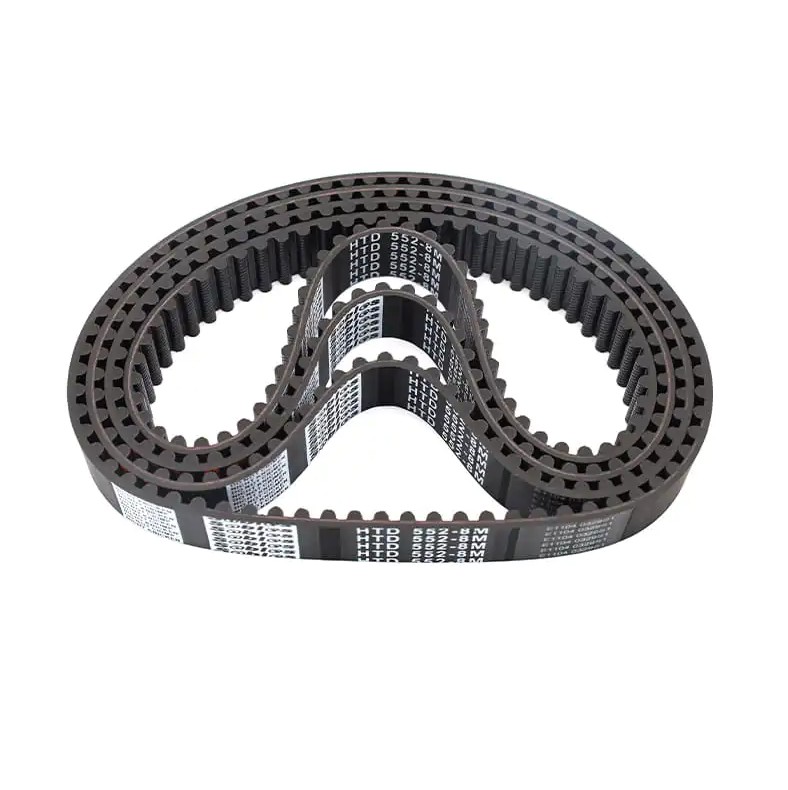
A chattering noise from the front of the engine at startup, a shiny worn edge on the serpentine belt, or a sudden loss of accessory drive power can all point to one small component: the spring tensio...
View More -
What is the working principle of rubber timing belts?
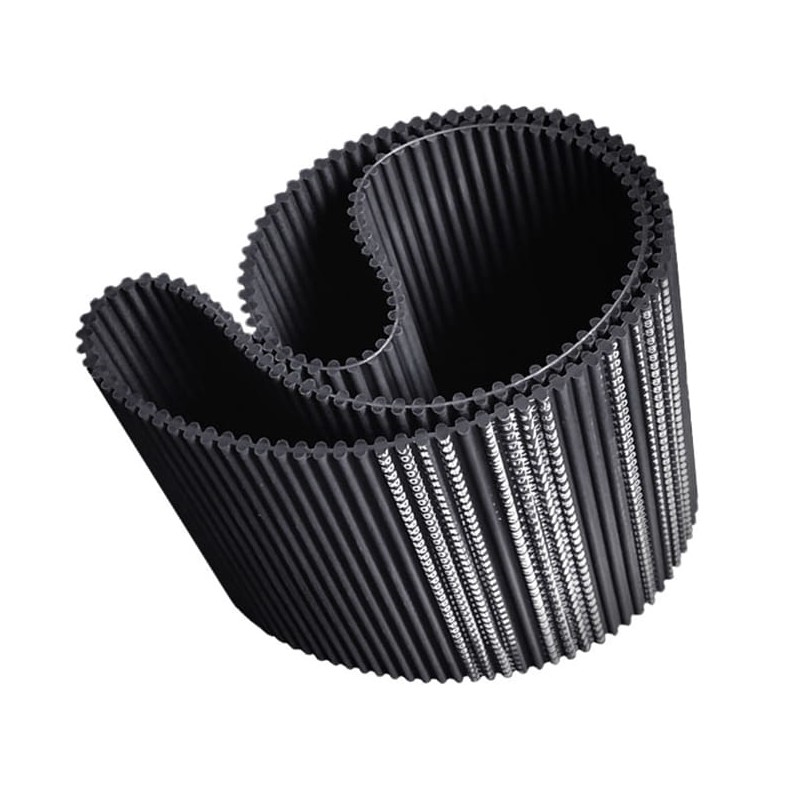
Rubber timing belts work by using a series of evenly spaced teeth molded into the belt's inner surface that mesh precisely with matching grooves on a pulley, allowing rotational motion to transfer f...
View More -
How to use rubber timing belts
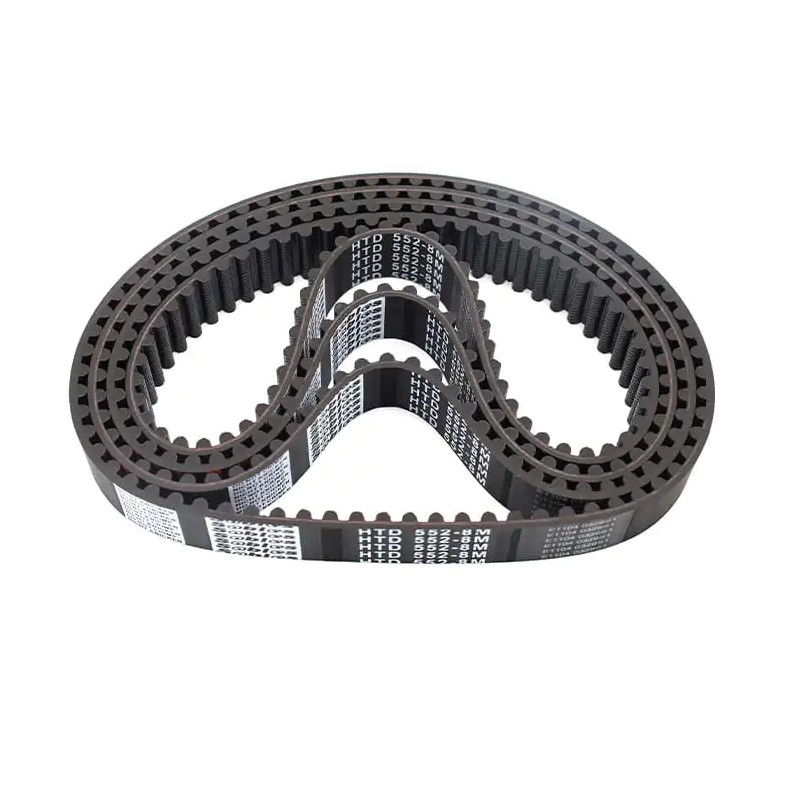
Using rubber timing belts correctly involves selecting the right belt size and tooth profile for the application, aligning the pulleys precisely, applying correct belt tension, and following a regul...
View More -
How are flat belts connected?
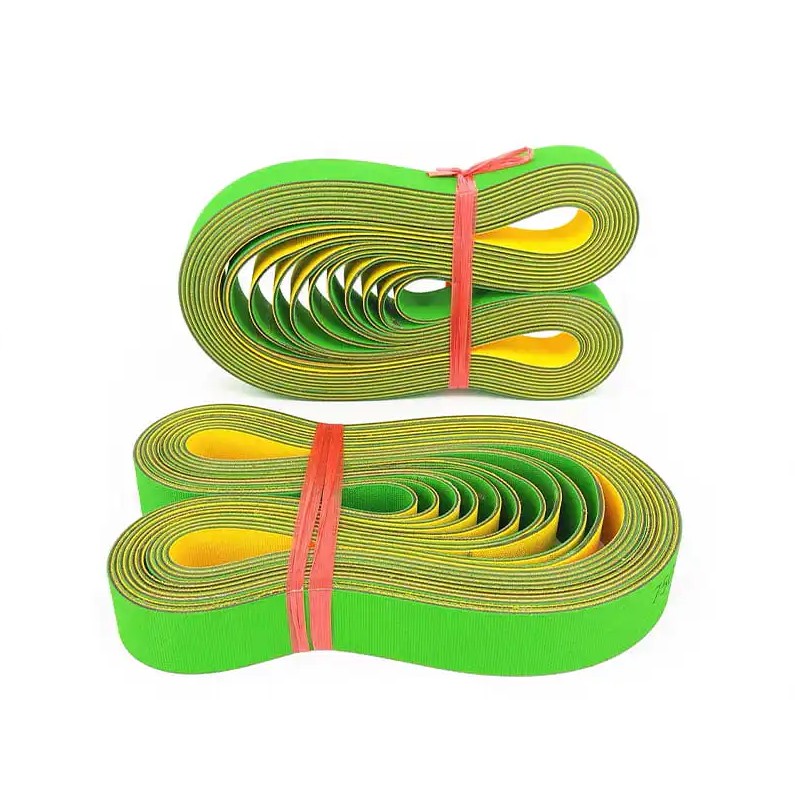
Flat belts are connected using one of several joining methods, including mechanical fasteners, belt lacing, vulcanized splicing, or adhesive bonding, with the choice depending on belt material, oper...
View More -
How do flat belts work?
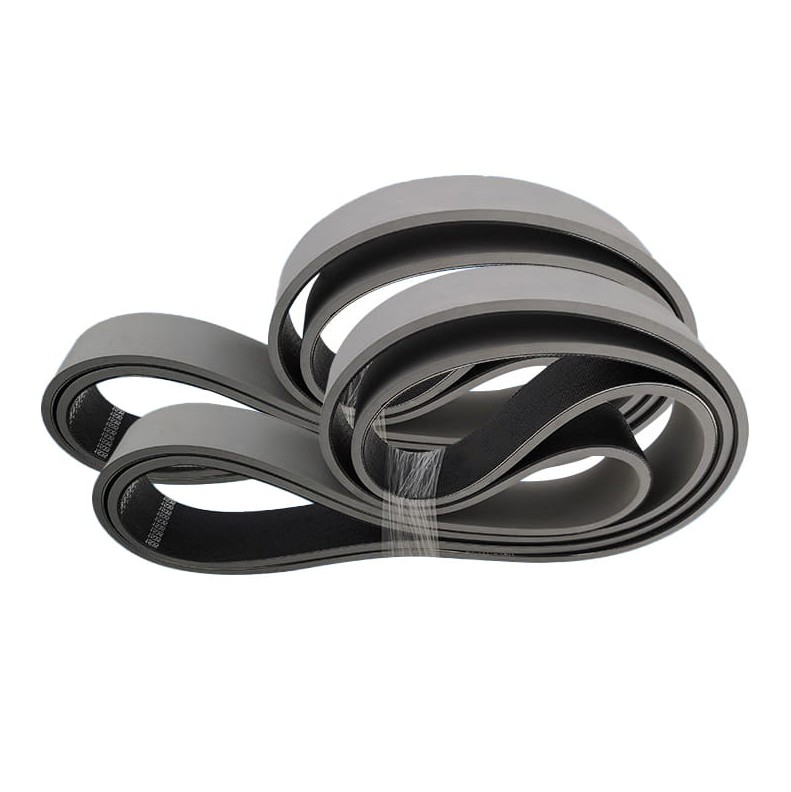
Flat belts work by transmitting rotational power between two or more pulleys through friction generated between the flat surface of the belt and the pulley face, converting the mechanical motion of ...
View More -
Do rubber timing belts emit a smell of burning rubber?
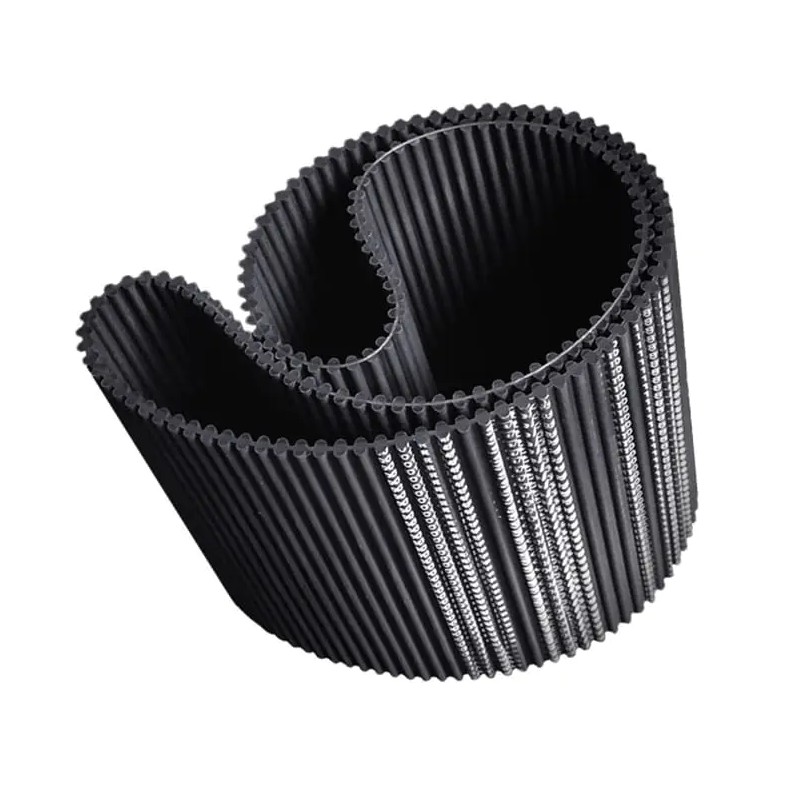
A healthy rubber timing belt operating correctly does not emit a burning rubber smell. A burning rubber odor from the engine bay is a clear warning sign that the belt is slipping, rubbing against a ...
View More


-

Denggu Rd,Guixi lndustrial Park, Jiangxi, China
-

+86-13817620574
-

+86-0701-3333390
-

