


 中文简体
中文简体


-
How are flat belts connected?
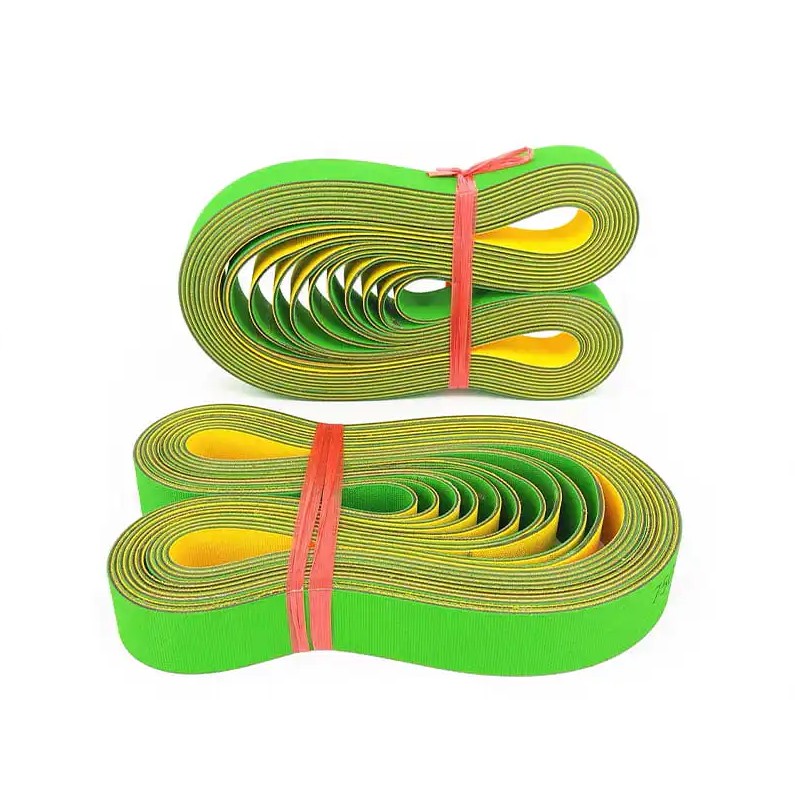
Flat belts are connected using one of several joining methods, including mechanical fasteners, belt lacing, vulcanized splicing, or adhesive bonding, with the choice depending on belt material, oper...
View More -
How do flat belts work?
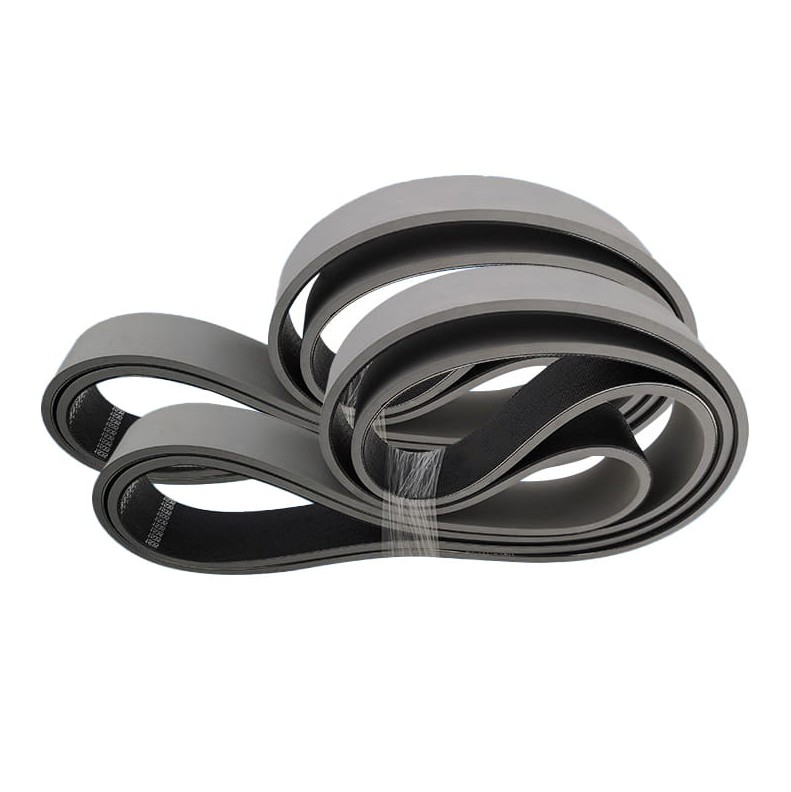
Flat belts work by transmitting rotational power between two or more pulleys through friction generated between the flat surface of the belt and the pulley face, converting the mechanical motion of ...
View More -
Do rubber timing belts emit a smell of burning rubber?
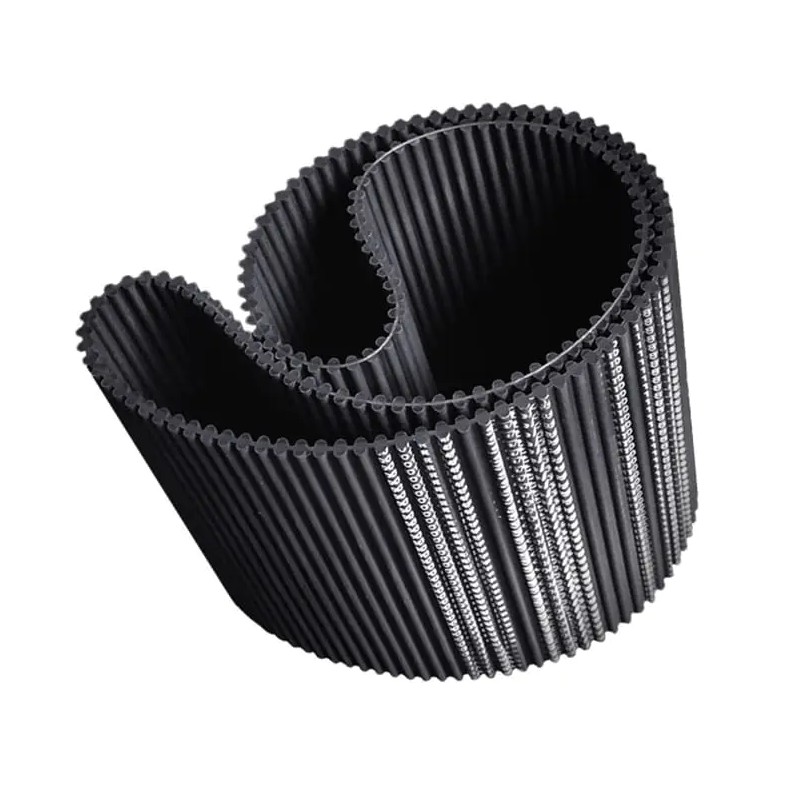
A healthy rubber timing belt operating correctly does not emit a burning rubber smell. A burning rubber odor from the engine bay is a clear warning sign that the belt is slipping, rubbing against a ...
View More -
How to install a Rubber Timing Belts?
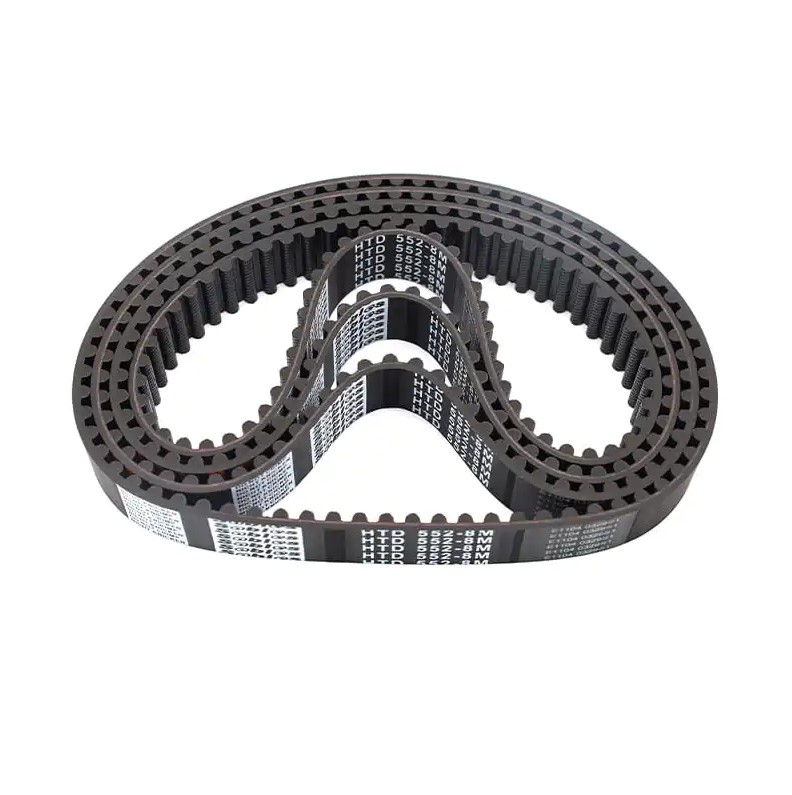
To install Rubber Timing Belts, follow six core steps in sequence: align all sprockets to the manufacturer's timing marks before removing the old belt, lock the sprockets to prevent rotation, route ...
View More -
Are rubber-ribbed belts any good?
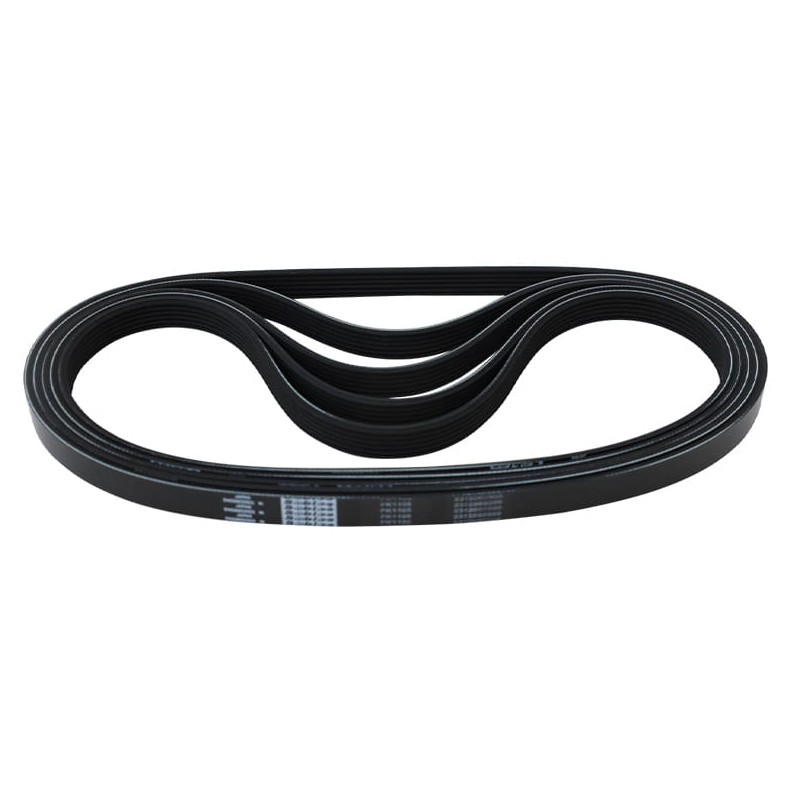
Yes, Rubber Ribbed Belts are genuinely good, and for most power transmission applications they are a significant improvement over traditional flat belts and single-groove V-belts. The multi-rib desi...
View More -
What are rubber ribbed belts?
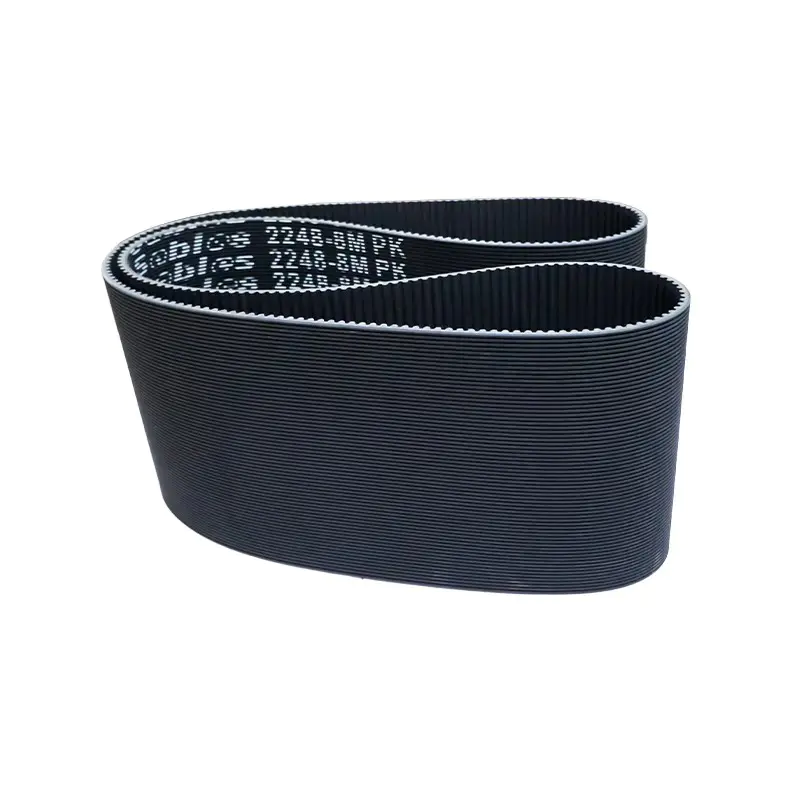
Rubber Ribbed Belts -- also called poly-V belts, multi-rib belts, or serpentine belts -- are flexible power transmission belts made from an elastomeric rubber compound reinforced by longitudinal ten...
View More


-

Denggu Rd,Guixi lndustrial Park, Jiangxi, China
-

+86-13817620574
-

+86-0701-3333390
-

