


 中文简体
中文简体


-
How to install a Rubber Timing Belts?
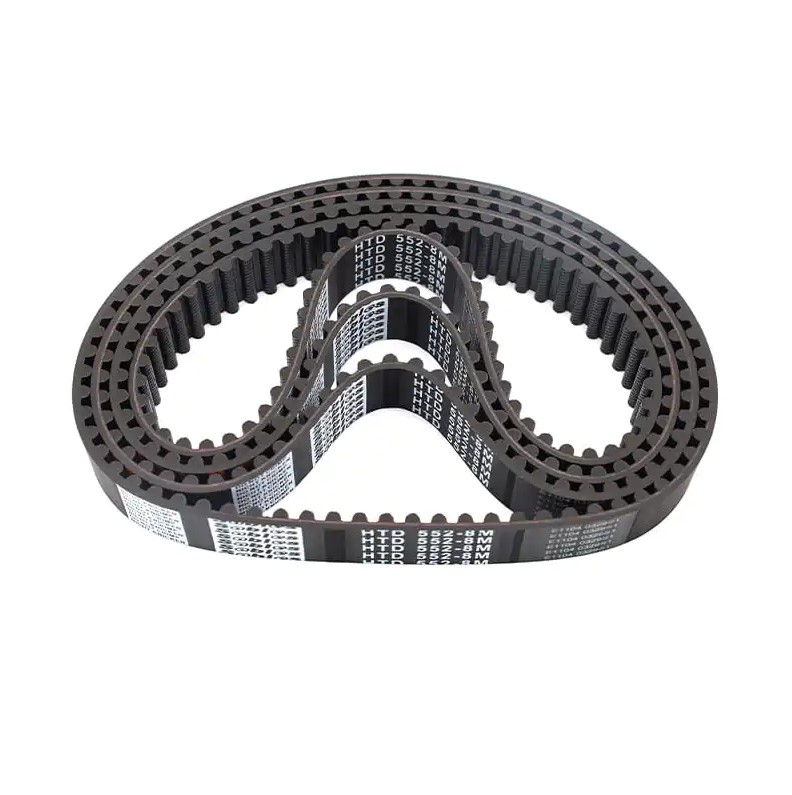
To install Rubber Timing Belts, follow six core steps in sequence: align all sprockets to the manufacturer's timing marks before removing the old belt, lock the sprockets to prevent rotation, route ...
View More -
Are rubber-ribbed belts any good?
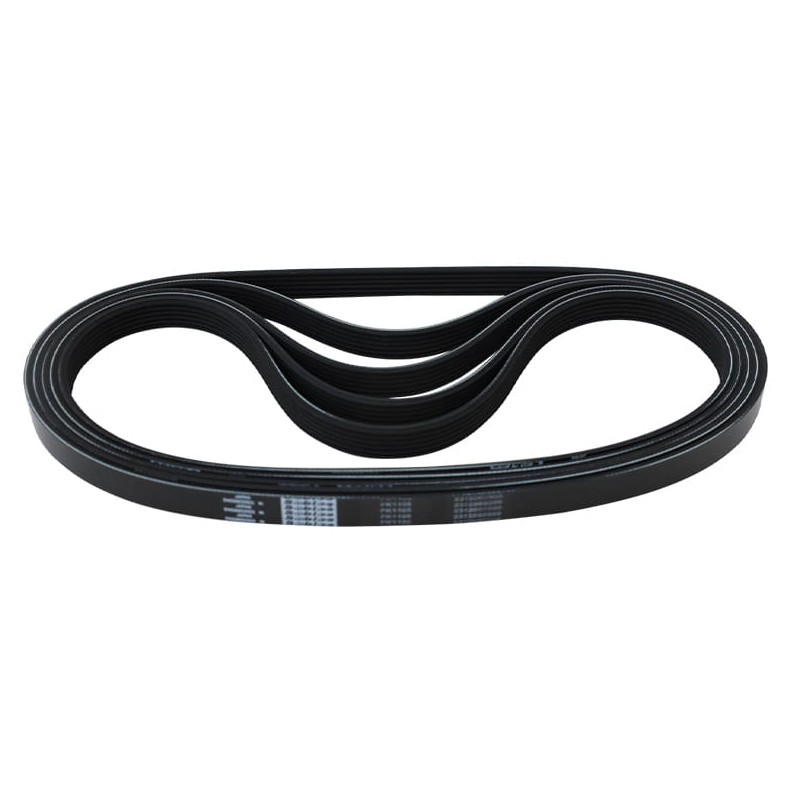
Yes, Rubber Ribbed Belts are genuinely good, and for most power transmission applications they are a significant improvement over traditional flat belts and single-groove V-belts. The multi-rib desi...
View More -
What are rubber ribbed belts?
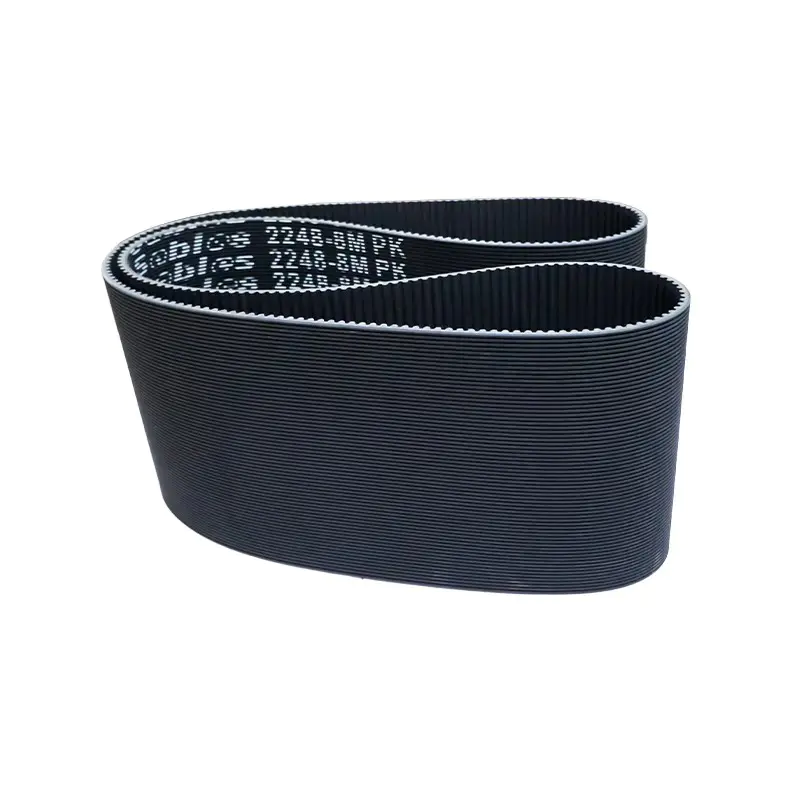
Rubber Ribbed Belts -- also called poly-V belts, multi-rib belts, or serpentine belts -- are flexible power transmission belts made from an elastomeric rubber compound reinforced by longitudinal ten...
View More -
What is the function of rubber ribbed belts?
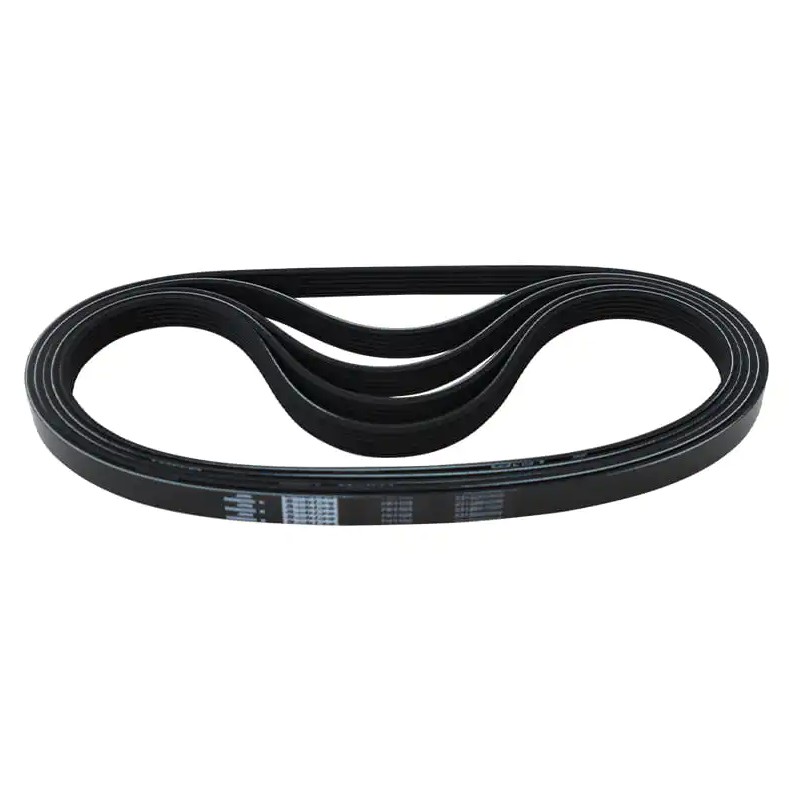
Rubber Ribbed Belts serve one primary function: transmitting rotational power from a drive source to one or more driven components with high efficiency, minimal slip, and quiet operation. The longit...
View More -
What is the service life of a Rubber Coated Belt?
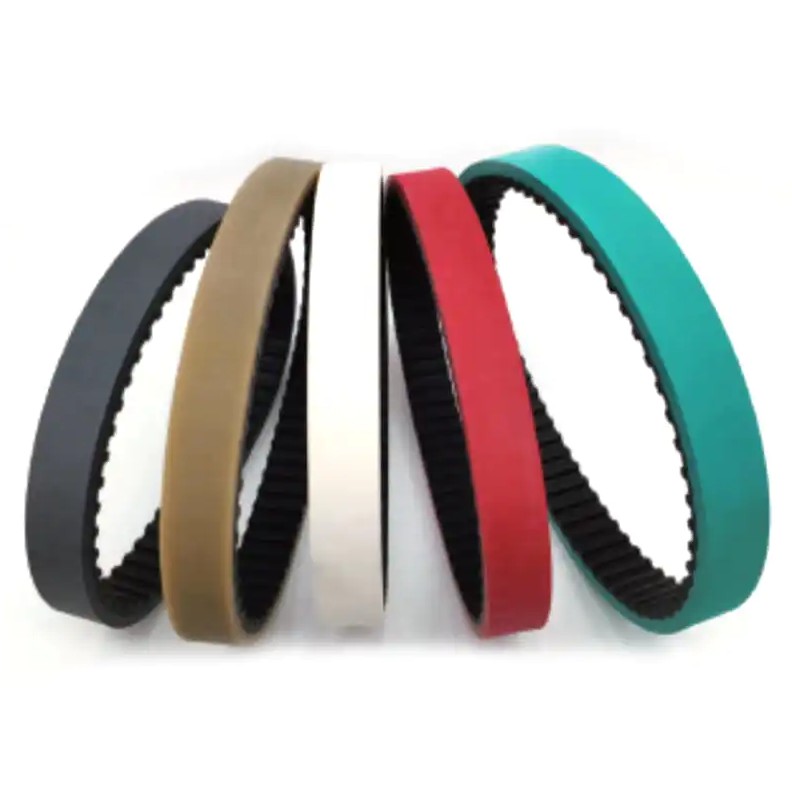
The service life of a rubber coated belt typically ranges from 1 to 5 years, depending on operating conditions, load intensity, maintenance practices, and the quality of the belt itself. Under ideal ...
View More -
What are the uses of rubber-coated belts?
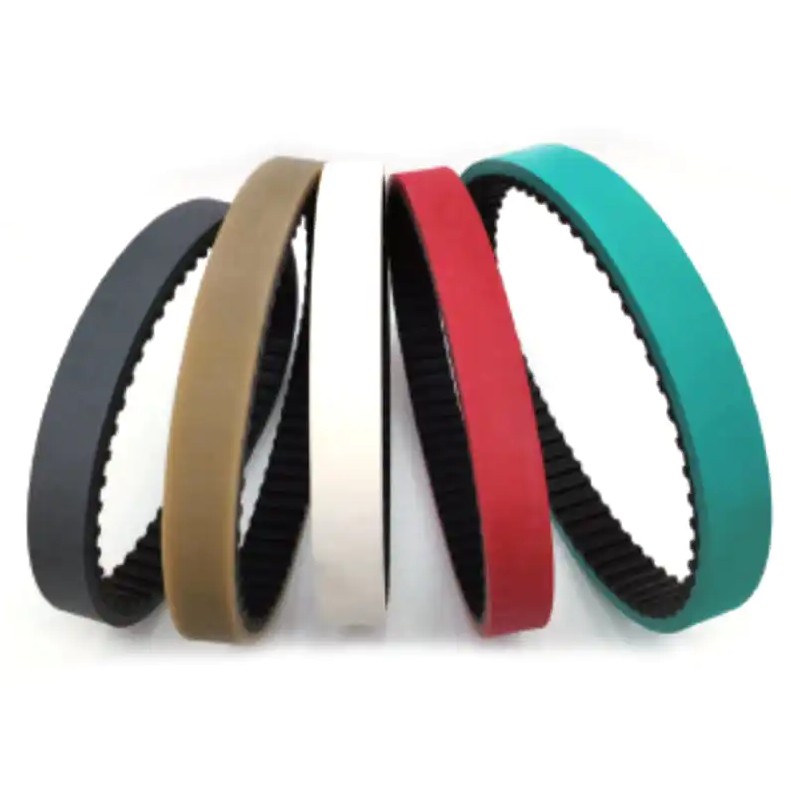
Rubber-coated belts are used across a vast range of industries wherever reliable power transmission, precise motion control, or efficient material conveying is required under demanding conditions. Th...
View More


-

Denggu Rd,Guixi lndustrial Park, Jiangxi, China
-

+86-13817620574
-

+86-0701-3333390
-

