The service life of a rubber coated belt typically ranges from 1 to 5 years, depending on operating conditions, load intensity, maintenance practices, and the quality of the belt itself. Under ideal conditions with moderate loads and regular maintenance, a high-quality rubber coated belt can exceed 5 years of continuous use. In harsh environments — such as high-speed machinery, abrasive materials, or chemical exposure — service life may be reduced to 6–18 months. Understanding the factors that influence longevity is key to maximizing your investment and minimizing unplanned downtime.
What Is a Rubber Coated Belt?
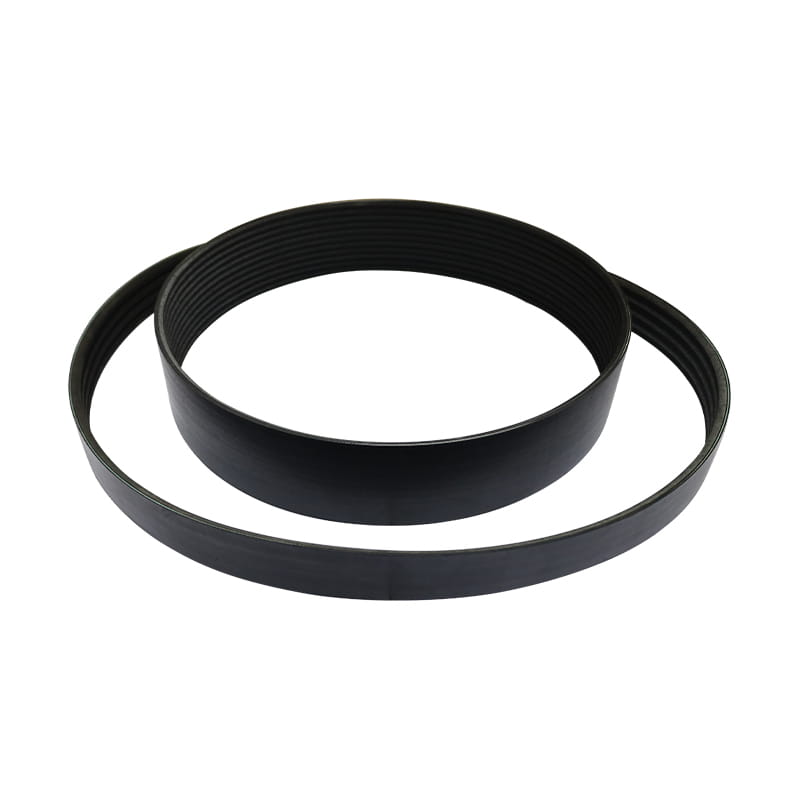
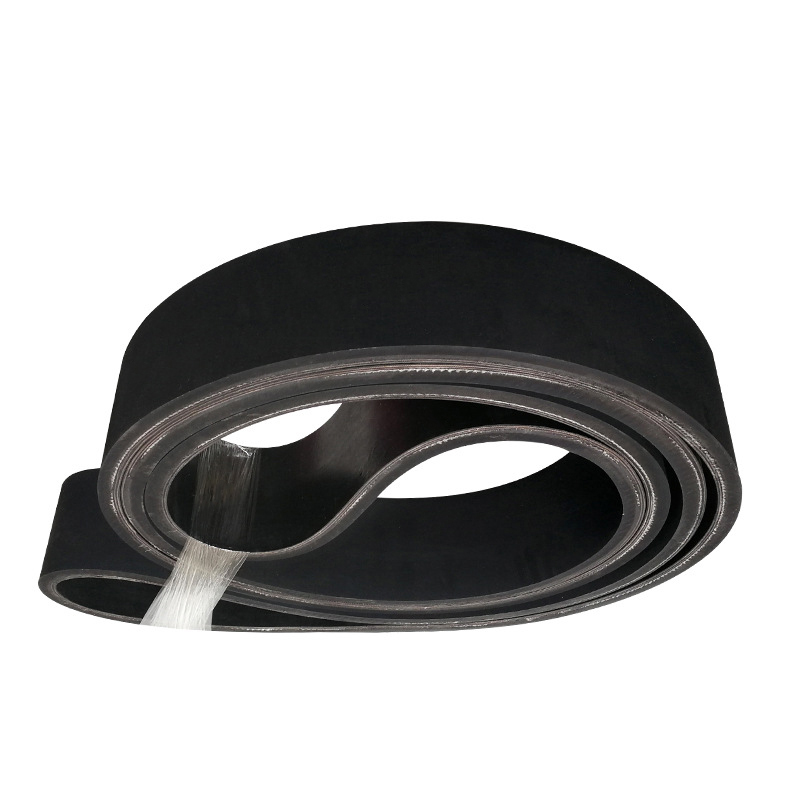
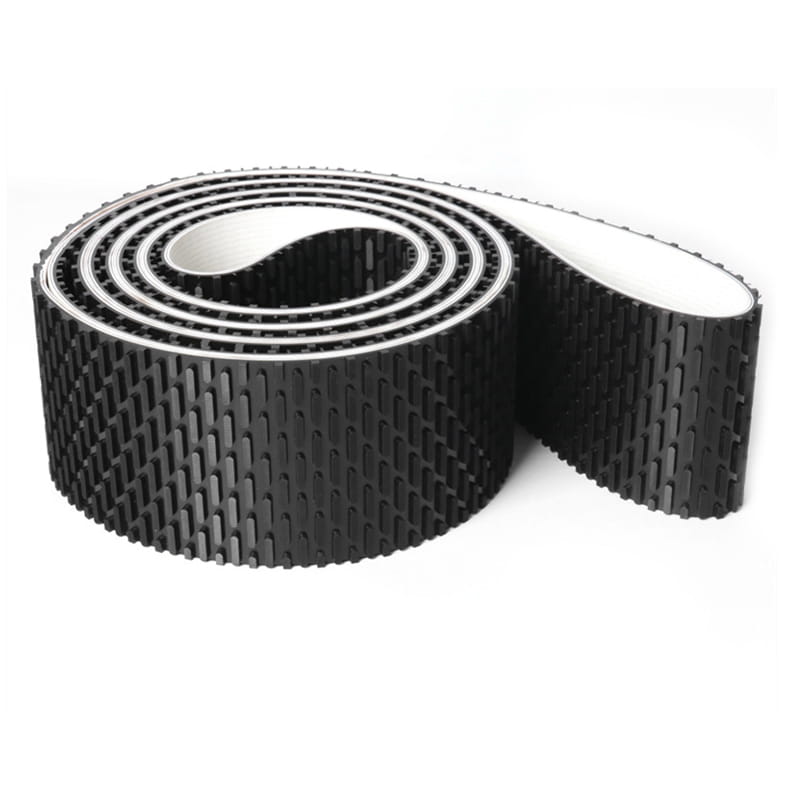
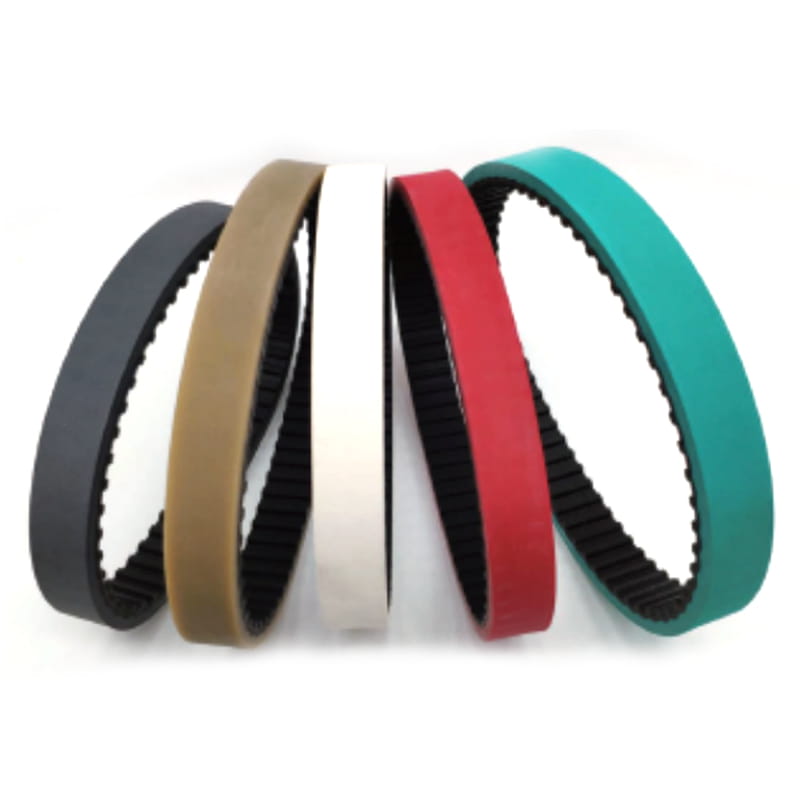
A rubber coated belt is a power transmission or conveying belt that features a rubber layer applied over a base substrate — typically a woven fabric, steel cord, or polyurethane core. The rubber coating serves multiple functions: it increases surface friction for gripping, protects the internal structure from abrasion and moisture, and can be specially formulated to handle food-grade, oil-resistant, or heat-resistant applications.
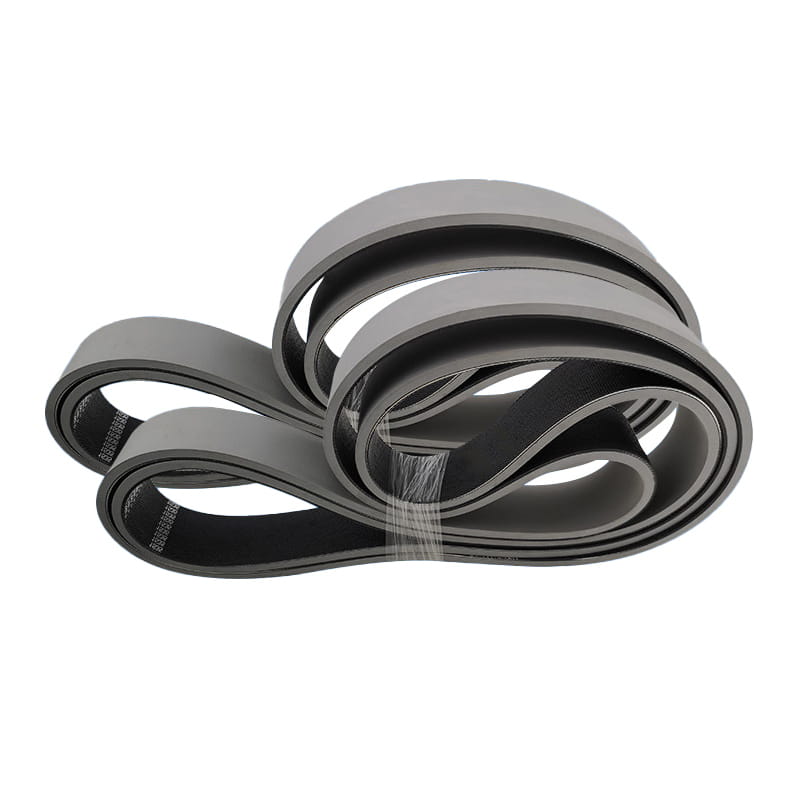
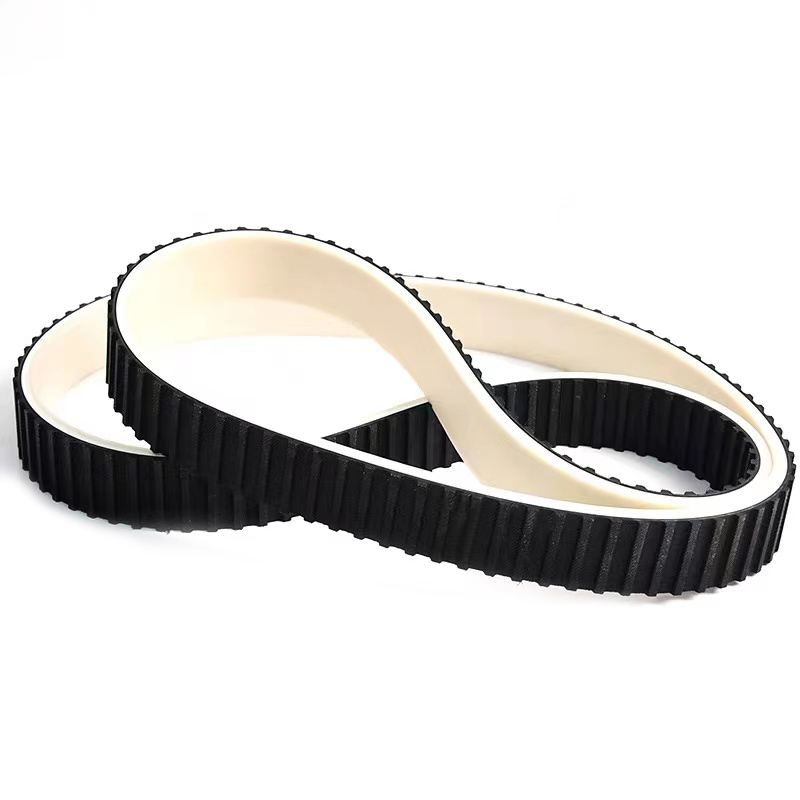
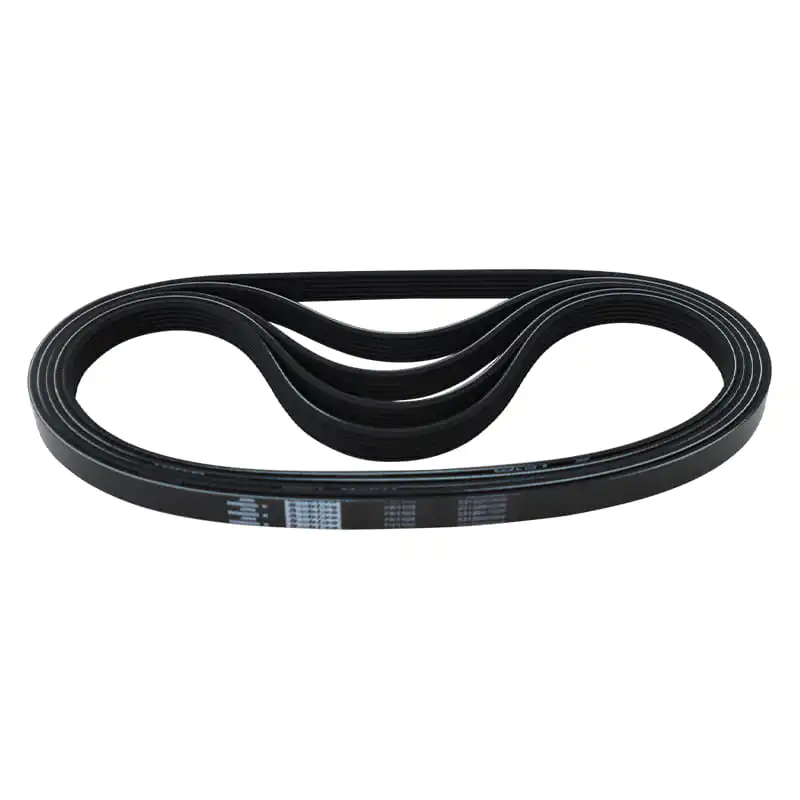
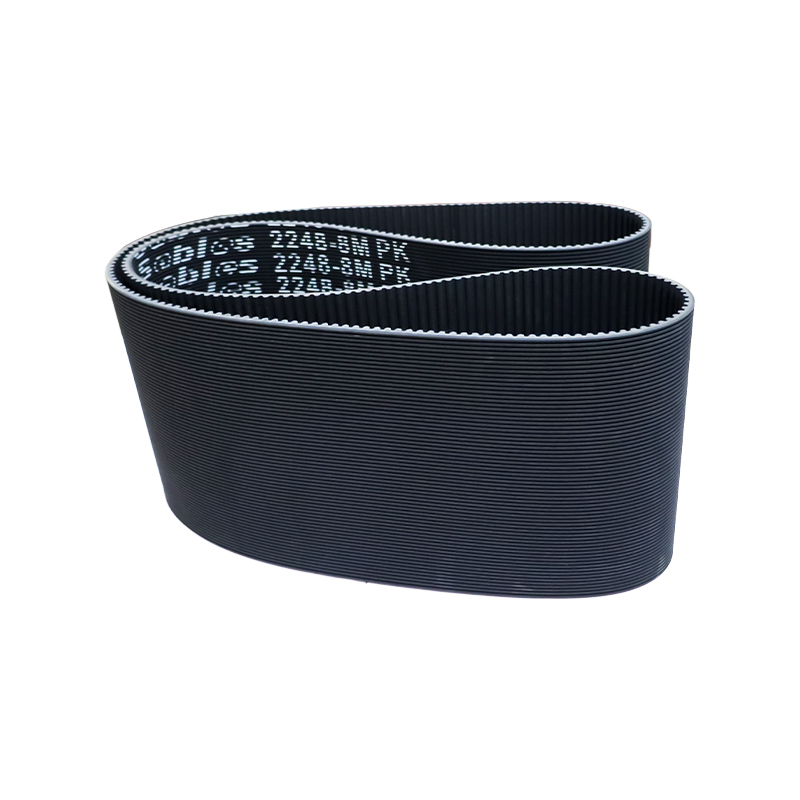
Common types of rubber coated belts include rubber synchronous belts, flat belts, coated feeding belts, fish-separation belts, conveyor belts, and specialty processing belts for industries such as printing, packaging, food processing, and agriculture. Each application places different demands on the belt, which directly affects its expected service life.
Key Factors That Determine Service Life
1. Operating Speed and Load
Higher belt speeds and heavier loads accelerate wear on both the rubber coating and the internal tensile members. For example, a belt running at 30 m/s under full-rated tension will typically show measurable rubber surface wear 2–3 times faster than the same belt operating at 10 m/s under partial load. Manufacturers specify maximum speed and load ratings — staying within these limits is the single most effective way to extend belt life.
2. Environmental Conditions
Temperature extremes, UV exposure, ozone, oils, and chemicals all degrade rubber compounds over time. A standard rubber coated belt performs best at temperatures between -20°C and +80°C. Exposure beyond this range — such as in freezing cold storage facilities or near furnaces — can cause surface cracking, hardening, or delamination, significantly shortening lifespan.
3. Belt Tension and Alignment
Improper tensioning — either too tight or too loose — is one of the most common causes of premature belt failure. Over-tensioning stresses the internal cords and causes edge cracking; under-tensioning leads to slippage, heat buildup, and uneven wear. Misalignment causes the belt to track to one side, wearing down the edges rapidly. Studies in conveyor system maintenance indicate that up to 40% of belt failures are directly attributable to improper tension or misalignment at installation.
4. Pulley and Roller Condition
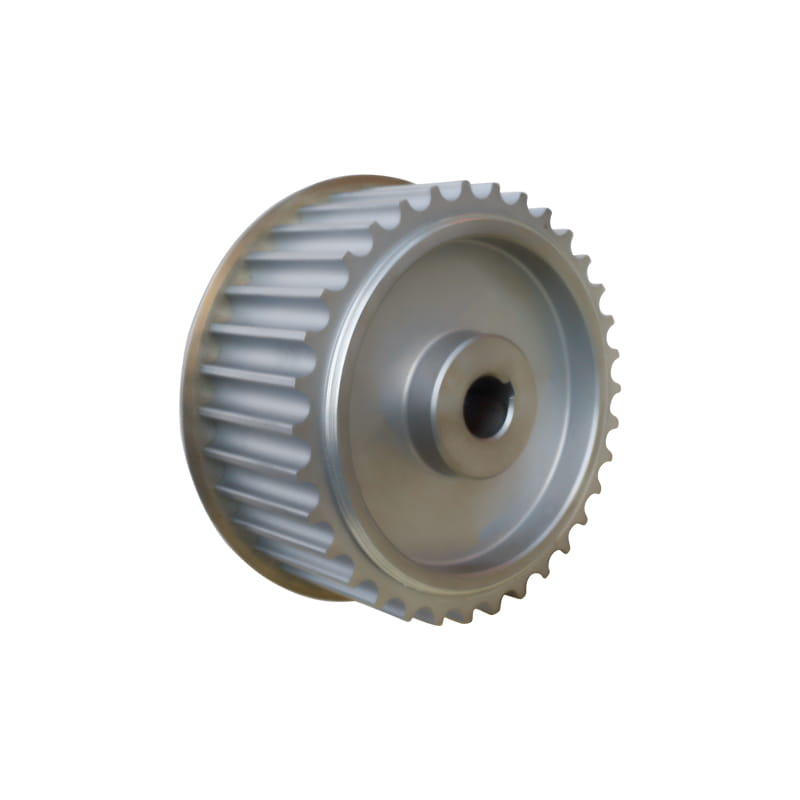
Worn, corroded, or undersized pulleys create stress concentration points on the belt. The minimum pulley diameter for a given belt type is specified to prevent excessive bending stress. Using pulleys smaller than recommended can reduce belt life by 30–50%, as the rubber coating undergoes repeated microfracturing with each revolution.
5. Material Being Conveyed or Processed
Abrasive materials such as grains, nuts, shells, or aggregate stone wear away the rubber surface coating at a faster rate. In agricultural applications — such as nut-shell belts or vegetable-cutting belts — the abrasive nature of the product means surface rubber hardness (Shore A rating) and coating thickness must be matched carefully to the application to achieve acceptable service life.
6. Maintenance and Inspection Frequency
Regular inspection and preventive maintenance can extend rubber coated belt service life by 20–40% compared to run-to-failure strategies. Cleaning belts to remove debris and contamination, checking tension periodically, and replacing worn pulleys before they damage the belt surface are all standard practices in high-uptime operations.
Expected Service Life by Application Type
The table below summarizes typical service life ranges for rubber coated belts across common industrial applications, based on standard operating conditions and routine maintenance.
Table 1: Typical rubber coated belt service life by application under standard operating conditions.
| Application |
Typical Service Life |
Primary Wear Factor |
| Rubber Synchronous / Timing Belts |
2–5 years |
Tooth wear, tension fatigue |
| Conveyor Belts (General Industrial) |
1–4 years |
Surface abrasion, impact loading |
| Coated Feeding Belts (Food Processing) |
1–3 years |
Frequent washing, chemical exposure |
| Fish Separation Belts |
6–18 months |
Wet/saline environment, high abrasion |
| High-Speed Packing / Printing Belts |
1–3 years |
Speed-induced heat, surface fatigue |
| Nut-Shell / Vegetable-Cutting Belts |
6–24 months |
High abrasion, cutting contact |
| Flat Belts & Ribbed Belts |
2–5 years |
Surface slip, edge wear |
Common Signs That a Rubber Coated Belt Needs Replacement
Even with proper maintenance, rubber coated belts will eventually reach the end of their service life. Recognizing the early warning signs helps prevent catastrophic failure and unplanned production stops. Watch for the following indicators:
- Surface cracking or crazing — Fine cracks across the rubber surface signal UV degradation, ozone attack, or thermal aging.
- Edge fraying or delamination — Separation of the rubber coating from the base substrate, often caused by misalignment or excessive heat.
- Visible cord exposure — When the rubber layer is worn through to the underlying tensile cords, structural integrity is compromised and immediate replacement is required.
- Abnormal slipping or tracking errors — Loss of friction on the belt surface or consistent tracking to one side despite tension adjustments.
- Unusual noise or vibration — Rhythmic noise or vibration during operation often indicates tooth wear, uneven surface, or internal cord damage.
- Hardening or stiffness — Rubber that has lost its elasticity and become rigid will crack under dynamic loads and cannot conform properly to pulley geometry.
- Elongation beyond specification — Excessive belt stretch means the internal tensile members have fatigued; re-tensioning will only provide a temporary fix.
How to Maximize Rubber Coated Belt Service Life
Extending belt service life is not simply about buying a higher-grade belt — it requires a systematic approach to installation, operation, and maintenance. The following practices are proven to deliver the longest possible service intervals:
Correct Installation
Follow the manufacturer's specified tension values using a tension gauge rather than estimating by feel. Ensure all pulleys and rollers are perfectly parallel and aligned before tensioning. Never force a belt onto a pulley using a pry bar — this can damage internal cord fibers on first installation, starting the wear process immediately.
Scheduled Inspection Intervals
Establish a routine inspection schedule — typically every 500–1,000 operating hours or quarterly, whichever comes first. During each inspection, check surface condition, measure elongation, verify alignment, and inspect pulleys for wear. Document findings so that wear trends can be identified before they become failures.
Appropriate Belt Selection for the Application
Selecting the correct rubber compound for the operating environment is critical. Food-processing applications require food-safe, oil-resistant formulations. High-temperature environments call for heat-resistant compounds. Abrasive applications benefit from harder, thicker rubber coatings. Using a general-purpose belt in a specialized application will almost always result in premature failure.
Proper Storage of Spare Belts
Unused rubber coated belts in storage will degrade if not stored correctly. Store belts in a cool, dark, dry environment away from ozone sources (such as electric motors) and direct sunlight. The recommended storage temperature is between 10°C and 25°C. Belts stored under ideal conditions retain their full performance characteristics for up to 4–6 years before installation.
Replace All Belts in a Set Simultaneously
In multi-belt drive systems, mixing old and new belts causes uneven load sharing — the new belt carries a disproportionate share of the tension, leading to rapid failure of the newer belt. Always replace all belts in a matched set at the same time to ensure uniform load distribution.
Rubber Coated Belt vs. Other Belt Types: Lifespan Comparison
When evaluating belt options, it's useful to understand how rubber coated belts compare to alternatives in terms of service life and suitability for different environments.
Table 2: Service life and suitability comparison of common industrial belt materials.
| Belt Type |
Typical Service Life |
Best For |
Limitations |
| Rubber Coated Belt |
1–5 years |
High friction, abrasion resistance, food & industrial use |
Degrades in extreme heat or aggressive chemicals |
| Polyurethane Timing Belt |
3–7 years |
Clean rooms, oil environments, precision drives |
Less abrasion resistance than rubber on rough surfaces |
| Flat Fabric Belt |
1–3 years |
Light-duty conveying, textile machinery |
Poor moisture resistance without coating |
| Steel Cord Conveyor Belt |
5–10 years |
Heavy mining, long-distance bulk conveying |
High cost, inflexible for tight radius applications |
| Double-Sided Rubber Belt |
2–4 years |
Serpentine drives, bi-directional power transmission |
More complex to tension correctly |
Industry Applications and Specific Service Life Considerations
Food Processing and Agriculture
In food processing, rubber coated belts — including coated feeding belts, fish-separation belts, vegetable-cutting belts, and nut-shell belts — operate in wet, acidic, or saline environments that accelerate rubber degradation. Belts in these applications are typically replaced every 6–24 months, depending on the specific food product and sanitation requirements. Food-grade rubber compounds resist oils, fats, and cleaning agents, extending life compared to standard compounds in the same environment.
Printing and Packaging Machinery
Endless belts for high-speed packing and printing machines must maintain precise dimensional stability and surface smoothness over millions of cycles. These belts typically achieve 1–3 years of service at rated speed. Surface contamination from inks, adhesives, or paper dust is a primary degradation mechanism. Regular cleaning with compatible solvents extends service intervals significantly.
Power Transmission (Synchronous and Ribbed Belts)
Rubber synchronous belts and ribbed belts used in power transmission drives — properly sized, tensioned, and aligned — routinely achieve 3–5 years of service life in industrial environments. The primary failure modes in these applications are tooth shear (over-loading), cord fatigue (over-tensioning), and back-surface wear (inadequate back-idler diameter).
General Conveying and Material Handling
In general conveying applications handling packaged goods, light aggregate, or components, rubber coated conveyor belts typically last 2–4 years with standard maintenance. Abrasive loads (gravel, sand, grain) reduce this to 1–2 years. The use of impact-resistant rubber compounds at loading zones is a well-established practice for extending overall belt life in these settings.
Why Belt Quality Directly Impacts Service Life
Not all rubber coated belts are manufactured to the same standard. Key quality differentiators that directly affect service life include:
- Rubber compound formulation — The specific blend of natural and synthetic rubbers, reinforcing agents, and anti-aging additives determines resistance to heat, ozone, and abrasion.
- Tensile cord quality and layout — High-quality, evenly distributed tensile cords (glass fiber, aramid, or steel) provide consistent load sharing and resist fatigue cracking.
- Vulcanization process control — Consistent curing temperature and pressure ensure uniform rubber hardness and adhesion to the base structure. Inconsistent vulcanization creates weak spots that fail prematurely.
- Dimensional accuracy — Belts that meet tight dimensional tolerances for width, thickness, and tooth pitch run more smoothly, generate less heat, and last longer in precision drives.
- Surface finish quality — A smooth, uniform rubber surface ensures consistent friction and contact, reducing hotspots that initiate surface cracking.
Jiangxi Kangqi Industrial Co., Ltd., operating under the SABLES and KML brands, specializes in the research, development, and manufacture of high-performance rubber synchronous belts and specialty rubber coated belts. As a professional rubber coated belt manufacturer and factory, our product range covers rubber synchronous belts, double-sided belts, coated feeding belts, flat belts, ribbed belts, tooth-ribbed belts, conveyor belts, fish-separation belts, nut-shell belts, vegetable-cutting belts, and endless belts for high-speed packing and printing machines — each engineered with compound formulations and construction methods appropriate to the target application's demands, to deliver maximum service life in real-world operating conditions.
Frequently Asked Questions About Rubber Coated Belt Service Life
Can a rubber coated belt last more than 5 years?
Yes. In light-duty applications with well-aligned drives, moderate speeds, and consistent maintenance, high-quality rubber coated belts can exceed 5 years of service. However, such conditions are the exception rather than the rule in demanding industrial environments. Planning for a replacement cycle within 2–4 years is a more reliable basis for maintenance budgeting in most industrial settings.
Does the rubber coating wear faster than the internal structure?
In most applications, yes. The rubber surface is the first line of defense and wears progressively with use. The internal tensile structure typically fails only when the rubber protection is gone and the cords are exposed to abrasion, or when the belt has been subjected to overloading or severe misalignment that fatigues the cords directly.
Is it possible to repair a worn rubber coated belt?
Minor surface damage on wide conveyor belts can sometimes be repaired with cold-cure or hot-vulcanization patching compounds. However, for precision power transmission belts — such as synchronous or ribbed belts — repair is generally not recommended, as dimensional accuracy after repair cannot be guaranteed. Replacement is the safer and more cost-effective choice in most cases.
How does temperature affect rubber coated belt life?
Temperature has a significant accelerating effect on rubber aging. As a general rule, for every 10°C increase above the recommended operating temperature, rubber degradation rate approximately doubles (Arrhenius aging principle). A belt rated for 50,000 hours at 40°C may deliver only 25,000 hours at 50°C. Selecting temperature-appropriate rubber compounds — such as heat-resistant EPDM or CR formulations — mitigates this effect in elevated-temperature environments.



 中文简体
中文简体