


 中文简体
中文简体


If you need any help, please feel free to contact us
A maintenance planner at a packaging plant pulls a worn belt off a high speed cartoner an...
READ MORE
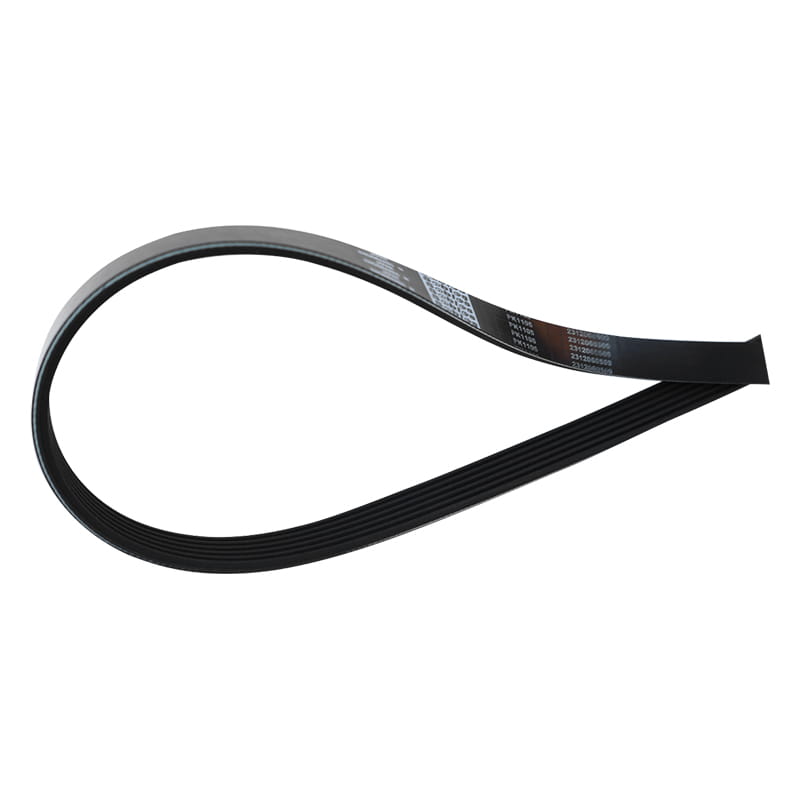
Belt type:
PHPJPKPLPM
Scope of application:

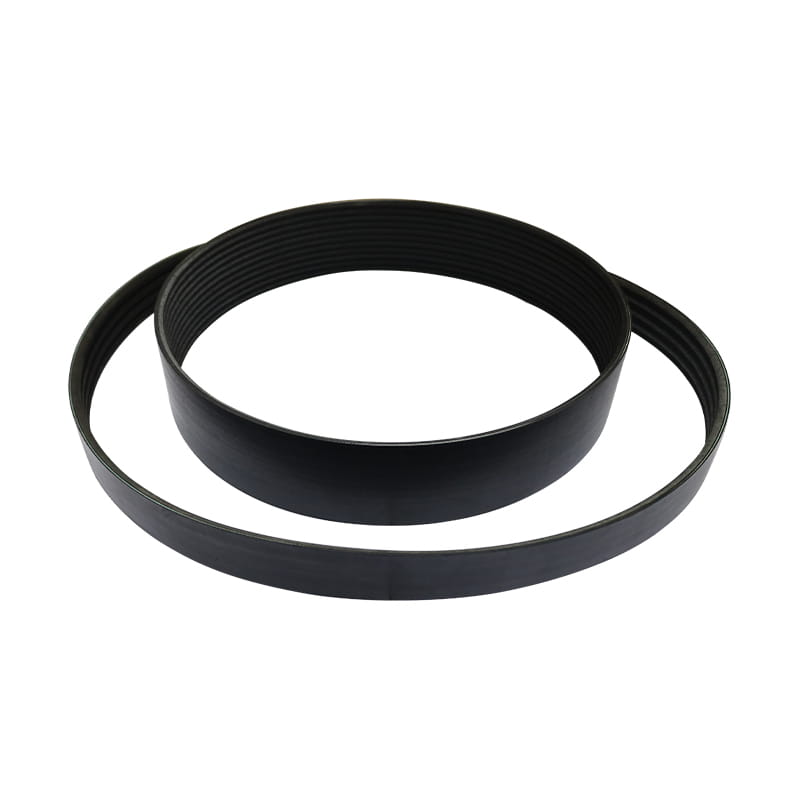
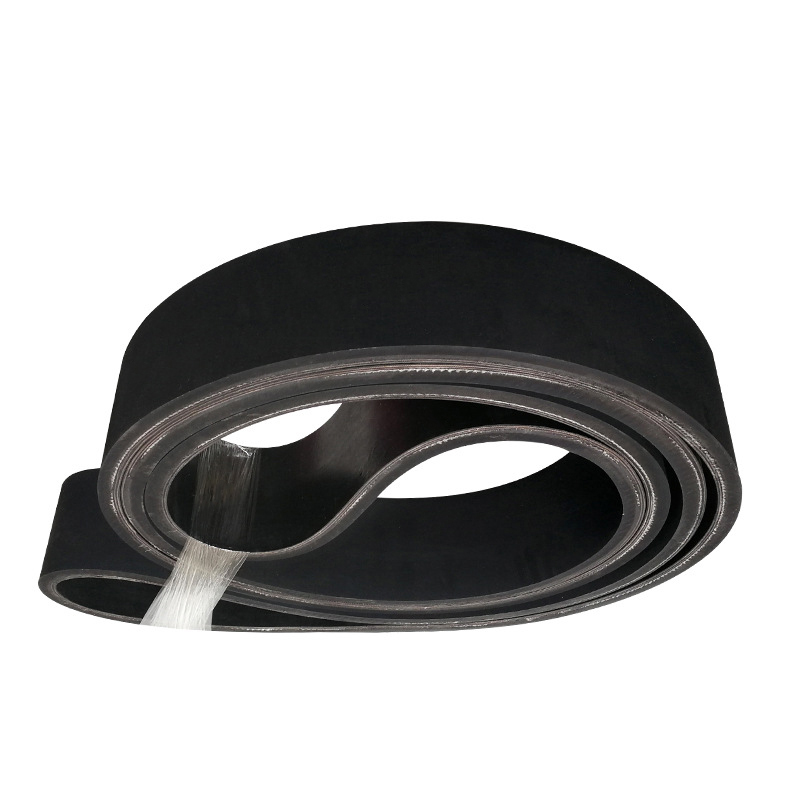
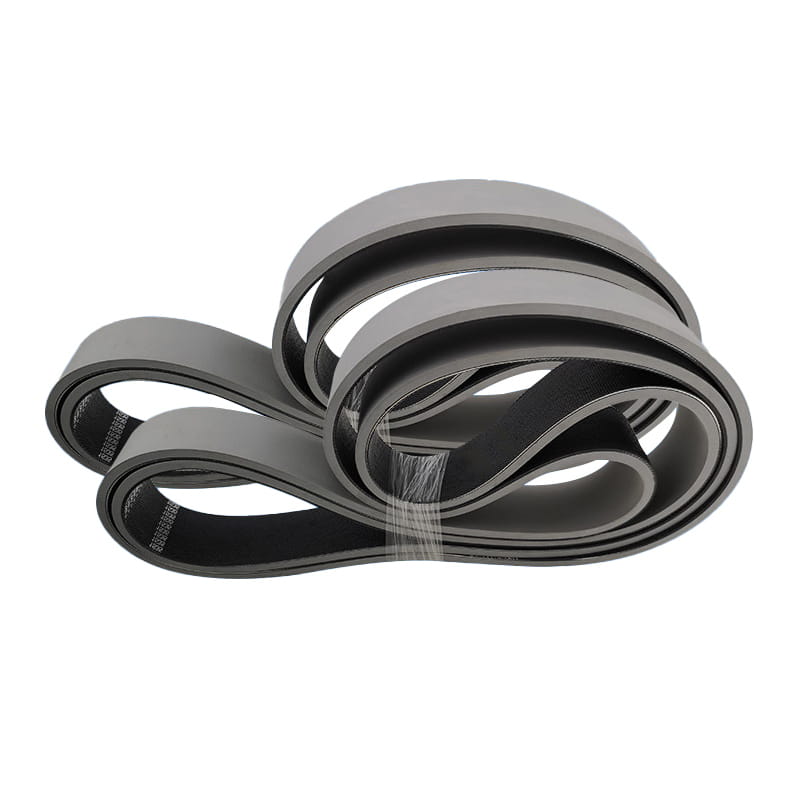
Belt type:
FH FL FM
Scope of application:
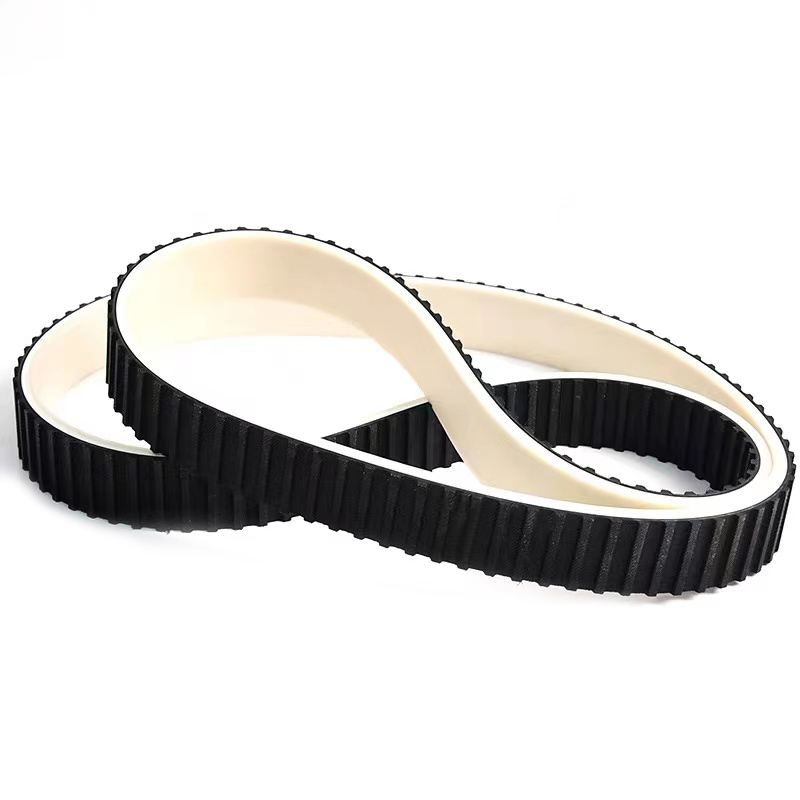
Belt type:
Integrated Vulcanized Silicone Flat Belt and Silicone Synchronized Belt
Scope of application:
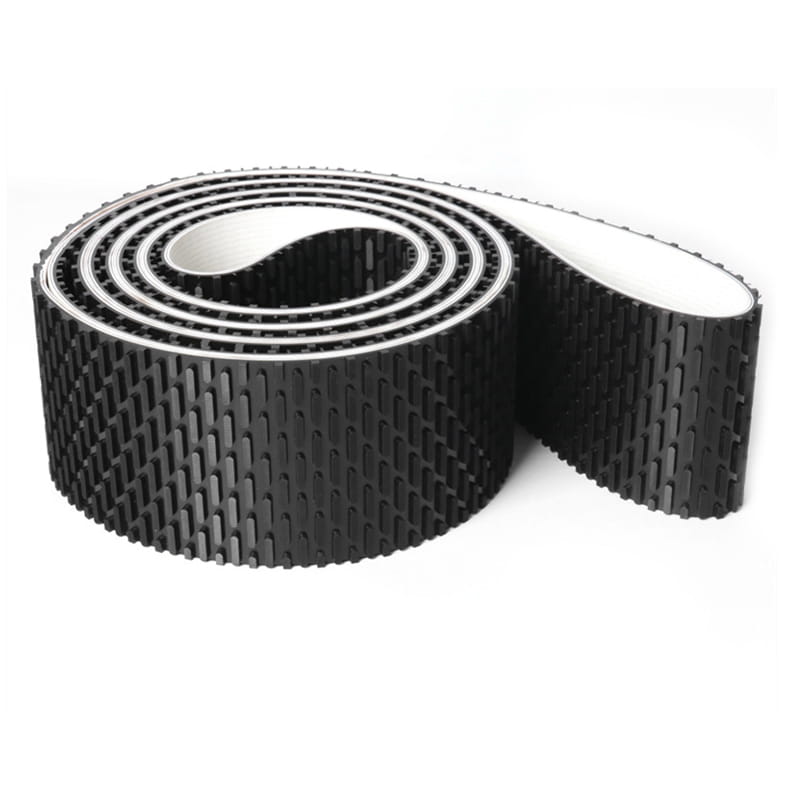
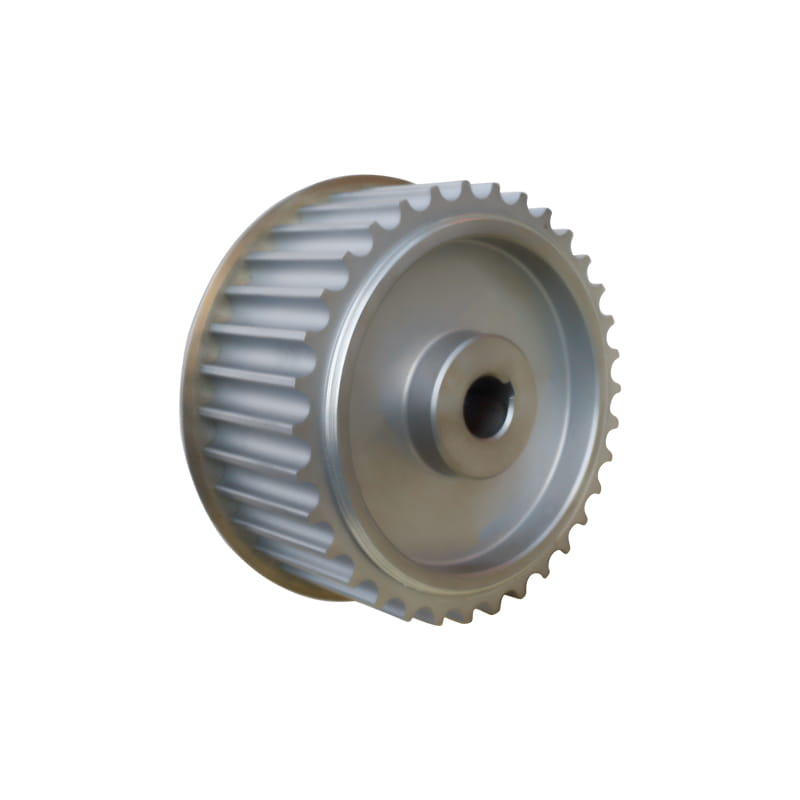
Scope of application:
A maintenance planner at a packaging plant pulls a worn belt off a high speed cartoner an...
READ MOREWhen a maintenance engineer orders vulcanized rubber tape, the carton that arrives can ho...
READ MOREA dropped key, a scored hub, and a belt that starts climbing the flange two weeks after a...
READ MOREOn a form fill seal line running 120 cycles per minute, the timing belt is rarely the mos...
READ MOREPoly-V belts now solve a problem that has frustrated engineers for years: how to push mor...
READ MOREWhat is the impact of the surface structure of ribbed belts on the transmission of different types of materials?
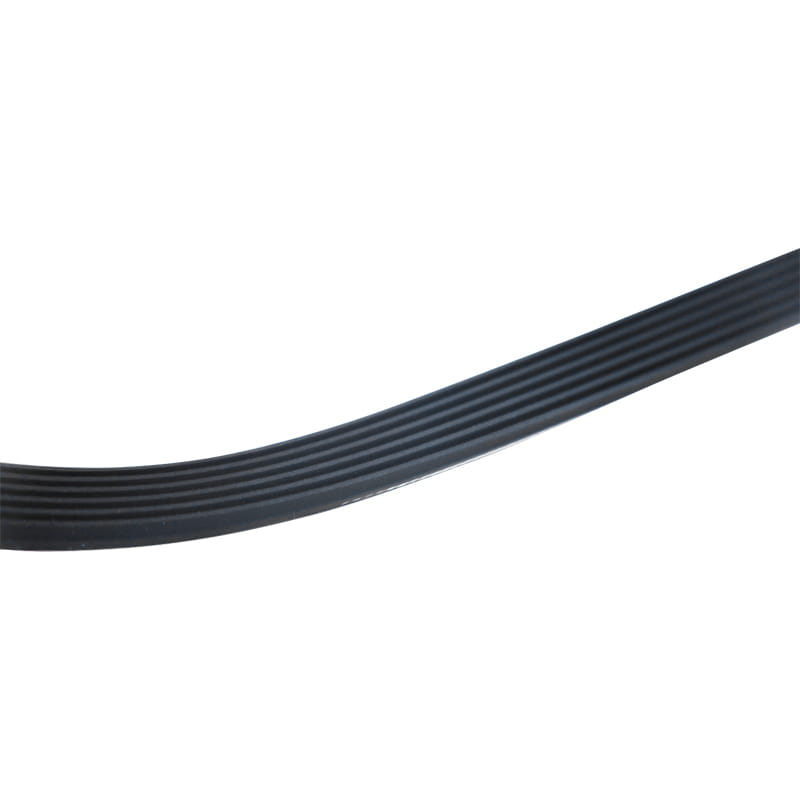
The surface structure of ribbed belts has a significant impact on the transmission of different types of materials, which is mainly reflected in the following aspects:
Friction increases: The raised structure of the ribbed belt can provide additional friction, which helps prevent the material from sliding or rolling during the conveying process. For materials that are easy to slide, such as granular or wet materials, the surface structure of ribbed belts can increase friction and improve stability.
Improved fixation and stability: For irregularly shaped or easily inclined materials, the raised structure of ribbed belts can provide additional support to prevent the material from rolling or tilting during the conveying process. This helps to reduce material displacement and damage, and improve transmission efficiency.
Adaptability enhancement: The surface structure of different types of ribbed belts can be designed and optimized according to the characteristics of different types of materials. For example, for rough or porous materials, higher or denser raised structures can be designed to provide better fixation; For sticky or easily adherent materials, lower or sparser raised structures can be designed to reduce adhesion issues.
Improvement of transmission efficiency: By designing the surface structure of ribbed belts reasonably, the energy loss of materials during the transmission process can be reduced, and the transmission efficiency can be improved. For example, by reducing the height or density of the protruding structure, the frictional resistance between the belt and the material can be reduced, thereby reducing energy consumption.
In summary, the surface structure of ribbed belts can be designed and optimized according to the characteristics of different types of materials to improve transmission efficiency, stability, and adaptability. Choosing the appropriate surface structure is crucial for improving the performance and service life of belts.
What are the applications of ribbed belts in environmental protection and safety?
The application of ribbed belts in environmental protection and safety is reflected in the following aspects:
Reduce material loss: The raised structure of ribbed belts can provide additional support and friction, helping to prevent material from sliding or tilting during transportation, thereby reducing material loss. This helps to reduce resource consumption and environmental pollution.
Improving transmission efficiency: By increasing friction and stability, ribbed belts can improve material transmission efficiency, reduce energy consumption and emissions. This helps to reduce carbon emissions and energy consumption in the production process, thereby reducing negative impacts on the environment.
Preventing accidents: The raised structure of ribbed belts can prevent materials from sliding or rolling during transportation, improve the stability between the belt and materials, and reduce the possibility of accidents. This helps to ensure the safety of the production site and reduce the risk of worker injury and equipment damage.
Adaptation to harsh environments: The design and material selection of ribbed belts usually consider characteristics such as wear resistance and corrosion resistance, making them suitable for material transportation in various harsh environments, such as open-pit mines, chemical plants, etc. This helps to protect the environment and reduce the leakage and discharge of pollutants.
Overall, the application of ribbed belts in environmental protection and safety is mainly reflected in reducing material loss, improving transmission efficiency, preventing accidents, and adapting to harsh environments, which helps to reduce the impact on the environment and personnel safety during the production process.


Denggu Rd,Guixi lndustrial Park, Jiangxi, China

+86-13817620574

+86-0701-3333390