Global Industry News | Manufacturing & Logistics Report
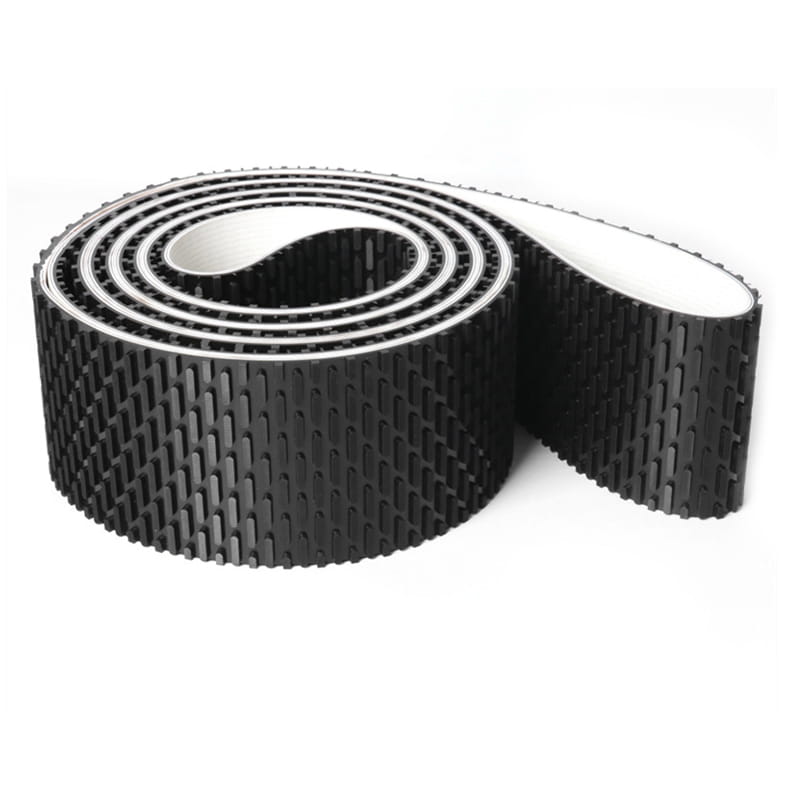
In the fast-paced world of modern manufacturing, mining, and logistics, the reliability of transportation systems is the heartbeat of any successful operation. Today, a significant breakthrough in material science has brought a new standard to the market. The high-performance Rubber Conveyor Belt is setting new benchmarks for durability, flexibility, and environmental resistance, ensuring that industries can move heavier loads over longer distances with minimal downtime.
The Science Behind the Strength: A Three-Tiered Approach
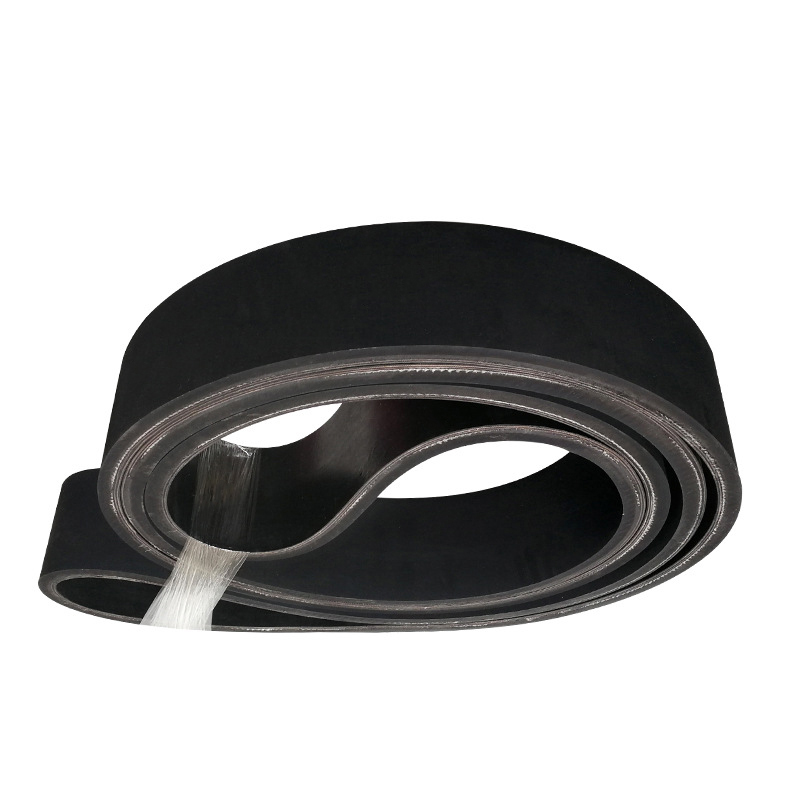
At first glance, a conveyor belt might look like a simple strip of black rubber. However, the engineering involved in the latest generation of these products is remarkably sophisticated. The modern conveyor belt is far more than just a moving floor; it is a precision-engineered tool composed of three primary components: the Surface Adhesive, the Cloth Layer Core, and the Interlayer Adhesive Layer.
To truly understand why these belts are outperforming traditional models, we must look at the internal anatomy of the product.
1. The Surface Adhesive: Your First Line of Defense
The outer shell, or surface adhesive, is the part of the belt that directly interacts with the cargo and the environment. By blending high-quality natural rubber with advanced synthetic rubber, manufacturers have created a "skin" that is nearly impenetrable to common industrial hazards.
-
Natural Rubber provides the necessary elasticity and grip.
-
Synthetic Rubber adds specialized resistance to chemicals, oils, and extreme temperatures.
This combination ensures that whether you are transporting jagged rocks in a mining pit or oily mechanical parts in a factory, the belt remains intact.
2. The Cloth Layer Core: The Skeleton of the Belt
If the surface adhesive is the skin, the cloth layer core is the skeleton. This core provides the tensile strength required to pull tons of weight without stretching or snapping. Utilizing a mix of natural and chemical fibers, the core undergoes a rigorous "single-step treatment" process. This ensures that the fibers are perfectly aligned and ready to bond seamlessly with the surrounding rubber.
3. The Adhesive Layer: The Glue That Holds It All Together
In a belt that is constantly flexing around rollers and pulleys, the risk of "delamination" (the layers peeling apart) is high. The internal adhesive layer is specifically designed to manage buckling stress. By reducing internal fatigue, this layer ensures the belt can endure millions of cycles without losing its structural integrity.
Enhanced Protection for High-Impact Environments
One of the most exciting updates in recent conveyor technology is the introduction of the Buffer Cloth. In many industrial setups, materials are dropped onto the belt from significant heights. This "impact zone" is usually where most belts fail.
By adding a specialized buffer cloth layer, the belt acts like a shock absorber. This layer dissipates the energy of the falling object, preventing the sharp edges of heavy materials from piercing through the core. It is a game-changer for heavy-duty mining and construction applications.
Technical Performance Overview
Customization: Meeting Diverse Global Demands
No two factories are exactly alike, and neither are their conveyor needs. The current market trend is moving away from "one size fits all" solutions. Today, clients can request specific thicknesses ranging from 2.0 mm to 8.0 mm, depending on the intensity of their operations.
Understanding Thickness and Application
Why Quality Matters: The Hidden Costs of Cheap Belting
In an effort to save on initial capital expenditure, some companies opt for low-quality belts. However, industry experts warn that the "cost per ton" is the only metric that truly matters. A cheaper belt might save money today, but if it snaps or wears out in six months, the resulting downtime can cost a company tens of thousands of dollars in lost production.
The high-performance Rubber Conveyor Belt mentioned in this report focuses on "internal stress reduction." This means that as the belt travels around the head and tail pulleys, the internal layers do not rub against each other with high friction. Less friction means less heat, and less heat means a much longer life for the rubber.
Key Advantages at a Glance:
-
Cracking Resistance: Prevents small surface nicks from turning into major tears.
-
Aging Resistance: The rubber does not become brittle when exposed to UV light or oxygen over long periods.
-
Cold Resistance: Remains flexible even in sub-zero environments, preventing the belt from snapping upon startup.
The Production Process: Mature Technology for Modern Needs
The secret to the high adhesion between the rubber and the fiber core lies in the "Mature Process Treatment." In the past, getting rubber to stick to synthetic fibers like polyester or nylon was a challenge. Modern manufacturing uses a chemical dipping process that creates a molecular bond between the fabric and the rubber. This results in a unified, monolithic structure that handles tension better than ever before.
Furthermore, the use of Natural Fiber in the core allows for excellent flexibility, while Chemical Fiber (like Polyester) provides the low-stretch properties needed for long-distance conveyors. The combination of the two provides a "best of both worlds" scenario.
Looking to the Future: Sustainability and Efficiency
As the world moves toward "Green Manufacturing," the longevity of industrial components becomes a sustainability factor. By creating a Rubber Conveyor Belt that lasts twice as long as previous generations, manufacturers are reducing waste and the carbon footprint associated with producing replacement parts.
Additionally, the smooth operation and reduced internal friction of these belts mean that the motors driving the conveyor systems require less electricity to move the same amount of weight. It is a win-win for both the environment and the bottom line.
The evolution of the conveyor belt is a testament to how even the most "standard" industrial tools can be perfected through better chemistry and engineering. From the acid-resistant surface to the fatigue-resistant adhesive layer, every millimeter of the modern belt is designed to perform.
For businesses looking to upgrade their infrastructure, the message is clear: investing in a high-quality, customizable, and impact-resistant conveyor solution is no longer an option—it is a necessity for staying competitive in a demanding global market.



 中文简体
中文简体