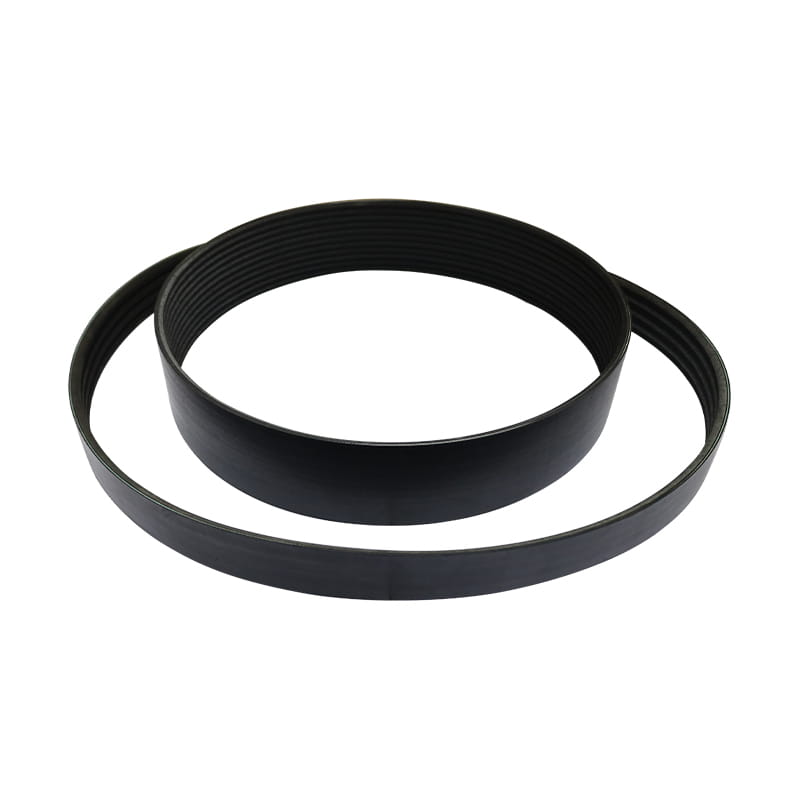
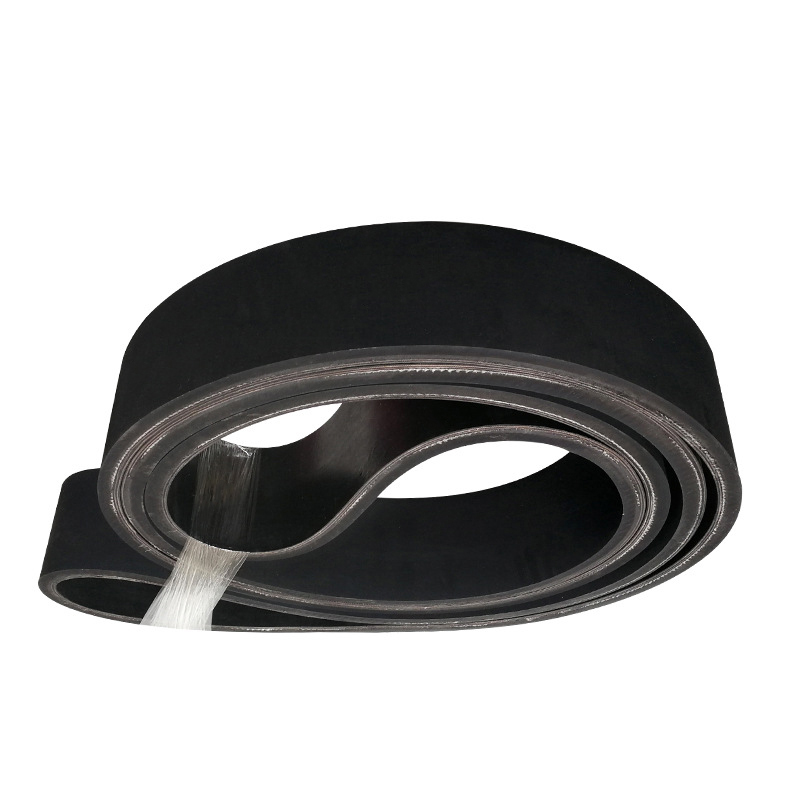
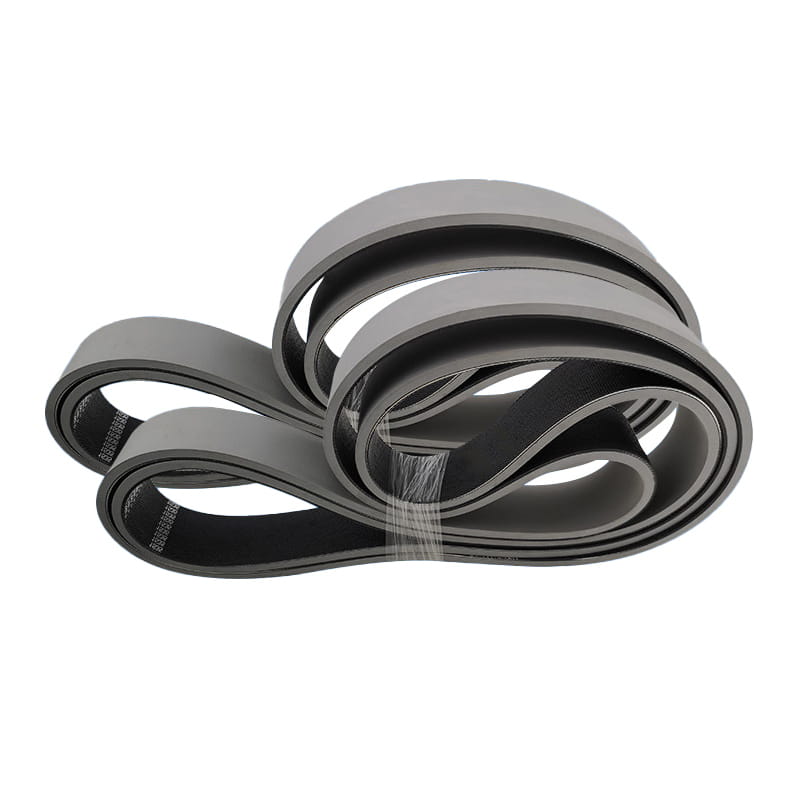
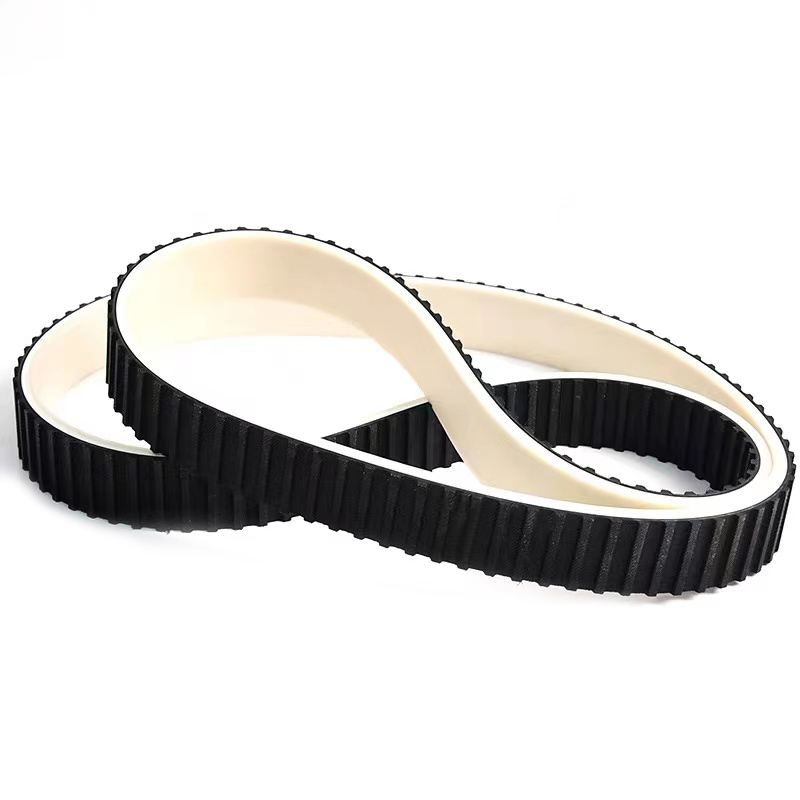
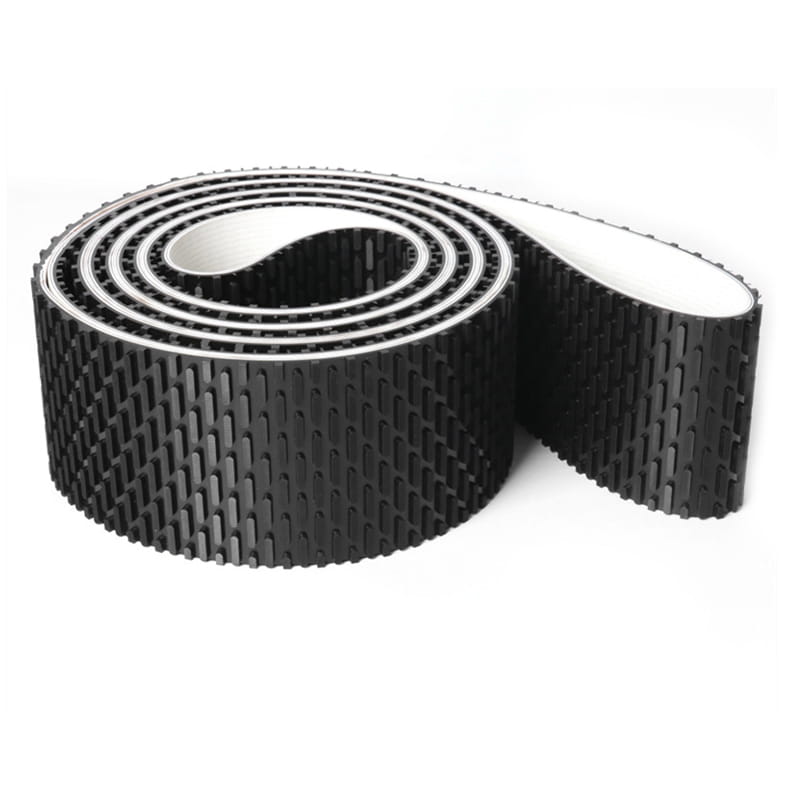
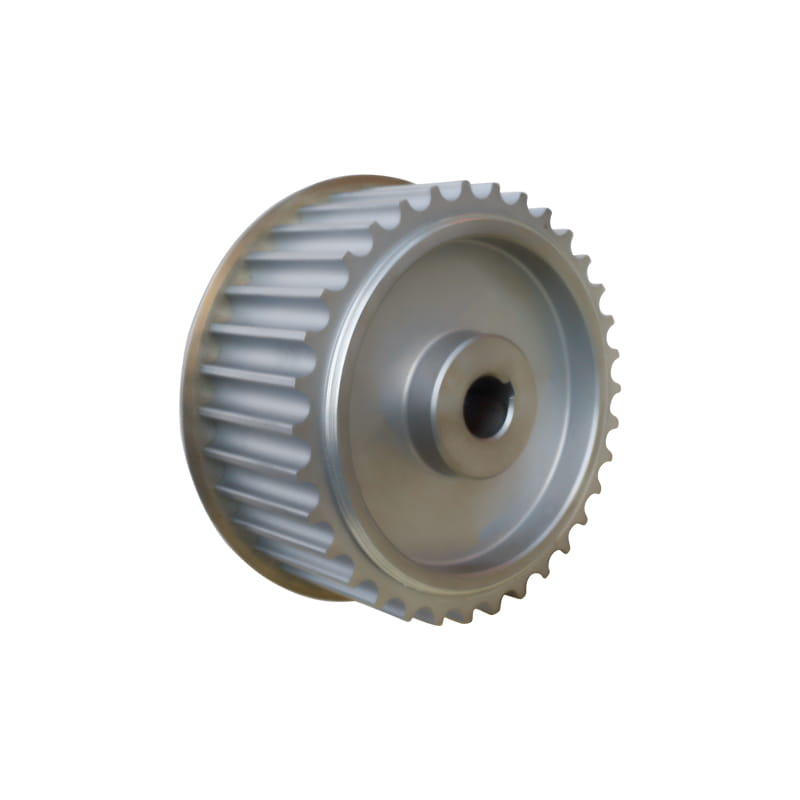
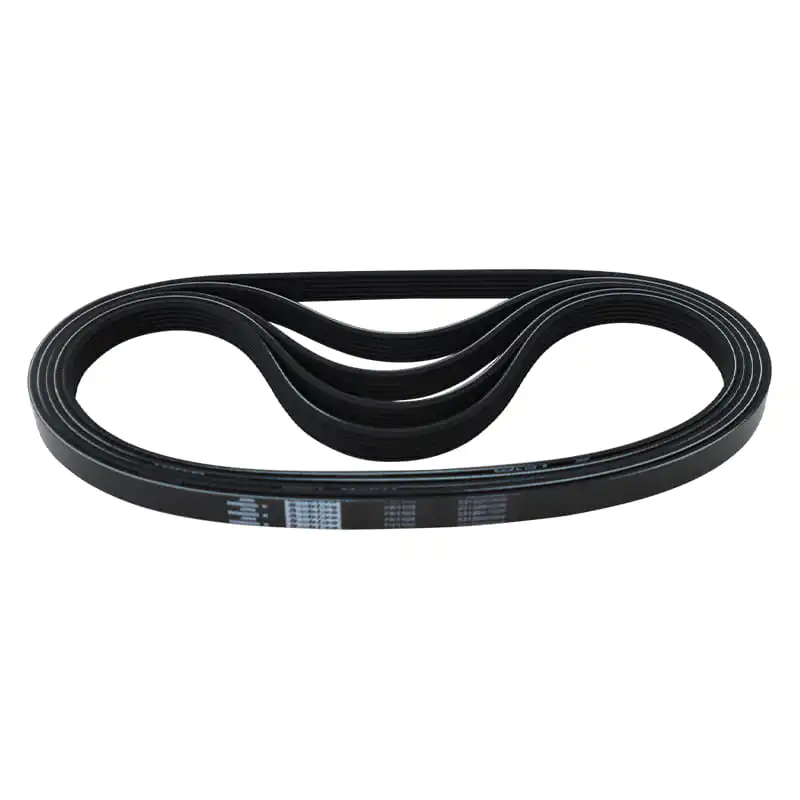
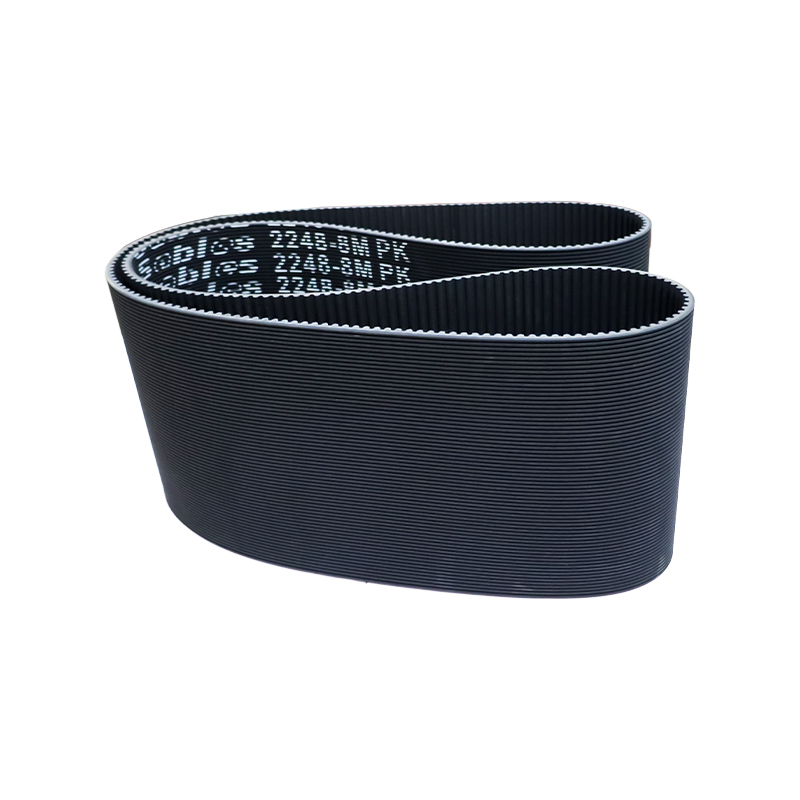
In the rapidly evolving world of industrial automation, the demand for components that combine speed, durability, and precision has never been higher. Manufacturers are moving away from traditional linked belts toward more integrated solutions. At the forefront of this shift is the Endless Rubber Flat Belt, a powerhouse of efficiency designed to meet the rigorous demands of high-speed transmission and conveying systems.
As industries like textile production, woodworking, and automated vending continue to scale, the need for a belt that offers "zero-weak-points" has become a priority. Unlike traditional belts that are spliced or joined together, endless belts are manufactured as a single, continuous loop, offering a level of stability that was previously unattainable.
The Engineering Behind the Seamless Design
The core philosophy of an endless belt lies in its structural integrity. In high-speed environments, the "joint" or "splice" in a standard belt is often the first point of failure. It creates vibration, noise, and a rhythmic pulse that can interfere with delicate machinery.
The Endless Rubber Flat Belt eliminates these issues entirely. By utilizing a seamless construction process, the belt ensures that power is distributed evenly across its entire circumference. This design is particularly crucial for "high-speed and smooth" operations where even a micro-millimeter of deviation can lead to product defects or mechanical wear.
Why "Endless" Matters
-
Reduced Vibration: No joints mean no "jump" when the belt passes over a pulley.
-
Constant Tension: Without a seam to stretch or fray, the belt maintains its grip and tension for much longer periods.
-
Quiet Operation: Essential for indoor environments like ticket vending machines or food processing plants.
Technical Specifications and Performance Metrics
To help procurement managers and engineers understand why this belt is a preferred choice, we have broken down the primary characteristics and performance expectations in the table below.
Product Performance Overview
| Feature |
Performance Level |
Benefit to User |
| Tensile Strength |
Extra High |
Prevents snapping under heavy loads or sudden starts. |
| Elongation Rate |
Minimal (<0.5% under load) |
Reduces the need for frequent re-tensioning. |
| Speed Capacity |
Up to 100 m/s |
Ideal for high-rpm grinding and textile spindles. |
| Surface Friction |
Optimized Rubber Compound |
Ensures maximum power transfer with zero slippage. |
| Flexibility |
High Dynamic Fatigue Resistance |
Allows for use with small-diameter pulleys. |
Versatility Across Diverse Industries
One of the most impressive aspects of these flat belts is their wide-ranging scope of application. They are not limited to a single niche; rather, they serve as the "veins" of various industrial giants.
1. The Textile Industry
In textile machinery, speed is the name of the game. Spinning frames and twisting machines require belts that can handle thousands of revolutions per minute without generating heat or losing grip. The low-extension properties of these belts ensure that the yarn tension remains consistent, which is vital for the quality of the final fabric.
2. Precision Woodworking
Woodworking machinery, such as sanders and planers, requires a perfectly smooth transmission to avoid "chatter marks" on the wood surface. The vibration-free nature of the flat belt ensures a flawless finish on every piece of timber.
3. Food Processing and Agriculture
From vegetable cutting machines to specialized conveyors, the flat belt provides a hygienic and efficient way to move and process goods. Because the rubber is resistant to various oils and environmental factors, it remains durable even in demanding food-grade environments.
4. Automated Service Terminals
You might not see them, but these belts are the silent workers inside ticket vending machines and ATMs. They facilitate the smooth, jam-free movement of paper, tickets, and currency, where reliability is the only metric that matters.
Key Characteristics That Drive Efficiency
When choosing a transmission belt, engineers look for three primary factors: Stability, Strength, and Longevity. The modern flat belt excels in all three.
High-Speed Stability
At high speeds, centrifugal force can cause some belts to "lift" off the pulley. The unique rubber compound and internal reinforcement of our flat belts ensure they stay hugged to the pulley, maintaining a constant gear ratio and preventing energy loss.
Low Elongation (Anti-Stretch)
"Stretch" is the enemy of productivity. If a belt stretches, the machine loses timing and efficiency. Our belts are built with specialized internal fibers that provide high tensile strength while remaining almost entirely resistant to stretching. This "set-and-forget" reliability means fewer maintenance hours and more production hours.
Visual Guide to Belt Construction
| Layer |
Material Purpose |
| Top Layer |
Protects against dust, oil, and abrasion. |
| Core Layer |
Provides the "muscle" (tensile strength) to pull heavy loads. |
| Base Layer |
Specifically textured for maximum grip on the pulley surface. |
Maximizing the Lifespan of Your Belt
While the Endless Rubber Flat Belt is built for durability, following best practices can extend its service life even further.
-
Pulley Alignment: Ensure that your pulleys are perfectly aligned. Even though flat belts are forgiving, alignment reduces edge wear.
-
Cleanliness: Keep the belt path free of large debris. While the rubber is resistant to many elements, preventing grit buildup will maintain the friction coefficient.
-
Proper Tensioning: During installation, use a tension gauge to hit the "sweet spot" identified by the machine manufacturer. Because the belt has low extension, you won't need to tighten it as often as a V-belt.
The Future of Transmission: Going Flat
As machines become more compact and energy-efficient, the industry is seeing a massive trend toward flat belt systems over traditional V-belts or chains. Flat belts are thinner, more flexible, and lose less energy to internal friction (bending resistance). This leads to cooler running temperatures and lower electricity bills for the factory.
Whether you are designing a high-speed grinder or a high-volume vegetable processor, the transition to high-performance rubber flat belts is a step toward a more reliable, quieter, and more profitable operation.
Why Choose Us?
Our commitment to quality ensures that every belt leaving the factory meets strict international standards for tensile strength and dimensional accuracy. We understand that your production line is only as strong as its weakest link—and with our endless belts, that link doesn't exist.
A Small Component with a Big Impact
In the grand scheme of a massive factory, a belt might seem like a small detail. However, it is the crucial link that turns raw power into precise movement. The Endless Rubber Flat Belt represents the pinnacle of this technology—combining the raw strength needed for heavy machinery with the delicate touch required for high-speed precision.
By investing in high-quality transmission components, companies can reduce downtime, lower maintenance costs, and improve the overall quality of their output. It is not just a belt; it is a guarantee of performance.



 中文简体
中文简体