

 中文简体
中文简体


In the world of mechanical power transmission, the debate over Which is better, V belt or flat belt? has persisted for decades. Choosing the right drive belt is not just a matter of preference; it directly impacts the efficiency, maintenance costs, and lifespan of your machinery. Whether you are operating heavy industrial crushers or high-speed precision equipment, understanding the fundamental differences between these two is crucial.
Understanding the Fundamentals: V Belt vs. Flat Belt
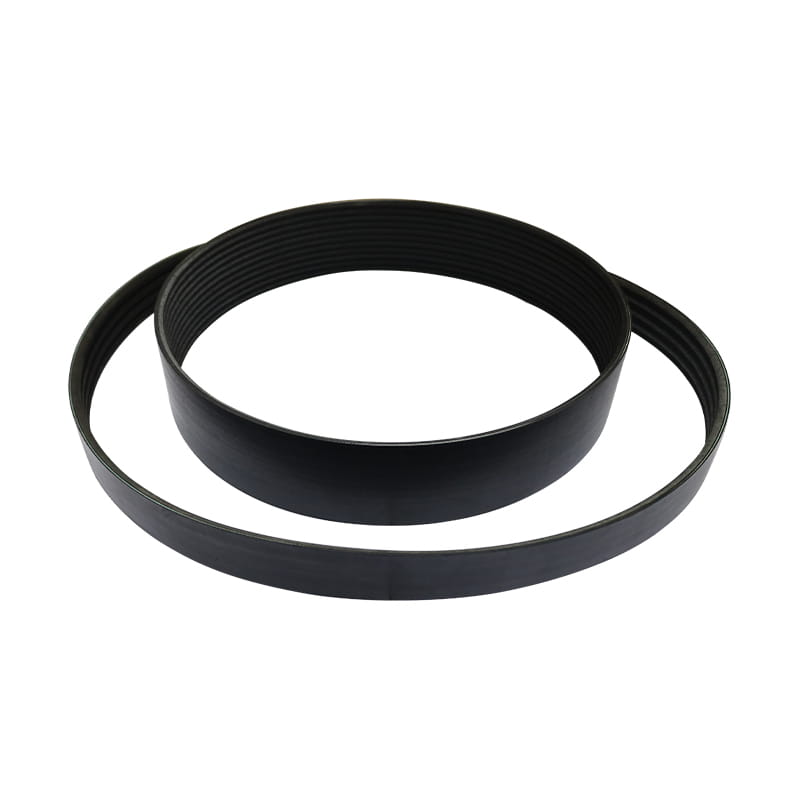
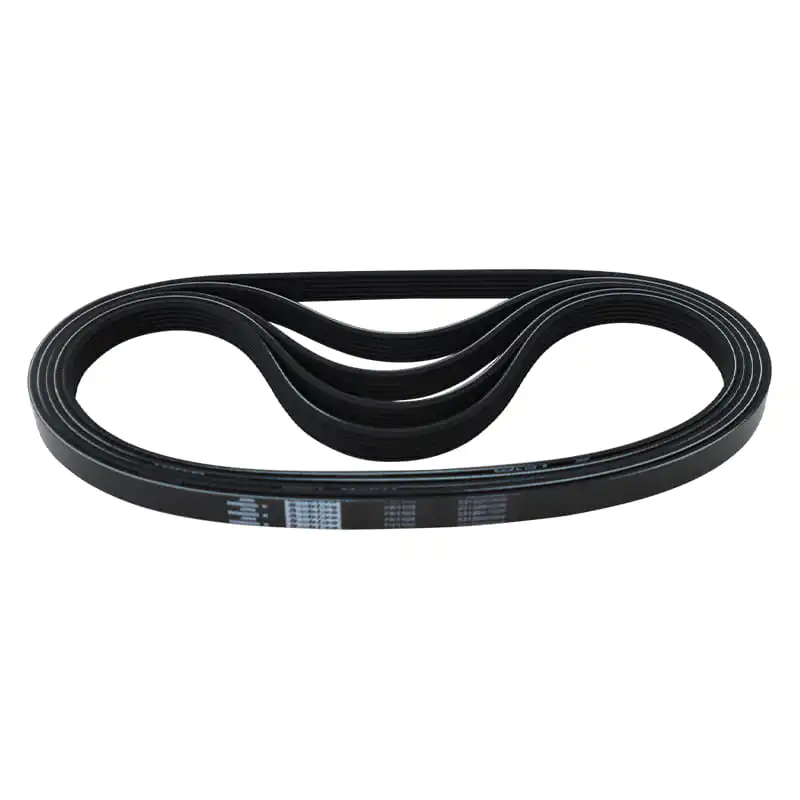
Before diving into the "better" choice, we must define what makes each belt unique. The V belt is characterized by its trapezoidal cross-section, which allows it to "wedge" into the grooves of a pulley. This wedging action provides significant frictional force and torque.
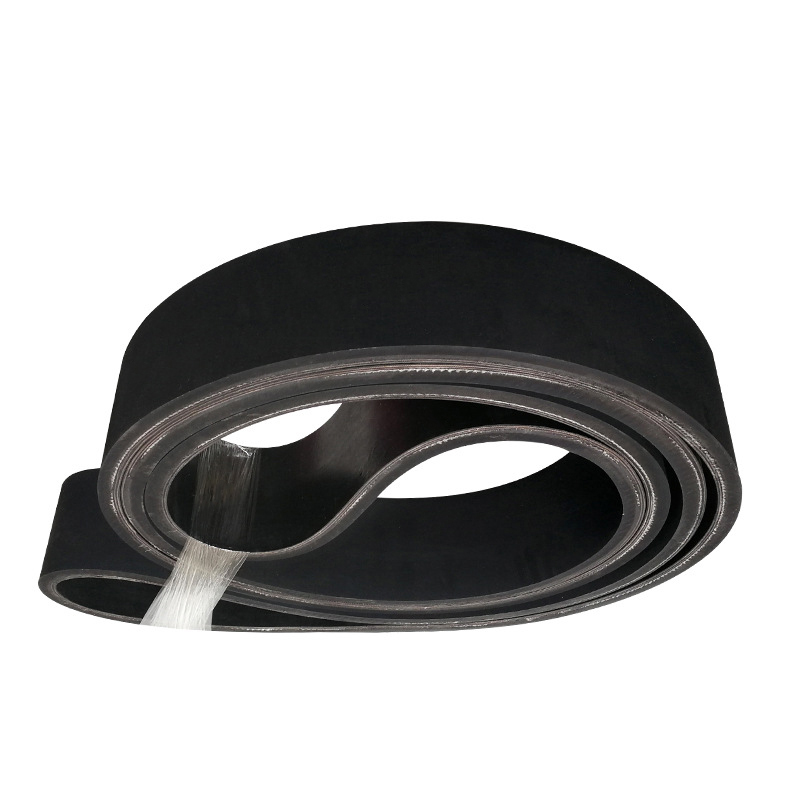
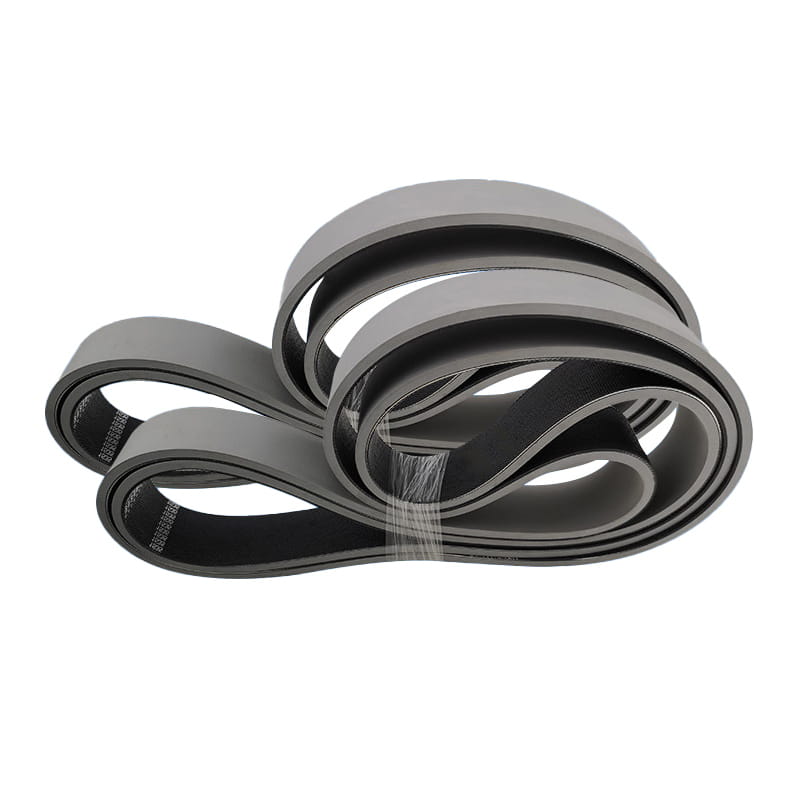
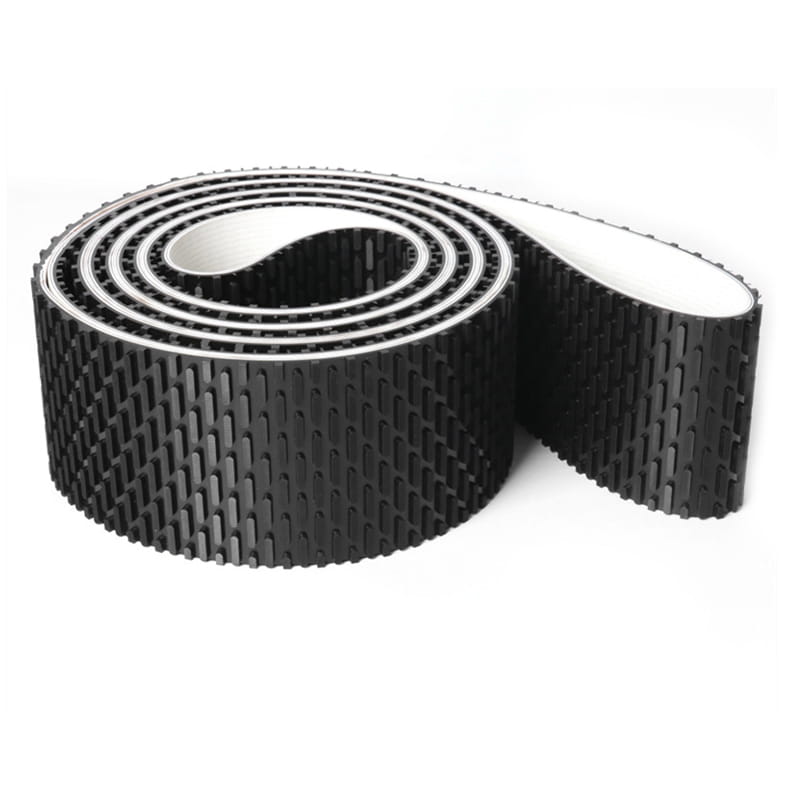
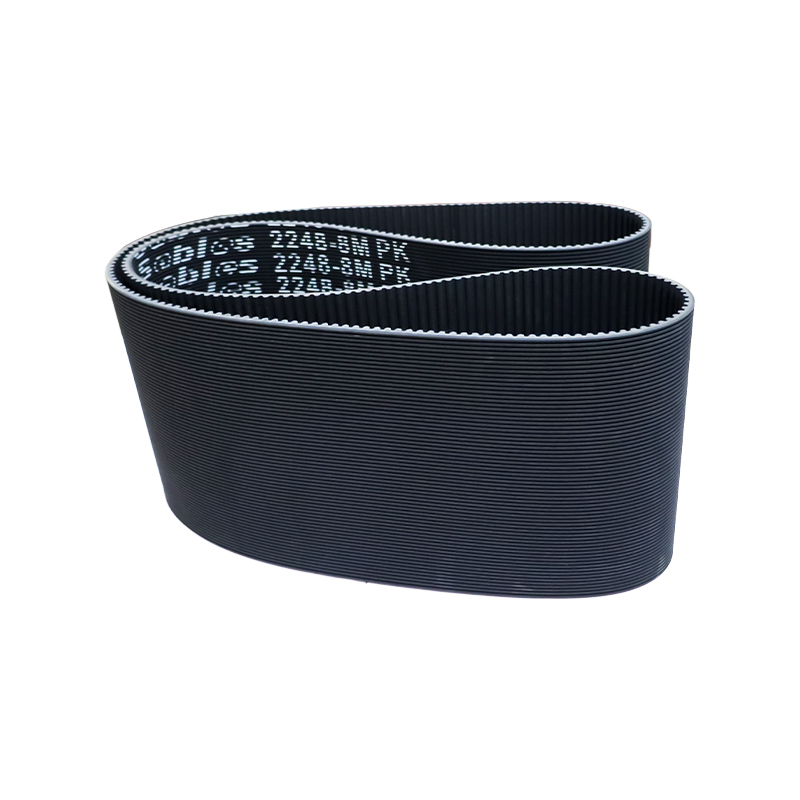
On the other hand, the flat belt is exactly what it sounds like—a thin, flat strip of material (traditionally leather, now reinforced polymers) that relies on high tension and surface friction to transmit power. While it might seem like "old technology," modern flat belts are highly engineered components used in many high-speed applications.
Key Factors: Performance and Efficiency
1. Power Transmission Efficiency
When asking Which is better, V belt or flat belt? in terms of energy savings, the flat belt often takes the lead. Because flat belts are thinner and more flexible, they suffer from less internal friction and heat buildup during bending. Modern high-performance flat belts can reach an efficiency of up to 98%.
V belts, while incredibly powerful, lose energy due to the "wedging" and "un-wedging" process as they enter and exit the pulley. This typically results in an efficiency range of 90% to 95%. For large-scale operations, a 3% difference in power transmission efficiency can translate into thousands of dollars in annual energy savings.
2. Torque and Load Capacity
If your application requires high torque at low speeds, the V belt is the undisputed champion. The trapezoidal shape creates a mechanical advantage through the wedge effect, allowing it to handle heavy shock loads without slipping. This makes V belts ideal for industrial compressors, agricultural machinery, and HVAC systems.
Installation and Maintenance Considerations
From a maintenance perspective, the two systems require different approaches:
- V Belt Maintenance: These belts require precise pulley alignment and periodic tensioning. They are prone to "stretching" during the initial break-in period. However, they are easier to replace in multi-belt systems where redundant power is needed.
- Flat Belt Maintenance: Flat belts require extremely high tension to prevent slippage. This can put additional radial load on the bearings. However, they do not suffer from the "matching" issues that occur when one belt in a V-belt set wears out faster than the others.
The "Space" Factor: Center Distance and Pulley Size
The geometry of your machine often dictates the answer to Which is better, V belt or flat belt?
V belts are preferred for short center distances. Because of their grip, they don't need a long span to build friction. Conversely, flat belts are excellent for long-distance power transmission and can even be used in "twisted" configurations to drive pulleys at different angles or directions.
Furthermore, if your design uses small diameter pulleys, the flexibility of the flat belt is superior. Thick V belts can crack or overheat if forced around a pulley that is too small for their cross-section.
Pros and Cons Comparison Table
| Feature | V Belt | Flat Belt |
|---|---|---|
| Efficiency | 90-95% (Lower) | 96-98% (Higher) |
| Torque | High (Wedge effect) | Moderate |
| Speed | Moderate | Very High (Up to 100m/s) |
| Noise Level | Noisy if slipping | Generally Quieter |
Industry Applications: Making the Choice
When to Choose a V Belt:
You should opt for a V belt system if your project involves heavy-duty industrial equipment. They are the standard for pumps, fans, and power tools. Their ability to handle misalignment slightly better than flat belts makes them a "forgiving" choice for rugged environments.
When to Choose a Flat Belt:
The flat belt is the "better" option for textile machinery, grinders, and high-speed centrifuges. If your priority is precision, vibration-free operation, and high-speed efficiency, the flat belt is your go-to solution. They are also common in conveyor systems where the flat surface is used to move products directly.
Common Myths: Does "Old" Mean "Obsolete"?
A common misconception in industrial SEO circles and engineering forums is that flat belts are outdated. This is far from the truth. While the V belt revolutionized the 20th-century factory by allowing for more compact machine designs, modern synthetic flat belts have reclaimed their position in high-tech manufacturing.
The cost-effectiveness of a V belt usually comes from the lower initial cost of components and wide availability. However, the total cost of ownership (TCO) of a flat belt system might be lower over 5 years due to the reduced energy consumption and longer service intervals.
Final Verdict: Which Is Better?
There is no single "winner." The answer to Which is better, V belt or flat belt? depends entirely on your specific requirements:
- Choose V Belts for: High torque, compact spaces, heavy shock loads, and budget-friendly initial setup.
- Choose Flat Belts for: Maximum energy efficiency, high-speed applications, low vibration, and long-term electricity savings.