


HOME / News / The Ultimate Guide to Selecting a Synchronous Pulley: Enhancing Driven System Efficiency

News

The Ultimate Guide to Selecting a Synchronous Pulley: Enhancing Driven System Efficiency

In the world of mechanical power transmission, the efficiency of a driven device system hinges on the precision of its components. Among these, the synchronous pulley stands as a critical element. Designed to ensure perfect coordination with the timing belt, these pulleys are the backbone of accuracy and longevity in modern industrial applications. Whether you are looking for high-speed performance or high-torque stability, understanding the nuances of synchronous pulleys is essential.

Why Precision Matters in a Synchronous-Driven Device System

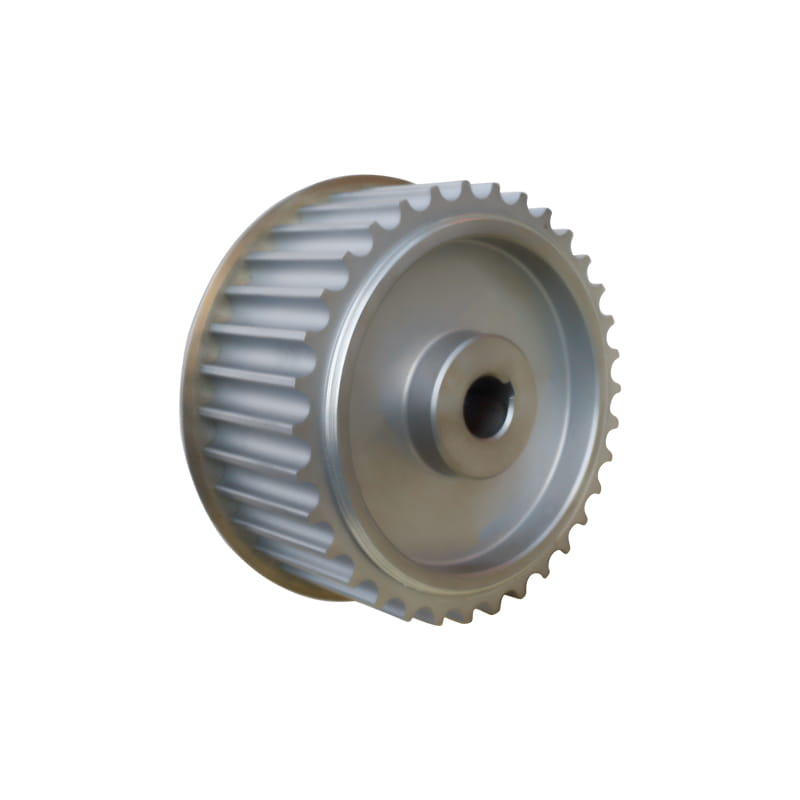
A synchronous pulley is not just a simple wheel; it is a precision-engineered component with teeth that mesh seamlessly with a timing belt. This positive engagement eliminates the slippage often associated with standard V-belts. By maintaining a constant speed ratio, these pulleys ensure that the driven system operates with maximum accuracy.

The primary goal of any synchronous-driven device system is to enhance the lifetime of both the belt and the pulley itself. When the coordination between these two components is optimized, friction is minimized, heat buildup is reduced, and the risk of premature failure is significantly lowered. This reliability is why they are indispensable in sectors ranging from robotics to heavy manufacturing.

Versatile Scope of Application

One of the most remarkable features of the synchronous pulley is its versatility. Our products apply to each field of the synchronous-driven device system, including but not limited to:

  • Automotive Engineering: Precision timing in engine overhead cams.
  • Automated Logistics: Conveyor systems requiring synchronized movement.
  • Medical Equipment: High-precision diagnostic machines where silent operation is key.
  • Food Processing: Systems requiring stainless steel components for hygiene and corrosion resistance.
  • 3D Printing and CNC: Achieving micron-level accuracy in linear motion.

Customization: Material Matters for Your Synchronous Pulley

Different environments demand different materials. According to customer requirements, we provide customization optimum driven solutions by utilizing a wide array of high-quality materials. Choosing the right material is the first step in maximizing the ROI of your machinery.

1. 45# Steel Synchronous Pulley

For heavy-duty applications, 45# steel is often the preferred choice. Known for its excellent strength and toughness, steel pulleys can withstand high torque and provide superior wear resistance. They are ideal for industrial machinery where durability is non-negotiable.

2. Aluminium Alloy

When weight is a factor, aluminium alloy is the go-to material. These pulleys offer a high strength-to-weight ratio, making them perfect for high-speed applications like robotics and office equipment. Their natural corrosion resistance is also a significant plus.

3. Stainless Steel

In environments exposed to moisture or chemicals, stainless steel pulleys are essential. They provide maximum resistance to rust and oxidation, ensuring the synchronous pulley remains functional in harsh sanitary or marine conditions.

4. Cast Iron and Nylon

For large-scale industrial drives, cast iron offers cost-effectiveness and stability. On the other end of the spectrum, nylon pulleys provide a lightweight, quiet, and self-lubricating solution for light-load applications.

How to Optimize Your Synchronous-Driven System

Optimization goes beyond just selecting a material. To truly enhance the accuracy and lifetime of the driven system, several factors must be considered during the design phase:

  1. Pitch Alignment: Ensure the tooth profile (e.g., GT2, HTD, T-Series) perfectly matches your belt specifications.
  2. Tension Control: Proper tensioning prevents "tooth jumping" and extends the belt's life.
  3. Surface Treatment: Options like black oxidation or anodizing can further protect the synchronous pulley from environmental wear.

The Benefits of Customization

No two industrial systems are exactly alike. That is why offering customization optimum driven solutions is at the core of our service. By tailoring the bore size, flange configuration, and tooth count, we help our clients achieve:

  • Reduced mechanical noise.
  • Improved energy efficiency.
  • Minimized maintenance downtime.
  • Perfect fitment within compact machine enclosures.

Conclusion

The synchronous pulley is a small component with a massive impact on your operation's success. By choosing the right material—be it 45# steel, aluminium alloy, or stainless steel—and focusing on a customized solution, you ensure that your synchronous-driven device system remains efficient and reliable for years to come.

Ready to optimize your drive system? Contact us today for a tailored quote on high-precision synchronous pulleys.

Products Recommended

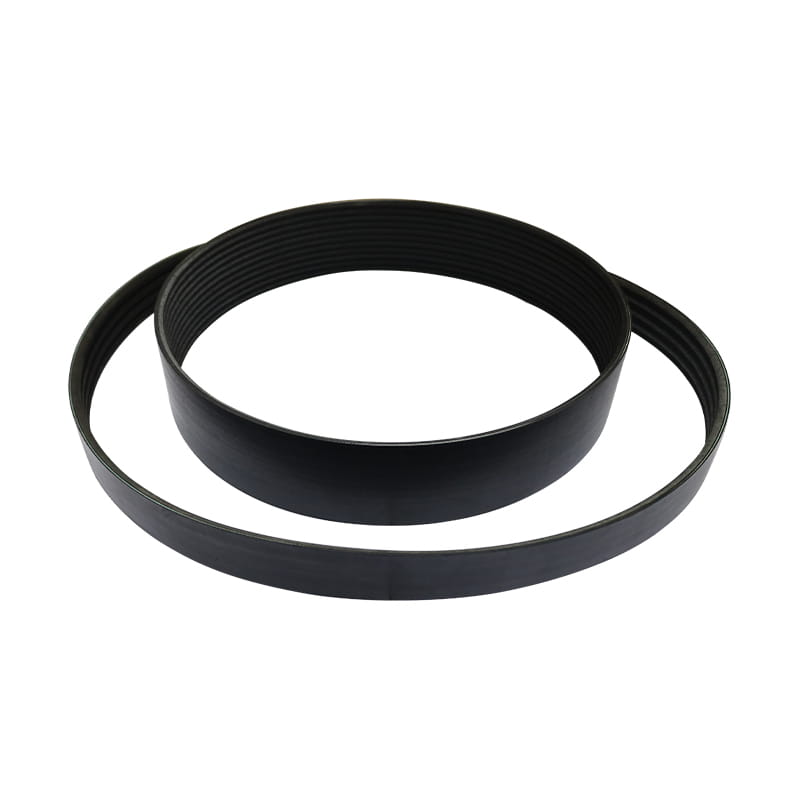
  • Rubber Wide - Angle Belt
    Rubber Wide - Angle Belt
    The wide-angle belt is a new type of industrial transmission belt developed on the basis of the general industrial V-belt technology.
    They are all driven by the friction diagram on both sides of the belt. The wedge angle of the general V-belt is 40° and the wedge angle
    of the wide-angle transmission belt is 60°.
    According to the principle of transmission dynamics, as the wedge angle of the wide-angle belt increases, the area supported by the
    two transmission sides naturally increases, thus giving rise to the following advantages over the general V-belt:
    1. The load of the wide-angle belt is evenly distributed and the wear resistance is improved.
    2. The contact area between the belt and the pulley increases and the transmission force is increased.
    3. It improves the concave deformation of the drive belt core and strengthens the drive characteristics.
    4. After the wide-angle belt is installed and used, the problem of belt tension drop is improved.
    It is the above-mentioned advantages of the wide-angle belt that are widely used and affirmed by the precision machinery industry.
    View More
  • Rubber Conveyor Belt
    Rubber Conveyor Belt
    The conveyor belt is composed of surface adhesive, core, and layer glue. In addition, a layer of buffer cloth can be added to the use of high drop impact to make it more impact-resistant.

    The surface adhesive
    With natural rubber and synthetic rubber as raw materials and in order to enhance wear resistance, crack resistance, aging resistance, and other properties, the surface adhesive has various characteristics such as wear resistance, cutting resistance, heat resistance, flame resistance, cold resistance, acid and alkali resistance, oil resistance, static electricity resistance and so on.
    Cloth layer core
    The cloth layer is composed of natural fiber or chemical fiber alone or a combination of the two, has the same quality after single-step treatment by a mature process, And has good adhesion with rubber.
    The adhesive layer
    The adhesive layer is very important for the adhesive force between the layers of the core of the conveyor belt that is repeatedly flexed. Especially for high-tension conveyor belts, a layer of adhesive with less buckling stress and less fatigue due to internal stress must be used.
    Specifications and models can be customized according to customer requirements, with a thickness ranging from 2.0 mm to 8.0 mm.
    View More
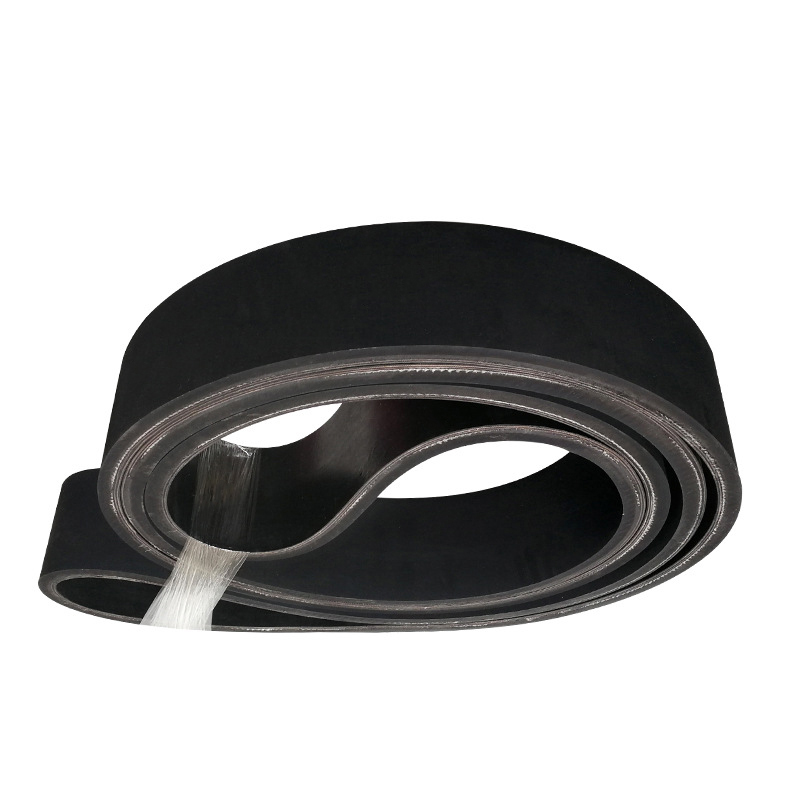
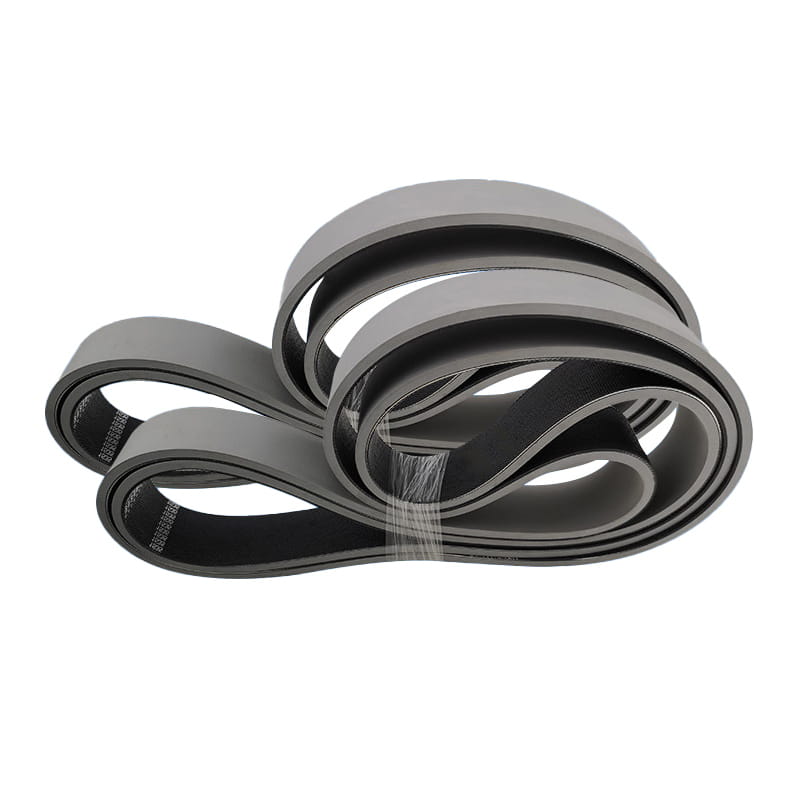
  • Endless Rubber Flat Belt
    Endless Rubber Flat Belt

    Belt type:
    FH FL FM
    Scope of application:

    High-speed, smooth, and low-extension transmission and conveying systems, such as textile machinery, woodworking machinery, grinding machinery, ticket vending machines, vegetable cutting machines, etc.
    Characteristics:
    High speed and stability, high tensile strength, and low elongation.
    View More
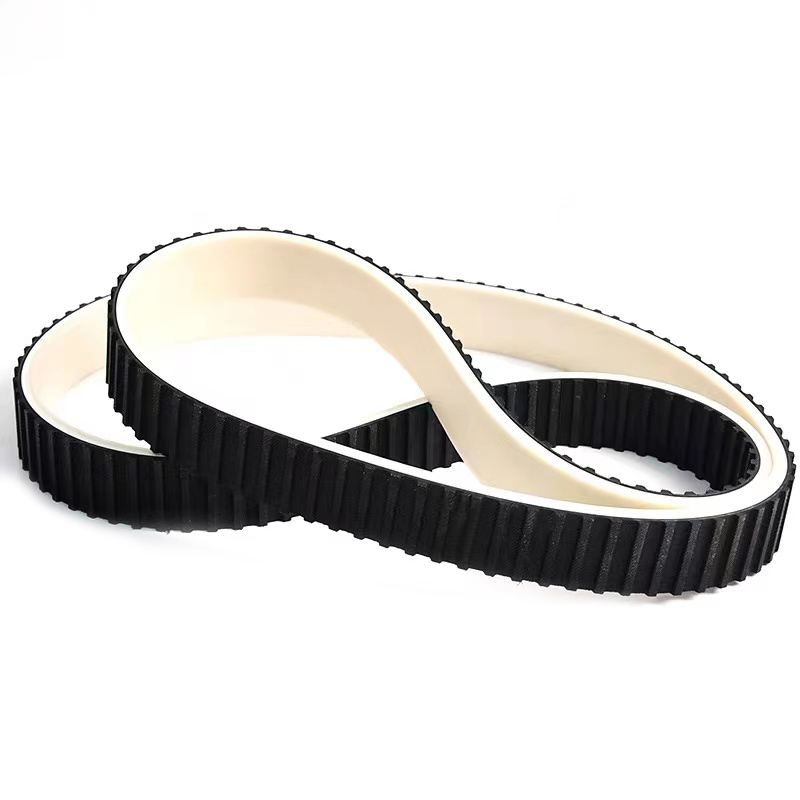
  • Silicone Belt
    Silicone Belt

    Belt type:
    Integrated Vulcanized Silicone Flat Belt and Silicone Synchronized Belt
    Scope of application:

    Sanitary products industry, glass machinery, sealing machine, etc.
    Characteristics:
    Anti-sticking, high friction coefficient, and high-temperature resistance.
    View More
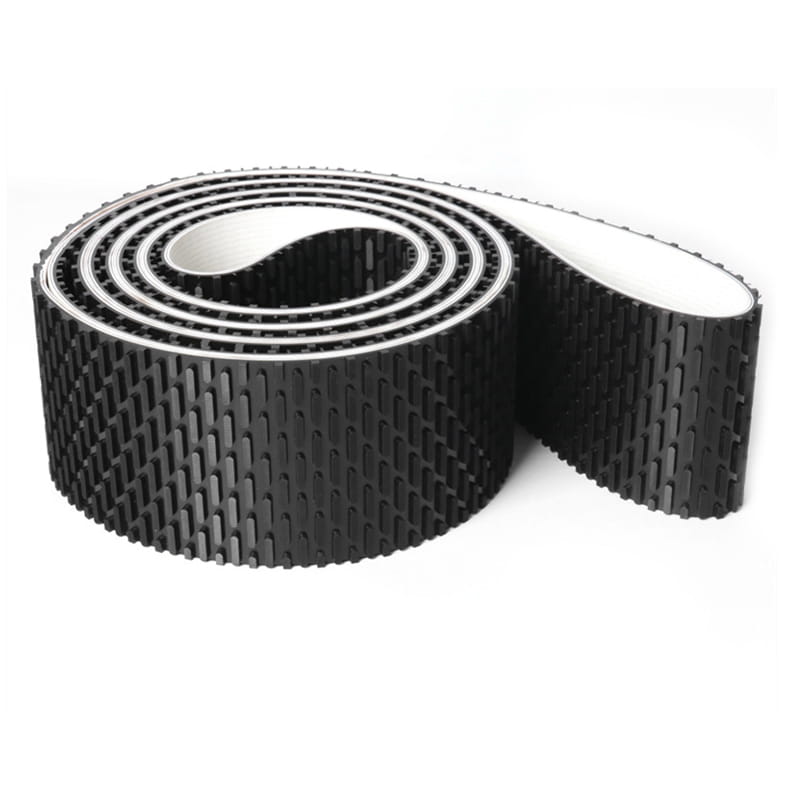
  • Endless Rubber Sanding Machine Belt
    Endless Rubber Sanding Machine Belt
    The seamless rubber band produced by woodworking machinery can be used for sanding, correcting, and trimming core materials, planing wood boards, laminated boards, plastic laminated boards, and other machines, and can help the surface to be perfectly machined and selected.
    Its special technology lies in the manufacturing method and produces the required size jointless belt. We not only strictly control the quality, but also insist on using imported materials in order to make our sander belt have better performance.

    All parts of thickness and strength are absolutely uniform.
    It has a good linear operation.
    High flexibility can be used for small wheel diameters.
    It can maintain flatness and non-deformability under working pressure.
    The friction coefficient between the bottom of the belt and the plate surface is very low.
    Because the surface layer of the belt is covered with rubber, the adhesiveness is improved and the stability of the conveyor belt is improved.
    View More
  • Synchronous Pulley
    Synchronous Pulley

    Scope of application:

    Apply to each field of the synchronous-driven device system.
    Characteristics:
    Ensure coordination with the belt, to enhance the accuracy and lifetime of the driven. According to customer requirements, customization optimum driven solution can divided into 45# steel, aluminium alloy, stainless steel, cast iron, nylon, etc, according to the material.
    View More
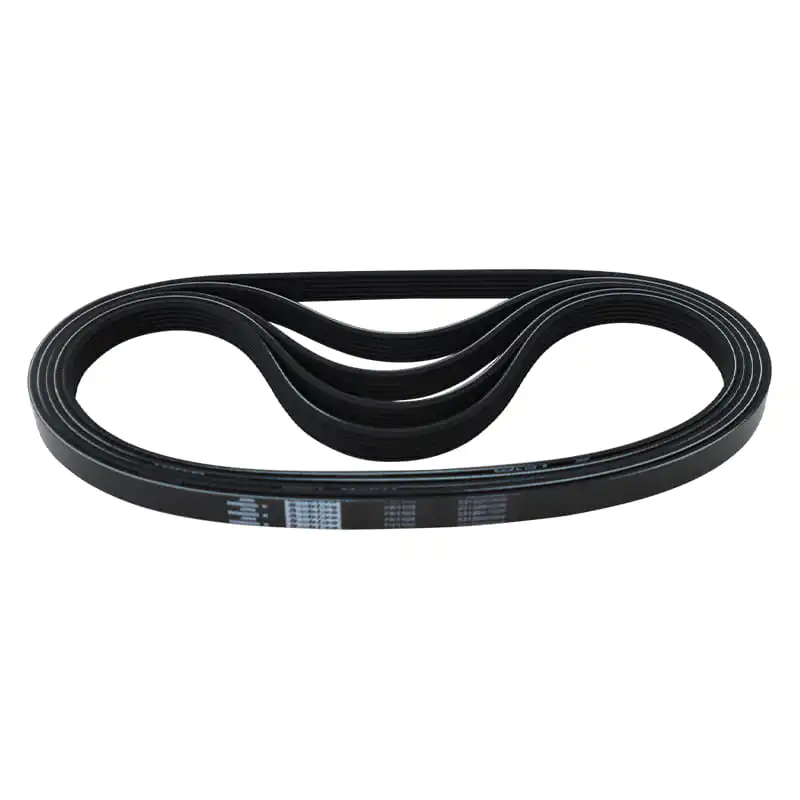
  • Ribbed Belt
    Ribbed Belt

    Belt type:
    PHPJPKPLPM
    Scope of application:

    It is suitable for outdoor transmission equipment, transportation equipment, medical equipment, electric tools, household appliances, and sports equipment.
    Characteristics:
    1. The transmission power of the ribbed belt is higher than that of an ordinary V-belt by 30 % when the space is the same. 
    2. The transmission system of the ribbed belt has a compact structure, and under the same transmission power, the space occupied by
    the transmission device is 25 % smaller than that of the common V-belt.
    3. The ribbed belt is thin and flexible and is suitable for transmission with a small pulley diameter and high-speed transmission, with belt
    speed up to 40m/ s; Small vibration, less heat, and stable operation.
    4. The ribbed belt is heat-resistant, oil-resistant, and wear-resistant, with small elongation and a long service life.
    View More
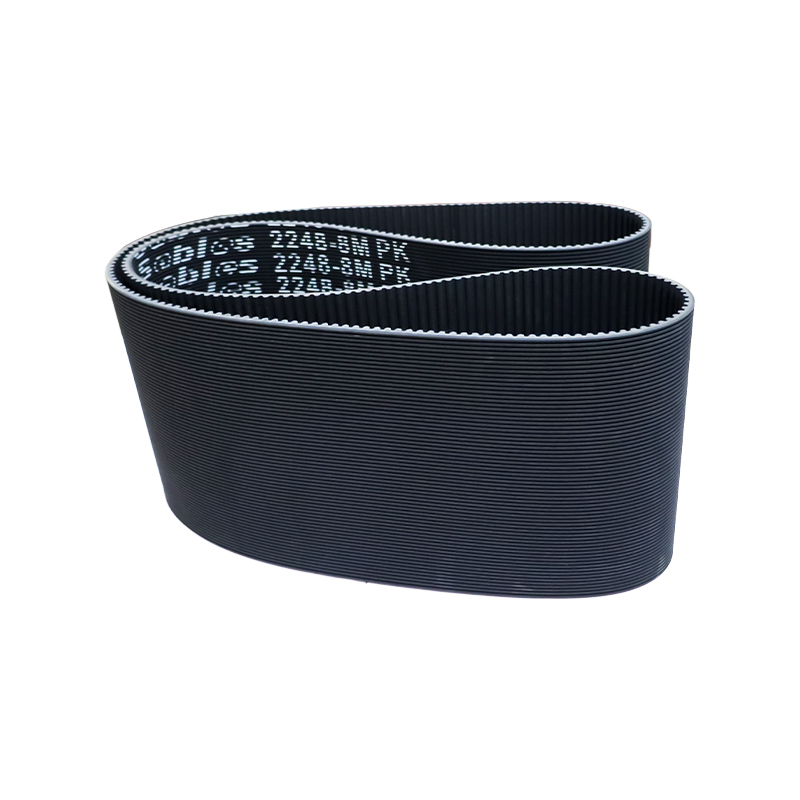
  • Toothed And Ribbed Belt
    Toothed And Ribbed Belt

    Belt type:
    8MPK S8MPK
    Scope of application:

    Flour mill, pulverizer, etc. 
    Characteristics:
    1. One side of the tooth wedge belt is a ribbed belt and the other side is a synchronous belt.
    2. Double-sided transmission capable of meeting special working conditions.
    View More