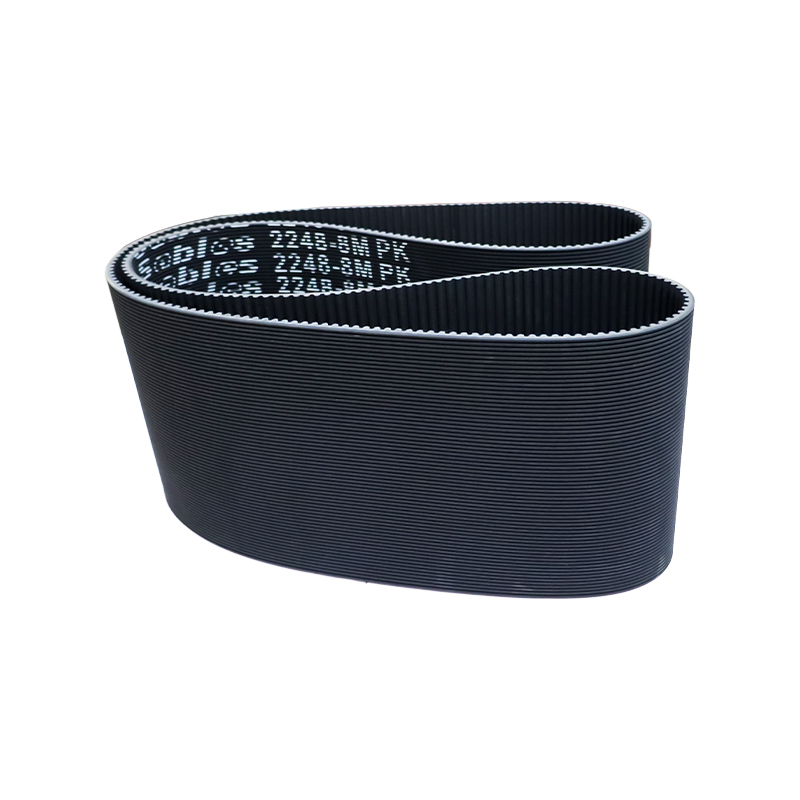
A furniture shop running a wide belt sander on oak, maple, and acrylic panels noticed that its standard aluminum oxide belts left burn marks on the acrylic and loaded up quickly on resin-heavy oak. After testing a silicon carbide belt on the same machine, the surface stayed cooler and the scratch pattern disappeared in one pass. That experience is common: carbide sanding belts are not a replacement for every abrasive, but they solve a specific group of problems that most shops eventually meet.
What Carbide Sanding Belts Do Better
Start with the practical conclusion: choose a carbide sanding belt when heat buildup, loading, and finish consistency are your main concerns. Silicon carbide has sharper edges and a higher hardness index than aluminum oxide, which lets it cut brittle coatings, soft metals, and fiberglass without generating as much friction heat.
Carbide belts also contain grains that fracture more aggressively than conventional aluminum oxide. Instead of glazing over, the crystals break away in small pieces and expose fresh cutting edges. That behavior gives the belt a longer useful life where sticky resins, paint layers, and non-ferrous metals quickly blind ordinary abrasives.
Where the Mineral Makes the Difference
Hardwoods and resinous softwoods: carbide stays open and cuts clean.
Painted and coated surfaces: carbide removes the coating without melting it.
Composites and fiberglass: carbide resists loading from dust and resin.
Soft metals like aluminum and brass: carbide leaves a bright surface with low heat.
Figure 1. Relative hardness index of common abrasive grains
The hardness chart gives a quick reason why silicon carbide deserves a separate spot in the sanding room. Silicon carbide sits near the top of the hardness scale, so it cuts through brittle coatings and softer metals more aggressively than many standard grains. Aluminum oxide is still hard enough for general stock removal on wood and steel, but it dulls faster when the workpiece is hard or coated. Zirconia alumina is chosen less for hardness and more for self-sharpening behavior under pressure. Ceramic grain is engineered to stay cool and fracture in controlled stages. In practice, this means carbide belts are not the universal answer, but they are the strongest choice for heat-sensitive materials and final finishing passes.
Grit Selection: Start from the Surface You Have
The grit number is the first selection decision. Choose as coarse a belt as the starting surface allows, because coarse belts remove stock faster and cost less per square meter of sanding work. Then move through a sequence of finer grits just enough to remove the previous scratches.
Typical carbide belt grit ranges by workpiece category
Grit range
Typical work
Expected result
P36 to P60
Heavy stock removal, rough shaping, stripping paint
Fast cut with visible scratching
P80 to P120
Intermediate smoothing after coarse work
Uniform matte surface, light scratches only
P150 to P220
Final finishing before coating or assembly
Smooth surface ready for sealer or paint
P240 and above
Fine finish on plastic, composites, and soft metals
Low sheen finish with minimal cut
Figure 2. Typical surface roughness by grit size
The surface roughness values in the chart follow a clear trend: larger grit numbers produce smoother surfaces and remove less material. A P80 belt leaves visible scratches around 35 microns deep, which is acceptable for stripping or rough shaping. A P120 belt brings roughness down to about 18 microns, and many sanding failures happen because operators skip this intermediate step too early. A P180 belt at 9 microns is smooth enough for primer on most woods and composites. The jump from P120 to P220 is smaller, which is why spending time in the P150 and P180 range usually improves the final finish more than buying a finer final belt. This chart is a guide, not a guarantee, because actual readings depend on belt speed, pressure, and workpiece hardness.
Material Removal versus Refinement
The same grit progression also changes cut rate. Coarse belts are not just more aggressive; they are also the most economical way to remove material before the surface is ready for finer work.
Figure 3. Relative material removal rate at each grit stage
The line chart shows how removal rate falls as you move through a progressive grit sequence. A coarse P60 belt removes a lot of material but leaves deep scratches that are expensive to remove in later steps. Moving to P100 cuts more slowly and begins to produce an acceptable intermediate surface. When the target is a refined finish, P150 and P180 remove very little material and their main job is to blend out previous scratches. The biggest loss of cut rate happens between P60 and P100, so the most efficient process starts as coarse as the existing surface allows and uses only the necessary intermediate grits. Carbide belts are most economical when you match this curve to the actual condition of the workpiece.
Backing Weight and Coating Matter as Much as Grit
Conclusion first: the backing controls how long the belt lasts and how the belt feels on a contact wheel. Cloth-backed belts handle aggressive pressure and high grain loads. Paper and film backings produce finer finishes and follow curved surfaces more closely, but they wear out faster if pushed too hard.
Open coat versus closed coat is the next factor. Closed coat belts cover the whole surface with grain; they cut fast but load quickly. Open coat belts leave gaps between grains, which gives debris a place to escape and works well on melamine, raw wood, and paint removal.
For metal and plastic finishing, a stearate-coated carbide belt reduces clogging and leaves a cleaner surface. Stearate acts as a dry lubricant that keeps the belt from smearing melted binder across the workpiece. Operators who run a closed coat belt on aluminum often see loading in the first few minutes; the same job with an open coat stearate belt runs much longer.
Carbide versus Other Common Abrasive Minerals
In a mixed shop, each abrasive mineral has a role. Aluminum oxide is the all-around standard for stock removal on wood and steel. Zirconia alumina performs best under high pressure and where heat resistance matters. Ceramic grain stays sharp for heavy grinding but costs more. Silicon carbide is the finishing and heat-sensitive specialist.
Common abrasive minerals and their typical strong point
Mineral
Main strength
Best situation
Aluminum oxide
Cost efficiency and durability
Everyday wood and metal sanding
Silicon carbide
Sharpness and low heat
Finishes, coatings, plastic, soft metal
Zirconia alumina
Heat resistance under pressure
Heavy grinding on stainless and high nickel alloys
Ceramic grain
Controlled self-sharpening
High pressure grinding with low burn risk
Figure 4. Performance comparison across five practical criteria
Silicon carbideAluminum oxideZirconia alumina
The radar chart summarizes how three common abrasive minerals compare across five practical criteria. Silicon carbide shows the most balanced performance on sharpness, hardness, and finish quality, with cost efficiency as its weakest point. Aluminum oxide trails slightly in sharpness and finish quality but wins clearly on cost, which is why it remains the default abrasive for everyday woodworking. Zirconia alumina becomes interesting when pressure is high and heat resistance matters, because it is engineered to keep cutting under heavy loads. The overlapping polygons show that no single mineral wins every category, so a production shop usually needs more than one belt type. Matching the mineral to the workpiece prevents wasted labor and unnecessary abrasive purchases.
Practical Selection Rules for Common Applications
For woodworking, carbide handles exotics like teak, rosewood, and ipe without burning the surface; use P120 or P150 as the default finishing grit. For metal fabrication, carbide does well on aluminum, brass, and bronze; choose P80 to P120 for blending welds and P220 for a final pass. For fiberglass and carbon fiber, carbide with an open coat keeps the belt from loading and stops the resin from melting. For automotive refinish work, fine grit carbide with stearate is a reliable way to level primer and existing paint without heat damage.
Do Not Forget the Belt System behind the Abrasive
A wide belt sander produces a consistent finish only when the entire belt path stays true. If the contact drum or feed table runs out of round, the abrasive belt wears unevenly and can tear at the joint. On large panels, the feed belt must pull the workpiece through at a steady speed with no slippage or wandering.
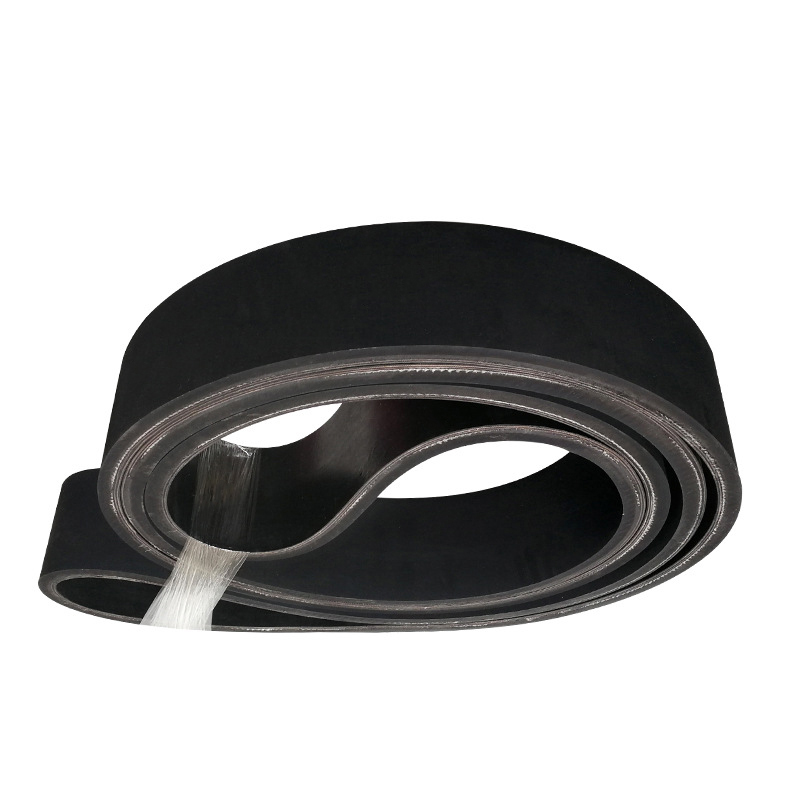
A maintenance check should therefore include the endless rubber belts that support the feed system. This article about endless rubber flat belt stability in conveyor systems explains why dimensional stability matters for even feed pressure.
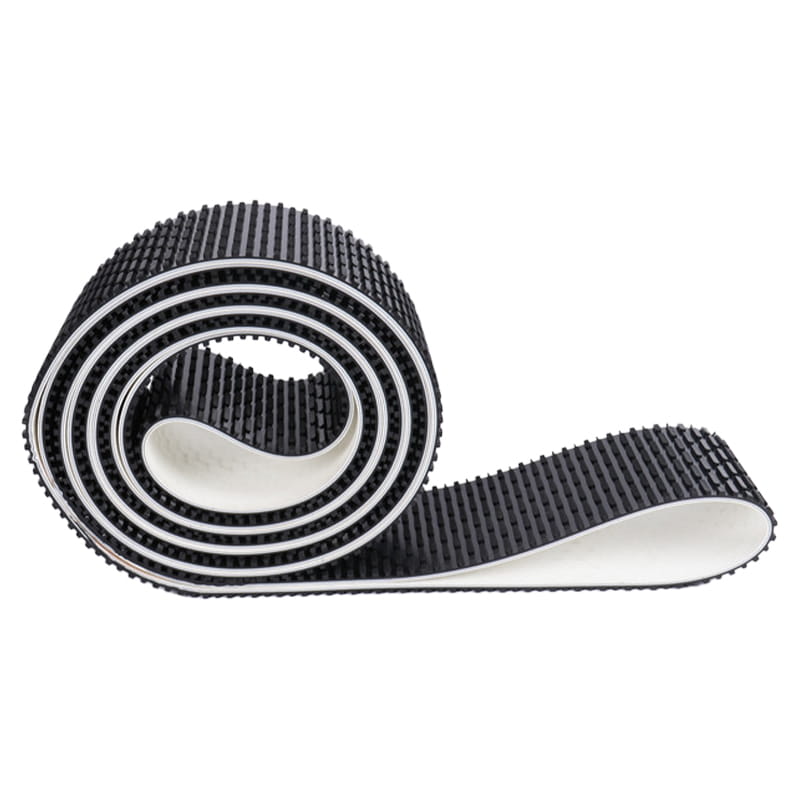
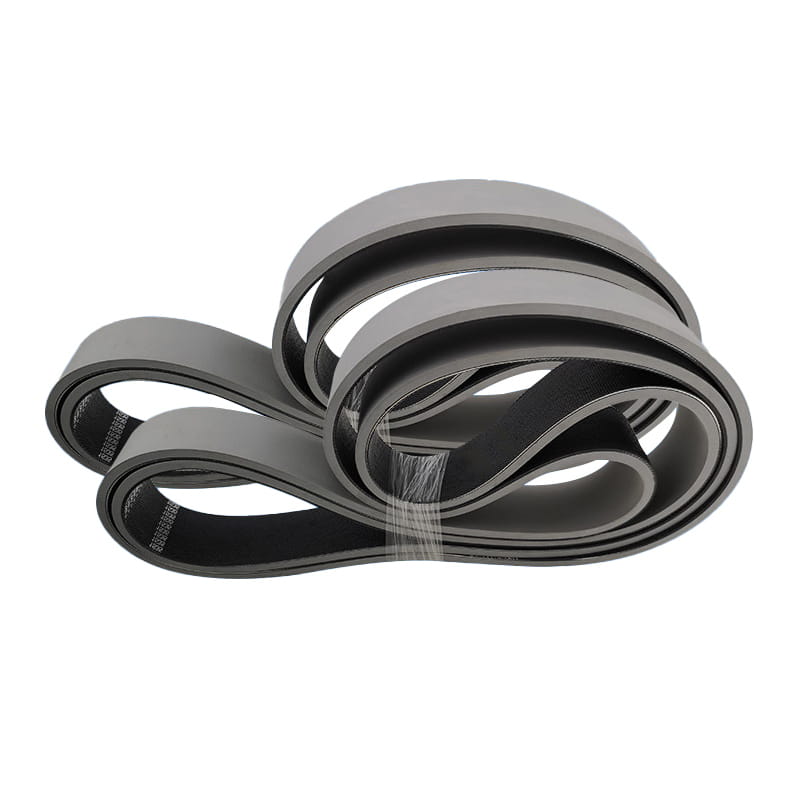
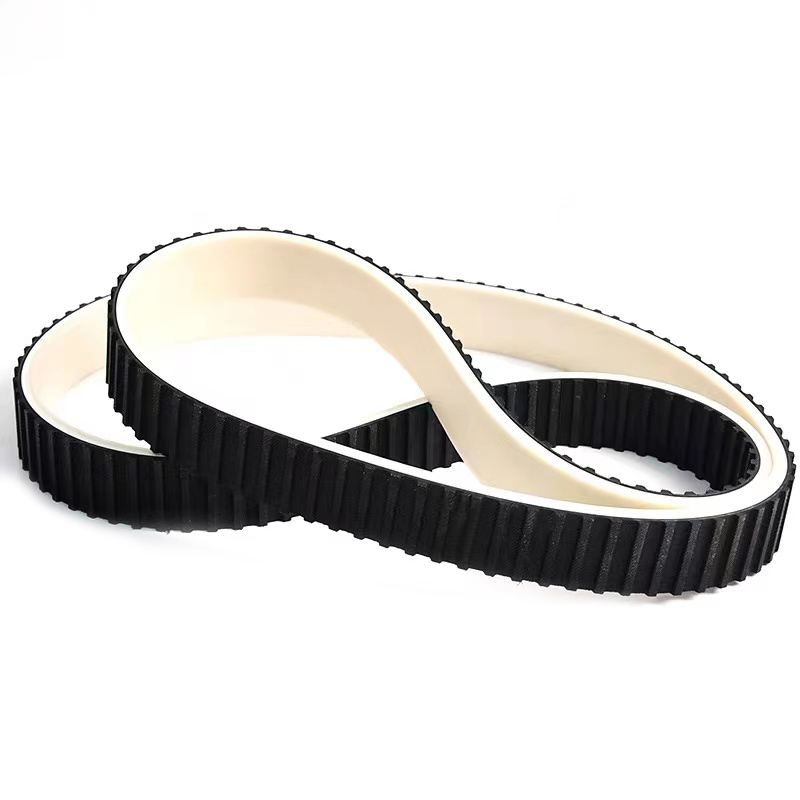
When you replace the abrasive belt, also inspect the rubber belt for cracking, hardness changes, and edge damage. A purpose-made rubber seamless sanding machine belt supports the active abrasive and helps keep the finish uniform across the full width of the panel.
Storage, Handling, and Common Failure Patterns
Store carbide belts flat or hanging with no sharp folds. Humidity and direct heat weaken the joint and the backing materials. If a belt loads quickly, switch to an open coat or a coarser grit. If it glazes over, the belt speed is too high or the grain is too fine for the material. If the edge breaks down first, check the platen and the rubber support belt for alignment problems.
By treating the carbide belt as part of a complete sanding system, you get predictable results and lower abrasive costs over time. The right mineral, grit, backing, and machine support together determine repeatable surface quality.
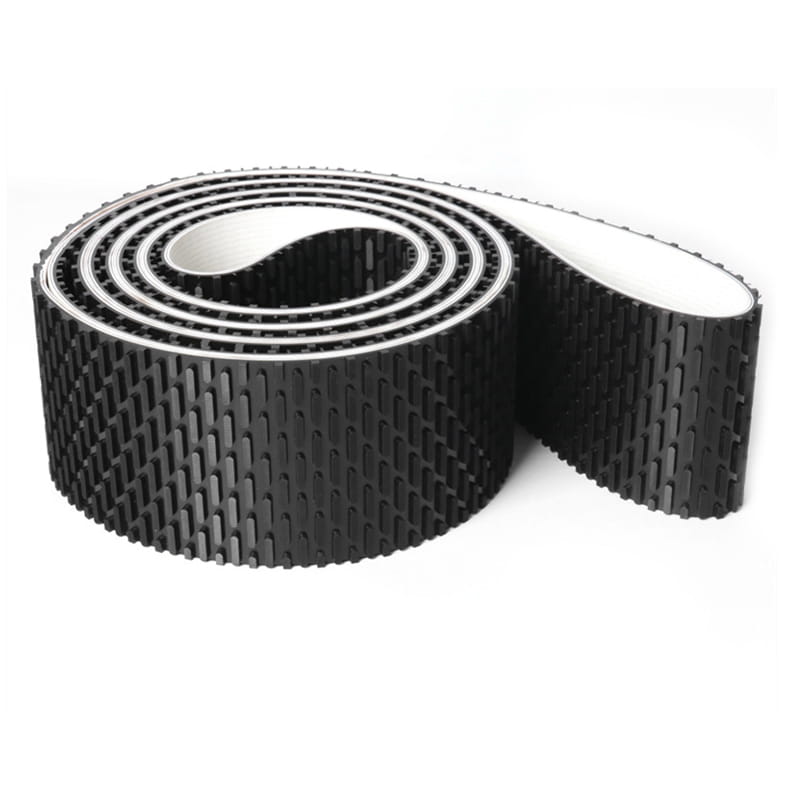
The conveyor belt is composed of surface adhesive, core, and layer glue. In addition, a layer of buffer cloth can be added to the use of high drop impact to make it more impact-resistant.
The surface adhesive
With natural rubber and synthetic rubber as raw materials and in order to enhance wear resistance, crack resistance, aging resistance, and other properties, the surface adhesive has various characteristics such as wear resistance, cutting resistance, heat resistance, flame resistance, cold resistance, acid and alkali resistance, oil resistance, static electricity resistance and so on. Cloth layer core
The cloth layer is composed of natural fiber or chemical fiber alone or a combination of the two, has the same quality after single-step treatment by a mature process, And has good adhesion with rubber. The adhesive layer
The adhesive layer is very important for the adhesive force between the layers of the core of the conveyor belt that is repeatedly flexed. Especially for high-tension conveyor belts, a layer of adhesive with less buckling stress and less fatigue due to internal stress must be used.
Specifications and models can be customized according to customer requirements, with a thickness ranging from 2.0 mm to 8.0 mm.
High-speed, smooth, and low-extension transmission and conveying systems, such as textile machinery, woodworking machinery, grinding machinery, ticket vending machines, vegetable cutting machines, etc. Characteristics: High speed and stability, high tensile strength, and low elongation.
The seamless rubber band produced by woodworking machinery can be used for sanding, correcting, and trimming core materials, planing wood boards, laminated boards, plastic laminated boards, and other machines, and can help the surface to be perfectly machined and selected.
Its special technology lies in the manufacturing method and produces the required size jointless belt. We not only strictly control the quality, but also insist on using imported materials in order to make our sander belt have better performance.
All parts of thickness and strength are absolutely uniform.
It has a good linear operation.
High flexibility can be used for small wheel diameters.
It can maintain flatness and non-deformability under working pressure.
The friction coefficient between the bottom of the belt and the plate surface is very low.
Because the surface layer of the belt is covered with rubber, the adhesiveness is improved and the stability of the conveyor belt is improved.
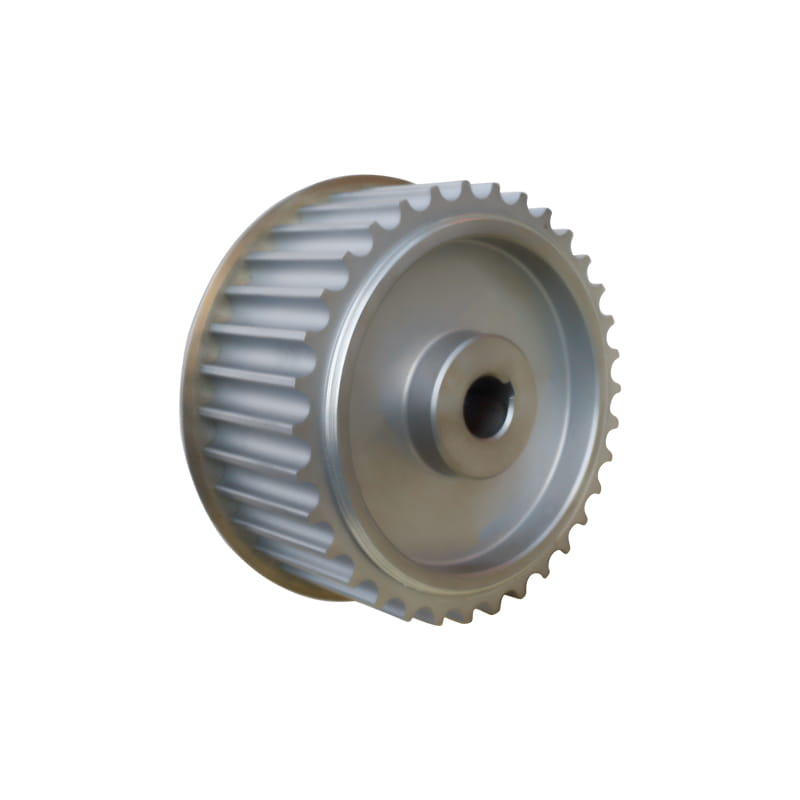
Apply to each field of the synchronous-driven device system. Characteristics:
Ensure coordination with the belt, to enhance the accuracy and lifetime of the driven. According to customer requirements, customization optimum driven solution can divided into 45# steel, aluminium alloy, stainless steel, cast iron, nylon, etc, according to the material.
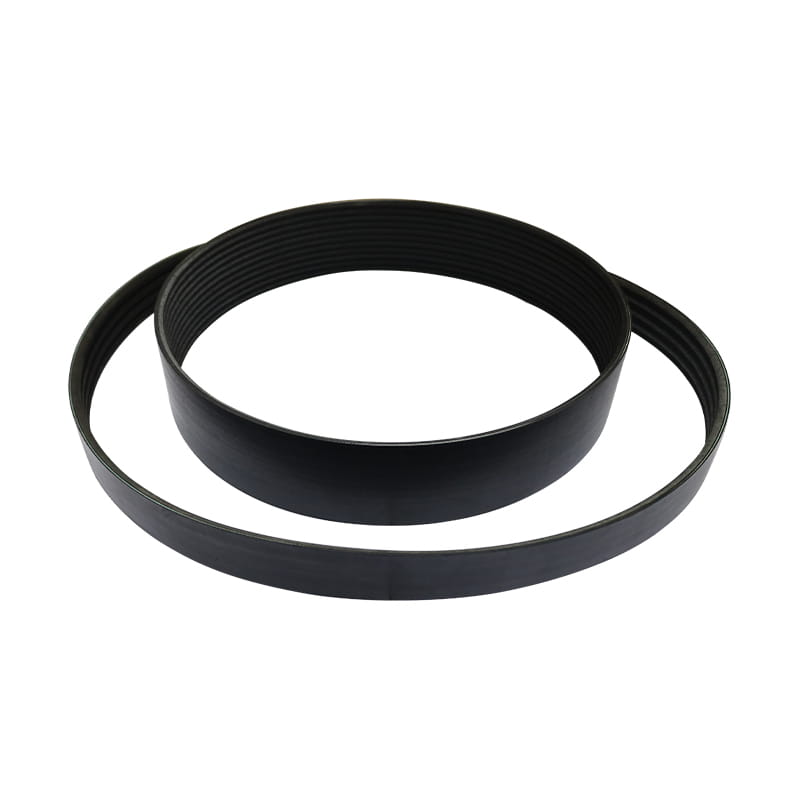
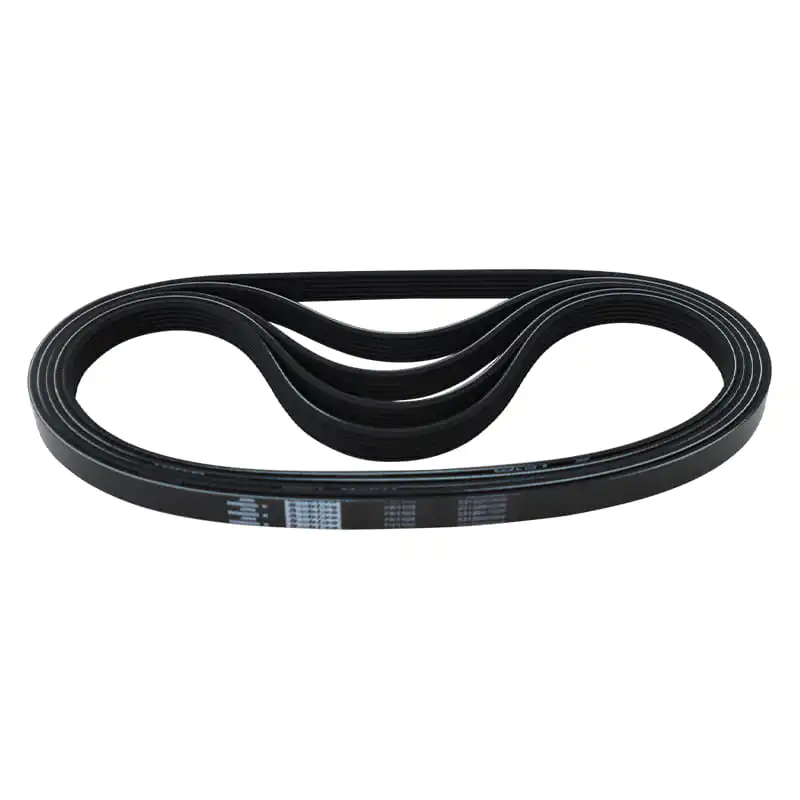
It is suitable for outdoor transmission equipment, transportation equipment, medical equipment, electric tools, household appliances, and sports equipment. Characteristics:
1. The transmission power of the ribbed belt is higher than that of an ordinary V-belt by 30 % when the space is the same.
2. The transmission system of the ribbed belt has a compact structure, and under the same transmission power, the space occupied by
the transmission device is 25 % smaller than that of the common V-belt.
3. The ribbed belt is thin and flexible and is suitable for transmission with a small pulley diameter and high-speed transmission, with belt
speed up to 40m/ s; Small vibration, less heat, and stable operation.
4. The ribbed belt is heat-resistant, oil-resistant, and wear-resistant, with small elongation and a long service life.



 中文简体
中文简体