A tire plant rejects a shipment of aramid tire cord for a reason that has nothing to do with strength. The cord meets its tensile target, the twist sits inside tolerance, every package weighs what it should, and yet the adhesion peel value comes back at 12 N/cm against a 16 N/cm minimum. The batch cannot be used, because a cord that will not bond to the skim compound cannot carry load in a belt ply.
The coating decides whether that shipment passes. Coated aramid tire cord is a system rather than a single product: a chemically inert, high-modulus fiber, a multi-stage dip that gives the fiber a rubber-reactive surface, and a compound matched to the dip chemistry. Get the coating wrong and the strongest cord in the plant behaves like loose wire. Get it right and aramid delivers what polyester and nylon cannot, which is stiffness at low weight and very low elongation under load.
What the coating actually does to an aramid cord
Untreated para-aramid is hard to bond. Its surface carries few polar groups, it has low surface energy, and it forms a skin-core structure that fibrillates under abrasion. Rubber on its own will not hold it. The coating solves the problem in stages.
- Pre-dip. An epoxy or isocyanate based layer wets the fiber, seals the outer skin and leaves reactive sites for the next stage. Without it, the topcoat has nothing to grip.
- Topcoat. A resorcinol formaldehyde latex dip forms the bridge between fiber and rubber, curing into a network that bonds to both sides during vulcanization.
- Latex selection. Vinylpyridine latex systems are common on aramid because they tolerate the stiff, low-elongation behavior of the cord and keep the bond alive under repeated flexing.
Dip pickup is specified as a range rather than a single number, and it is normally checked by weighing the cord before and after drying. Thin pickup leaves bare patches where rubber never bonds. Excess pickup stiffens the cord, blocks the interstices that rubber needs to penetrate, and shortens fatigue life. Both failures look identical on a tensile test and completely different in service.
How aramid compares with the cords it replaces
Typical property ranges for common tire cord materials. Exact values depend on yarn grade, twist, dip pickup and test method.
| Property |
Aramid |
Polyester |
Nylon 6.6 |
Steel |
| Density, g/cm3 |
1.44 |
1.38 |
1.14 |
7.85 |
| Tensile strength, MPa |
2750 to 3000 |
1000 to 1150 |
850 to 1000 |
2600 to 2900 |
| Modulus, GPa |
70 to 110 |
10 to 15 |
4 to 6 |
190 to 210 |
| Elongation at break, percent |
2.5 to 4 |
12 to 14 |
16 to 20 |
2 to 4 |
| Adhesion untreated |
Very poor |
Poor |
Moderate |
Poor, needs brass |
| Flex fatigue at small radius |
Fair to poor |
Good |
Excellent |
Poor |
The table explains most specification decisions. A break elongation of roughly 3 percent means aramid reaches working tension after very little travel, so a reinforced ply grows less under load and the part keeps its geometry. That is why aramid appears in cap plies, run-flat sidewalls, heavy-duty belts and high-torque drives. The same number carries the risk: with little stretch available, shock loads travel straight into the splice, the pulley and the bond line. Aramid systems live or die on adhesion quality and on how well the coating survives repeated bending.
Coating measurements that decide acceptance
Three numbers settle most disputes: dip pickup, adhesion and moisture. All three belong in the purchase specification with a range and a test method attached, because a certificate that simply says passes tells a buyer nothing about batch-to-batch behavior.
Tests worth naming in the purchase order
- Adhesion peel or H-test strength on a vulcanized sample, quoted in N/cm against a minimum, using the same compound the production line uses.
- Dip pickup by gravimetric method, quoted as a percentage range rather than a target value.
- Cord diameter and linear density, with the gauge and the tolerance stated.
- Twist level and direction of the plied cord, in turns per meter, with a tolerance.
- Shrinkage or shrinkage force at the temperature the part actually sees, not at room temperature.
- Moisture content at delivery, plus the packaging method that holds it there.
Humidity is a coating issue, not a warehouse issue
An RFL dip is hygroscopic and aramid itself regains moisture from the air. Cord that has sat in an open warehouse can absorb enough water to shift both the pickup reading and the vulcanized bond, which is why sealed liners, desiccant and short storage windows matter more than most buyers expect. Cord stored for months should be re-tested before it reaches the calendar rather than released on an old certificate.
Where coated aramid earns its cost outside tires
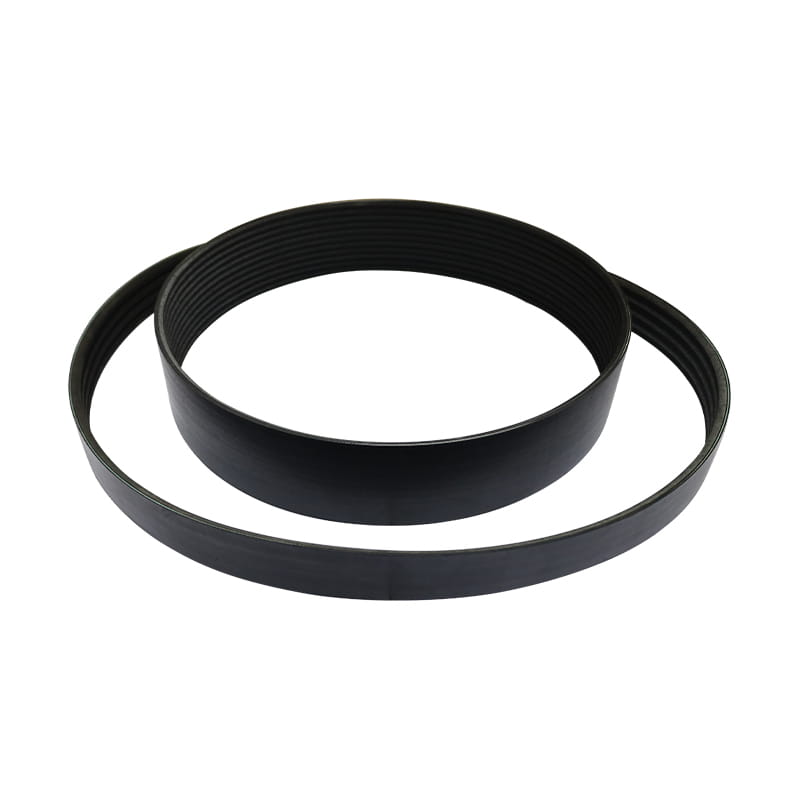
The same coating logic carries into industrial rubber belts. Aramid cord and aramid fabric are used where a drive or a conveyor has to hold tension, run hot and resist cutting without adding weight or growth. Printing and packaging lines, textile machinery, cable handling equipment and photovoltaic transport systems all sit in this group, and so do food processing machines where belts are scraped and washed daily.
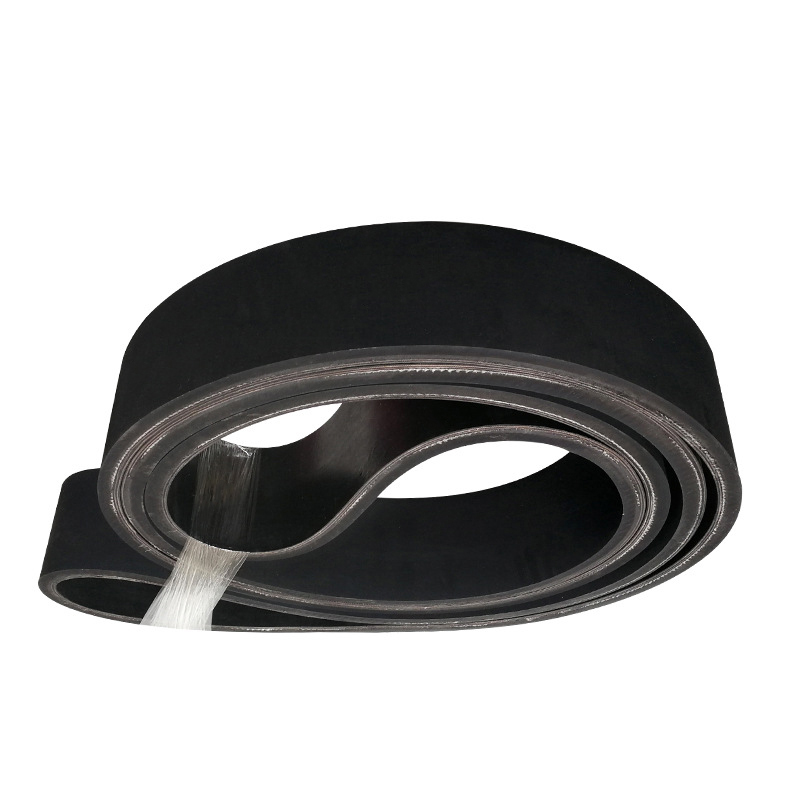
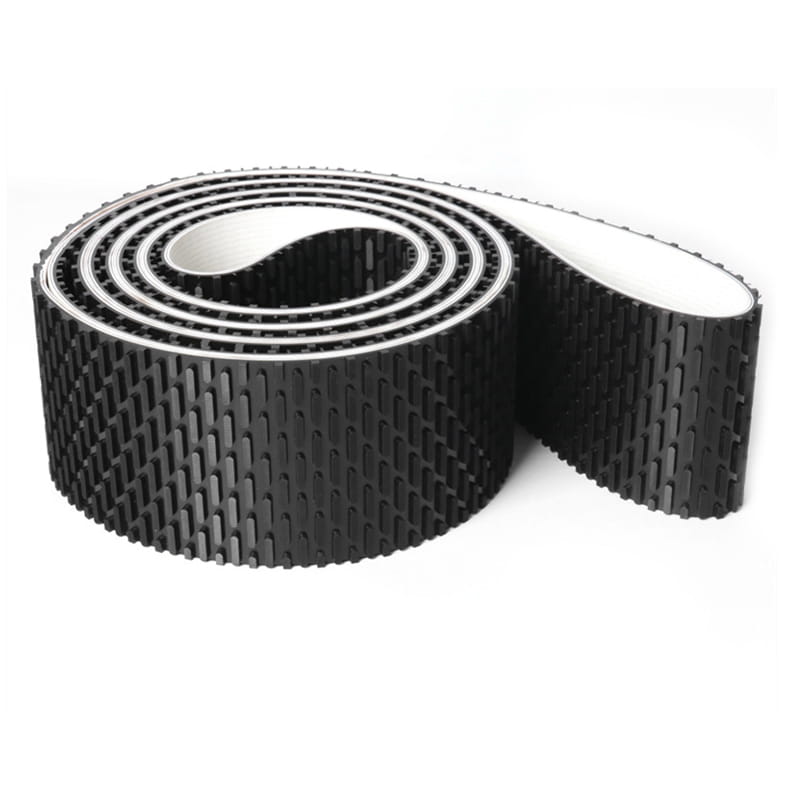
Coated belts are the clearest example. Here the reinforcement sits under or inside a rubber cover, and the cover does the work of gripping, releasing and protecting the cord. The bond between cover, cord and carcass is the same adhesion problem described above, only the geometry has changed. Because machine conditions vary so widely, coated belts are typically customized to the specific conditions of the machine rather than picked from a catalogue.
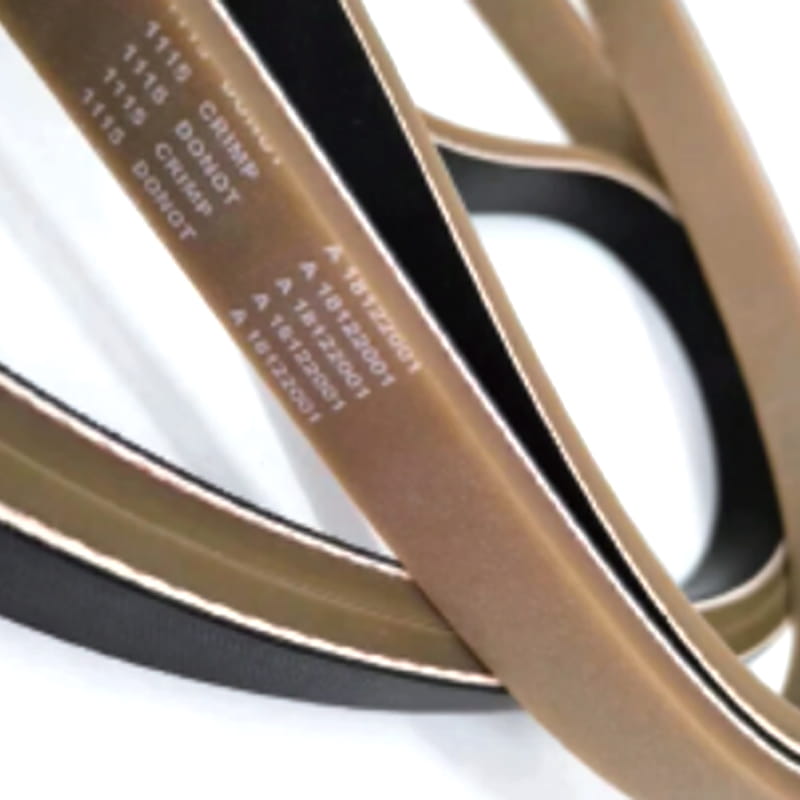 Coated Rubber Belts and Rubberized Timing Belt VariantsCustomized coated belt options combine high-friction surfaces with timing or flat tape designs for printing, packaging, food processing, and traction duties.View Product →
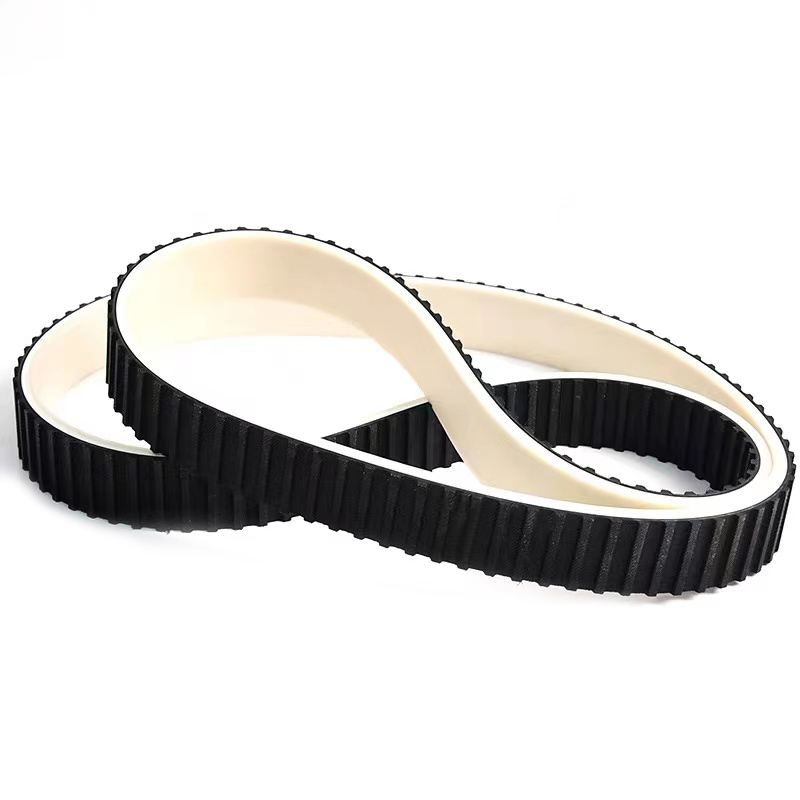
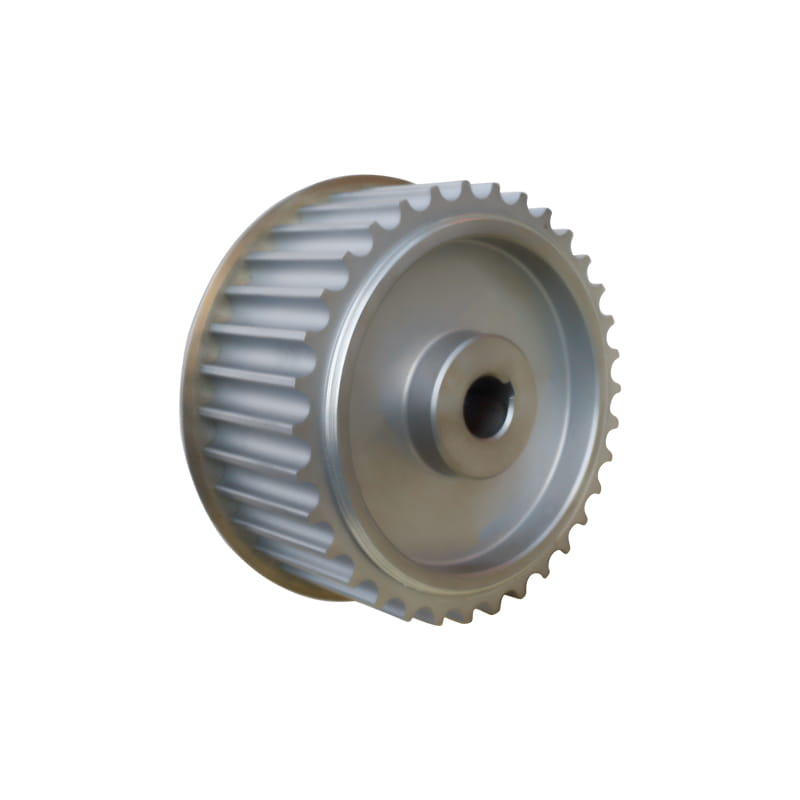
Where a drive needs positive engagement instead of friction, an aramid tension member inside a synchronous belt keeps pitch length stable under load and heat. That matters on long, high-torque drives where a polyester member would grow and change the timing.
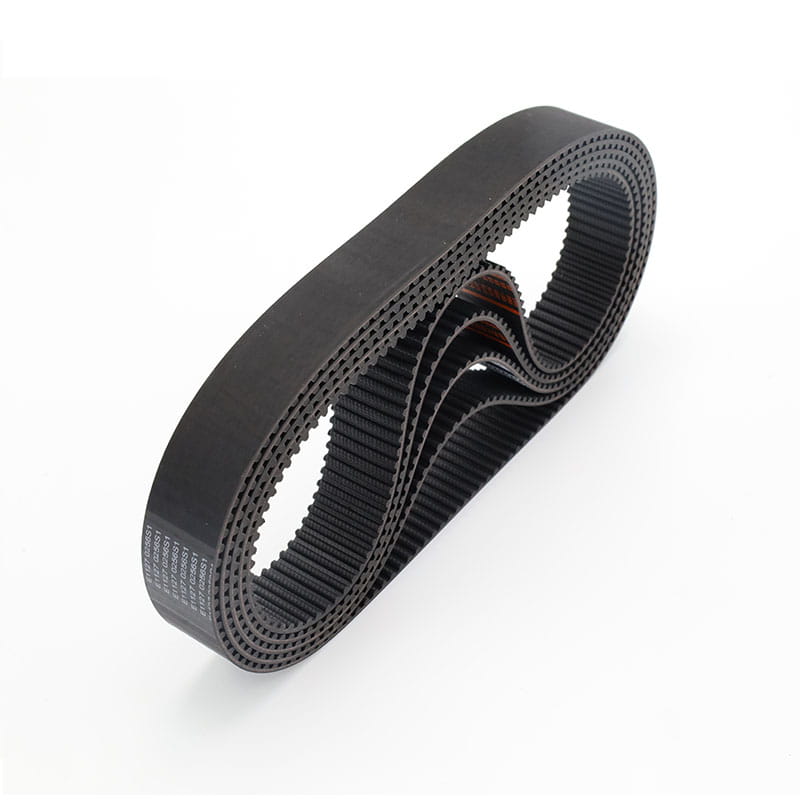 Rubber Synchronous Belts for Timing and Transmission DrivesRubber timing belts use glass fiber cord, chloroprene rubber, and a nylon tooth layer for positioning, conveying, and frequent start-stop transmission in listed machinery.View Product →
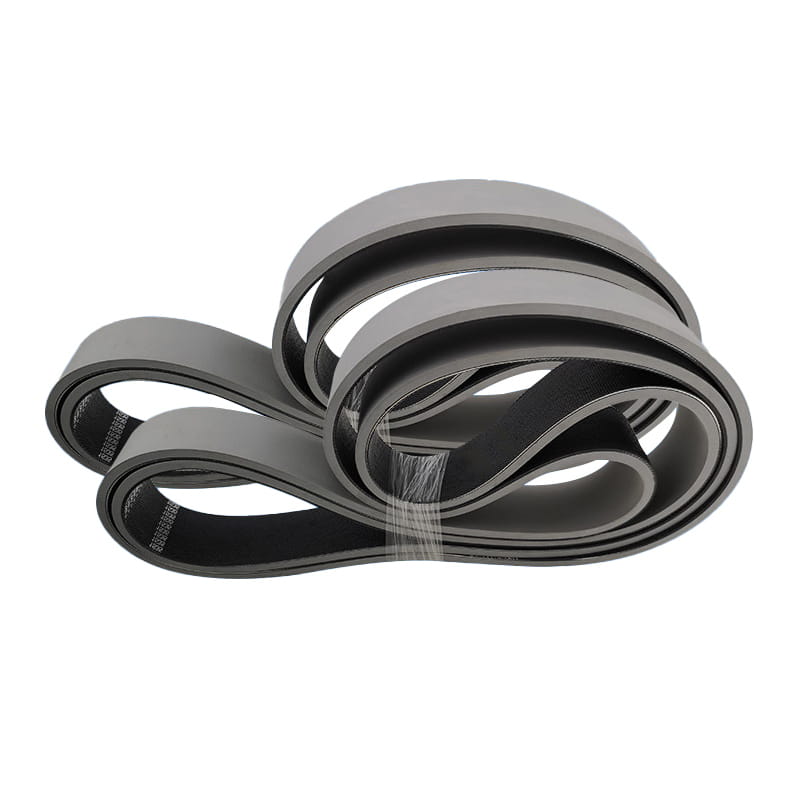
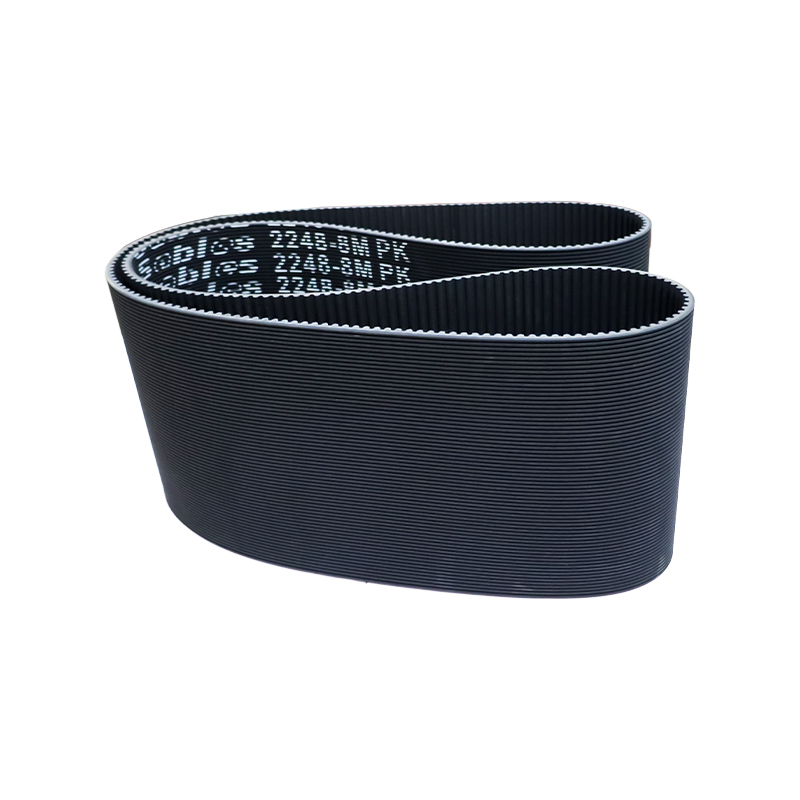
Some applications need a construction that no standard item covers: a specific width, a joint position, a fabric facing, a cut-resistant edge or a profile matched to an existing pulley. These are built as special processing belts, and they are where aramid reinforcement is usually specified by the machine builder rather than the maintenance team.
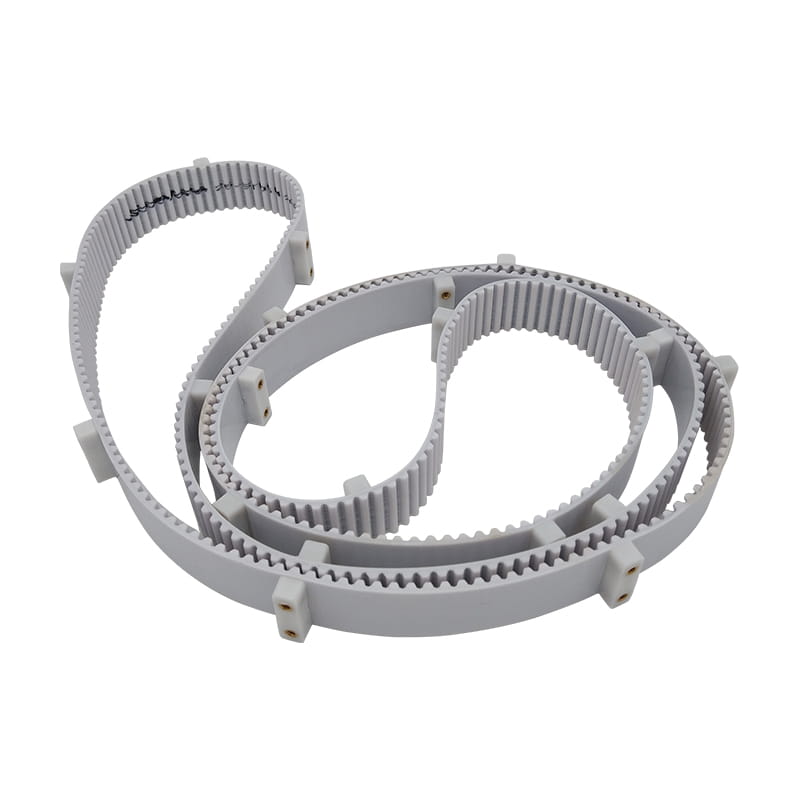 Custom Special Processing Belts for Grip and PositioningCustomizable belt surfaces and tooth profiles add wear resistance, anti-slip grip, and accurate positioning where standard constructions do not cover the required geometry.View Product →
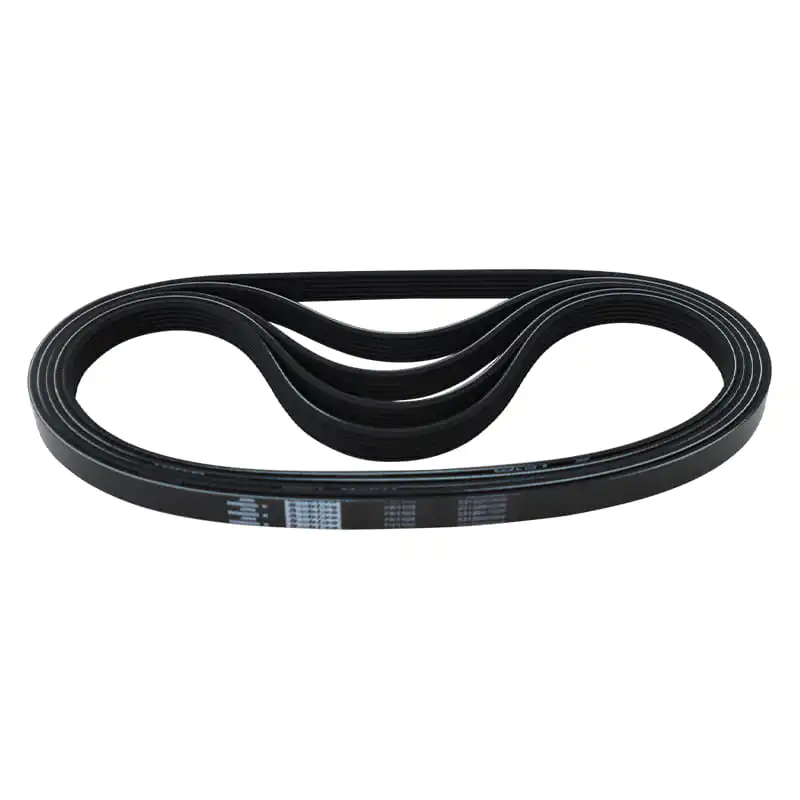
For machine builders specifying reinforcement, our rubber belt range covers timing, coated, ribbed, flat and special processing belts for printing, textile, packaging, photovoltaic, logistics, cable and food industry equipment, and aramid reinforced constructions can be quoted against a stated duty.
Questions that prevent a failed batch
Buyers who ask these before the first order avoid most adhesion failures:
- Which rubber compound will the cord be bonded to, and has the dip been validated against that compound rather than a generic test recipe?
- What is the minimum adhesion value in N/cm, and on which test method?
- What dip pickup range is guaranteed, and how is it measured?
- What flex radius will the finished part see, and has the cord been fatigue tested at that radius?
- What moisture content is guaranteed at delivery, and how is the cord packaged?
- Can the supplier confirm running length per package and splice-free lengths, since aramid cord cannot be spliced inside a ply without creating a weak point?
Each answer narrows the risk. A supplier who can only quote tensile strength is not selling a coated cord, they are selling yarn.
Coated aramid tire cord is a bonding system, and it should be bought that way. The fiber supplies stiffness, low elongation and cut resistance, but the dip supplies the only thing that lets those properties reach the rubber. Specify pickup, adhesion and moisture with ranges and methods, match the coating to the compound, and aramid will hold a belt or a tire ply in shape for its full service life. Leave the coating out of the discussion and the strongest cord available becomes the weakest link in the assembly.



 中文简体
中文简体