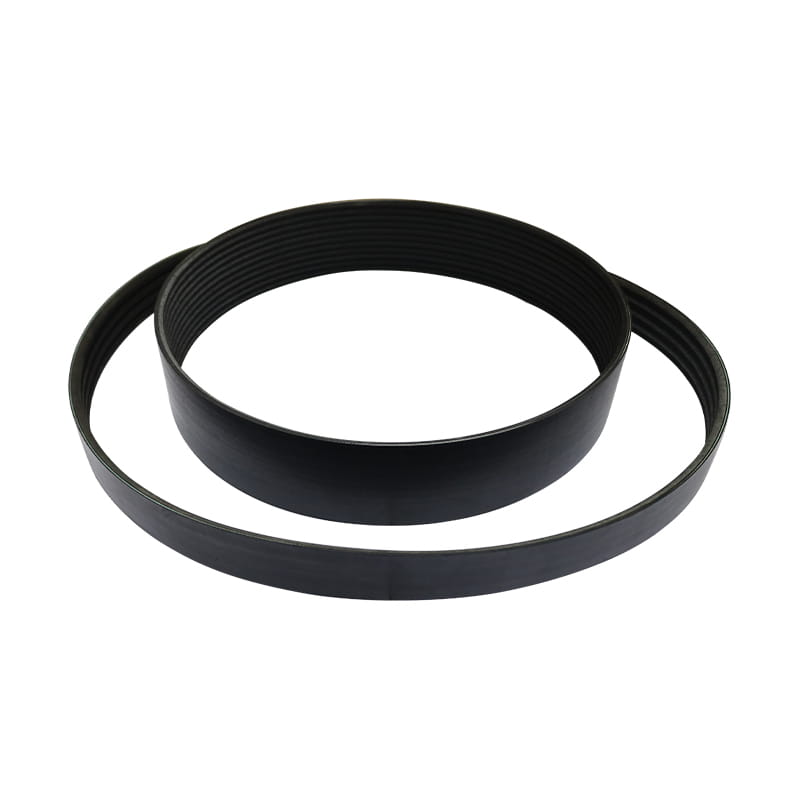
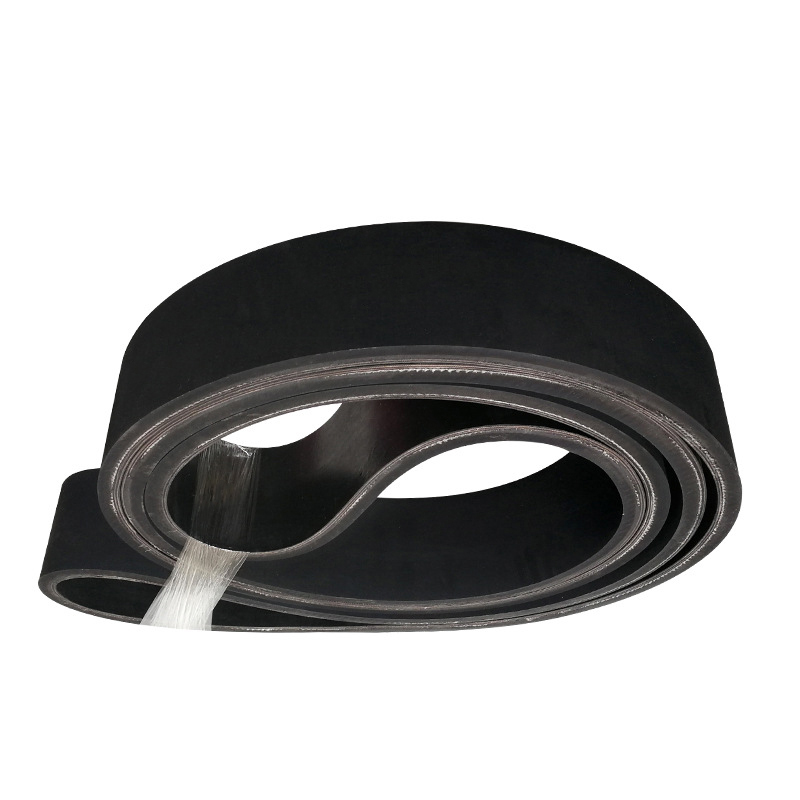
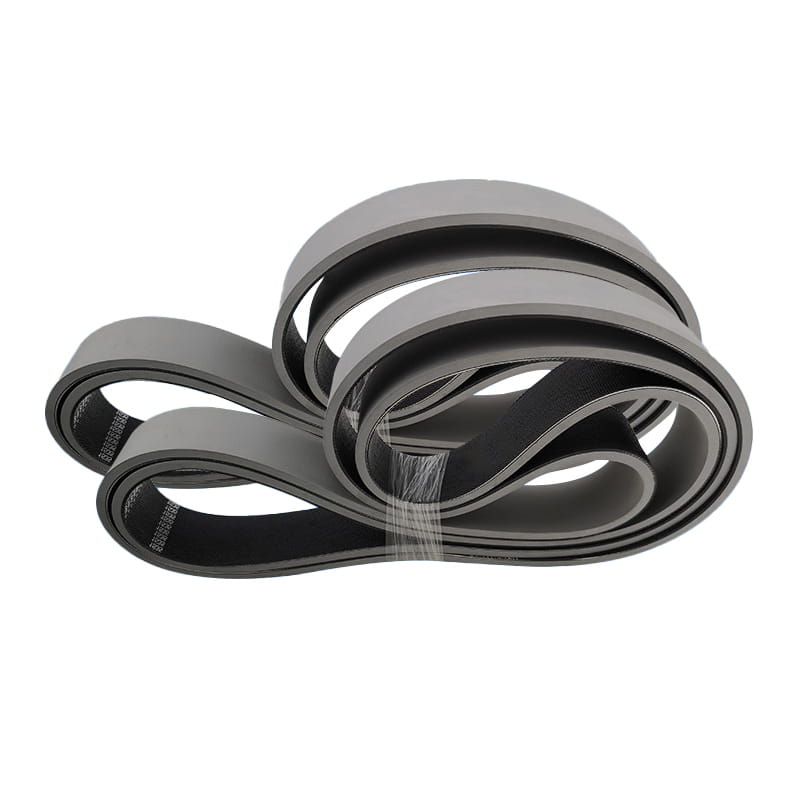
A maintenance team at a packaging plant kept replacing the same wrapped V-belt on a roller drive every ten to twelve weeks. The pulley was small, the belt ran hot, and the fabric cover cracked along the inner edge long before the cords showed any wear. Switching to a notched, cogged V-belt of the same cross section moved that replacement interval past a year.
That example is the short answer to cogged belt vs V-belt. If the belt in question is a V-belt, then a cogged version is the same drive category with a shape that handles tight bends and heat better. If the belt has teeth that drop into a grooved pulley, it is a synchronous belt, and a V-belt cannot substitute for it. The sections below explain how to tell which situation you are facing and how to choose with confidence.
Cogged Belt Is an Ambiguous Term, and That Causes Most Mistakes
In Europe and much of Asia, cogged belt usually means a raw-edge V-belt with notches moulded into its underside. In North America the same phrase is often used for a timing belt with teeth. Both are legitimate uses of the word, but they describe drives with almost nothing in common. Ordering the wrong interpretation at the counter is one of the most common sources of a belt that fails within days of installation.
Case one: a V-belt with notches
The belt still sits in a V-shaped groove and still transmits power by friction. The notches only change how the belt behaves when it bends. This is a direct replacement decision, and cogged versus wrapped is a fair comparison.
Case two: a belt with teeth that mesh
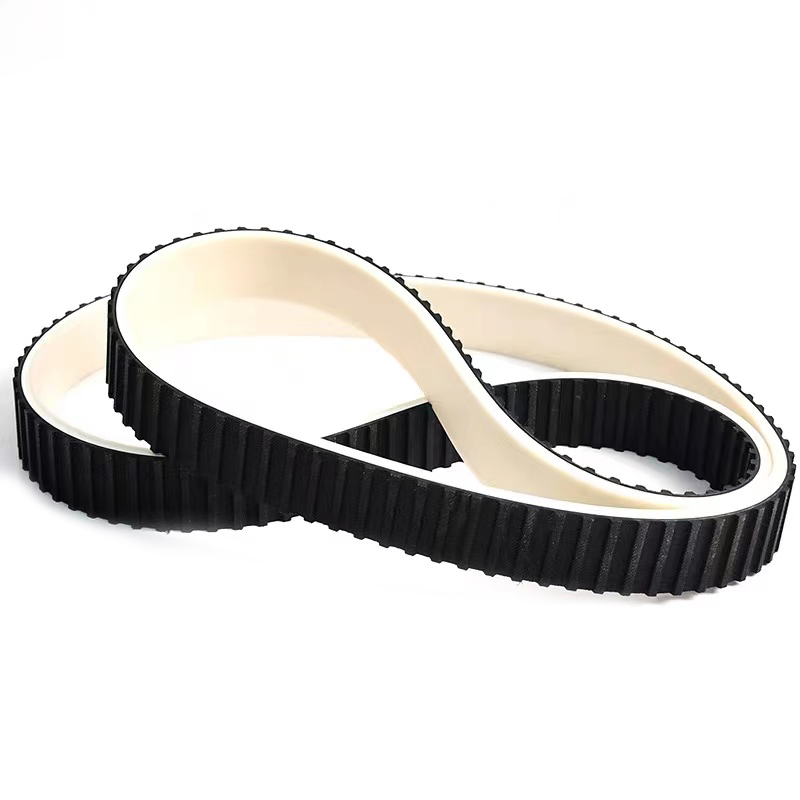
The belt has a tooth profile that engages matching grooves in the pulley. Power is transmitted by tooth engagement, not friction. Here the real comparison is synchronous belt versus V-belt, and the two are not interchangeable on the same drive without changing pulleys.
What Changes When You Notch a V-Belt
A wrapped V-belt carries a fabric jacket over its whole surface. That jacket resists oil, grit and abrasion, but it also stiffens the belt. When the belt wraps a small pulley, the inner face has to compress and the outer face has to stretch. On a small diameter the inner compression is severe, which is why wrapped belts on compact drives crack at the base and run hot.
Notches remove material exactly where the compression happens. The belt folds more easily, bending stress drops, and air moves through the gaps to carry heat away. The practical results are a smaller minimum pulley diameter for the same cross section, higher permissible belt speed, better behaviour on drives with a back-side idler, and a modest efficiency advantage that is commonly quoted in the range of two to three percent compared with a wrapped belt of the same profile.
The trade-offs are real as well. The raw edges that make a cogged belt flexible are also exposed, so oil mist, metal fines and wet slurry attack it faster than they attack a fabric-wrapped belt. Cogged belts can also be slightly noisier. Neither difference matters much in a clean, dry machine enclosure, and both matter a great deal in a foundry or a wash-down area.
Wrapped V-Belt, Cogged V-Belt and Synchronous Belt Side by Side
Use this table as a quick screen. The first two columns are the same drive type with different belt construction. The third column is a different drive principle entirely.
Comparison of a wrapped V-belt, a cogged V-belt and a synchronous timing belt on the points that usually decide a replacement.
| Attribute |
Wrapped V-belt |
Cogged V-belt |
Synchronous belt |
| Power transmission |
Friction in the V groove |
Friction in the V groove |
Tooth engagement |
| Slip under overload |
Possible |
Possible |
Effectively none while correctly tensioned |
| Small pulley capability |
Limited by bending stiffness |
Best of the three V-groove options |
Depends on tooth count and pulley size |
| Heat build-up |
Highest |
Lower, notches help vent heat |
Low |
| Alignment tolerance |
Most forgiving |
Forgiving |
Least forgiving |
| Shock load behaviour |
Absorbs shock |
Absorbs shock |
Passes shock to shafts and bearings |
| Drive ratio accuracy |
Approximate |
Approximate |
Exact |
| Typical best fit |
Dirty, wet or low-cost drives |
Fast, compact, clean V-groove drives |
Indexed, timed or high-ratio drives |
Where a Cogged V-Belt Earns Its Price
A cogged belt usually costs more than a wrapped belt of the same section. It pays that back in a few identifiable situations.
- Small pulley diameters where a wrapped belt fails by cracking rather than by wear. A notch pattern can allow the drive to shed its jacket without the belt cracking at the base.
- High belt speeds, where heat is the limiting factor rather than load. The notches act as cooling passages and let the belt run cooler in a small cross section.
- Drives with a back-side idler, where the belt must bend in both directions. A wrapped belt resists reverse bending far more than a cogged one.
- Machines with a fixed centre distance and no room for a larger pulley. The extra flexibility of a cogged belt can be the difference between a working drive and a redesign.
- Energy-sensitive installations with long running hours, where a two to three percent efficiency gain adds up across a year of production.
When a Standard Wrapped V-Belt Is Still the Right Call
The wrapped belt has not survived for a century by accident. It remains the better choice when the drive must absorb shock, when a controlled amount of slip protects a motor from a jam, or when the machine operates around oil mist, coolant spray, dust or wash-down water. It is also more forgiving of small misalignment between pulley centres, and it is usually the cheapest and fastest item to replace when a line is down at three in the morning.
Wide-angle V-belts sit in this family as a variant worth knowing about. Their shallower groove angle suits compact, high-ratio drives where an ordinary V-belt would slip or overheat. Where a standard V-belt cannot hold a load in the space available, a wide-angle profile is often the practical answer rather than a switch to a different drive type.
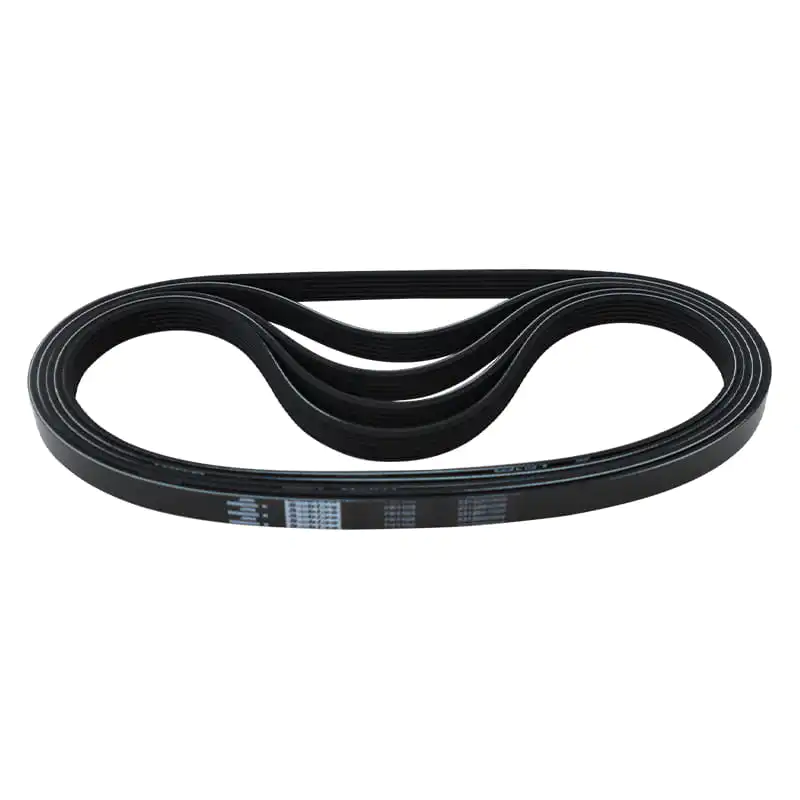
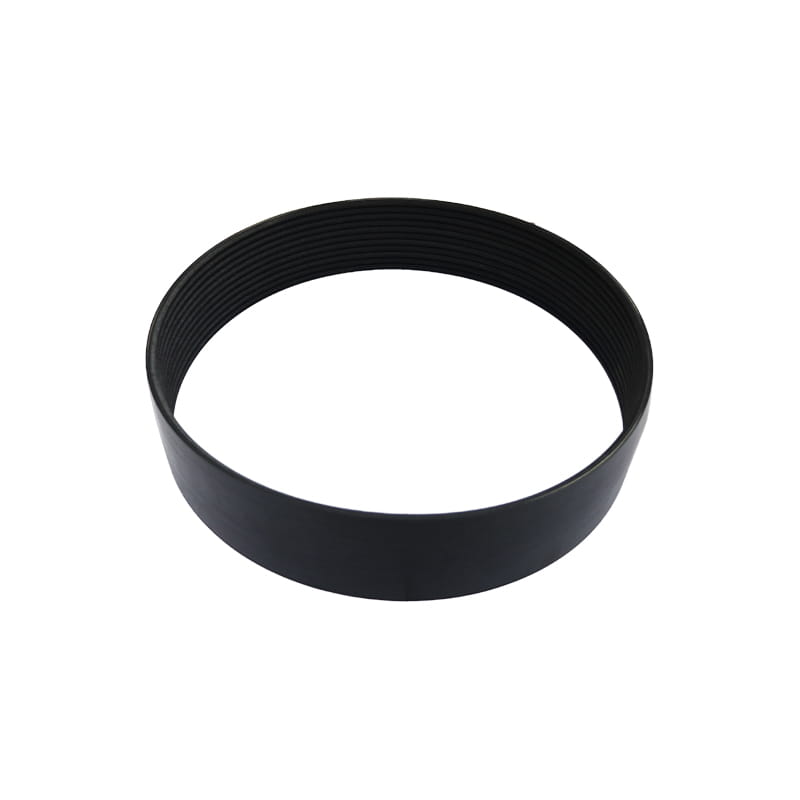 Rubber Wide-Angle Belt for Compact High-Ratio DrivesA 60° friction V-belt option for tight, high-ratio drives, with PU, CR, and EPDM material choices and improved belt-to-pulley contact.View Product →
If the Cogged Belt Has Teeth, the Rules Change Completely
Once the belt has teeth that engage a grooved pulley, the comparison is no longer cogged versus wrapped. It is synchronous versus friction, and friction drives always lose on the points that matter for timing: ratio accuracy, indexing, and repeatability. A V-belt slips under a sudden load spike by design. A synchronous belt does not, which is exactly why it is used on printing register sections, packaging indexers, and any drive where a shaft must arrive at a fixed angle.
The cost of that accuracy shows up in the installation requirements. Synchronous drives demand correct pulley alignment, a tooth profile that matches the pulley, and proper tension, because a loose tooth belt will ratchet and a tight one will wear the pulley teeth and the bearings. If you are replacing a slipping V-belt on a timed drive, the correct fix is to restore the synchronous belt drive rather than to fit a higher-friction V-belt.
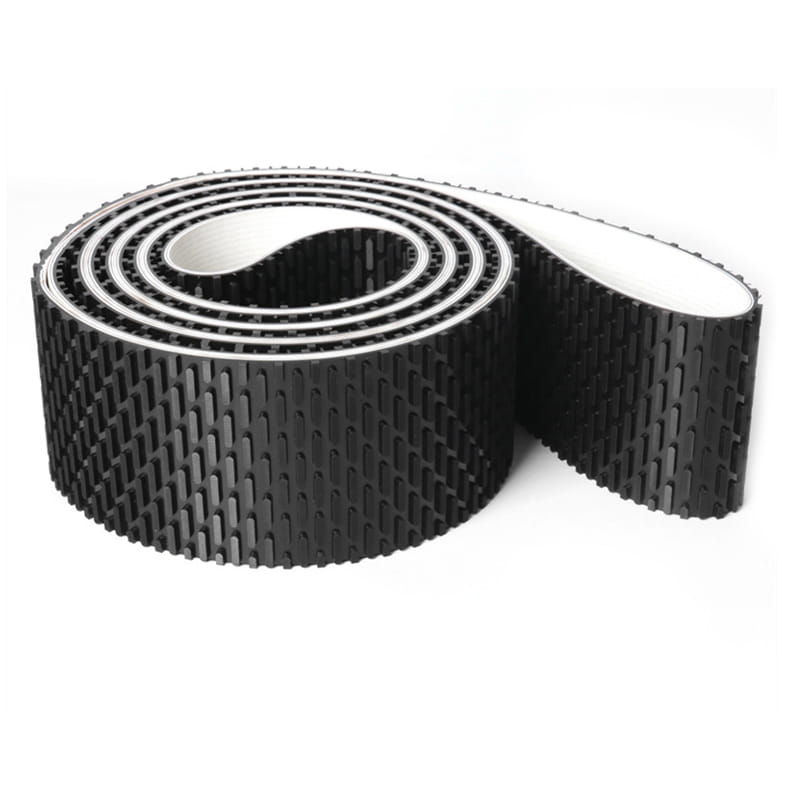
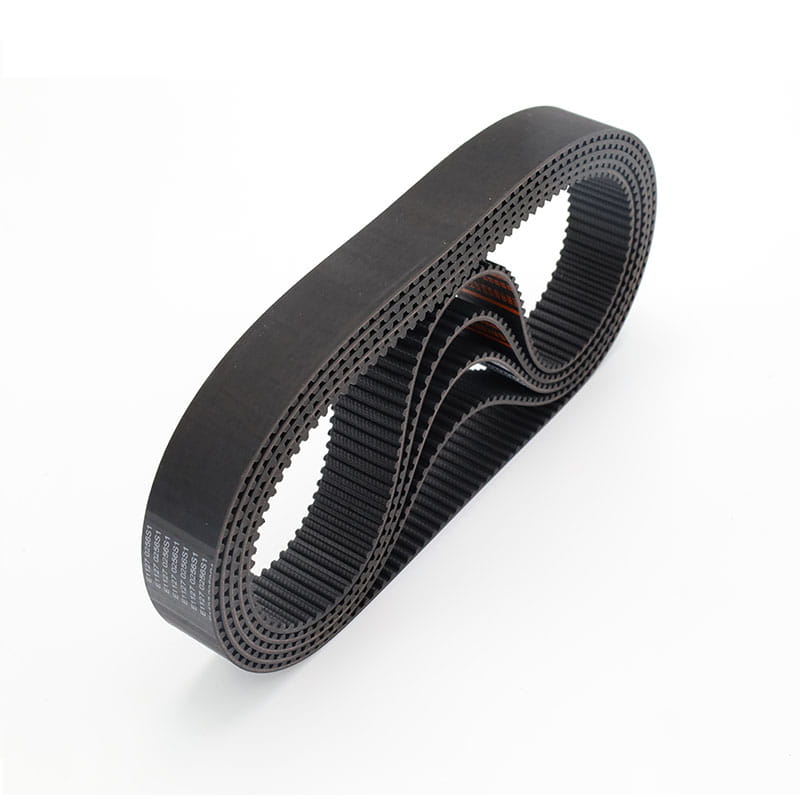 Rubber Synchronous Belt for Timed Drive ApplicationsA timing belt series with glass fiber cord, chloroprene rubber, and nylon tooth protection, intended for timed drives that require correct alignment and tension.View Product →
A Selection Checklist You Can Run at the Machine
Before ordering, work through these points in order. Most wrong choices are the result of skipping one of them.
- Confirm the drive type. Check whether the pulley has a V groove or a tooth profile. This single check settles the cogged belt versus V-belt question.
- Measure the pulley outside diameter and groove width. Small diameters point towards a cogged or notched belt, or a change of drive type.
- Record belt speed and running hours. Long hours at high speed make heat and efficiency the deciding factors.
- Inspect the environment. Oil, coolant, water, dust and debris favour wrapped construction or a different material entirely.
- Characterise the load. Frequent starts, jams and shock loads favour a friction drive that can absorb them.
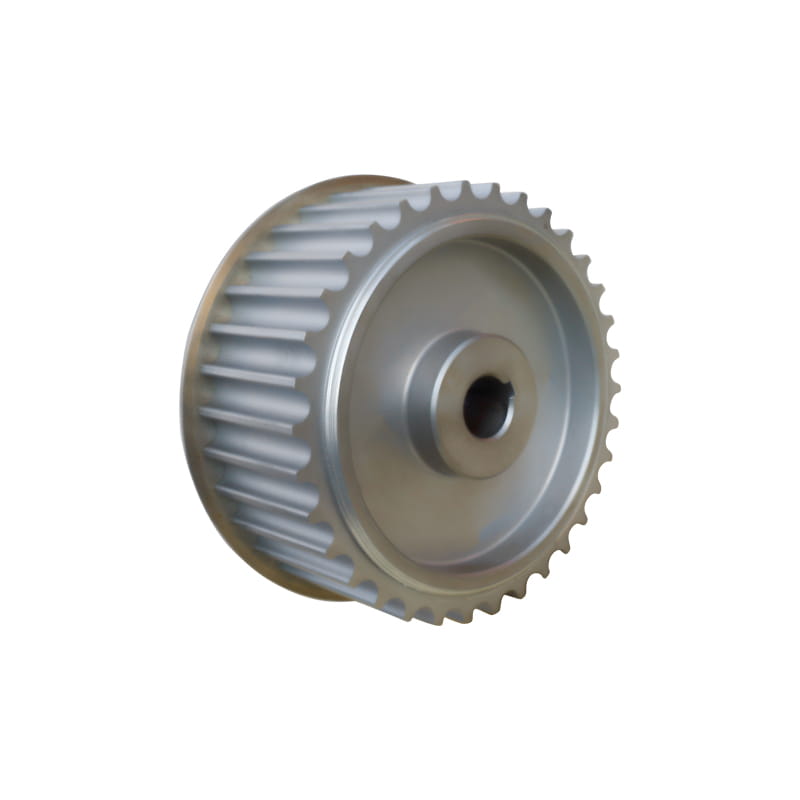
- Verify the driven requirement. If the machine needs timing, indexing or an exact ratio, the drive must be synchronous and the pulley must match the tooth profile, which also means checking the condition of the mating synchronous pulleys.
Matching Belt Style to the Application
Printing and packaging machines reward synchronous drives because register and cut length must repeat exactly, and high-speed packing lines often use endless belts to avoid a joint. Textile equipment is more mixed, with both frictional and synchronous drives present on the same machine. Food processing adds wash-down and hygiene constraints that push selection towards materials and constructions that tolerate moisture and cleaning chemicals.
Logistics and sorting systems frequently use ribbed or multi-V belts because they combine a large contact area with the ability to drive several rollers or accessories from a single belt. On those drives the choice is not cogged versus V so much as ribbed versus plain V, and the ribbed profile usually wins on load capacity per unit of width and on heat dissipation.
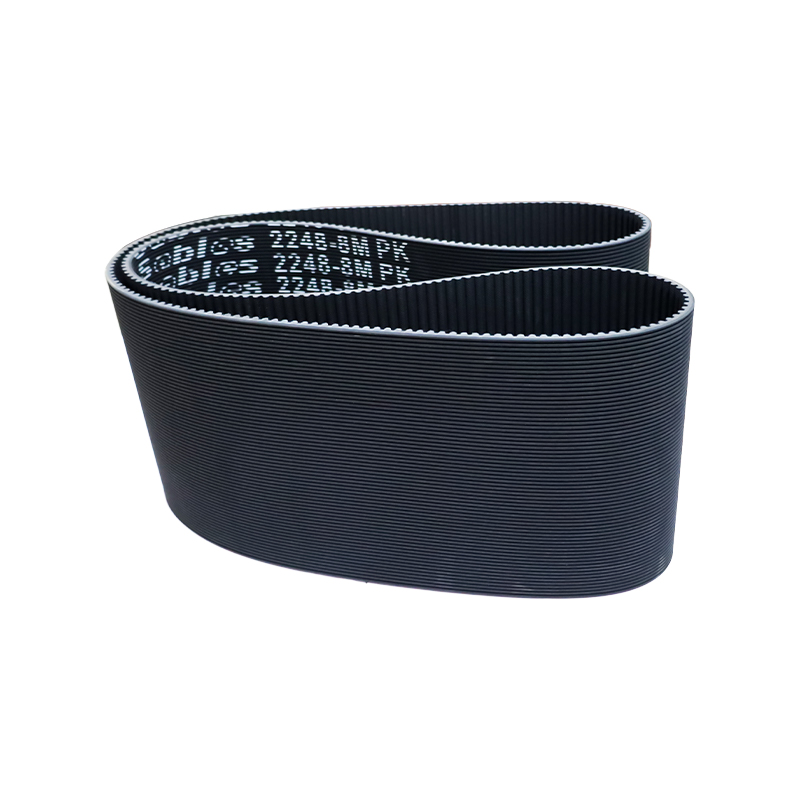
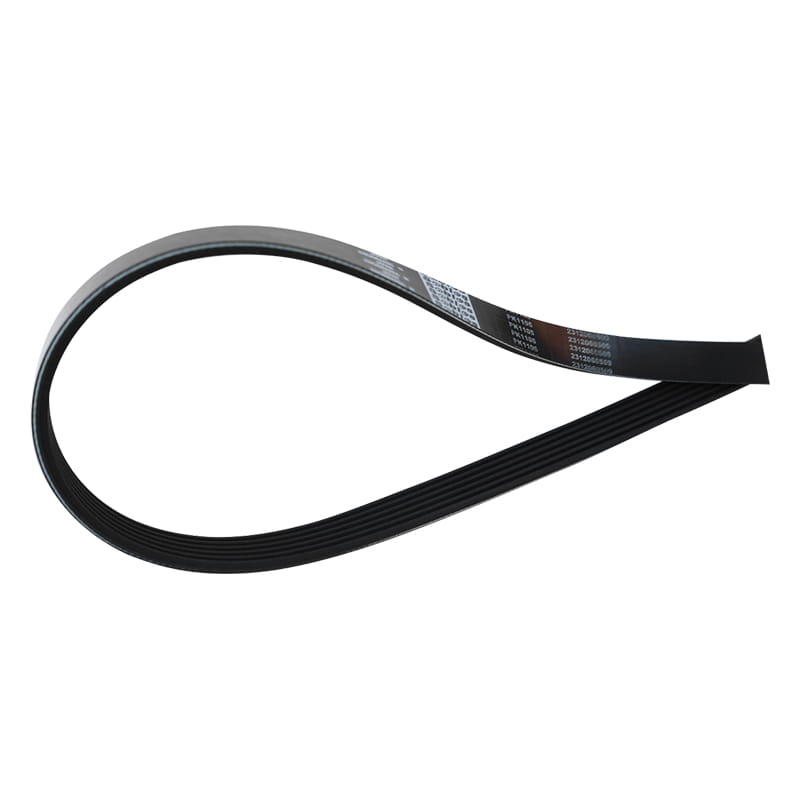 Rubber Ribbed Belt for Multi-Roller Drive SystemsA multi-V belt in PH, PJ, PK, PL, and PM profiles for compact drives needing higher power per width, multi-roller contact, and good heat dissipation.View Product →
Maintenance and Replacement Reality
The belt type changes what you check during routine service. On a V-groove drive, look for cracking at the base, glazing on the side walls, and a pulley groove worn into a step, because a worn groove lets even a new belt bottom out and slip. On a synchronous drive, check tooth wear, cord exposure and tension, since a worn pulley tooth profile will destroy a new belt in a short time regardless of belt quality.
Whichever route you take, tension and alignment are the two variables that decide whether a belt reaches its design life. Practical guidance on tensioning cycles, storage and inspection intervals is covered in this note on the maintenance and use of industrial synchronous belts, and the same discipline applies to friction drives.
Making the Call
If your drive has a V groove and the current belt keeps cracking on a small pulley, runs hot, or must bend over an idler, move to a cogged V-belt of the same section and expect a longer, cooler service life. If the drive is dirty, wet, shock-loaded or deliberately allowed to slip, stay with a wrapped V-belt and accept the shorter interval on compact pulleys.
If your belt has teeth, none of the above applies. That is a synchronous drive, and the comparison is between timing belt constructions and tooth profiles, not between a cogged belt and a V-belt. Identify the drive type first, then the belt material, then the environment. In that order, the decision usually makes itself.



 中文简体