A cracked roller cap rarely announces itself. The first sign is usually a grey line of rubber dust under the tail pulley, then a belt edge that starts fraying two weeks later, and finally a bearing that runs hot because fine powder has been drawn past a seal that no longer sits square. By the time the cap is identified as the root cause, the belt has often been replaced once already.
Conveyor end caps are small and cheap, which is exactly why they get treated as consumables. In practice they set the boundary conditions for three expensive things: bearing life, belt edge condition and product safety. Getting the material, the fit and the geometry right takes less time than a single unplanned stop.
What Conveyor End Caps Do on a Working Line
The term covers at least three different components, and mixing them up in a purchase order is one of the most common causes of a bad fit.
- Roller end caps close the ends of conveyor rollers and often serve as the bearing housing. They keep dust, washdown water and product debris out of the bearing and position the shaft or axle. On gravity and light duty powered rollers they are frequently moulded from nylon or glass filled polypropylene with an integrated labyrinth.
- Frame and tube end caps plug the open ends of round or square tube used for conveyor frames, guards and support legs. They remove a sharp edge, stop water and insects from collecting inside the tube and improve the appearance of the finished machine.
- Belt edge caps and end stops sit at the sides or ends of the belt path and guide or contain the belt edge. Here the geometry matters most. A generous radius and a low friction surface let the belt run against the cap without shaving the rubber or fabric edge.
All three share the same job. They are the interface between a moving or vibrating assembly and the environment around it. A cap that stays put and stays round is doing its work. A cap that has worked loose is a contamination risk on food and pharmaceutical lines, and a snag risk everywhere else.
Materials: Matching the Cap to the Environment
Material choice is driven by four variables: operating temperature, chemical exposure, required retention force and the cost of the cap failing. A general purpose LDPE cap that works well on a dry logistics sorter will deform in a 70 C dryer section or absorb oil in a machining cell.
Indicative material comparison for conveyor end caps. Temperature values are general guidance and should be confirmed against the supplier datasheet for the specific grade.
| Material |
Typical application |
Service temperature |
Notes |
| LDPE |
Light frame tube caps, temporary protection |
Up to about 60 C |
Low cost, flexible, weak retention, poor UV stability unless stabilised |
| HDPE |
General frame and roller caps |
Up to about 80 C |
Good chemical resistance, stiffer than LDPE, suited to press fit |
| Polypropylene |
Roller caps, washdown areas |
Up to about 100 C |
Good moisture and chemical resistance, limited low temperature impact |
| Nylon PA6 or PA66 |
Bearing housings, high load roller caps |
Up to about 120 C |
High strength and wear resistance, absorbs moisture, needs tight tolerance control |
| TPU |
Abrasion or impact prone positions |
Up to about 90 C |
Tough and flexible, good for snap fit features |
| Rubber EPDM or NBR |
Sealing caps, vibration damping |
Up to about 120 C |
Excellent sealing, less suited to structural retention |
| Zinc plated steel |
Heavy frames and welded structures |
Up to about 200 C |
Strong, needs corrosion protection, heavier than polymer |
| Stainless steel 304 or 316 |
Food, chemical and washdown lines |
Up to about 400 C |
Corrosion resistant, higher cost, check for crevice traps |
| Aluminium |
Machined caps, precision frames |
Up to about 200 C |
Light, machinable, anodise for wear and corrosion |
On food contact and pharmaceutical conveyors the material is only half the question. The cap also has to be cleanable, which means no open crevices, no trapped volume behind the flange and no porous surface that holds product residue. Stainless steel, or a smooth non absorbing polymer with a sealed fit, is normally the practical answer.
Fit and Tolerances: Why Caps Come Loose
Most loose caps are a tolerance problem rather than a material problem. The dimensions that decide the outcome are the tube or roller outside diameter, the cap inside diameter and the wall thickness of the tube itself.
- Measure the tube outside diameter at three positions around the circumference. Seamless tube can be oval by 0.2 to 0.3 mm, which is enough to make a nominal press fit fail on one side.
- Confirm the cap inside diameter and specify the interference. A typical plastic press fit runs 0.2 to 0.5 mm interference on a 30 mm tube. More than that and the cap cracks during assembly, less and it walks out under vibration.
- Check the lead in chamfer. A 1 to 2 mm chamfer on the cap bore makes hand fitting practical and reduces the risk of shaving material off the tube end.
- Allow for thermal expansion. A polypropylene cap on a steel tube at 60 C loses part of its grip as the polymer softens, so a mechanical retention feature such as barbs, a screw fixing or a groove is worth the extra cost on hot lines.
- Verify the assembled profile. The cap should sit flush with the pulley face or the roller end, with no lip that can catch a belt edge or a product.
How End Caps Influence Belt Edge Wear and Tracking
The link between a frame cap and belt life is easy to miss until you watch a belt run. A belt drifts a millimetre or two within its tracking range under normal load variation. If the cap that stops that drift has a sharp corner, the belt edge is abraded a little on every revolution. On a continuous line that becomes hundreds of thousands of contacts per day, and the result is a frayed edge, exposed tensile cords and eventually a splice failure.
The practical fix is geometry. Use a cap with a generous radius, a chamfered lead in and a low friction surface, and keep 1 to 2 mm of clearance between the cap and the belt edge at rest. Where the belt is sensitive to edge damage, such as a thin flat belt running at high speed on a packing machine, the cap should act as a guide rather than a hard stop. The wider relationship between belt tracking and conveyor structure is covered in our notes on conveyor belt design for logistics operations.
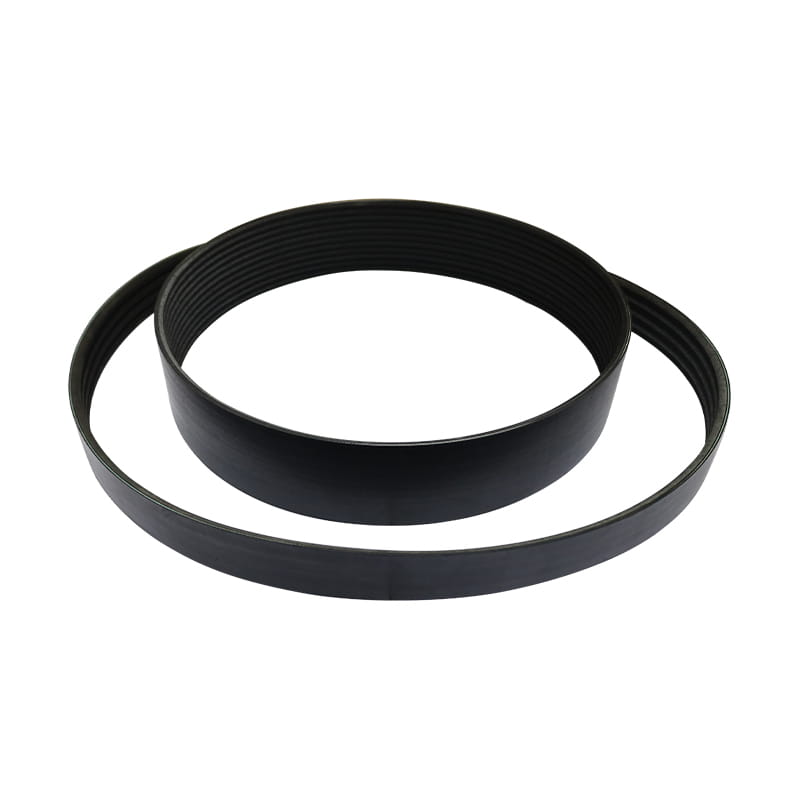
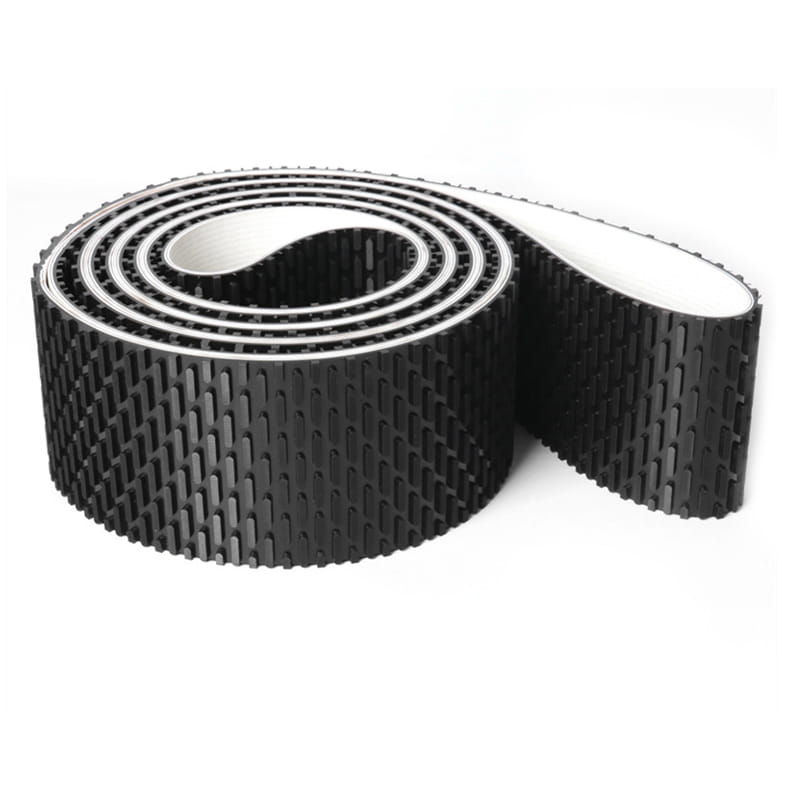
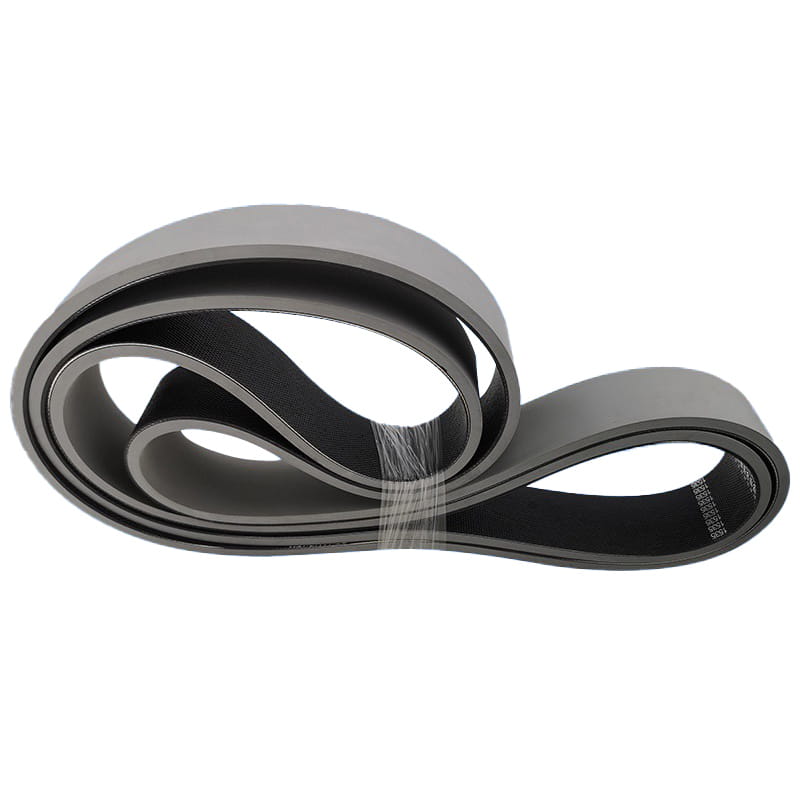 Endless Rubber Flat Belt for High-Speed TransmissionAn endless rubber flat belt for high-speed, low-elongation transmission, suited to stable operation in textile, woodworking, grinding and similar compact machinery.View Product →
Failure Modes and a Practical Inspection Routine
End caps fail in a small number of predictable ways, and knowing them makes inspection quick.
- Cracking from UV and ozone. Outdoor or skylight exposed frame caps go brittle within two to three years unless the grade is UV stabilised. The crack usually starts at the flange corner.
- Retention loss. Vibration, thermal cycling and repeated washdown soften or creep the polymer until the cap works out of the tube. A missing cap is a food safety incident on a food line, not just a cosmetic problem.
- Seal failure at the bearing. Once the labyrinth or lip is damaged, fine dust reaches the bearing grease, bearing temperature rises and the roller eventually seizes.
- Edge abrasion of the belt. Sharp or worn caps shave the belt edge, producing rubber or fabric dust and shortening belt life.
- Chemical attack. Oils, solvents and some cleaning agents swell or dissolve lower grade polymers, which changes the cap dimensions and the fit.
A simple routine covers most of it. Check cap retention by hand at every planned stop, look for rubber or fabric dust under the tail end, measure bearing temperature on the hottest roller, and replace any cap showing a crack, a white stress mark or a loose fit rather than waiting for it to fall out.
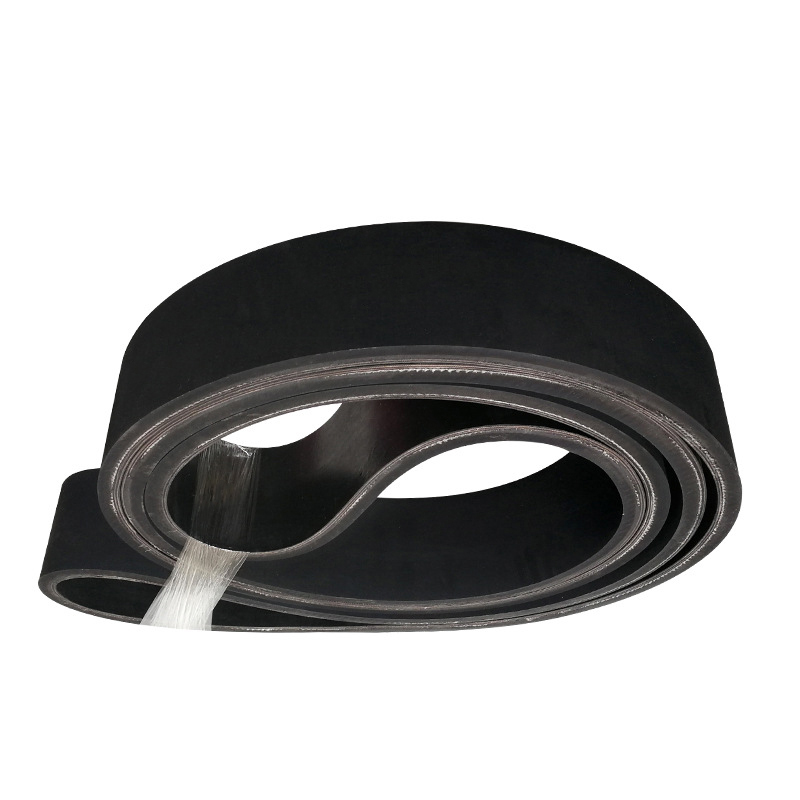
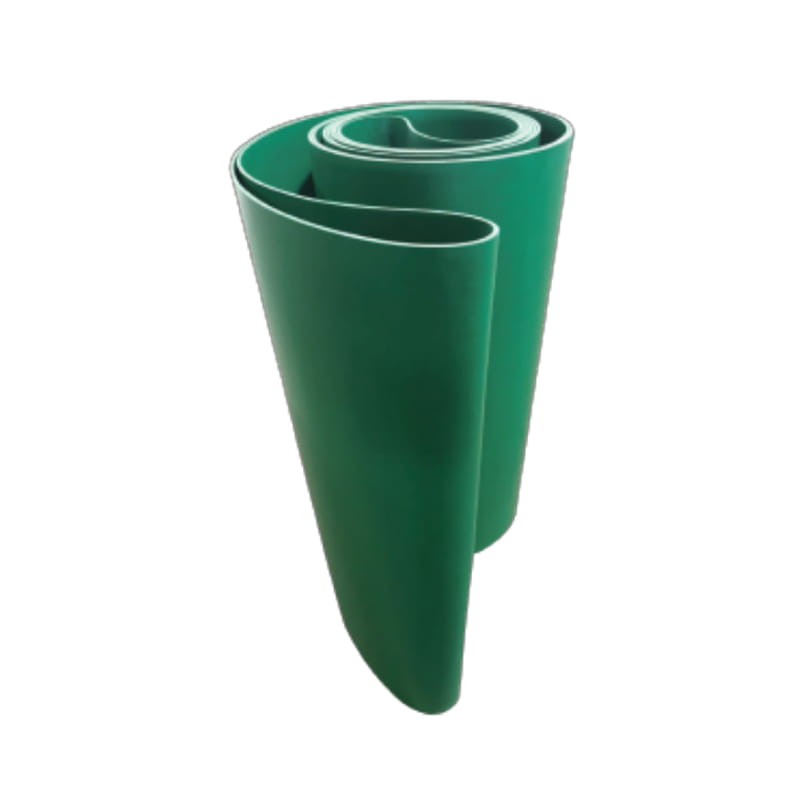 Rubber Conveyor Belt with Customizable Cover and CoreA rubber conveyor belt with customizable thickness and cover compounds for wear, cut, heat, oil and impact resistance in demanding conveying duties.View Product →
Sourcing Checklist for Conveyor End Caps
When you specify caps for a new line or a retrofit, these points prevent most returns and rework.
- State the tube or roller outside diameter, the wall thickness and the required interference, not just the nominal size.
- Ask for the material grade rather than the family name. UV stabilised, food contact approved and glass filled grades behave differently from the base polymer.
- Confirm the temperature and chemical exposure of the actual position, including washdown agents and lubricants.
- Request a sample cap and fit it to a section of the real tube before placing a batch order.
- Check batch consistency on colour and dimension, since caps from different moulds often differ at the flange.
- Keep a small spare stock of the two or three most common sizes, because a missing cap is usually discovered at the worst possible moment.
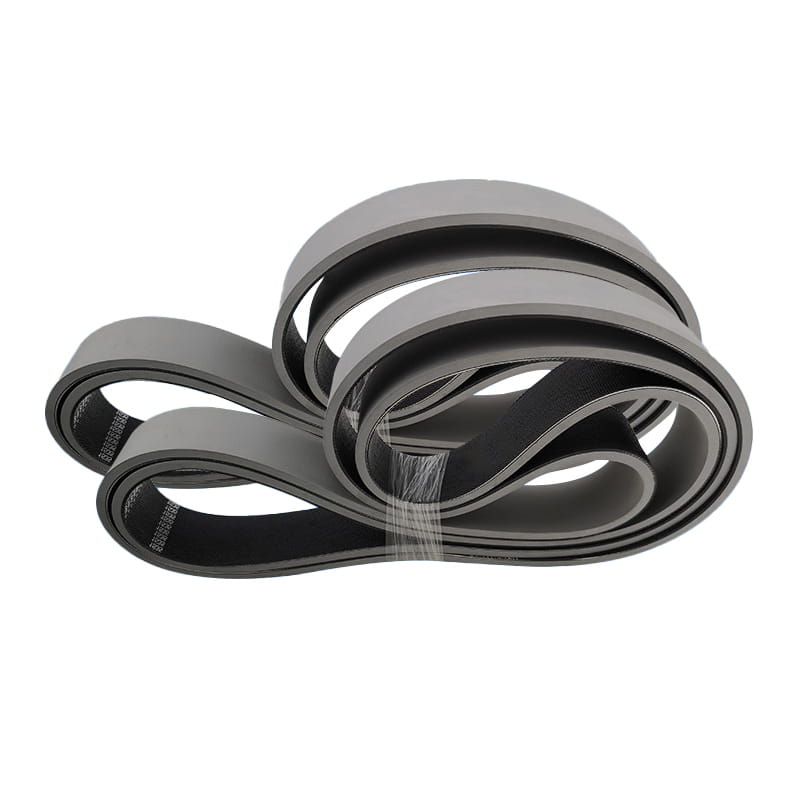
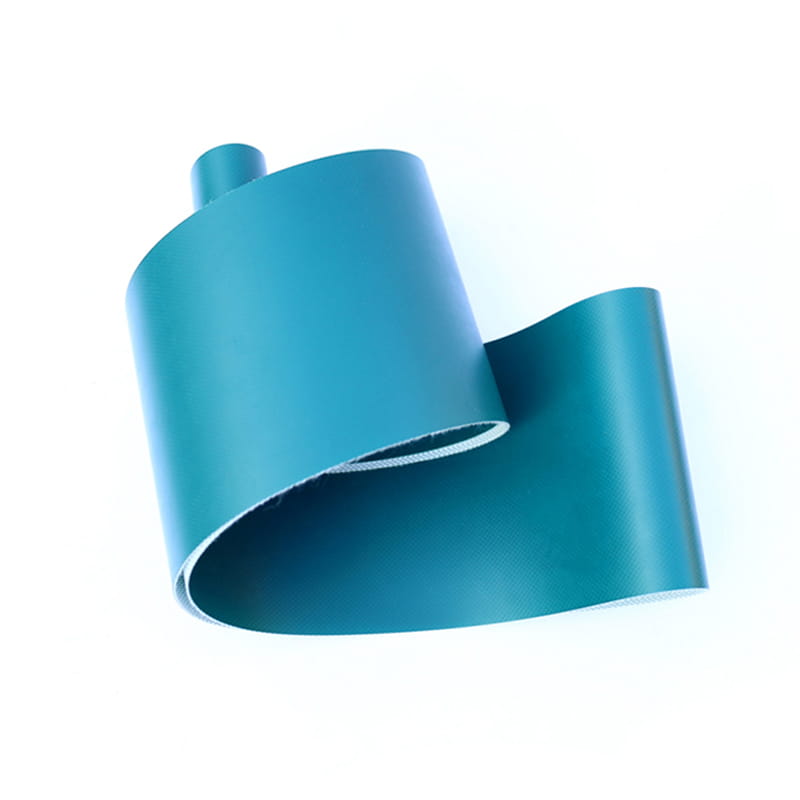 Light Duty Conveyor Belt for Compact High-Speed LinesA thin, flexible light conveyor belt available in rubber, PVC or PU constructions for stable operation in food, logistics and textile machinery.View Product →
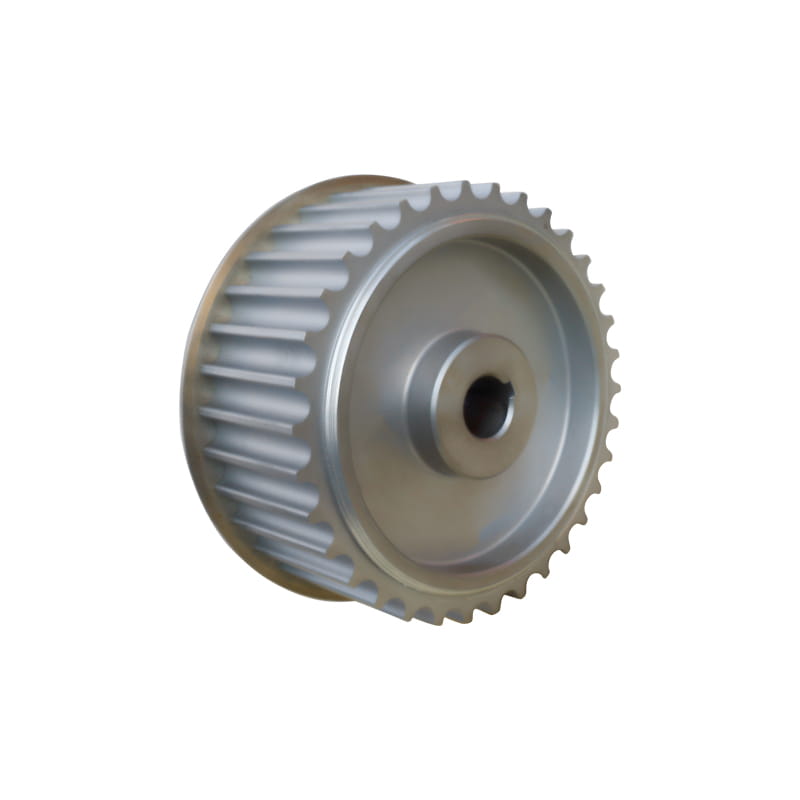
End caps are a minor line item, but they sit at the junction of three failure paths: bearing contamination, belt edge damage and product contamination. Specifying them with the same care as the belt and the pulley is the cheapest reliability improvement available on most conveyor systems. If you are building or rebuilding a line, review the belt, the pulley and the caps together rather than in three separate purchase orders.



 中文简体