A maintenance engineer holds a worn belt from a packaging line and reads the replacement note: "60A." Is that soft, medium, or hard enough to keep the line running? The short answer is that 60A sits in the middle of the Shore A scale. It is moderately firm, flexible enough for many rubber parts, and firm enough to resist light indentation. It is not a complete material specification. Two belts can both test 60A and behave very differently in oil, heat, small pulleys, or high-speed reversing drives.
Treat durometer 60A as a starting point for compound selection, not a guarantee of service life. The number tells you how a material responds to a pointed indenter under a defined test. It does not tell you the polymer, the tensile strength, the cord, the surface finish, or the compression set.
What Durometer 60A Means on the Shore A Scale
Shore A is the common durometer scale for softer rubber and elastomers. The scale runs from 0 to 100, and a higher number means greater resistance to indentation. At 60A, a material is past the soft, gel-like end, but well below hard rubber and rigid polyurethane. It feels like a firm tire tread or a stiff leather belt. It can flex, grip, and recover, yet it still yields to a thumbnail under moderate pressure.
Because it sits near the middle, 60A is a practical compromise for parts that must conform without becoming spongy. For belts and covers, it can offer useful friction without excessive rolling resistance, provided the compound suits the load and speed.
Shore A examples are approximate and vary by compound, filler, temperature, and test method.
| Shore A range |
Feel |
Typical examples |
Belt-related note |
| 40A |
Soft |
Rubber band, eraser |
High conformability, low load capacity |
| 50A |
Medium soft |
Soft gasket, gripper pad |
Good grip, higher creep risk |
| 60A |
Medium |
Tire tread, leather belt |
Balance of grip and support |
| 70A |
Medium firm |
Hose cover, hard roller |
Better wear and load, less conformability |
| 80A |
Firm |
Hard rubber wheel, solid PU roller |
Wear resistance, limited flex |
Where 60A Fits in Belts, Covers, and Rollers
In a belt, hardness can refer to the body compound, a friction cover, a coating, or a molded profile. Those are not the same. A rubber synchronous belt may use a firm body to carry tooth load, while a coated belt may use a softer surface layer to grip a product or reduce marking. A 60A cover is often chosen when the belt must press against an uneven surface, run around a small pulley, or avoid damaging the conveyed item. The base belt still has to handle tension, tooth shear, and heat.
For a rubber synchronous belt, the tooth profile and tensile cord do most of the load-carrying work. Hardness affects how the tooth flank seats in the pulley and how much heat builds up in flexing. A 60A compound may suit a light-duty drive with modest torque, but it is not automatically right for a high-torque drive with a small pulley.
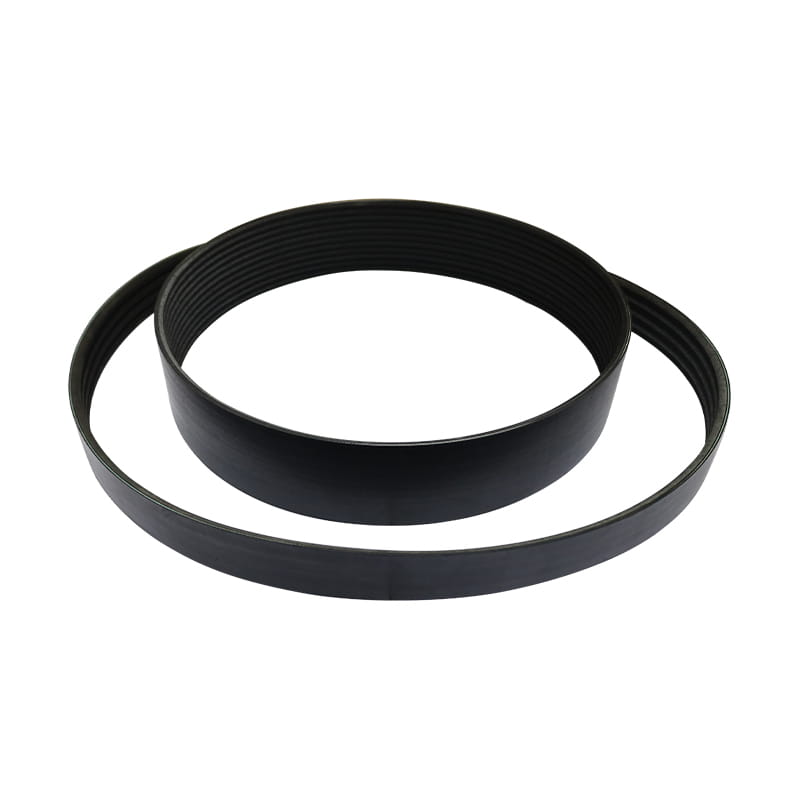
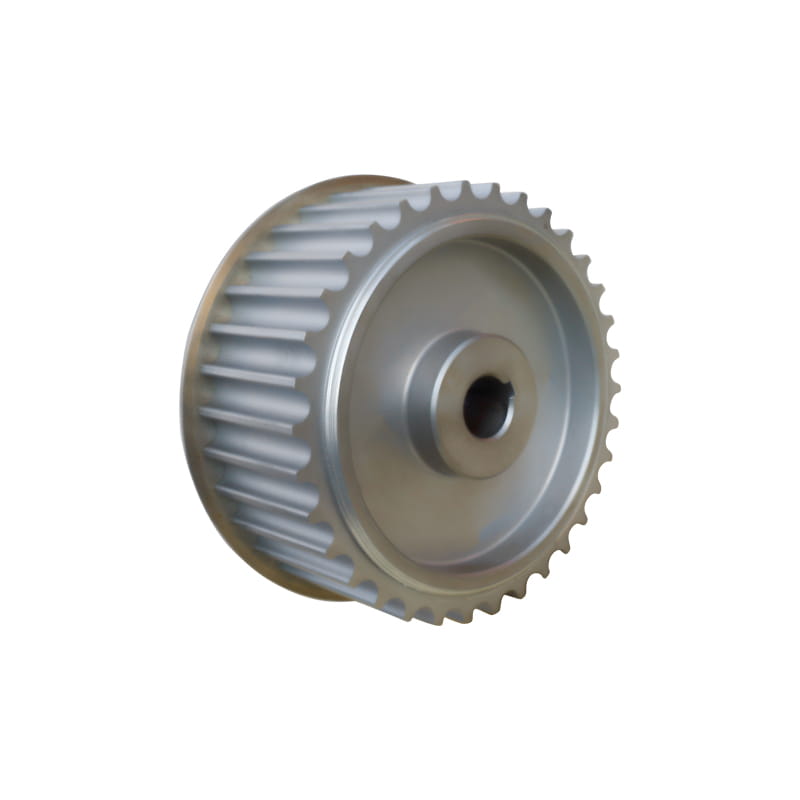
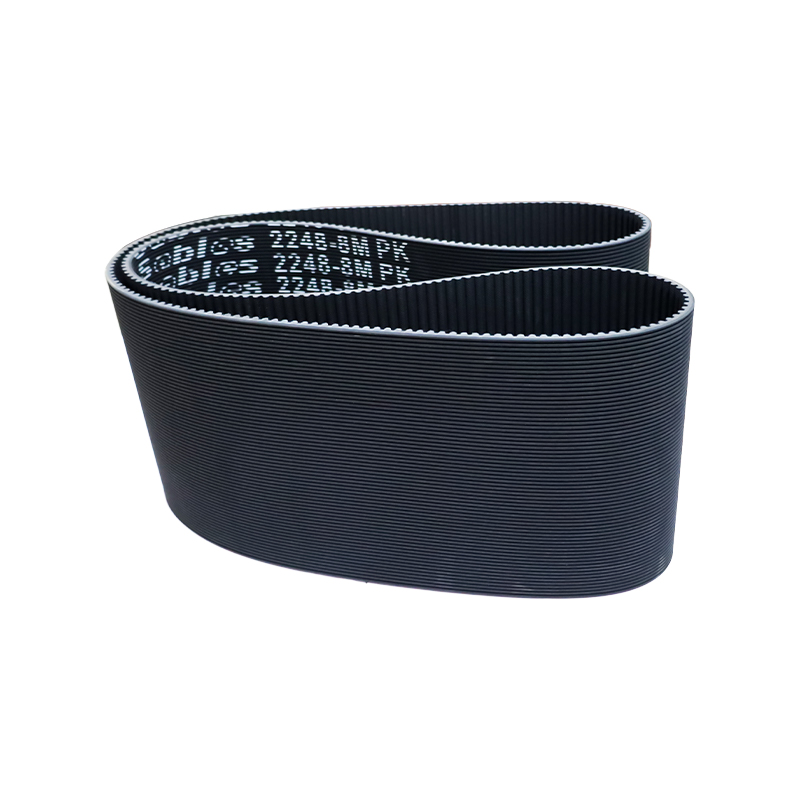
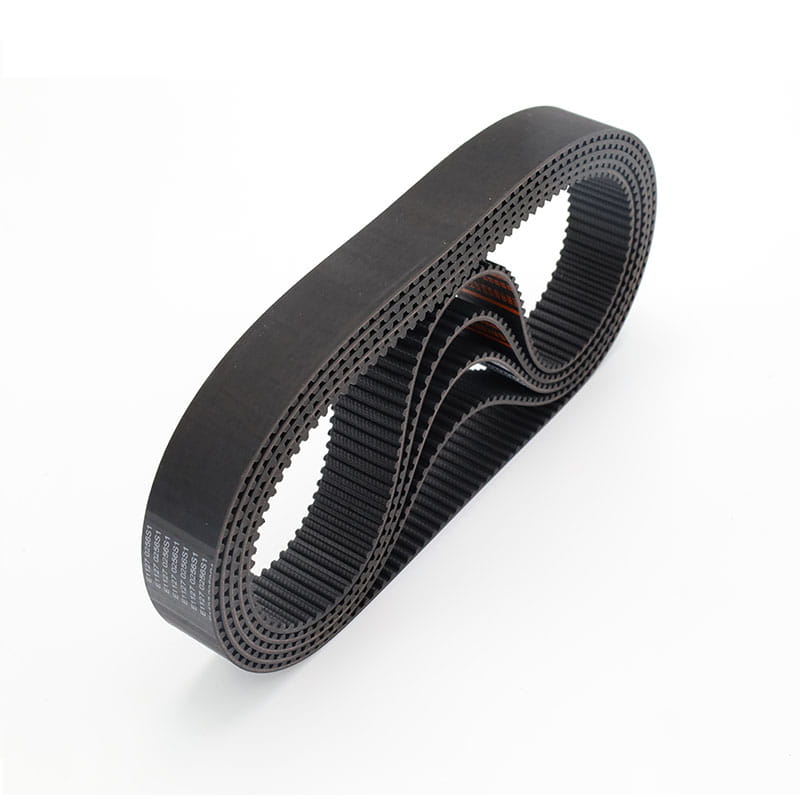 Rubber Synchronous Belt Series for Positioning and Power TransmissionView this rubber timing belt series with glass fiber cord, chloroprene rubber, and nylon tooth layer; compare profile and hardness for your drive.View Product →
For coated and flat belts, surface texture, coating thickness, and the mating material matter as much as hardness. A soft 60A coating can mark less and conform better, but it may wear faster on abrasive edges or in continuous sliding contact.
60A Compared with 50A, 70A, and 80A
The difference between 50A and 60A is easier to feel than to describe. A 50A rubber is noticeably more compliant. It can grip a curved surface with less pressure and may seal better against irregularities. The trade-off is higher friction, more heat build-up, and a greater risk of creep under steady load. A 70A rubber feels firmer. It usually carries load better and wears longer in sliding contact, but it may not conform as well to a rough surface or a small pulley. An 80A material is hard rubber territory, useful for wear resistance but less forgiving in tight bends.
These comparisons are directional, not universal. Compound chemistry can outweigh a five-point hardness difference. A well-formulated 60A rubber can outperform a poorly cured 70A rubber in fatigue life. Read hardness with tensile strength, elongation, tear resistance, compression set, and dynamic test data.
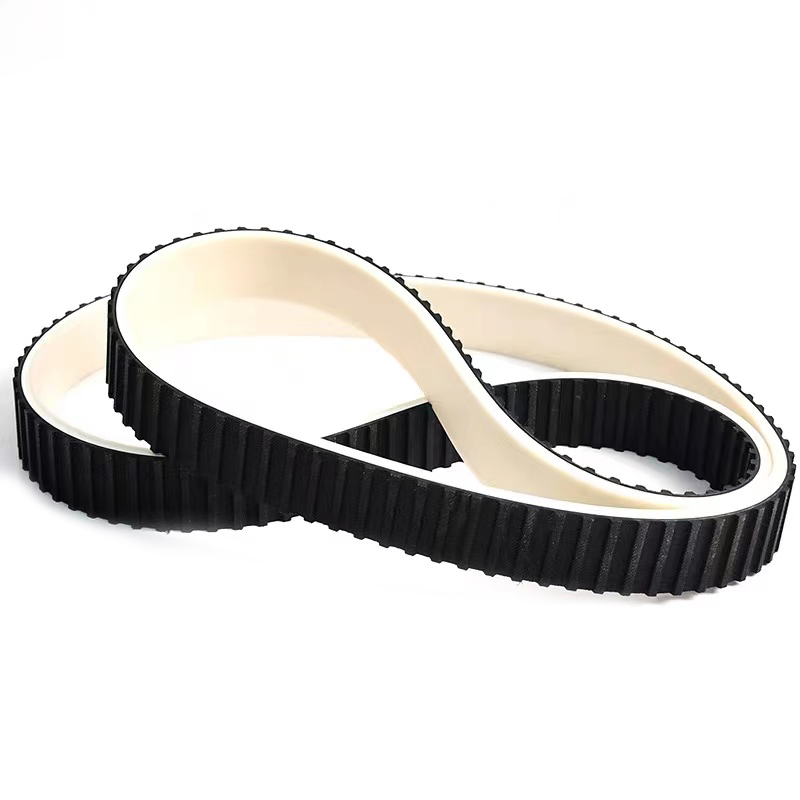
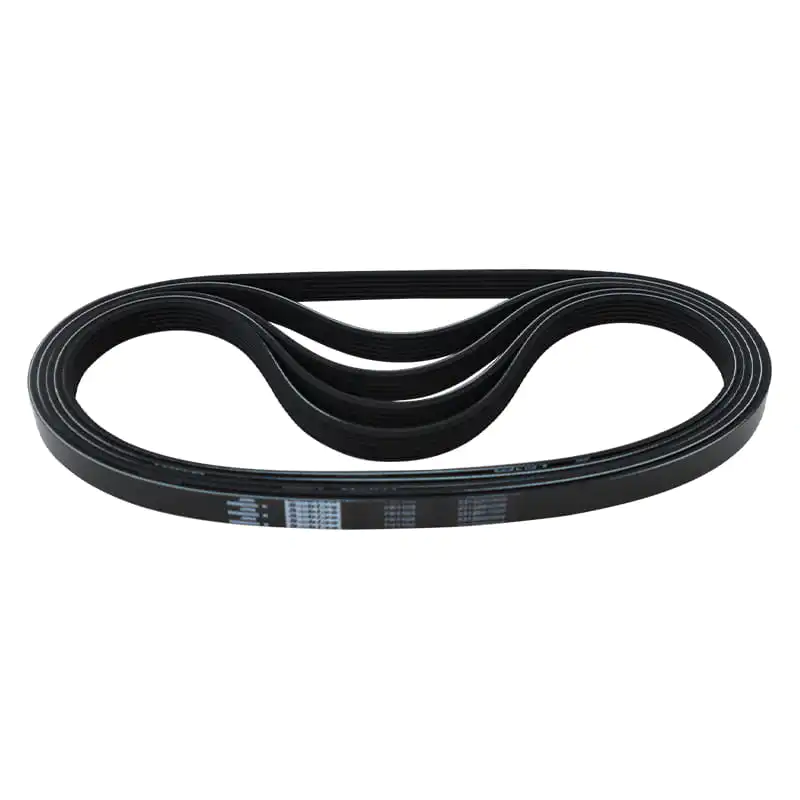
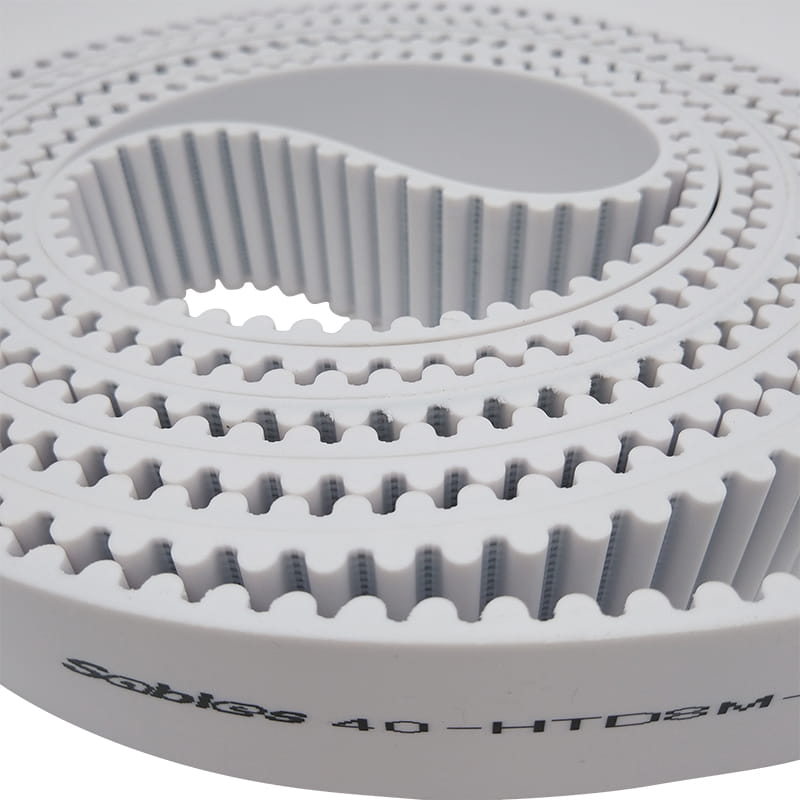 Polyurethane Synchronous Belt for Linear Positioning and ConveyingReview this PU timing belt range with wire or Kevlar cord and multiple profiles; confirm hardness, load, and width needs for positioning or conveying.View Product →
Polyurethane is a good example. PU can be made in a wide hardness range, but many load-carrying PU timing belts are formulated well above 60A. If a PU belt is quoted at 60A, ask whether that figure applies to the belt body, a coating, or a test coupon. A soft PU grade may suit gentle conveying or low-noise contact, but it may not be right for a high-torque drive.
Test Conditions Matter More Than the Headline Number
A 60A result is only meaningful when the test method is stated. Shore A readings change with specimen thickness, temperature, reading time, and surface condition. A thin belt section can read harder than the same compound in a thick test slab. A cold belt can read harder than a warm one. A curved belt surface can give a different result from a flat coupon.
For rubber, ASTM D2240 and ISO 868 are common references. A useful report should state the standard, conditioning temperature, reading time, and tolerance. A specification of 60A plus or minus 5 points is common for production rubber, but the acceptable band depends on the application and the supplier's capability. A median of several readings, taken away from edges and fabric, is better than a single spot check.
- Confirm the standard and the reading time, usually 1 second or 15 seconds.
- Check specimen thickness and whether stacked coupons were used.
- Record the test temperature, because a belt tested at 23 C is not the same as one tested at 60 C.
- Ask for the tolerance band and the number of readings behind the reported value.
If the belt is thin, reinforced, or curved, a direct reading on the finished part can mislead. A test coupon from the same batch is often the better reference.
Procurement Risks When 60A Is the Only Specification
The most common procurement mistake is to order a belt by hardness alone. A supplier can meet 60A and still deliver a compound with poor oil resistance, high compression set, or weak adhesion to the tensile cord. In a timing belt, tooth shear and cord pull-out may fail the drive before surface hardness becomes an issue. In a flat belt, friction and tracking may matter more than the durometer number.
For a coated belt, separate the requirements for the base belt and the coating. State coating hardness, thickness, surface finish, and the product it will contact. For a rubber synchronous belt, include tooth profile, pitch, cord type, operating temperature, pulley size, and torque profile. For a flat belt, include minimum pulley diameter, load, speed, and whether the belt runs on the back side.
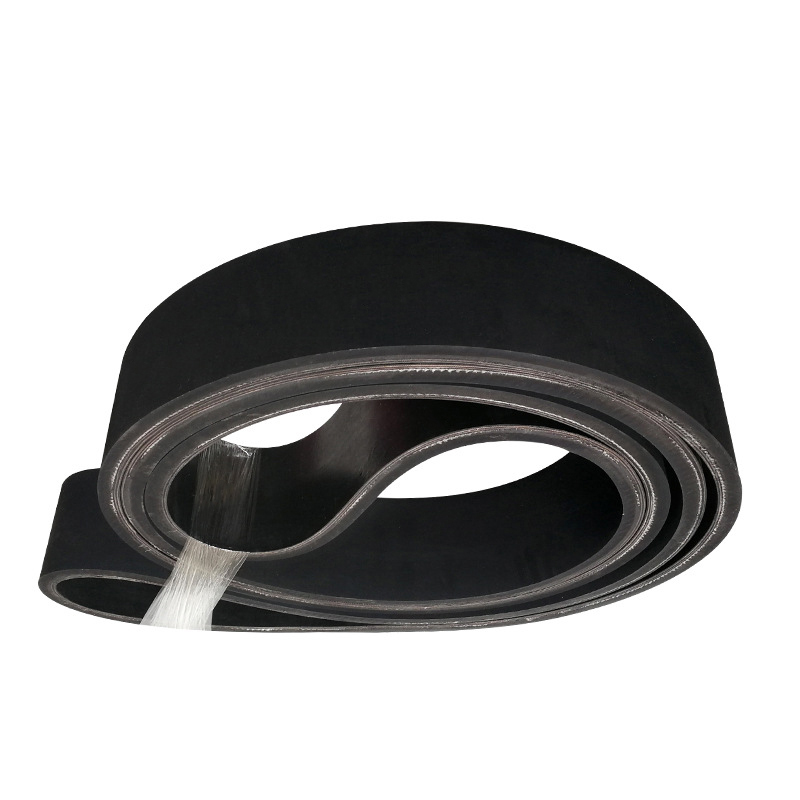
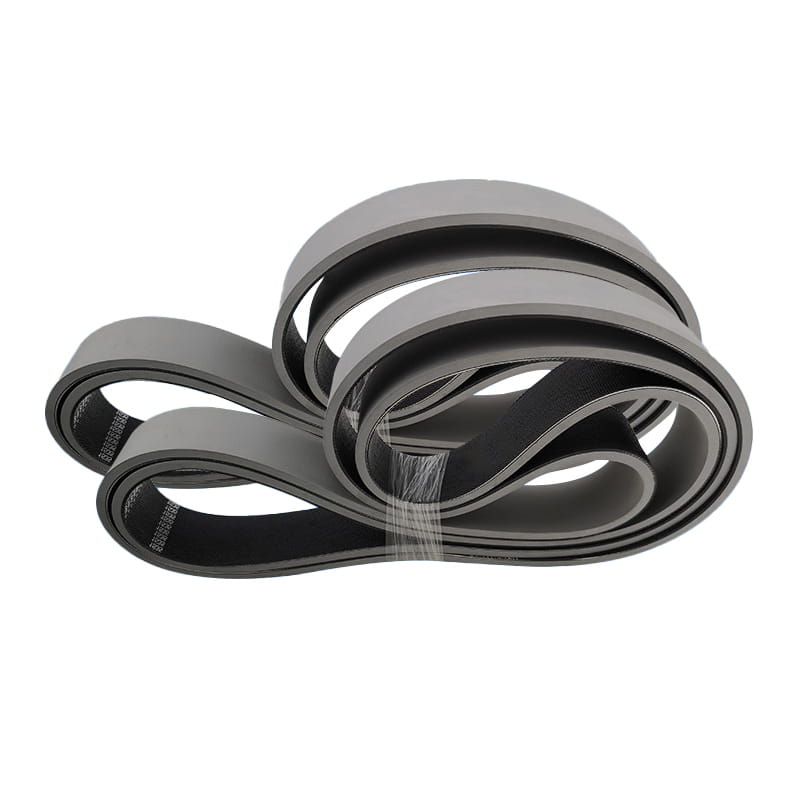
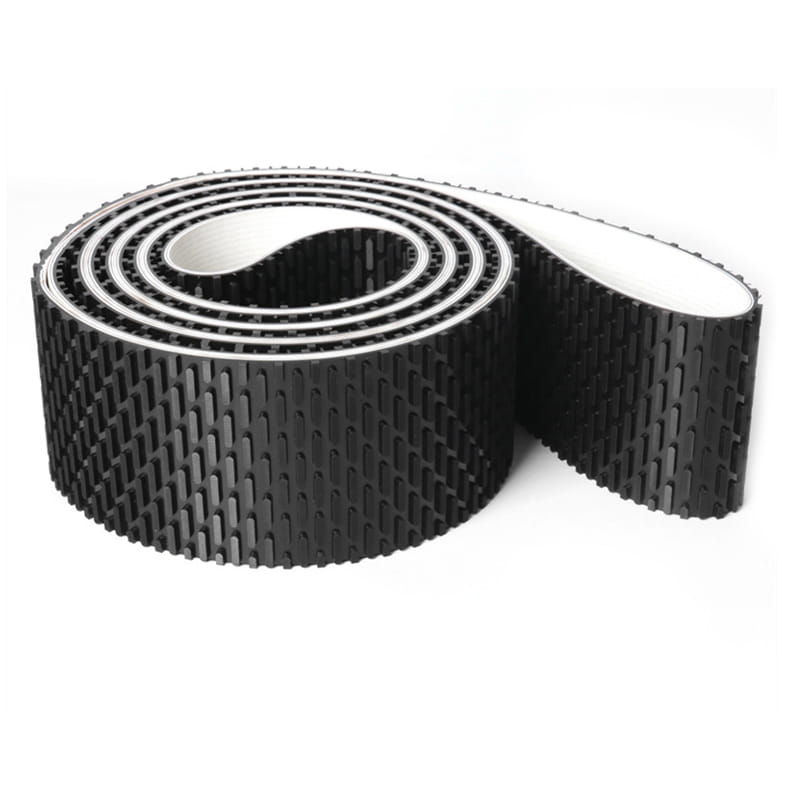
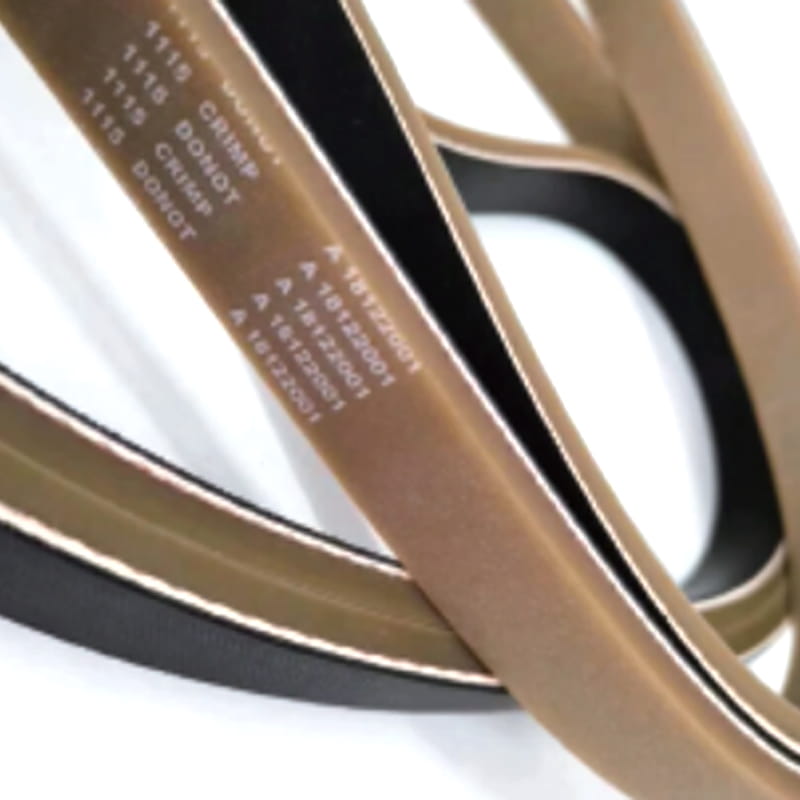 Coated Rubber Belts for Friction Drives and ConveyingCompare rubberized timing belts and adhesive flat tape with high-friction surfaces and custom grooves or holes; specify base belt and coating needs.View Product →
Long-term deformation deserves its own check. A belt that feels correct at 60A when new can still creep or develop a set after months under tension. The article on long-term deformation of rubber synchronous belts explains why installation tension and compound choice should be reviewed together. Hardness alone will not predict that behavior.
A Practical 60A Checklist for Belt Buyers
When a drawing or sample says 60A, use it as a conversation starter. Ask what the number refers to, how it was measured, and what else the compound must do. A belt slightly harder or softer than 60A may still work well if the compound and construction suit the drive. A belt that matches 60A but lacks the right cord, tooth geometry, or heat resistance may fail early.
- Define the part: belt body, cover, coating, or roller surface.
- State the hardness range, test standard, and reading time.
- Add application data: pulley size, load, speed, temperature, oil, and cleaning chemicals.
- Request batch-specific test data and a sample coupon where possible.
- Check compression set, abrasion, and cord adhesion, not only durometer.
At Jiangxi Kangqi, rubber synchronous belts, PU timing belts, flat belts, and coated belts are reviewed against the actual drive or conveyor condition. The useful question is not simply "Is it 60A?" It is "Does this 60A compound hold its hardness, grip, and shape through the service life of the belt?"
60A is a sensible middle ground for many flexible rubber parts. Use it with a defined test method, a realistic tolerance, and a full compound specification. Then the number becomes a useful control point rather than a false promise.



 中文简体