A ready-meal processor replaces a white silicone belt on a vegetable cutting line every eight weeks. The belt looks clean, passes a visual check, and carries a supplier note saying food grade. Yet the line still fails swab tests at the splice. The issue is rarely the color of the silicone. It is the cure system, the compound behind the claim, and the way the belt was fabricated. Food grade silicone should be treated as a documented material and process decision, not a label. The practical answer is to buy against a food contact specification, verify migration and cure data, and match the belt construction to temperature, oil load, cleaning chemistry, and the mechanical demands of the line.
What Food Grade Silicone Means in a Belt Specification
Food grade silicone usually refers to a silicone elastomer formulated for repeated food contact. The base polymer is typically polydimethylsiloxane, reinforced with fumed silica and cured into a rubber. The food grade part comes from the formulation and the evidence behind it. The polymer, fillers, catalysts, pigments, and processing aids must be suitable for food contact, and extractable or migratable substances must stay within the applicable limits.
In the US, suppliers commonly cite FDA 21 CFR 177.2600 for rubber articles intended for repeated use. In the EU, framework regulation 1935/2004 applies, along with national rules and recommendations such as German LFGB and BfR XV for silicone. These are not interchangeable stamps. A belt that meets one market may not satisfy another without additional testing.
Cure chemistry matters. Platinum-cured silicone is addition-cured and generally preferred for food contact because the reaction is clean and does not rely on peroxide decomposition products. Peroxide-cured silicone can be formulated to comply, but residues and by-products need to be controlled. Post-curing also matters because it removes volatiles and stabilizes hardness. A low-cost belt that skips proper post-cure may smell, taste, or change hardness after steam cleaning.
Colorants and fillers are another risk point. Blue is popular because it is visually detectable, but the pigment must also be compliant. The same applies to fabric reinforcement, adhesives, and edge sealants. The food contact surface is only one part of the belt. Cut edges and splices can expose materials that never appear on the data sheet.
Where Food Grade Silicone Belts Fit on a Food Line
Silicone earns its place where release, temperature range, and flexibility matter more than abrasion resistance. Common examples include dough sheeting, bakery depanning, chocolate and confectionery handling, frozen food transfer, vegetable cutting, fish separation, nut shelling, and packaging machinery where product sticking is a problem. The material remains flexible at low temperatures and tolerates hot washdown better than many general-purpose elastomers.
A food grade silicone belt is also useful when the product is delicate. Its surface can release sticky food without a heavy release agent, and its low hardness grades can wrap small or uneven items without marking them. For these jobs, the belt often needs a fabric backing for tracking and a sealed edge to reduce soil traps. This is where construction choices outweigh the raw compound.
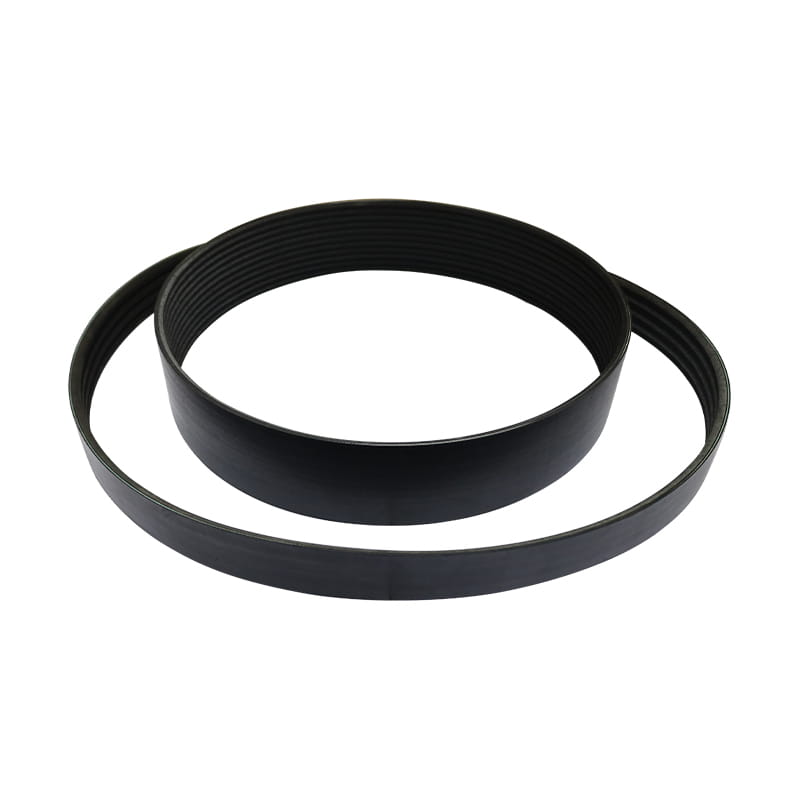
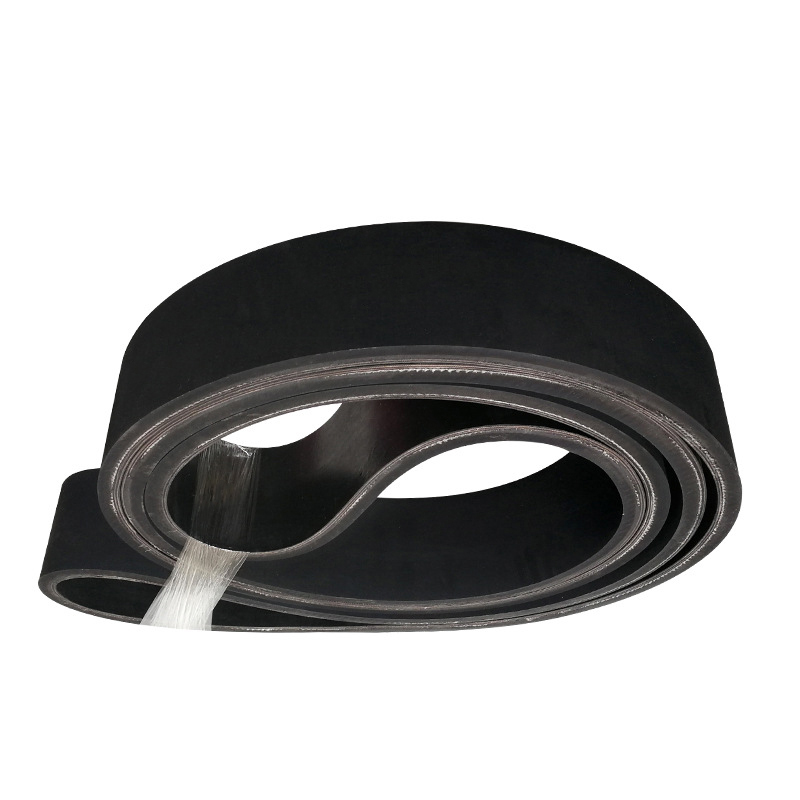
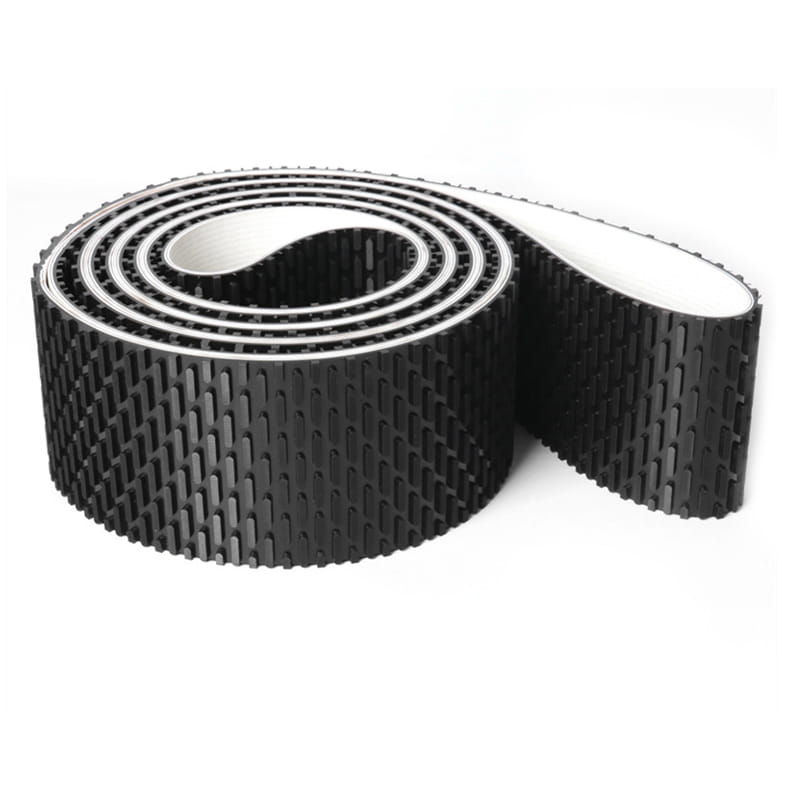
 Food-Grade Silicone Flat and Synchronized BeltsFor delicate food contact conveying, this silicone belt offers anti-stick release, high friction, and high-temperature resistance; construction choices support tracking and cleaning.View Product →
For light-duty conveying, a light conveyor belt may be a better mechanical fit than a pure silicone belt, especially where the belt runs long, carries heavy loads, or needs high tear strength. Silicone is not the answer to every food contact problem. A line that handles hot frying oil, sharp bones, or abrasive crumbs may need a different cover compound or a reinforced construction.
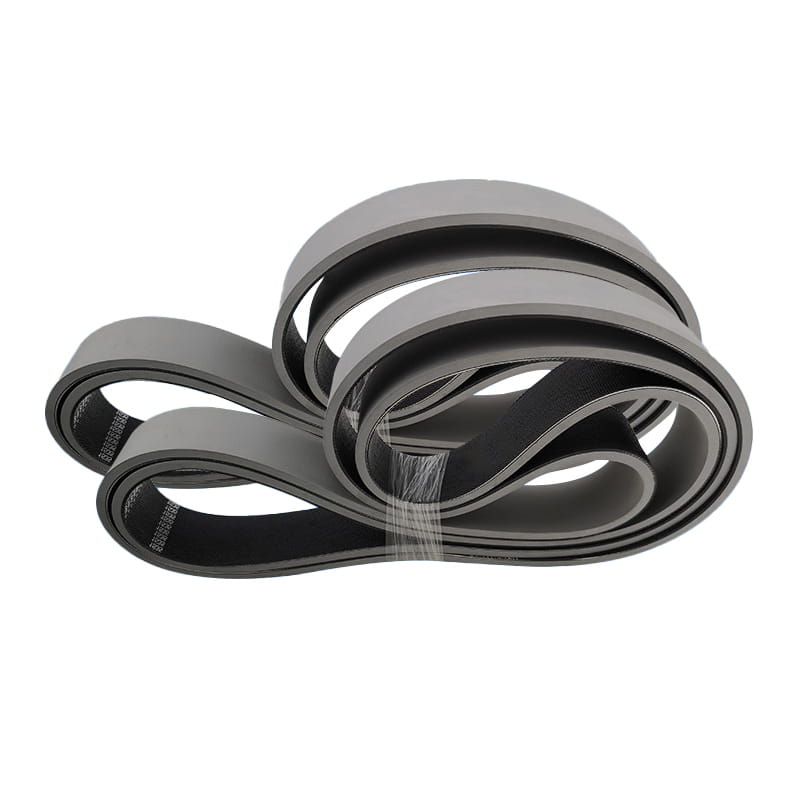
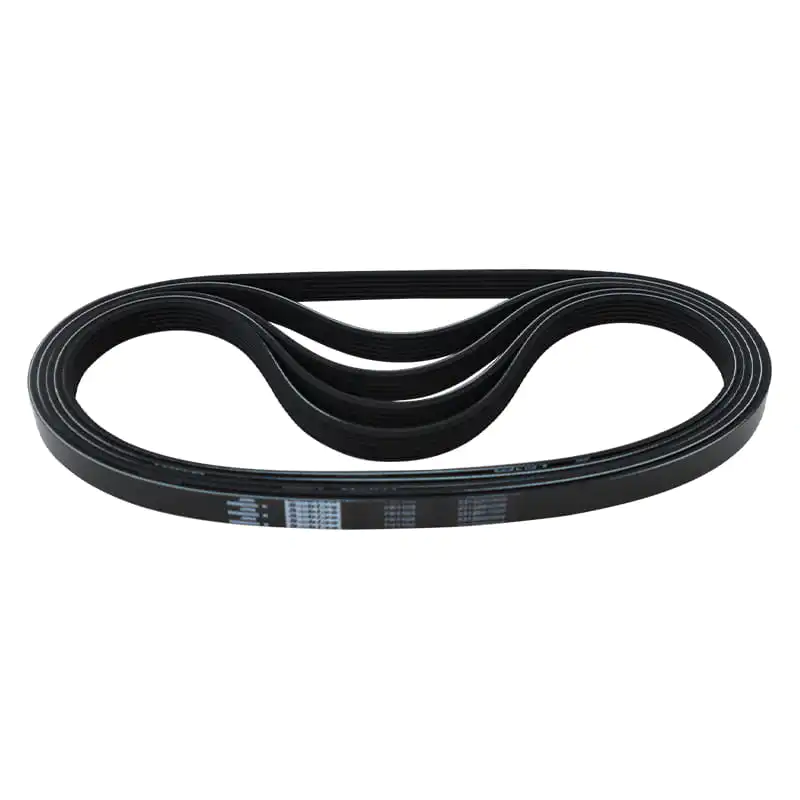
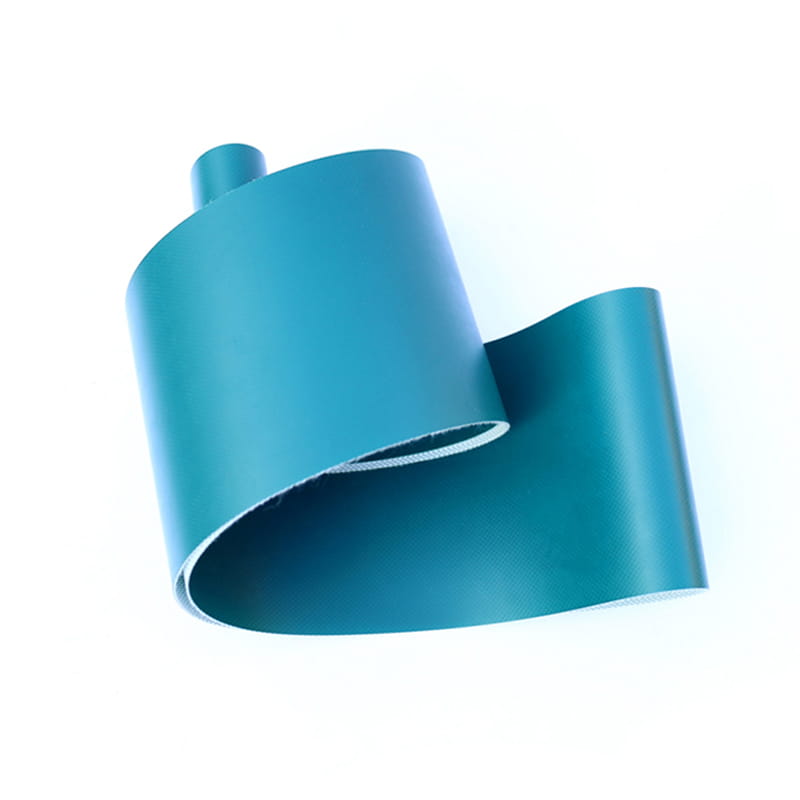 Light Duty Conveyor Belts for Food and LogisticsExplore rubber, PVC, and PU light conveyor belts for compact, high-speed lines in food, medical, logistics, and packaging, where thin, flexible, stable belts suit light-duty conveying.View Product →
Food grade silicone should not be selected only because it is white, translucent, or blue. The real question is whether the belt can be cleaned, inspected, and replaced without creating a hidden soil trap. Open fabric edges, rough splices, and deep cleats are often a bigger hygiene risk than the base polymer.
Key Properties and Trade-Offs
Temperature range is one of the strongest reasons to choose silicone. Many food grade silicone belts are rated for continuous service from about -60 C to 200 C, with short excursions higher. That range covers freezer tunnels, oven exits, and hot washdown. However, temperature resistance does not equal oil resistance. Silicone swells in non-polar oils and fats, so a belt that performs well in dough may grow, soften, or delaminate on a fried food line.
Mechanical properties also need a reality check. Silicone typically offers moderate tensile strength, good elongation, and moderate tear resistance. It is not as cut-resistant as polyurethane or rubber-covered belts. Hardness is usually specified in Shore A, with 40 to 70 Shore A being common for food belts. A tolerance of plus or minus 5 Shore A is normal, but a wider drift after aging can change product contact pressure and tracking.
Table 1. Practical comparison of food contact belt materials.
| Property |
Food grade silicone |
General silicone |
PU or rubber food belt |
| Cure system |
Platinum preferred; peroxide possible with controls |
Varies |
Varies by compound |
| Temperature |
About -60 C to 200 C |
Similar base range; additives may limit it |
Depends on compound; PU has a lower ceiling |
| Oil and fat |
Poor to moderate; swells in non-polar oils |
Similar |
PU better for some oils; nitrile better for fats |
| Cleanability |
Good when sealed and spliced |
Similar; formulation is not the main risk |
Good with closed cover; fabric can wick |
| Abrasion and tear |
Moderate |
Moderate |
PU higher tear and cut resistance |
| Documentation |
FDA 21 CFR 177.2600, EU 1935/2004, migration data |
Often lacks food contact data |
Must be food contact grade |
For a food line, the table should be read with the cleaning method in mind. A steam-cleanable belt needs a splice that survives heat and moisture. A dry bakery line may prioritize release and tracking. A fish line may prioritize cut resistance and metal detectability. There is no single best compound.
How to Specify a Belt That Will Pass an Audit
Start with a written food contact specification. Ask for the cure system, the full formulation declaration, and the compliance statement for each market you ship to. A supplier should be able to identify the regulation, the test method, and the limits that apply. FDA approved is not a useful answer because the FDA does not approve food contact materials in that way. The correct language is compliant with or tested against the relevant regulation.
Then check the construction. For wet or high-care lines, specify an endless belt with a sealed splice and no exposed fabric. For open-ended belts, confirm the splice method and the adhesive. Adhesives are often the weak point in a food contact belt because they sit at the join and can be attacked by cleaning chemicals. If the line needs custom cleats, lanes, or coatings, review custom-coated belt constructions against the same food contact requirements as the base belt.
A practical approval checklist:
- Food contact declaration for the finished belt, not just the raw silicone sheet.
- Migration or extraction test report from a recognized laboratory, with test conditions and simulants stated.
- Cure system and post-cure confirmation, including volatile and odor control.
- Colorant, filler, fabric, and adhesive compliance statements.
- Hardness, thickness, and width tolerances with a measured sample report.
- Splice type, splice strength, and visual acceptance criteria.
- Cleaning recommendation, including temperature and chemical compatibility.
- Lot traceability and change notification procedure.
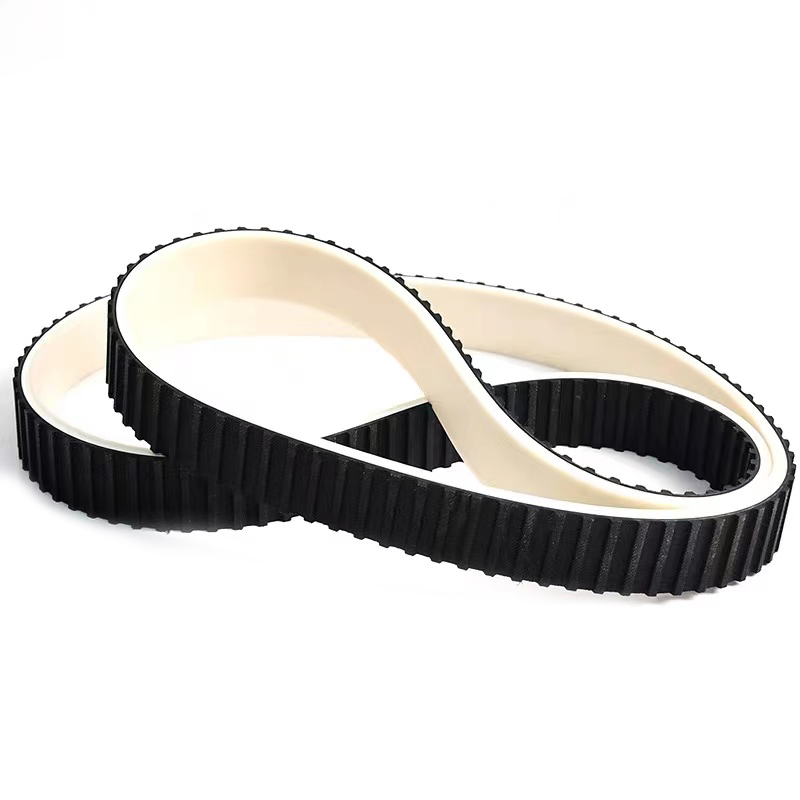
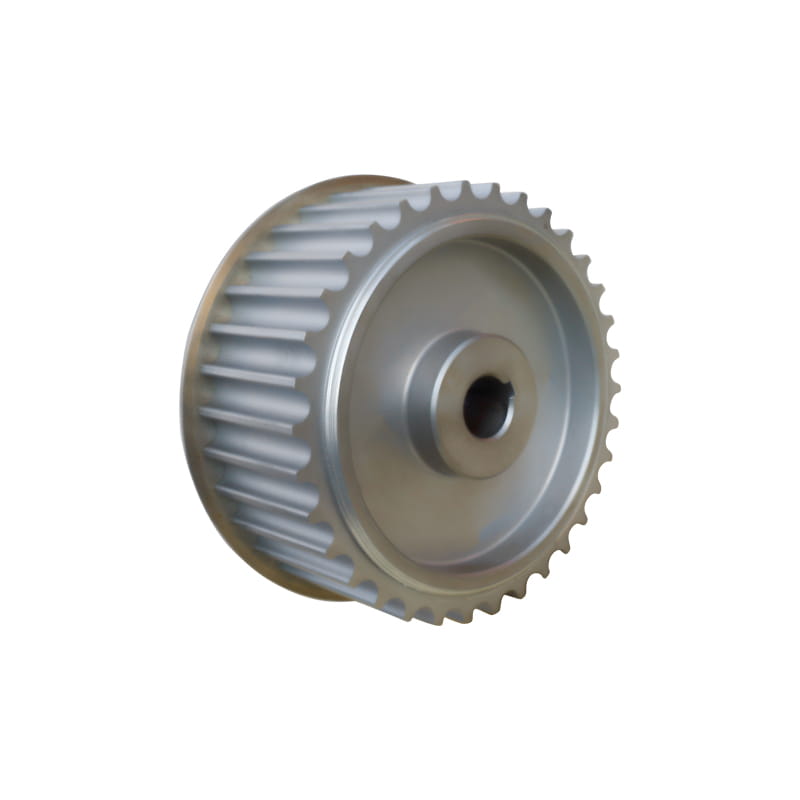
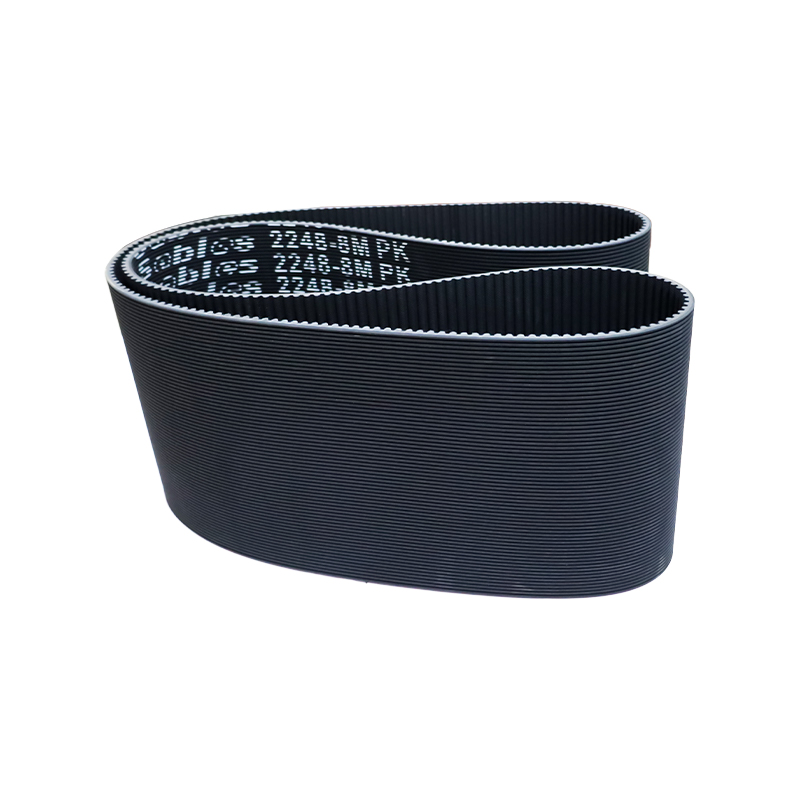
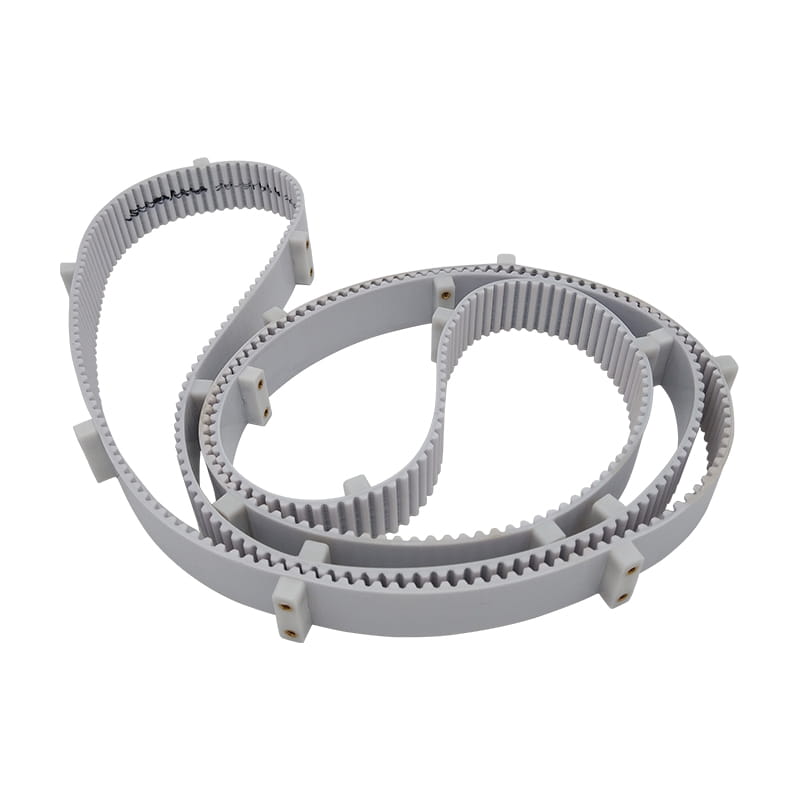 Custom Special Processing Belts for Non-Standard MachinesFor non-standard machine geometry, this customizable belt can use surface and tooth processing to improve wear resistance, anti-slip performance, tracking, and positioning.View Product →
For non-standard geometry, a special processing belt is often the right route because the belt can be built around the machine rather than forcing the line to accept a catalog size. The key is to keep the food contact declaration tied to the finished article.
Procurement Risks and Acceptance Tests
The most common risk is a material claim that stops at the compound. A supplier may provide a food grade silicone sheet certificate, but the finished belt includes fabric, adhesive, and edge treatment that were never assessed. Another risk is hardness drift after post-cure or steam exposure. A belt that starts at 50 Shore A and rises to 60 Shore A can change product contact and tracking.
Ask for a sample and run three checks. First, clean the sample with the same chemistry and temperature as the line, then inspect the splice and edges for lifting or chalking. Second, measure hardness and thickness before and after cleaning. Third, run a sensory check if the product is sensitive to odor or taste. For chocolate, dairy, or bakery products, a faint rubber odor can be a customer complaint even when the migration test passes.
Also confirm the color and detectability requirements. Blue is common, but the pigment must be food contact compliant. Metal detectable silicone is available for lines where breakage is a risk, but it should be specified as a finished belt property, not just a compound additive. Finally, check lead time and lot consistency. Food safety audits increasingly ask for change control, so a supplier that cannot document formulation changes is a weak link.
Bottom Line
Food grade silicone is a useful material for food processing belts when the application matches its strengths: release, flexibility, and a wide temperature range. It is a poor choice for hot oil, heavy abrasion, or cuts. The certificate matters, but the finished belt matters more. Specify the cure system, the regulation, the splice, and the cleaning method. Verify the sample after cleaning, not just on the day it arrives. That approach keeps the material claim and the hygiene result aligned.



 中文简体