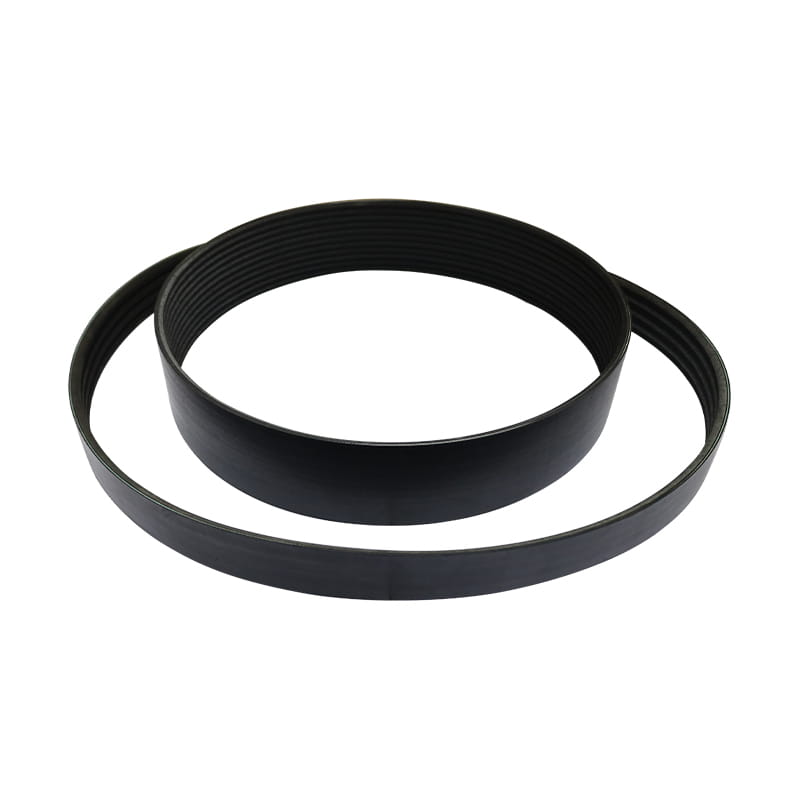
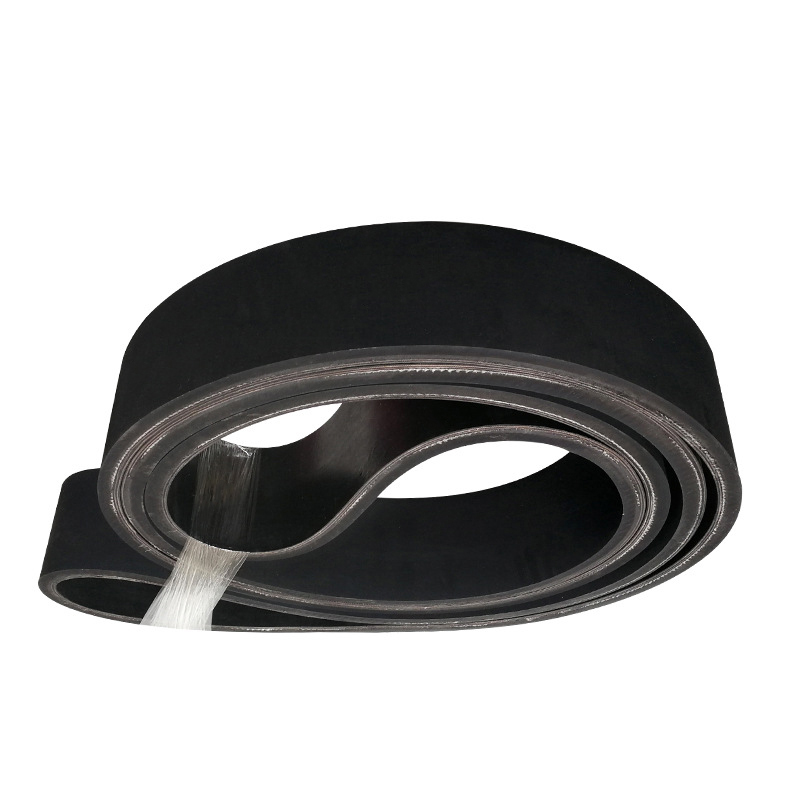
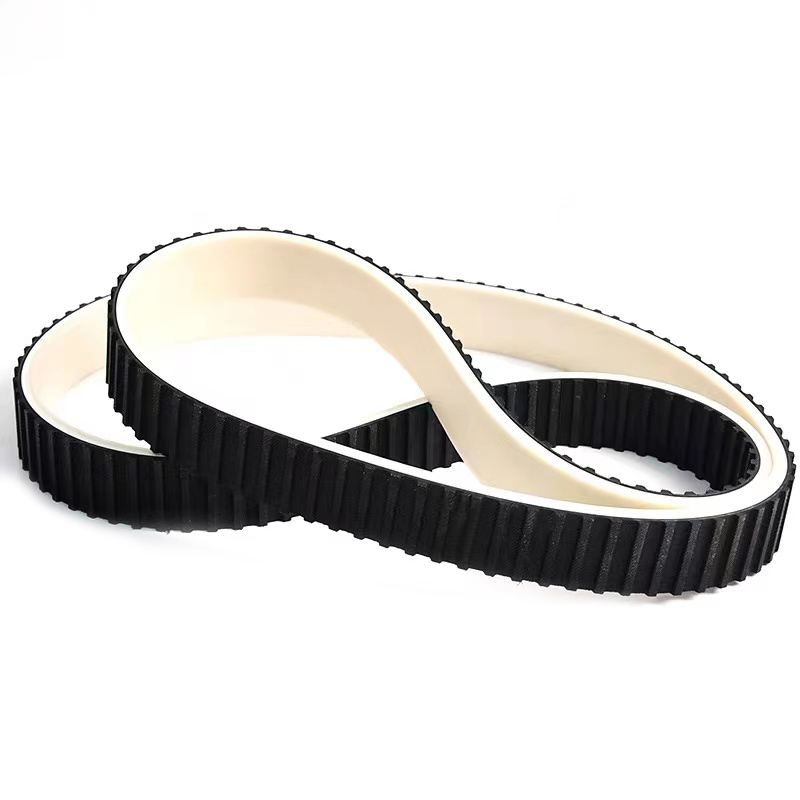
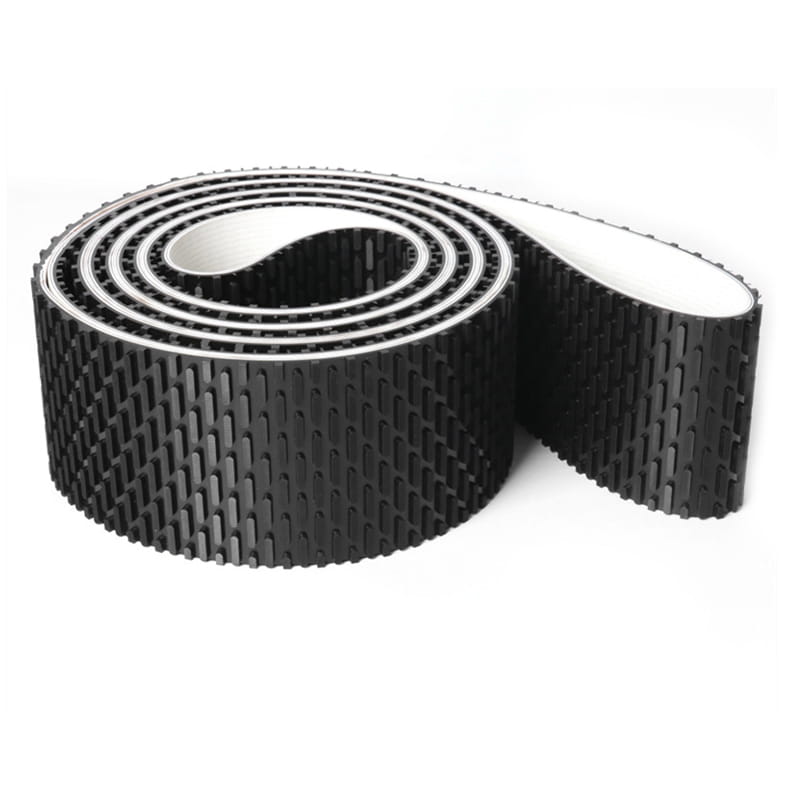
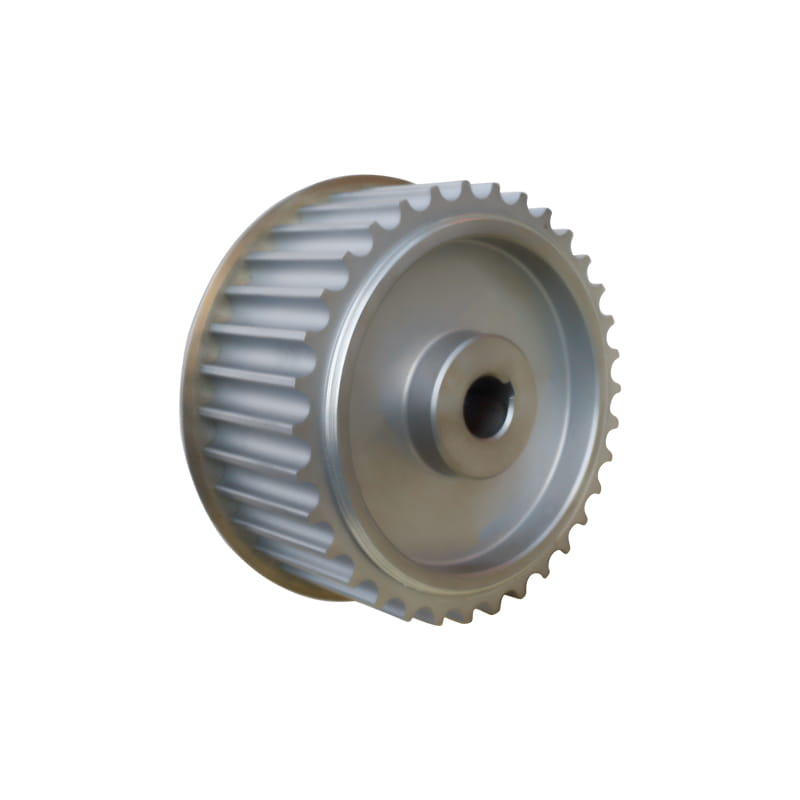
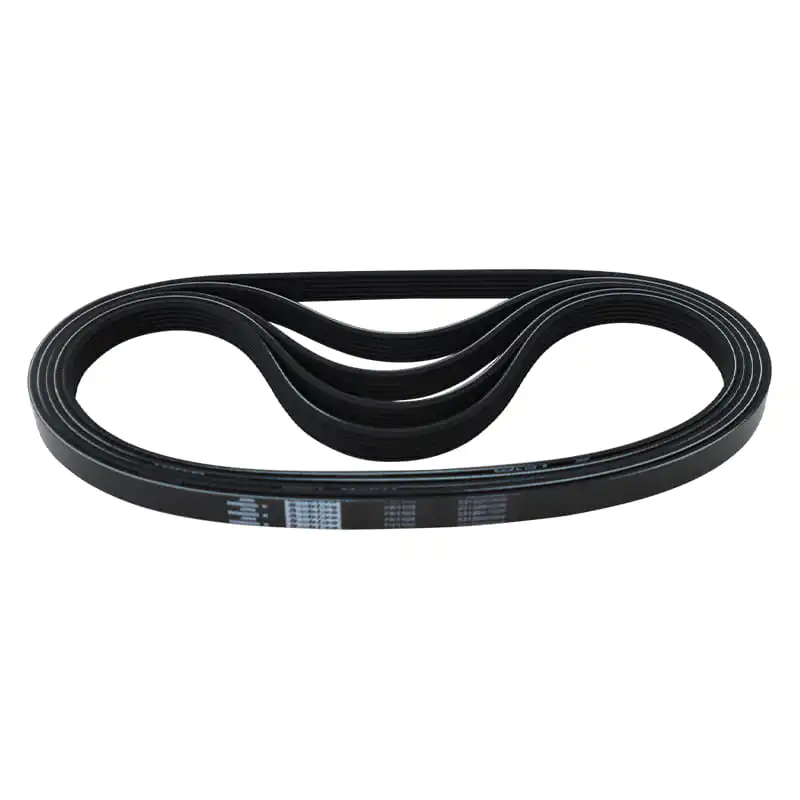
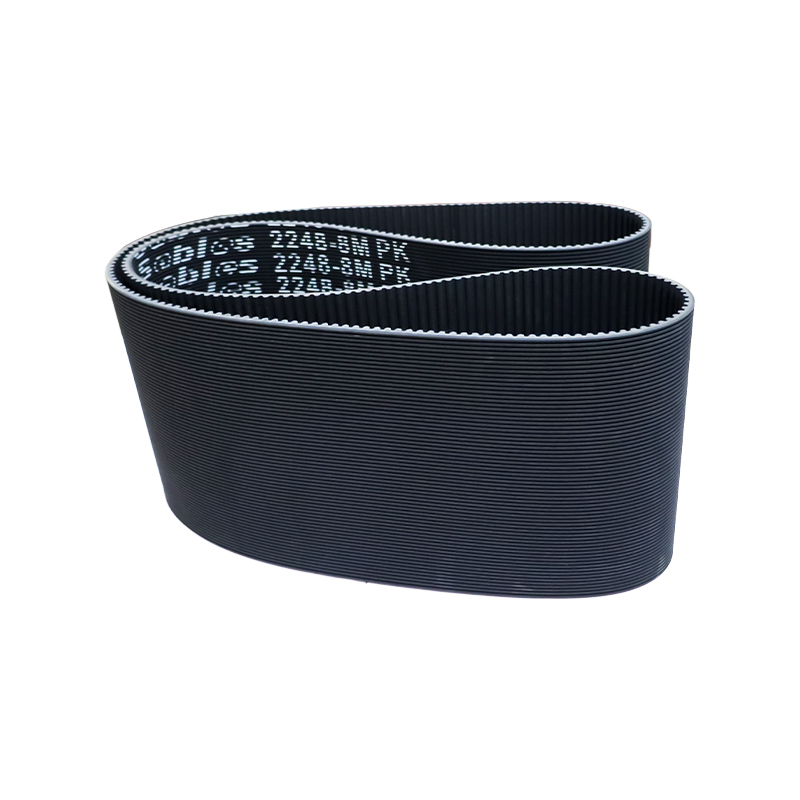
Flat belts work by transmitting rotational power between two or more pulleys through friction generated between the flat surface of the belt and the pulley face, converting the mechanical motion of a driving pulley into equivalent motion on a driven pulley without the interlocking teeth used in chain or timing belt systems. As the belt wraps around each pulley, tension in the belt combined with surface friction allows torque to transfer from one shaft to another, making flat belts one of the simplest and most established methods of mechanical power transmission. A well-manufactured set of Flat Belts relies on consistent material composition and surface grip to maintain this friction-based power transfer reliably over long operating periods. The sections below explain the mechanics behind this process in more detail, along with the design factors that affect performance.
The Basic Mechanism of Power Transmission
A flat belt system consists of a continuous loop of belt material stretched between two or more pulleys, with one pulley connected to a power source, such as a motor, acting as the driver, while the other pulley connects to the machinery being powered, known as the driven pulley. As the driver pulley rotates, friction between the belt and the pulley surface causes the belt to move, and this same friction principle then transfers motion from the belt to the driven pulley on the opposite end.
Key Components in the System
- The driver pulley, connected to the power source
- The driven pulley, connected to the equipment being powered
- The belt itself, looped around both pulleys under tension
- A tensioning mechanism to maintain proper belt tightness
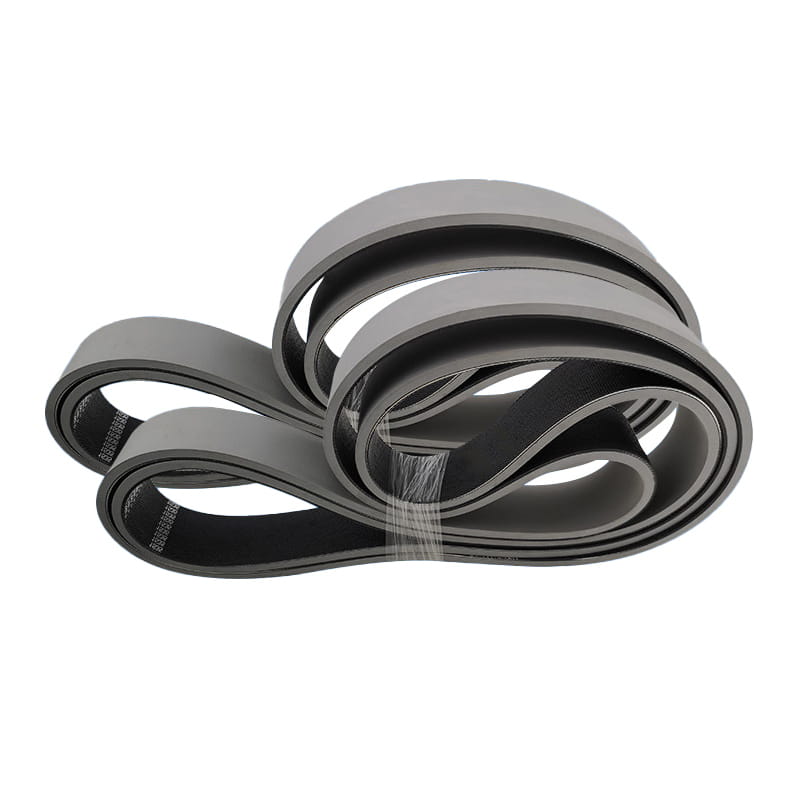
The Role of Friction in Belt Operation
Unlike chain drives, which rely on interlocking teeth to positively engage a sprocket, flat belts depend entirely on friction between the belt's inner surface and the pulley face to transmit power. This friction is generated by the tension applied to the belt during installation, which presses the belt firmly against the pulley surface as it travels around the curve.
Factors That Affect Friction and Grip
The coefficient of friction between the belt material and the pulley surface directly determines how much torque can be transmitted before the belt begins to slip. Belts made from materials like leather, rubber, or certain synthetic composites offer different friction characteristics, and manufacturers typically publish coefficient of friction values for their belt materials to help engineers calculate expected performance under specific load conditions.
Belt Tensioning and Its Effect on Performance
Proper belt tension is critical to reliable operation, since a belt that is too loose will slip under load, reducing power transmission efficiency and generating excess heat, while a belt that is overly tight places unnecessary stress on the pulley bearings and shortens belt life through accelerated wear. Most manufacturers provide specific tensioning guidelines based on belt width, pulley diameter, and the horsepower being transmitted.
Signs of Improper Tension
| Tension Issue |
Common Signs |
| Belt Too Loose |
Slipping, squealing noise, reduced power transfer |
| Belt Too Tight |
Excessive bearing wear, higher operating temperature |
| Properly Tensioned |
Smooth operation, minimal noise, consistent power transfer |
Pulley Design and Its Influence on Belt Function
The diameter ratio between the driver and driven pulleys determines the speed and torque relationship in the system, following the basic mechanical principle that a smaller driven pulley will rotate faster than a larger driver pulley, while a larger driven pulley will rotate more slowly but with increased torque. This relationship allows flat belt systems to be configured for either speed increase or torque increase depending on the specific application requirements.
Pulley Ratio Examples
- A small driver pulley paired with a large driven pulley reduces speed while increasing torque
- A large driver pulley paired with a small driven pulley increases speed while reducing torque
- Equal diameter pulleys maintain the same speed and torque between shafts
Belt Wrap Angle and Contact Surface
The amount of belt surface actually in contact with the pulley, referred to as the wrap angle, plays a significant role in how much friction is available for power transmission. A larger wrap angle provides more contact surface and therefore more available friction, which is why some flat belt systems incorporate idler pulleys specifically to increase the wrap angle around smaller pulleys where contact would otherwise be limited.
Why Wrap Angle Matters
Systems with a small pulley and limited wrap angle are more prone to slipping under heavy load, since there is less belt surface area generating friction against the pulley. Adding a tensioner or idler pulley positioned to increase this contact angle can meaningfully improve the system's torque capacity without requiring a wider or thicker belt.
Types of Flat Belt Materials and Their Properties
Flat belts are manufactured from a range of materials, each offering different combinations of flexibility, friction coefficient, and durability suited to specific operating conditions.
Common Flat Belt Materials
| Material |
Key Characteristics |
| Leather |
Traditional material, good grip, requires regular maintenance |
| Rubber Composite |
Strong grip, good flexibility, widely used in industrial settings |
| Polyurethane |
High strength, resistant to oil and chemicals, long service life |
| Fabric Reinforced |
Added tensile strength for higher load applications |
Common Industrial Applications
Flat belts have been used in mechanical power transmission for well over a century and remain common in a range of modern industrial applications where their simplicity, smooth operation, and shock-absorbing qualities are valued over the higher precision but higher cost of alternatives like timing belts.
Typical Uses for Flat Belts
- Driving conveyor systems in manufacturing and packaging facilities
- Powering agricultural equipment such as grain elevators and threshers
- Textile machinery requiring smooth, consistent belt movement
- General purpose line shaft power transmission in older industrial setups
Advantages of Friction-Based Belt Systems
Because flat belts rely on friction rather than mechanical interlocking, they offer a degree of built-in slip protection that can actually be beneficial in certain applications, since the belt will slip rather than transmit damaging shock loads to connected machinery during a sudden jam or overload event. This characteristic makes flat belts a practical choice in applications where protecting downstream equipment from sudden mechanical shock is more important than achieving perfectly synchronized motion.
Maintaining Reliable Belt Performance
Understanding how a flat belt actually transmits power through friction and tension helps explain why proper installation, tensioning, and material selection all directly affect system reliability over time. Choosing quality Flat Belts manufactured with consistent material composition and reliable surface friction characteristics gives industrial operators a dependable foundation for power transmission systems that need to perform predictably across demanding daily use.



 中文简体
中文简体