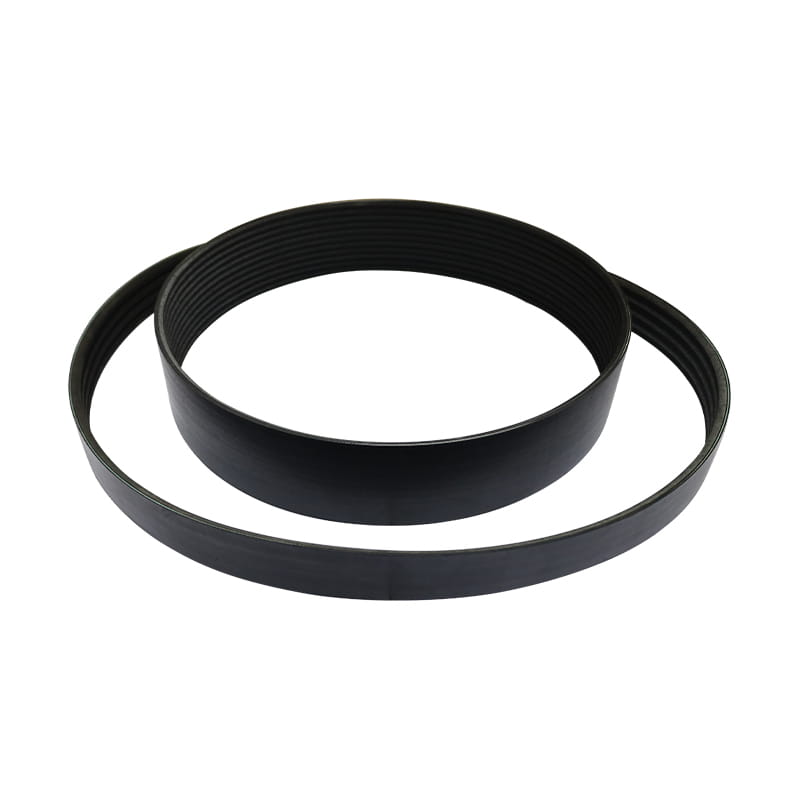
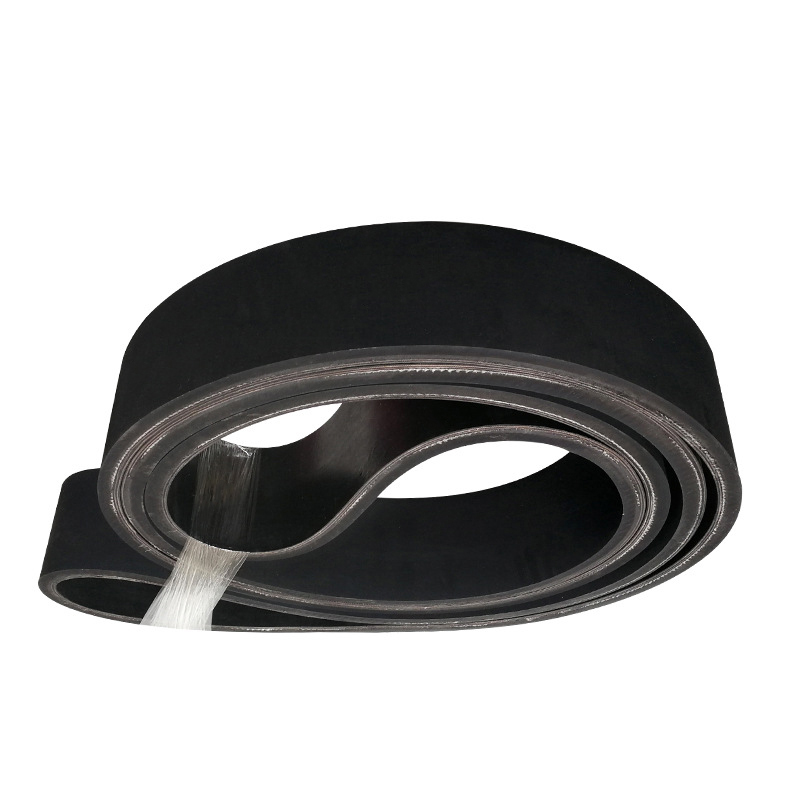
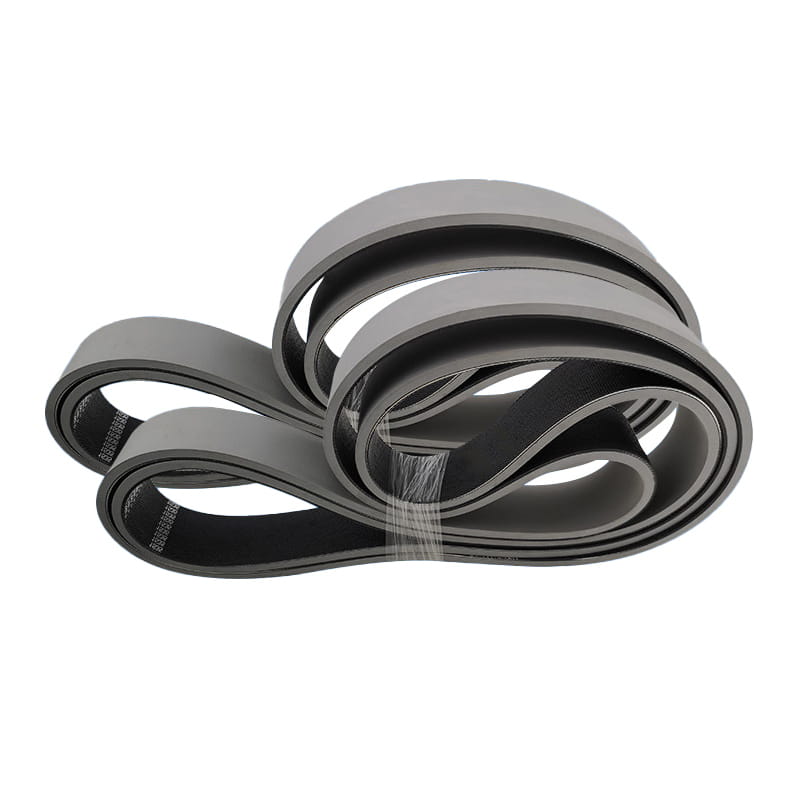
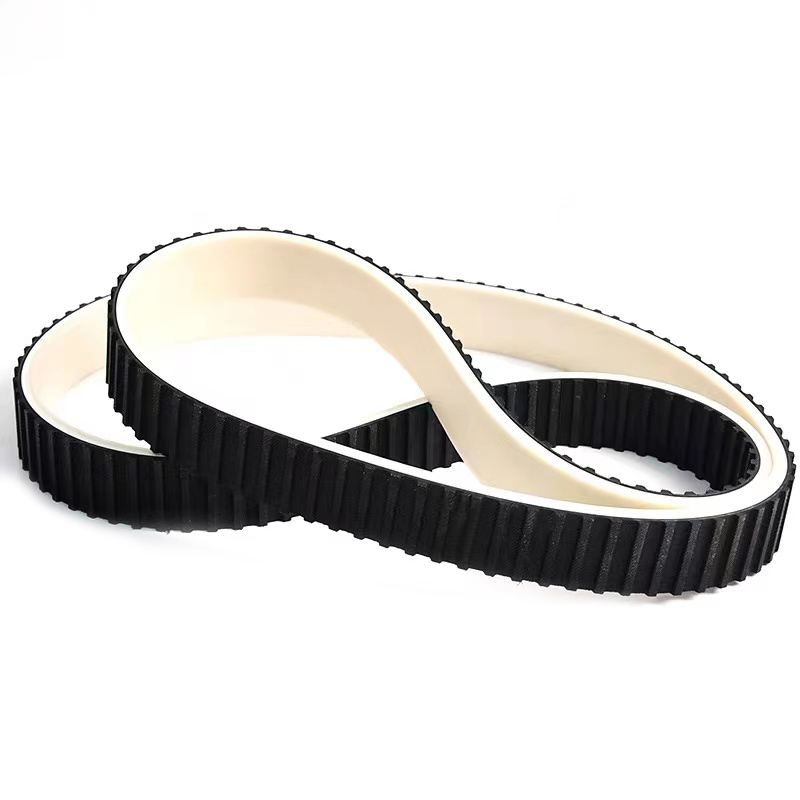
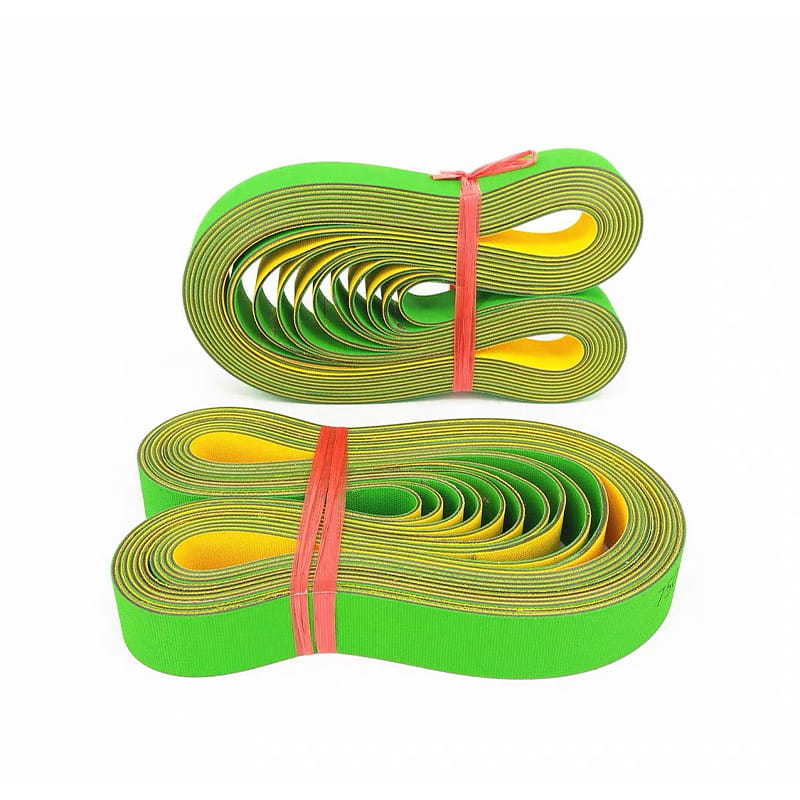
Flat belts are connected using one of several joining methods, including mechanical fasteners, belt lacing, vulcanized splicing, or adhesive bonding, with the choice depending on belt material, operating speed, and how easily the joint needs to be repaired or replaced in the field. Mechanical fasteners and lacing offer quick, field-serviceable connections that do not require special equipment, while vulcanized and adhesive splices create a smoother, stronger joint better suited to high speed or continuous duty applications. Quality Flat Belts are manufactured to accommodate multiple joining methods, giving installers flexibility to choose the connection type that best matches their specific operating conditions. The sections below explain each joining method in detail, along with guidance on selecting the right one for a given application.
Mechanical Fastener Joints
Mechanical fasteners, sometimes called belt hooks or clipper fasteners, use metal hinge-style hooks pressed into each end of the belt, which are then joined together with a connecting pin to form a hinge-like joint. This method is popular for its speed and simplicity, since it can be installed in the field with basic hand tools and does not require curing time or specialized equipment.
Advantages of Mechanical Fasteners
- Fast installation without specialized equipment or curing time
- Easy field repair if the belt needs to be shortened or reconnected
- Visible joint makes inspection and maintenance straightforward
Belt Lacing Methods
Belt lacing involves stitching or threading a connector material, often rawhide, wire, or specialized lacing cord, through pre-punched holes at each end of the belt to draw the two ends together. This method has been used for well over a century in industrial belting applications and remains common for smaller or lower speed belts where a simple, low cost joining method is sufficient.
Common Lacing Types
| Lacing Type |
Best Suited For |
| Rawhide Lacing |
Traditional leather belts, lower speed applications |
| Wire Lacing |
Heavier duty belts requiring stronger joint strength |
| Synthetic Cord Lacing |
Modern synthetic belts, moderate speed applications |
Vulcanized Splicing for High Performance Joints
Vulcanized splicing creates a joint by fusing the two belt ends together using heat and pressure, chemically bonding the rubber or synthetic material into a single continuous piece rather than relying on a mechanical fastener. This method produces a smooth, uniform joint with minimal thickness variation, which reduces vibration and noise as the joint passes over the pulleys during operation.
Why Vulcanized Joints Perform Well at High Speed
Because a vulcanized splice removes the raised profile associated with mechanical fasteners, the belt maintains a consistent thickness throughout its full length, reducing the repeated impact and vibration that occurs each time a mechanical joint passes over a pulley. This makes vulcanized splicing the preferred method for high speed conveyor systems and continuous duty industrial applications where joint smoothness directly affects equipment wear and noise levels.
Adhesive Bonding for Specialized Applications
Adhesive splicing uses industrial strength bonding agents to join belt ends, typically involving surface preparation, adhesive application, and a curing period under controlled pressure and temperature. While less common than vulcanized splicing for standard industrial belts, adhesive bonding is sometimes used for specialty belt materials or repair situations where vulcanizing equipment is not readily available on site.
Considerations for Adhesive Joints
- Surface preparation quality significantly affects final bond strength
- Curing time and temperature requirements vary by adhesive type
- Bond strength may be lower than vulcanized joints for very high load applications
Comparing Joint Types by Performance Factor
Choosing the right joining method involves weighing several practical factors, including installation speed, joint smoothness, repairability, and how the belt will be used in service.
Joint Method Comparison Table
| Joining Method |
Installation Speed |
Joint Smoothness |
Best For |
| Mechanical Fastener |
Fast |
Lower, raised joint profile |
Field repairs, lower speed applications |
| Belt Lacing |
Moderate |
Lower, visible stitched joint |
Traditional belts, moderate duty use |
| Vulcanized Splice |
Slower, requires equipment |
High, seamless joint |
High speed, continuous duty applications |
| Adhesive Bonding |
Slower, curing time required |
Moderate to high |
Specialty materials, on-site repairs |
Factors That Influence Which Joint Type to Choose
Selecting the right connection method depends on several practical considerations specific to the application, including how quickly the belt needs to be installed or repaired, how fast the belt will operate, and what type of material the belt itself is made from.
Key Selection Factors
- Operating speed of the belt, since higher speeds generally favor smoother vulcanized joints
- Availability of specialized equipment for vulcanizing or adhesive curing on site
- How frequently the belt may need to be shortened, repaired, or reinstalled
- Belt material compatibility with the chosen joining method
Joint Maintenance and Inspection
Regardless of which joining method is used, periodic inspection of the belt joint helps catch early signs of wear or separation before they lead to a complete failure during operation. Mechanical fastener joints should be checked for loose or missing pins, lacing should be inspected for fraying or stretched connectors, and vulcanized or adhesive splices should be examined for any signs of separation along the bonded edge.
Signs a Joint Needs Attention
- Visible gaps or separation along the joint line
- Unusual noise or vibration as the joint passes over pulleys
- Fraying, loose fasteners, or stretched lacing material
Choosing Belts Compatible With Your Preferred Joint Method
Not every belt material or thickness is equally well suited to every joining method, so selecting a belt manufactured with joint compatibility in mind helps ensure a reliable connection regardless of which method is chosen for a specific application. Well-manufactured Flat Belts designed to accommodate mechanical fasteners, lacing, or vulcanized splicing give installers the flexibility to select the joining method best suited to their operating speed, maintenance capabilities, and overall system requirements.



 中文简体
中文简体