


HOME / News / How Long Does a Rubber Timing Belt Last? The Ultimate Guide to Lifespan and Maintenance

News

How Long Does a Rubber Timing Belt Last? The Ultimate Guide to Lifespan and Maintenance

For engineers, mechanics, and vehicle owners alike, the question "How long does a rubber timing belt last?" is more than just a maintenance query—it is a critical safety concern. A rubber timing belt is the rhythmic heart of an internal combustion engine or industrial synchronized drive system. If it fails, the consequences can range from a simple machine shutdown to catastrophic engine failure costing thousands of dollars.

The Standard Lifespan: What the Industry Says

In most modern automotive applications, a high-quality rubber timing belt is designed to last between 60,000 to 100,000 miles (approximately 96,000 to 160,000 kilometers). In industrial settings, where belts operate under constant loads, this lifespan is often measured in operating hours, typically ranging from 15,000 to 20,000 hours depending on the environment.

However, these numbers are not set in stone. The material science behind HNBR (Hydrogenated Nitrile Butadiene Rubber) and EPDM (Ethylene Propylene Diene Monomer) has advanced significantly, but even the strongest reinforced rubber timing belts are subject to natural degradation over time, regardless of whether they are in use or sitting idle.

5 Critical Factors Affecting Timing Belt Durability

1. Temperature Extremes

Rubber is highly sensitive to heat. Excessive engine bay temperatures can cause the timing belt material to harden and become brittle, leading to "glazing." Conversely, extremely cold climates can make the belt stiff, increasing the risk of tooth shear during a cold start. A heavy-duty timing belt must be rated for the specific thermal environment it operates in.

2. Chemical Contamination

One of the silent killers of rubber timing belts is oil or coolant leaks. Petroleum-based products break down the chemical bonds of the rubber, causing it to soften and swell. Once a belt is contaminated with oil, its service life is effectively over, as the structural integrity of the tensile cords may be compromised.

3. Proper Tensioning

Under-tensioning leads to belt whipping and tooth jump, while over-tensioning puts immense strain on the internal glass fiber or aramid cords and the water pump bearings. Achieving the perfect belt tension is the single most important factor in ensuring the belt reaches its maximum predicted lifespan.

4. Debris and Dust

In industrial environments, abrasive dust can act like sandpaper, wearing down the teeth of the timing belt and the pulleys. This reduces the synchronous precision and eventually leads to failure. Protective covers are essential for extending the life of any industrial rubber belt.

5. Component Alignment

Misaligned pulleys cause uneven wear on the edges of the belt, a condition known as "tracking issues." If you notice fraying edges on your belt, it is a sign that the pulleys are not perfectly parallel, which can cut the belt lifespan in half.

Warning Signs: When to Replace Your Belt

Because timing belts are often hidden behind covers, they are "out of sight, out of mind." However, if you experience any of the following, a timing belt replacement is urgent:

  • Ticking Noises: A loud rhythmic clicking or ticking noise often indicates a worn-out timing belt or a failing tensioner.
  • Engine Misfires: If the belt slips a tooth, the valve timing becomes desynchronized, causing the engine to stumble or lose power.
  • Visible Cracks: Small cracks on the "back" of the belt are clear indicators of rubber fatigue.
  • Loss of Teeth: If the internal teeth are missing or smoothed down, the belt can no longer provide positive drive.

The Importance of the "Age Rule"

Many people focus only on mileage, but time is equally dangerous for rubber products. Even if a vehicle has only been driven 10,000 miles in 7 years, the rubber timing belt may still need replacement. The industry standard "Rule of Thumb" is to replace the belt every 5 to 7 years regardless of mileage to account for natural oxidation and polymer degradation.

Comparison: Timing Belt vs. Timing Chain Lifespan

Feature Rubber Timing Belt Metal Timing Chain
Average Life 60k - 100k Miles 300k+ Miles (Life of engine)
Noise Level Very Quiet Moderate to Loud
Maintenance Required Replacement None (if oiled)
Cost Lower Initial Cost High Component Cost

Professional Recommendations for Longevity

To ensure your transmission system remains reliable, follow these expert SEO-backed tips:

  1. Always replace the tensioner and idler pulleys at the same time as the belt. A new belt on a worn tensioner is a recipe for premature failure.
  2. Inspect the water pump: In many engines, the timing belt drives the water pump. If the pump leaks, it ruins the belt; if the pump seizes, it snaps the belt.
  3. Use OEM or Premium Aftermarket Brands: Not all rubber is created equal. High-performance chloroprene or EPDM belts offer much better resistance to heat and ozone.
  4. Keep a Maintenance Log: Recording the date and mileage of your last timing belt service is essential for resale value and peace of mind.

Conclusion: Prevention is Cheaper than Repair

So, how long does a rubber timing belt last? While the answer is generally 60,000 to 100,000 miles, the environmental conditions and maintenance habits play a massive role. Waiting for a belt to snap is a gamble you don't want to take. By performing regular inspections and adhering to manufacturer service intervals, you can ensure the longevity and efficiency of your mechanical systems.

Expert Advice for Industrial Sourcing

Are you looking for high-durability rubber timing belts for your industrial applications? Our team specializes in providing heat-resistant and oil-resistant belt solutions tailored to your specific machinery needs. Don't wait for a breakdown!

Products Recommended

  • Rubber Wide - Angle Belt
    Rubber Wide - Angle Belt
    The wide-angle belt is a new type of industrial transmission belt developed on the basis of the general industrial V-belt technology.
    They are all driven by the friction diagram on both sides of the belt. The wedge angle of the general V-belt is 40° and the wedge angle
    of the wide-angle transmission belt is 60°.
    According to the principle of transmission dynamics, as the wedge angle of the wide-angle belt increases, the area supported by the
    two transmission sides naturally increases, thus giving rise to the following advantages over the general V-belt:
    1. The load of the wide-angle belt is evenly distributed and the wear resistance is improved.
    2. The contact area between the belt and the pulley increases and the transmission force is increased.
    3. It improves the concave deformation of the drive belt core and strengthens the drive characteristics.
    4. After the wide-angle belt is installed and used, the problem of belt tension drop is improved.
    It is the above-mentioned advantages of the wide-angle belt that are widely used and affirmed by the precision machinery industry.
    View More
  • Rubber Conveyor Belt
    Rubber Conveyor Belt
    The conveyor belt is composed of surface adhesive, core, and layer glue. In addition, a layer of buffer cloth can be added to the use of high drop impact to make it more impact-resistant.

    The surface adhesive
    With natural rubber and synthetic rubber as raw materials and in order to enhance wear resistance, crack resistance, aging resistance, and other properties, the surface adhesive has various characteristics such as wear resistance, cutting resistance, heat resistance, flame resistance, cold resistance, acid and alkali resistance, oil resistance, static electricity resistance and so on.
    Cloth layer core
    The cloth layer is composed of natural fiber or chemical fiber alone or a combination of the two, has the same quality after single-step treatment by a mature process, And has good adhesion with rubber.
    The adhesive layer
    The adhesive layer is very important for the adhesive force between the layers of the core of the conveyor belt that is repeatedly flexed. Especially for high-tension conveyor belts, a layer of adhesive with less buckling stress and less fatigue due to internal stress must be used.
    Specifications and models can be customized according to customer requirements, with a thickness ranging from 2.0 mm to 8.0 mm.
    View More
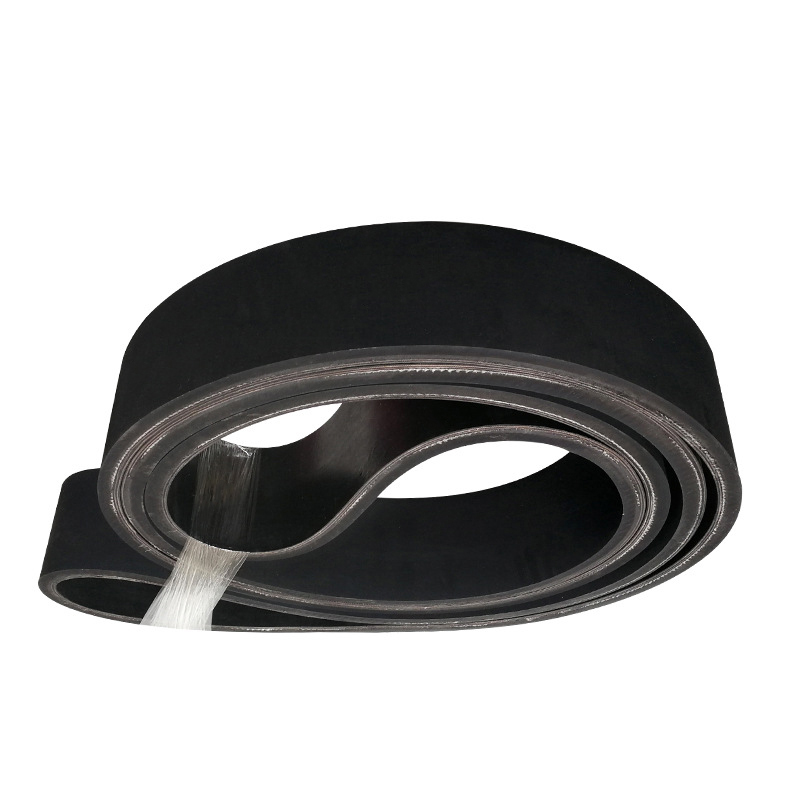
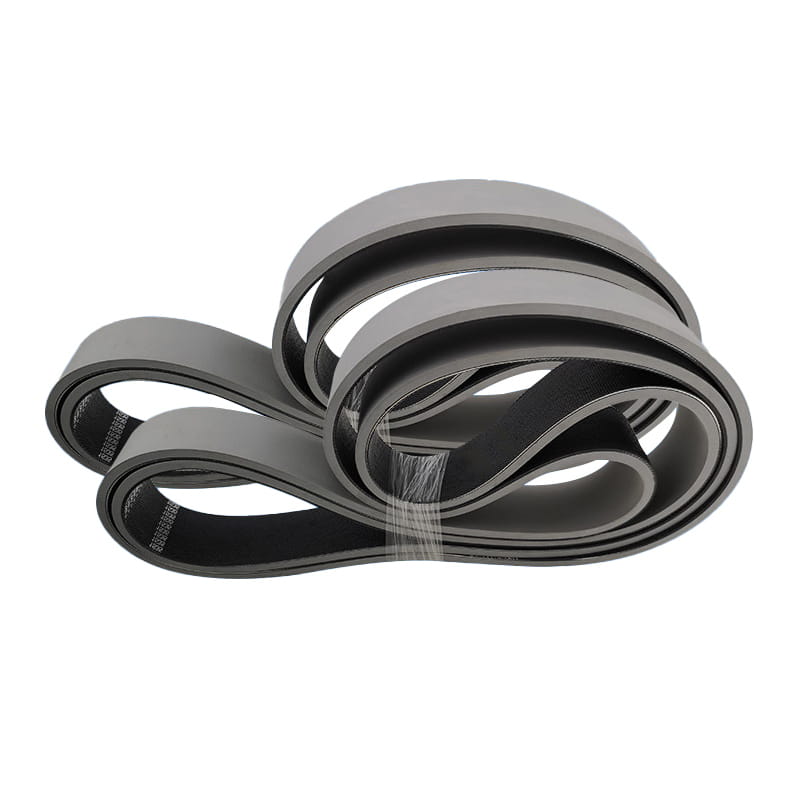
  • Endless Rubber Flat Belt
    Endless Rubber Flat Belt

    Belt type:
    FH FL FM
    Scope of application:

    High-speed, smooth, and low-extension transmission and conveying systems, such as textile machinery, woodworking machinery, grinding machinery, ticket vending machines, vegetable cutting machines, etc.
    Characteristics:
    High speed and stability, high tensile strength, and low elongation.
    View More
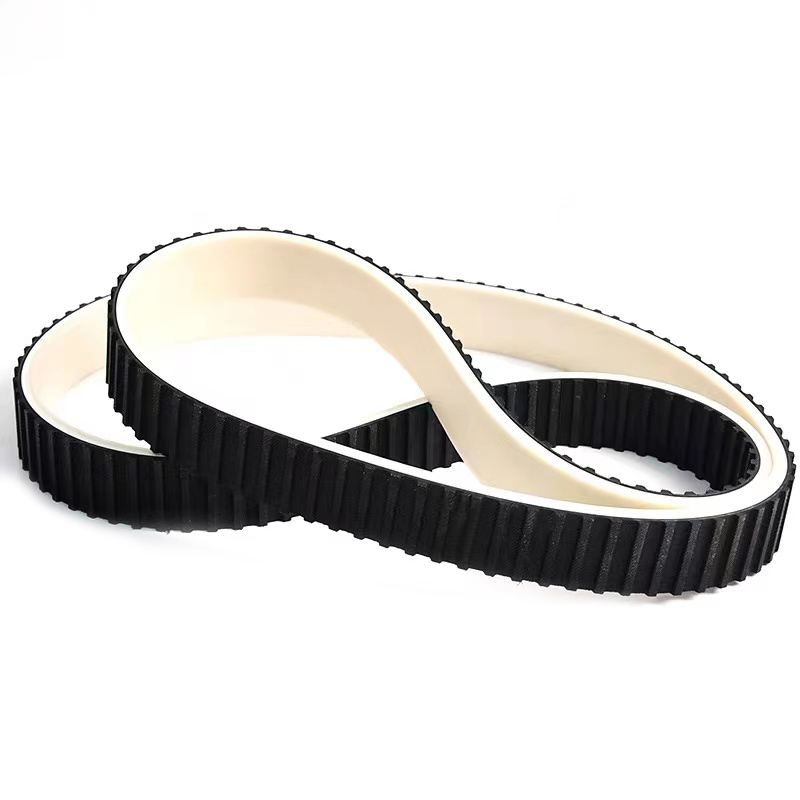
  • Silicone Belt
    Silicone Belt

    Belt type:
    Integrated Vulcanized Silicone Flat Belt and Silicone Synchronized Belt
    Scope of application:

    Sanitary products industry, glass machinery, sealing machine, etc.
    Characteristics:
    Anti-sticking, high friction coefficient, and high-temperature resistance.
    View More
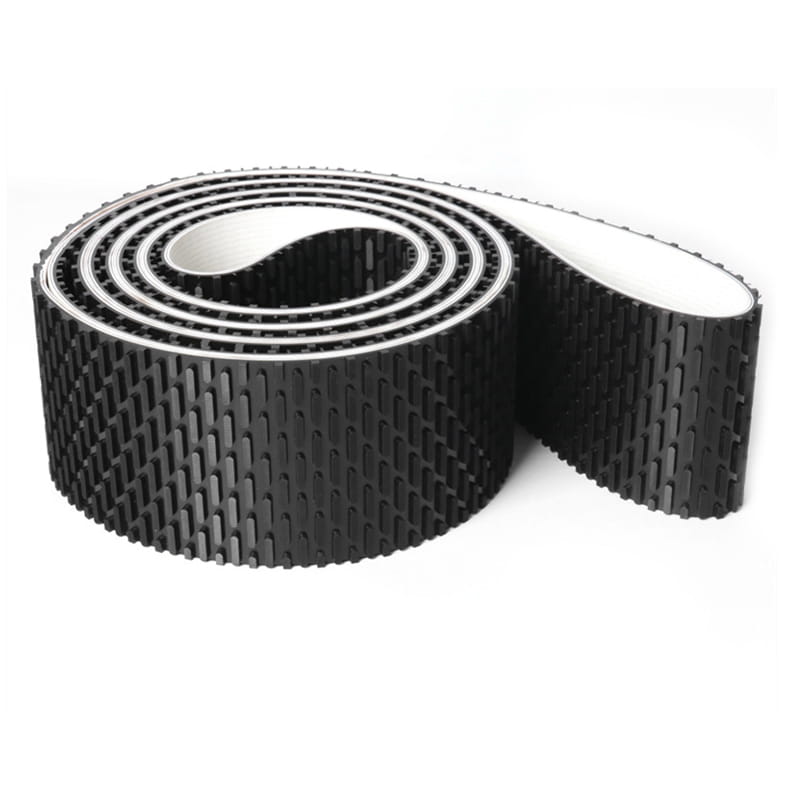
  • Endless Rubber Sanding Machine Belt
    Endless Rubber Sanding Machine Belt
    The seamless rubber band produced by woodworking machinery can be used for sanding, correcting, and trimming core materials, planing wood boards, laminated boards, plastic laminated boards, and other machines, and can help the surface to be perfectly machined and selected.
    Its special technology lies in the manufacturing method and produces the required size jointless belt. We not only strictly control the quality, but also insist on using imported materials in order to make our sander belt have better performance.

    All parts of thickness and strength are absolutely uniform.
    It has a good linear operation.
    High flexibility can be used for small wheel diameters.
    It can maintain flatness and non-deformability under working pressure.
    The friction coefficient between the bottom of the belt and the plate surface is very low.
    Because the surface layer of the belt is covered with rubber, the adhesiveness is improved and the stability of the conveyor belt is improved.
    View More
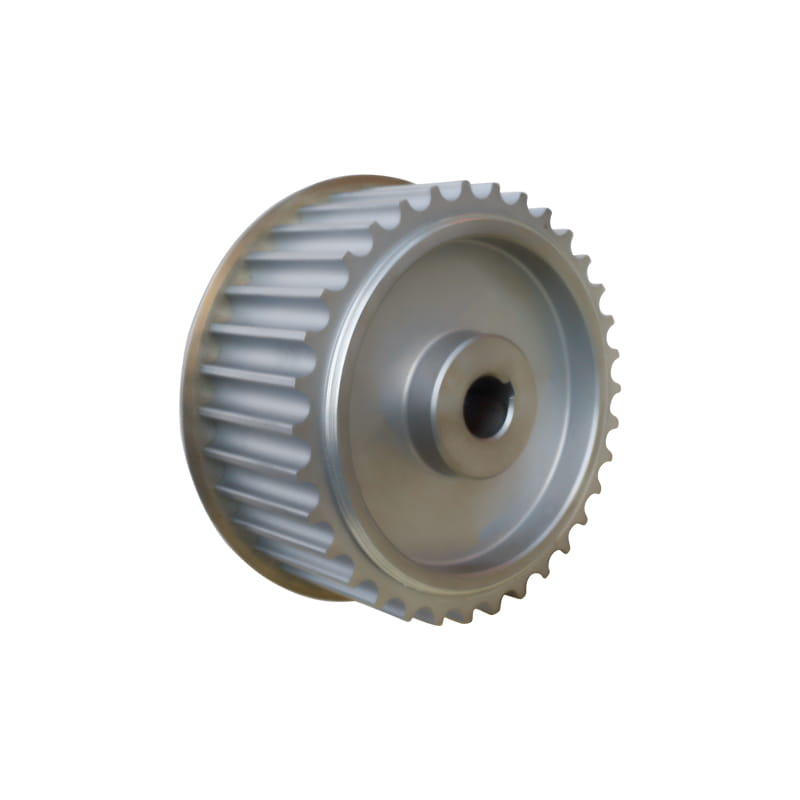
  • Synchronous Pulley
    Synchronous Pulley

    Scope of application:

    Apply to each field of the synchronous-driven device system.
    Characteristics:
    Ensure coordination with the belt, to enhance the accuracy and lifetime of the driven. According to customer requirements, customization optimum driven solution can divided into 45# steel, aluminium alloy, stainless steel, cast iron, nylon, etc, according to the material.
    View More
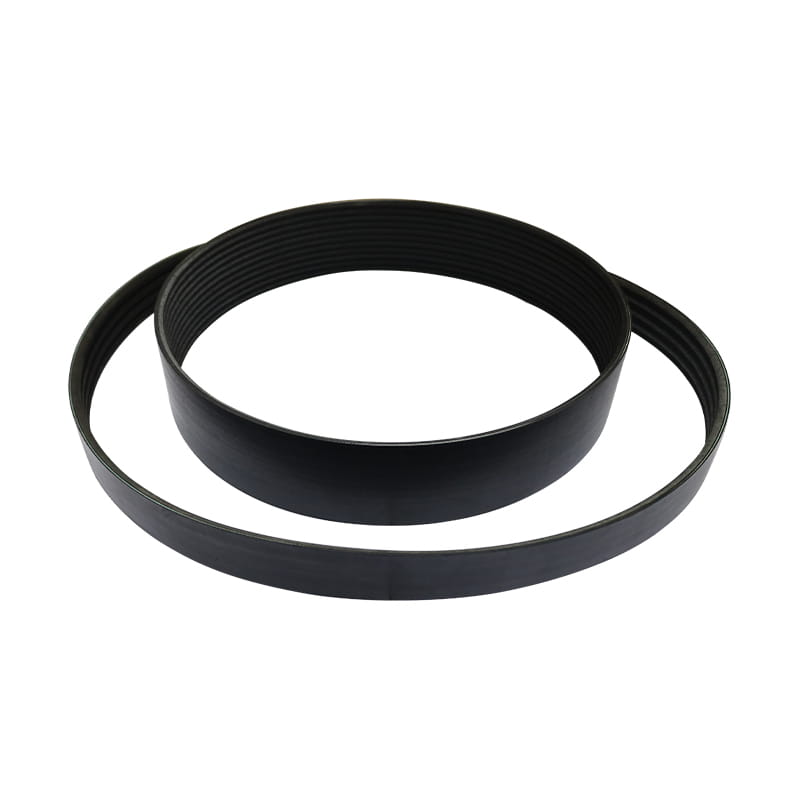
  • Ribbed Belt
    Ribbed Belt

    Belt type:
    PHPJPKPLPM
    Scope of application:

    It is suitable for outdoor transmission equipment, transportation equipment, medical equipment, electric tools, household appliances, and sports equipment.
    Characteristics:
    1. The transmission power of the ribbed belt is higher than that of an ordinary V-belt by 30 % when the space is the same. 
    2. The transmission system of the ribbed belt has a compact structure, and under the same transmission power, the space occupied by
    the transmission device is 25 % smaller than that of the common V-belt.
    3. The ribbed belt is thin and flexible and is suitable for transmission with a small pulley diameter and high-speed transmission, with belt
    speed up to 40m/ s; Small vibration, less heat, and stable operation.
    4. The ribbed belt is heat-resistant, oil-resistant, and wear-resistant, with small elongation and a long service life.
    View More
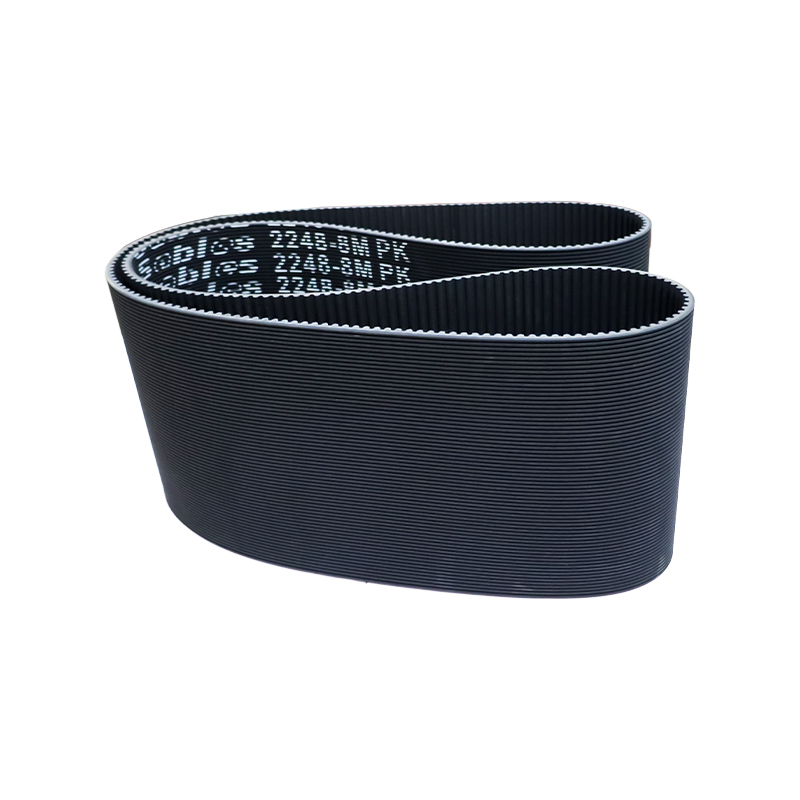
  • Toothed And Ribbed Belt
    Toothed And Ribbed Belt

    Belt type:
    8MPK S8MPK
    Scope of application:

    Flour mill, pulverizer, etc. 
    Characteristics:
    1. One side of the tooth wedge belt is a ribbed belt and the other side is a synchronous belt.
    2. Double-sided transmission capable of meeting special working conditions.
    View More