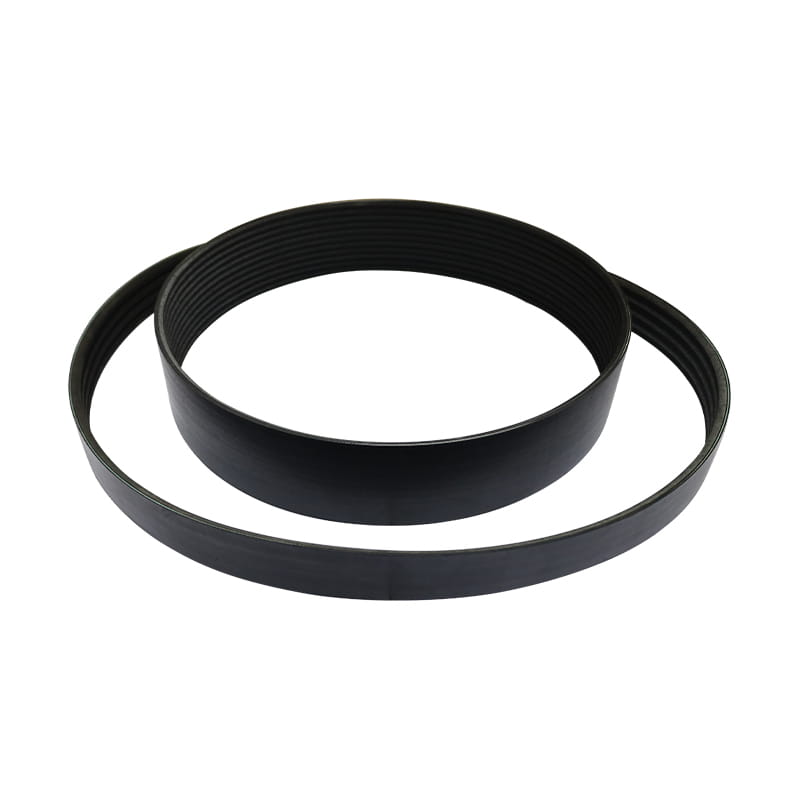
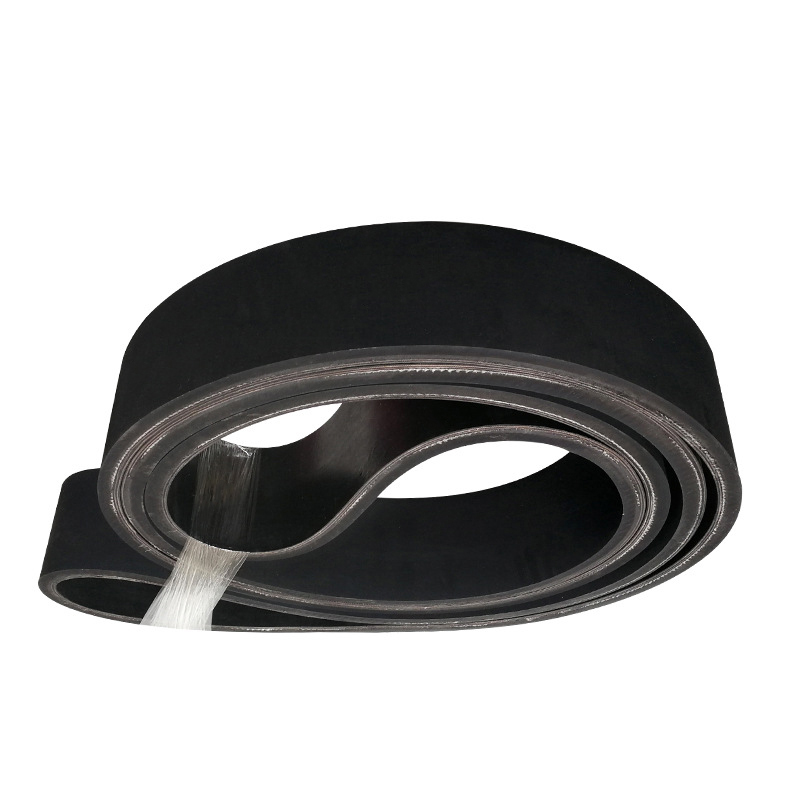
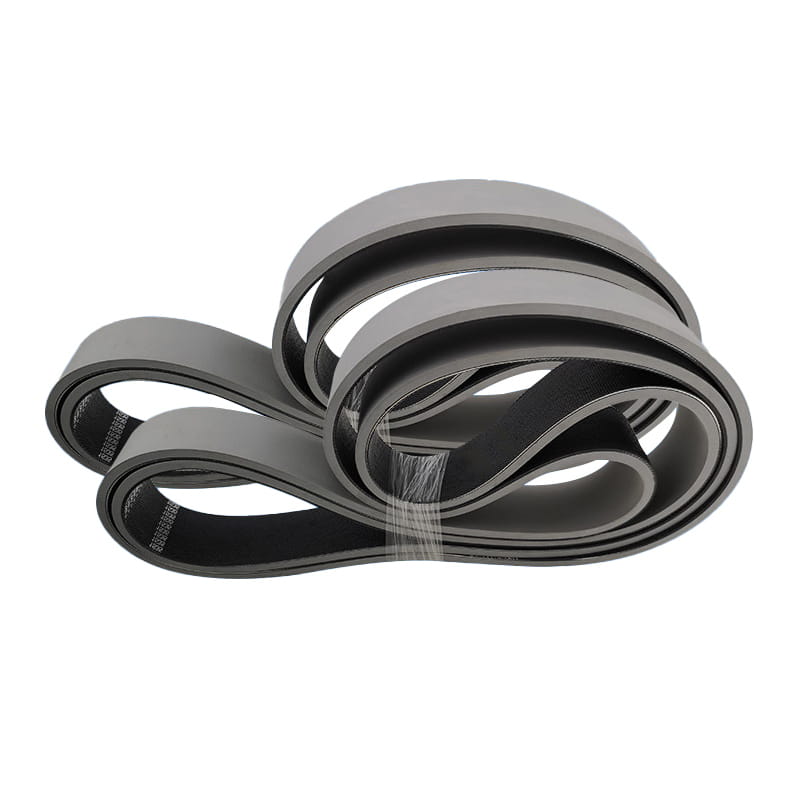
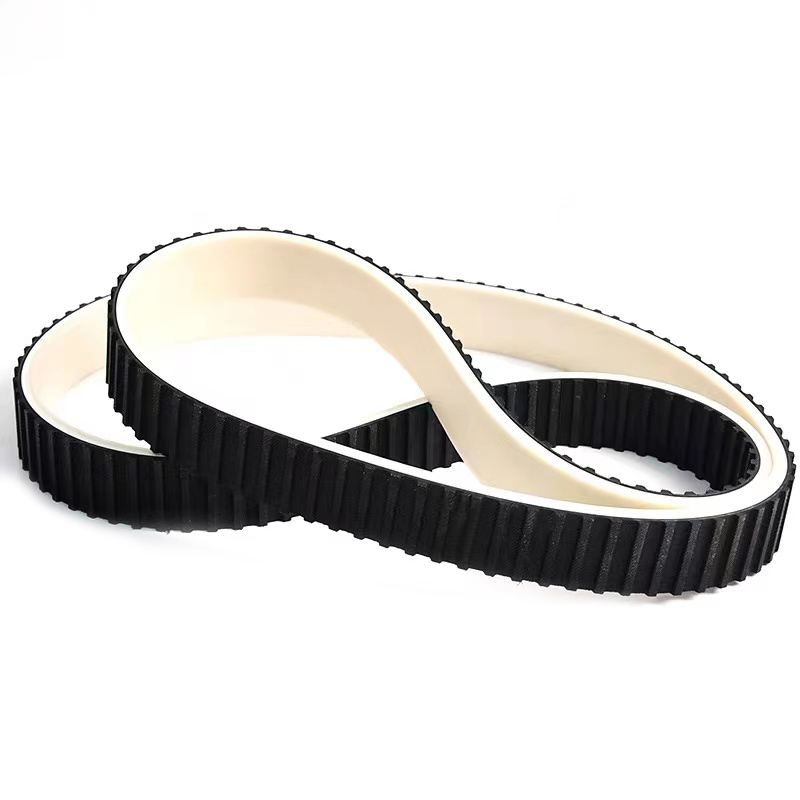
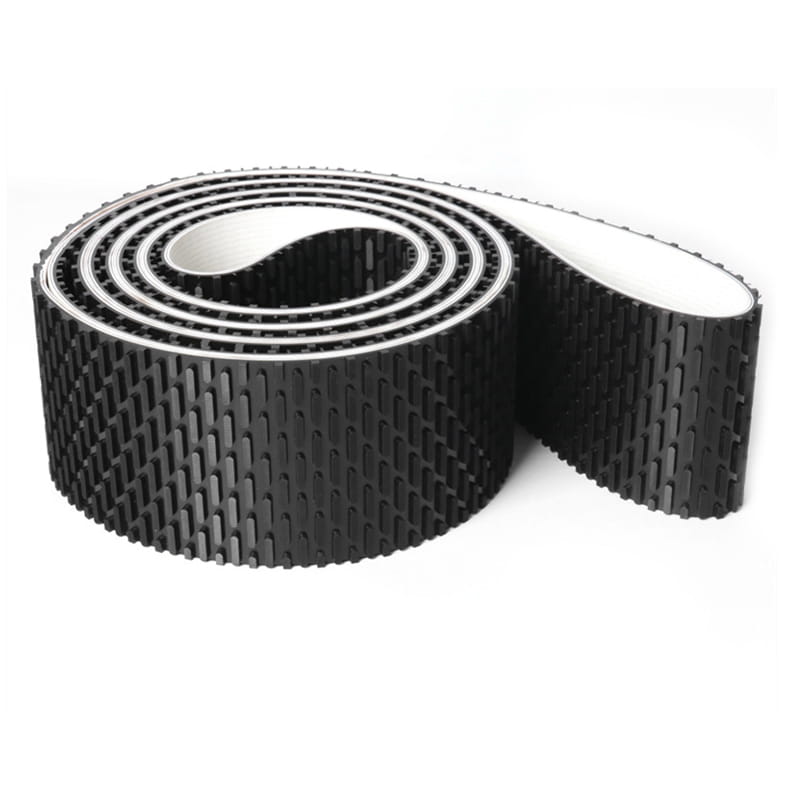
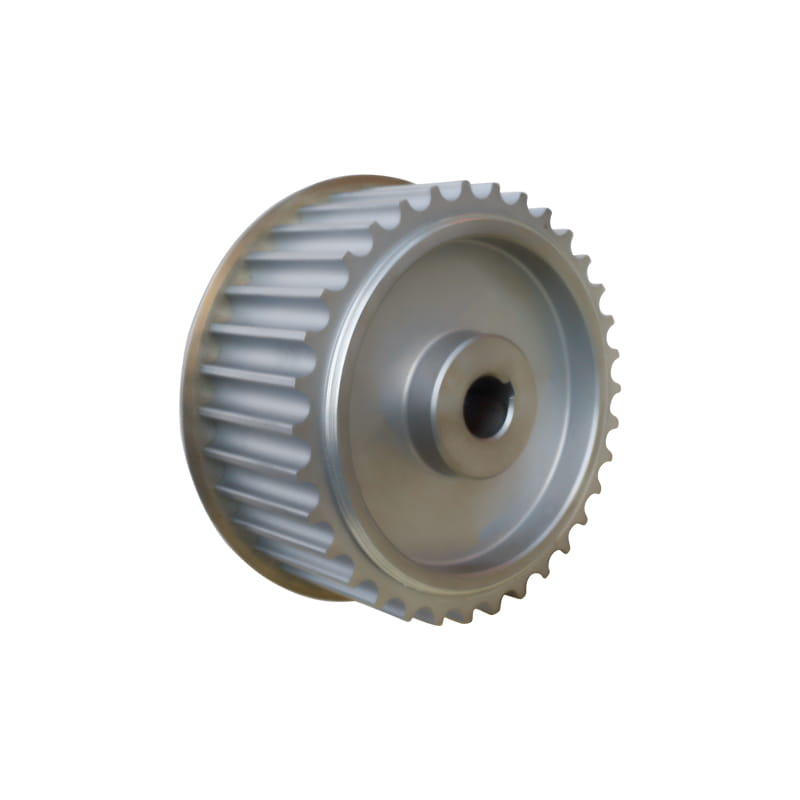
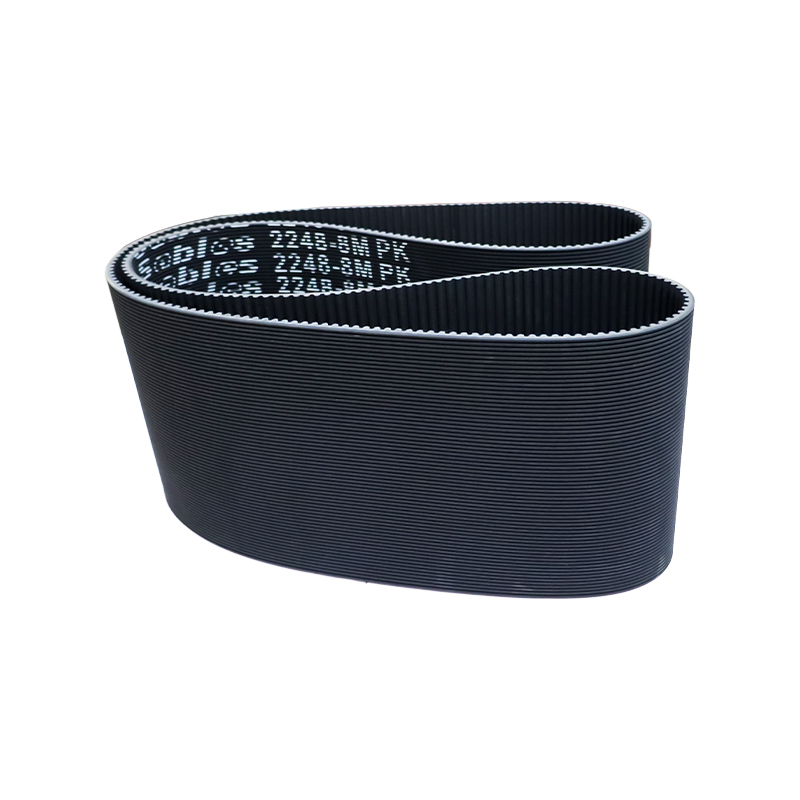
Rubber ribbed belts — most commonly seen as serpentine belts or poly-V belts in automotive and industrial machinery — have a typical service life of 60,000 to 100,000 miles (approximately 96,000 to 160,000 km) in automotive applications, or roughly 3 to 5 years of continuous operation in industrial settings. However, actual lifespan varies considerably based on operating conditions, load intensity, environmental exposure, and the quality of the belt material itself. Some high-quality belts under light loads in controlled environments last well beyond 100,000 miles, while belts subjected to high heat, misalignment, or chemical exposure may fail in under 40,000 miles. Understanding what drives wear and how to detect early degradation allows you to maximize service life and avoid unexpected failures.
Service Life by Application Type
Rubber ribbed belts are used across a broad range of industries and applications. Each environment imposes different stresses, so expected service life differs significantly from one context to another.
| Application |
Typical Service Life |
Primary Wear Factor |
| Automotive serpentine belt |
60,000–100,000 miles |
Heat cycling, tensioner wear |
| Automotive timing / accessory drive |
50,000–80,000 miles |
High tension, thermal stress |
| HVAC / compressor drive |
3–5 years continuous |
Constant load, ambient heat |
| Industrial conveyor / machinery |
2–4 years (with maintenance) |
Misalignment, overload |
| Fitness / treadmill equipment |
4–7 years (light use) |
Friction, intermittent loading |
| Agricultural / outdoor equipment |
1,000–2,000 operating hours |
UV, dust, moisture, variable load |
Estimated service life ranges for rubber ribbed belts across common application categories.
What Makes Rubber Ribbed Belts Durable
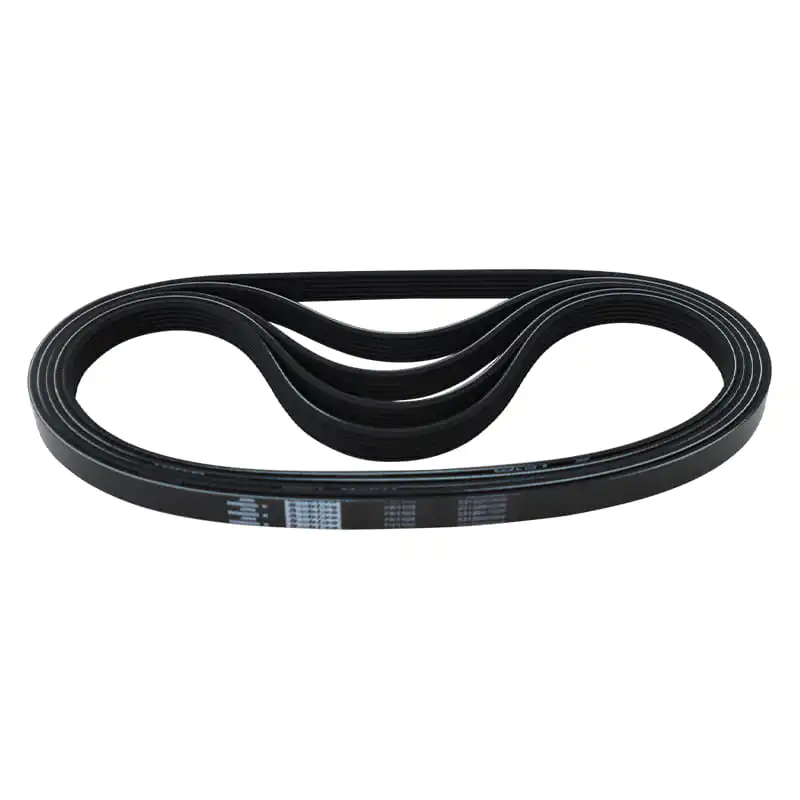
The durability of rubber ribbed belts stems from their layered construction, which combines multiple materials engineered to resist the specific failure modes common in power transmission applications.
EPDM Rubber Compound
Modern rubber ribbed belts are predominantly made from Ethylene Propylene Diene Monomer (EPDM) rubber, which replaced older neoprene formulations in most automotive and industrial belts during the 1990s and 2000s. EPDM offers superior resistance to heat, ozone, and oxidation compared to neoprene, allowing belts to maintain flexibility and tensile strength across a wider temperature range — typically from -40°F (-40°C) to over 250°F (121°C). Because EPDM wears more gradually and does not crack or glaze as visibly as neoprene, it also makes condition assessment more challenging without physical inspection.
Fiber-Reinforced Tensile Cords
Embedded within the rubber body are high-strength tensile cords — typically made from polyester, aramid (Kevlar-type), or fiberglass — that carry the majority of the mechanical load. These cords prevent the belt from stretching under tension and maintain the correct belt length and engagement geometry over time. Aramid-reinforced belts can withstand tensile forces 40–60% higher than polyester equivalents, making them the preferred choice for high-load industrial drives and performance automotive applications.
Ribbed Profile Design
The longitudinal V-shaped ribs on the belt's inner surface grip the corresponding grooves on the pulley, multiplying the contact area compared to a flat belt. This design distributes load across multiple ribs simultaneously, reducing the stress on any single contact point and enabling power transmission efficiencies of up to 98% while significantly reducing wear rates. The rib profile also allows the belt to flex smoothly around small-diameter pulleys without excessive bending stress.
Key Factors That Shorten Rubber Ribbed Belt Life
Excessive Heat
Heat is the single most damaging factor for rubber ribbed belts. For every 18°F (10°C) increase in operating temperature above the design range, rubber degradation accelerates at roughly double the rate — a well-established principle in polymer science known as the Arrhenius rule. An automotive serpentine belt operating in a poorly ventilated engine bay that runs consistently at 220°F (104°C) instead of the design optimum of 185°F (85°C) may have its service life cut by 30–50%. Heat causes the rubber to harden, crack, and lose elasticity over time, eventually leading to rib delamination or belt snapping.
Misalignment of Pulleys
Pulley misalignment — either angular (pulleys tilted relative to each other) or parallel (pulleys offset laterally) — causes uneven rib wear and generates abnormal side loads on the belt edges. Even a misalignment of as little as 0.5 degrees can reduce belt life by 20–30% and produce a characteristic squealing noise under load. In industrial drive systems, misalignment is responsible for an estimated 50% of premature belt failures.
Incorrect Belt Tension
Both overtensioning and undertensioning shorten belt service life. An overtensioned belt places excessive bending stress on the tensile cords with each revolution around the pulley, causing fatigue cracks in the cord layer. An undertensioned belt slips under load, generating heat through friction and rapidly abrading the rib faces. The ideal tension is system-specific, but most manufacturers specify a deflection of approximately 1/64 inch per inch of belt span under moderate thumb pressure as a general field guide.
Oil, Coolant, and Chemical Contamination
Even small amounts of petroleum-based oil or engine coolant on the belt surface cause the rubber compound to swell, soften, and delaminate. A belt contaminated with engine oil may lose structural integrity within a few thousand miles, far short of its rated service life. Chemical solvents, hydraulic fluids, and acidic environments also attack the rubber matrix. If contamination is identified, the source (leaking gasket, hose, or seal) must be repaired before a replacement belt is installed, or the new belt will fail prematurely as well.
UV Radiation and Ozone Exposure
Outdoor and agricultural applications expose belts to ultraviolet radiation and atmospheric ozone, both of which attack the rubber surface and cause surface cracking (ozone cracking) over time. While EPDM offers better ozone resistance than neoprene, prolonged outdoor exposure still accelerates aging. Belts stored in direct sunlight or used on open-deck agricultural equipment may show surface degradation within 12–18 months of installation, even if their tensile core remains intact.
Worn or Damaged Pulleys
Installing a new belt on worn, corroded, or grooved pulleys is one of the most common causes of early belt failure in maintenance environments. A pulley with worn grooves no longer provides full rib engagement, concentrating stress on the rib tips and accelerating wear. Pulley groove wear of more than 0.02 inches (0.5 mm) typically warrants replacement before fitting a new belt.
How to Inspect a Rubber Ribbed Belt for Wear
Because EPDM belts do not crack visibly until they are near the end of their life, visual inspection alone is insufficient for modern ribbed belts. Use a combination of visual, tactile, and measurement-based checks:
- Rib wear depth: Use a ribbed belt wear gauge tool (available from most automotive and industrial suppliers) to measure rib height. A new belt typically has ribs 1.6–2.0 mm deep; replace the belt when rib depth falls below 1.0 mm.
- Surface cracking: Flex the belt by bending it backward (inner surface outward) at a 90-degree angle and look for cracks at the base of the ribs. Any cracks visible to the naked eye indicate the rubber has lost elasticity and replacement is overdue.
- Glazed or hardened surface: Run your finger along the rib surface. A healthy belt feels slightly tacky; a glazed belt feels smooth and hard — a sign of heat damage or slippage. Glazed belts lose grip efficiency and should be replaced.
- Missing or chunked ribs: Inspect each rib for material loss, chunks, or fraying edges. Missing rib sections cause immediate vibration and uneven load distribution across the remaining ribs.
- Noise during operation: Squealing during startup or under load suggests belt slippage from undertension or glazing. A chirping noise (brief, rhythmic) often indicates a misaligned pulley. Either symptom warrants immediate inspection.
- Edge fraying or cord exposure: Frayed belt edges or visible tensile cords indicate severe wear or pulley damage. This is an immediate replacement condition — do not continue operating the equipment.
How to Maximize Rubber Ribbed Belt Service Life
Extending belt life beyond the average range is achievable through disciplined installation practices and routine maintenance. The following steps apply equally to automotive and industrial applications:
- Replace the tensioner and idler pulleys at the same time as the belt. Worn bearings in tensioners or idlers create vibration and uneven load that destroy a new belt within a fraction of its rated life. In automotive applications, replacing these components together is standard practice and adds only a small cost compared to the labor involved.
- Verify pulley alignment before installation. Use a straight edge or laser alignment tool to confirm all pulleys are coplanar. Even minor angular offsets accumulate into significant wear over thousands of operating hours.
- Set tension precisely to the manufacturer's specification. Use a tension gauge rather than relying on feel alone, especially on high-load industrial drives where correct tension is critical to both belt life and driven component performance.
- Inspect the drive system for contamination sources before installing a new belt. Oil leaks, coolant seeps, and chemical spills must be corrected at the source before the new belt is fitted.
- Store spare belts correctly. Rubber ribbed belts should be stored in a cool (below 77°F / 25°C), dry environment away from direct light, ozone sources (electric motors, welding equipment), and petroleum products. Properly stored belts retain full performance for up to 6 years from manufacture date.
- Follow a proactive replacement schedule. In critical applications — automotive serpentine systems, continuous-duty industrial drives — replace the belt at the lower end of its rated service interval regardless of apparent condition, rather than waiting for symptoms of failure.
- Use the correct belt specification for the application. Installing a belt that is slightly too short or too long, or of the wrong rib profile (e.g., PK vs. PJ section), creates immediate stress and dramatically shortens service life. Always verify the exact OEM or manufacturer specification before purchasing a replacement.
Rib Profile and Belt Section: Does It Affect Longevity?
Rubber ribbed belts are manufactured in standardized rib profiles, each designed for a specific range of power transmission requirements. The profile designation affects not only power capacity but also the bending radius, flexibility, and ultimately the fatigue life of the belt.
| Belt Section |
Rib Pitch (mm) |
Typical Use |
Relative Fatigue Life |
| PH |
1.6 mm |
Small appliances, light duty |
Moderate |
| PJ |
2.34 mm |
Vacuum cleaners, power tools, fitness equipment |
Good |
| PK |
3.56 mm |
Automotive serpentine, HVAC, compressors |
Very good |
| PL |
4.70 mm |
Agricultural, heavy industrial drives |
Excellent |
| PM |
9.40 mm |
Very heavy industrial, high-torque drives |
Excellent |
Standard poly-V ribbed belt section profiles with typical applications and relative fatigue life ratings.
Larger rib sections (PL, PM) distribute load over a greater contact area, reducing stress per rib and contributing to longer fatigue life in high-load scenarios. Smaller sections (PH, PJ) are designed to flex around very small pulleys, where minimizing bending stress is more important than maximum load capacity.
When to Replace: Interval vs. Condition-Based Decisions
There are two common approaches to rubber ribbed belt replacement: scheduled interval replacement and condition-based replacement. Each has practical advantages depending on the criticality of the application.
Scheduled Interval Replacement
For critical applications where belt failure causes significant safety or operational consequences — such as automotive serpentine belts powering the power steering pump, alternator, and water pump — replacing the belt at a fixed mileage or time interval is the safest approach. Most automotive manufacturers recommend replacement at 60,000–90,000 miles as a precautionary interval, regardless of apparent belt condition. This is particularly important for EPDM belts, which do not show visible cracking before failure the way older neoprene belts did.
Condition-Based Replacement
In industrial settings with regular inspection programs, condition-based replacement using rib wear gauges, tension measurement, and visual checks can extend belt service life beyond standard intervals while maintaining safety. This approach requires trained maintenance personnel, documented inspection records, and access to measurement tools. When rib depth falls below the minimum threshold or noise symptoms develop, replacement is triggered by condition rather than calendar.
For most users, a hybrid approach is most practical: replace on schedule in high-stakes applications, and inspect regularly in lower-criticality systems, replacing when condition indicators trigger action before the scheduled interval if needed.
Summary: Getting the Most from Your Rubber Ribbed Belt
Rubber ribbed belts are engineered to last 60,000–100,000 miles in automotive use and 2–5 years in continuous industrial operation, but actual service life is highly dependent on operating conditions. Heat, misalignment, contamination, and incorrect tension are the four leading causes of premature failure — and all are preventable with proper installation and maintenance practices. EPDM-compound belts used in modern applications do not crack visibly before failure, making proactive inspection with wear gauges and scheduled replacement intervals essential strategies for avoiding unexpected downtime. By choosing the correct belt section, maintaining proper tension, replacing worn pulleys and tensioners simultaneously, and storing spare belts correctly, you can consistently achieve — and often exceed — the upper end of the rated service life range.



 中文简体
中文简体