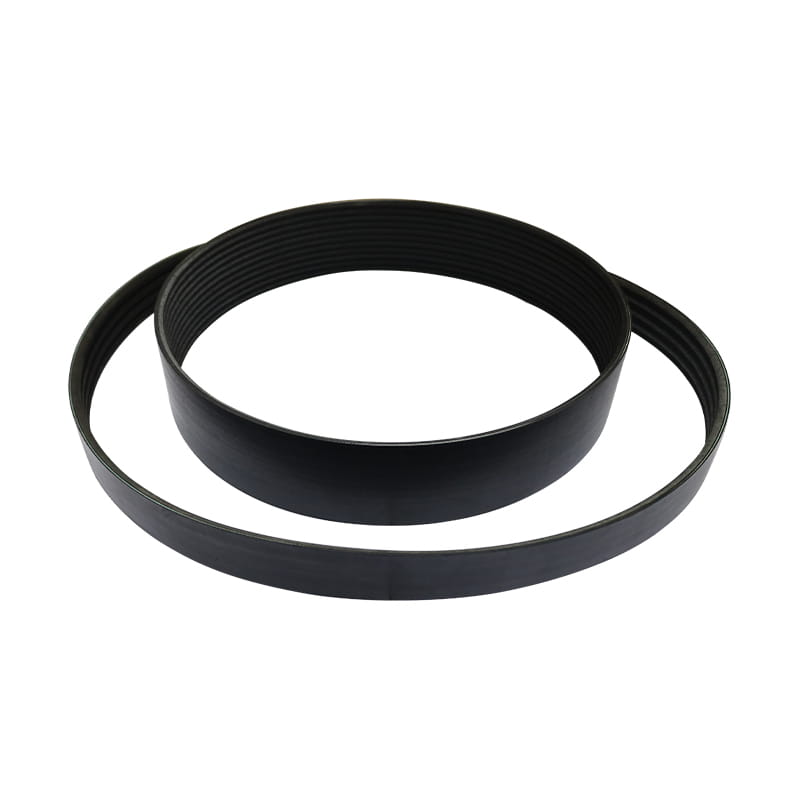
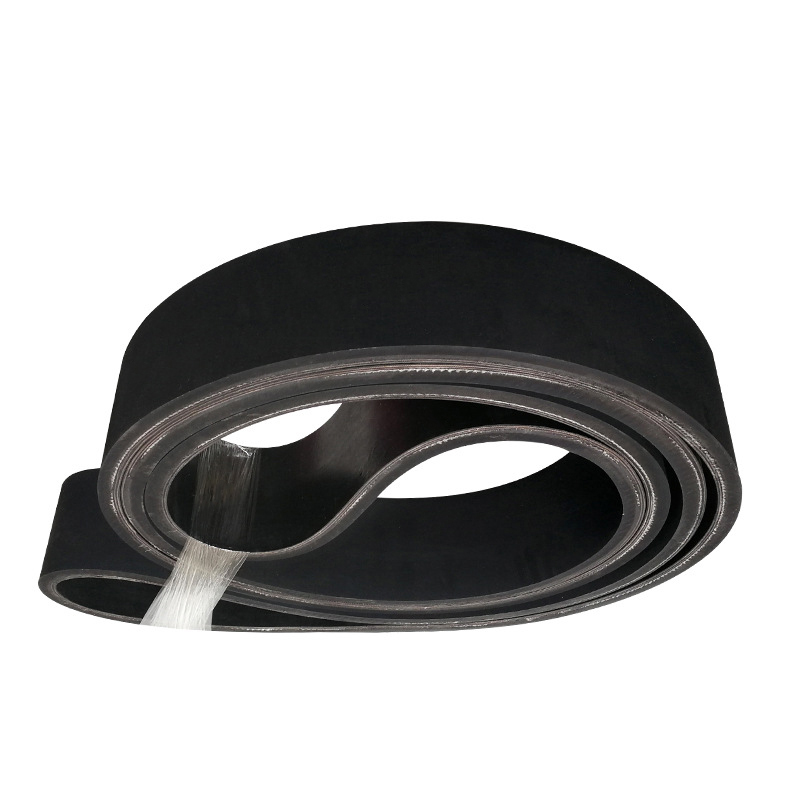
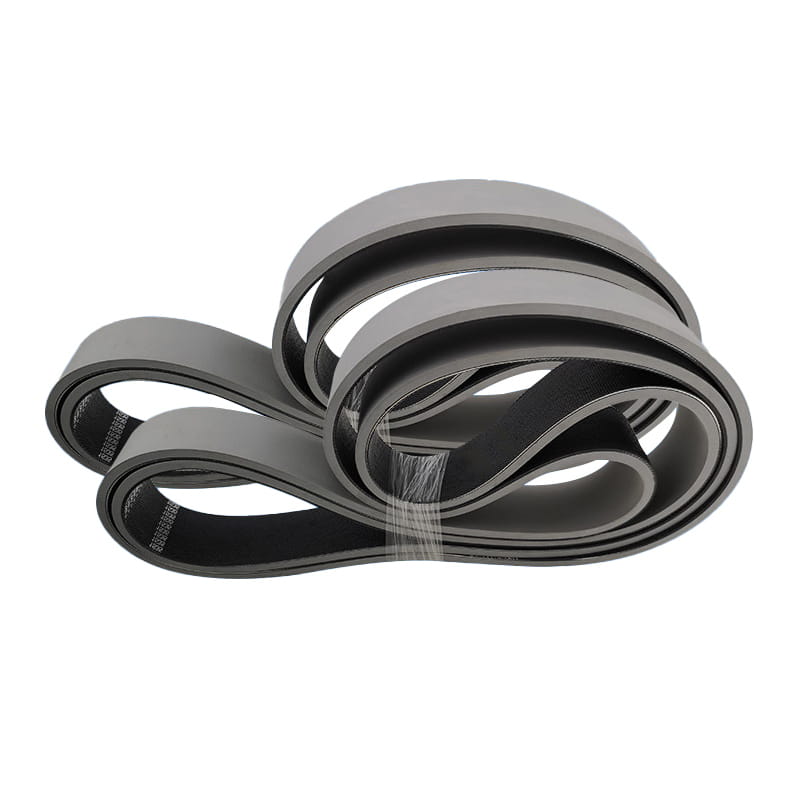
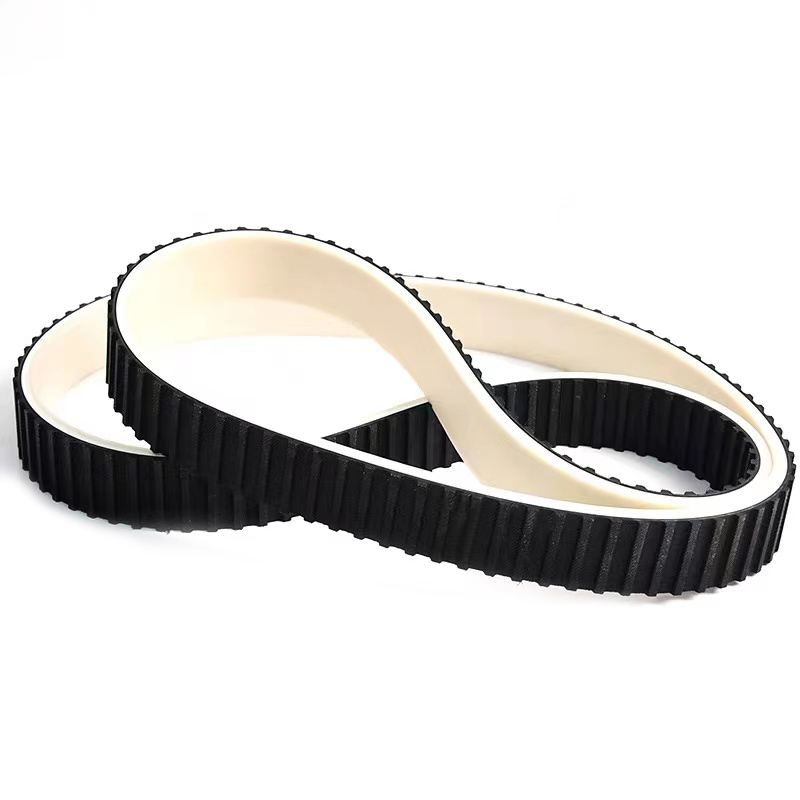
Flat belts are generally better for power transmission in industrial and mechanical applications, while round belts excel in light-duty, craft, and vintage machinery contexts. The right choice comes down to the type of load you're transmitting, the pulley design, the speed required, and the environment in which the belt will operate. Neither type is universally superior — each has a well-defined domain where it outperforms the other. Understanding the structural and functional differences between the two will help you make the correct decision the first time.
This guide covers every relevant dimension: geometry, grip, flexibility, durability, speed ratings, ideal use cases, and maintenance requirements. Whether you're restoring an antique lathe, designing a conveyor system, or selecting a drive belt for a small machine shop, the information below will give you a clear, practical picture.
Understanding the Basic Geometry
The most obvious difference between flat and round belts is their cross-sectional shape, and this shape has profound implications for how the belt behaves under load.
Flat Belts
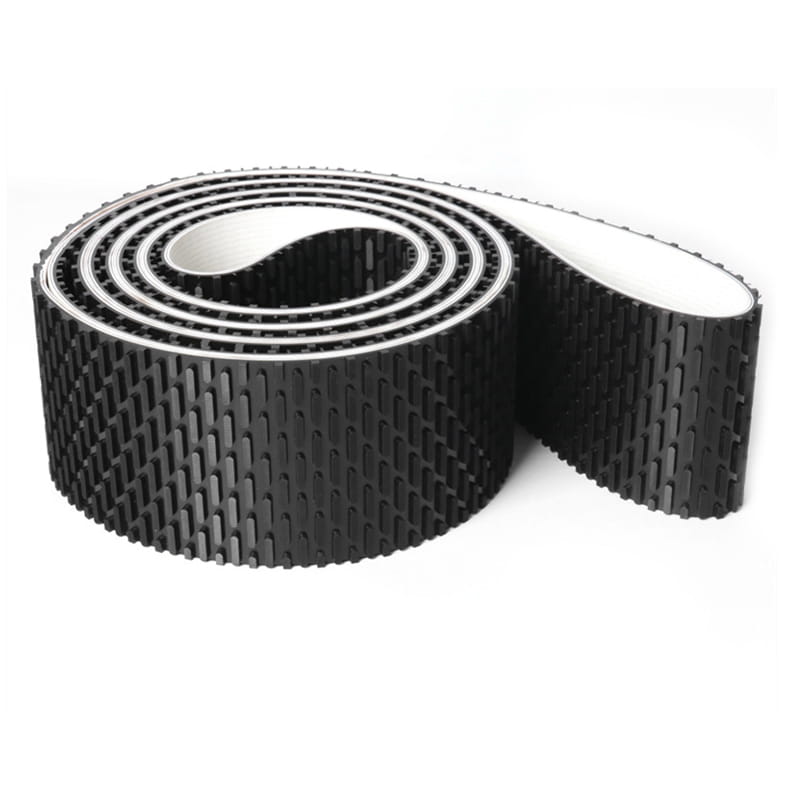
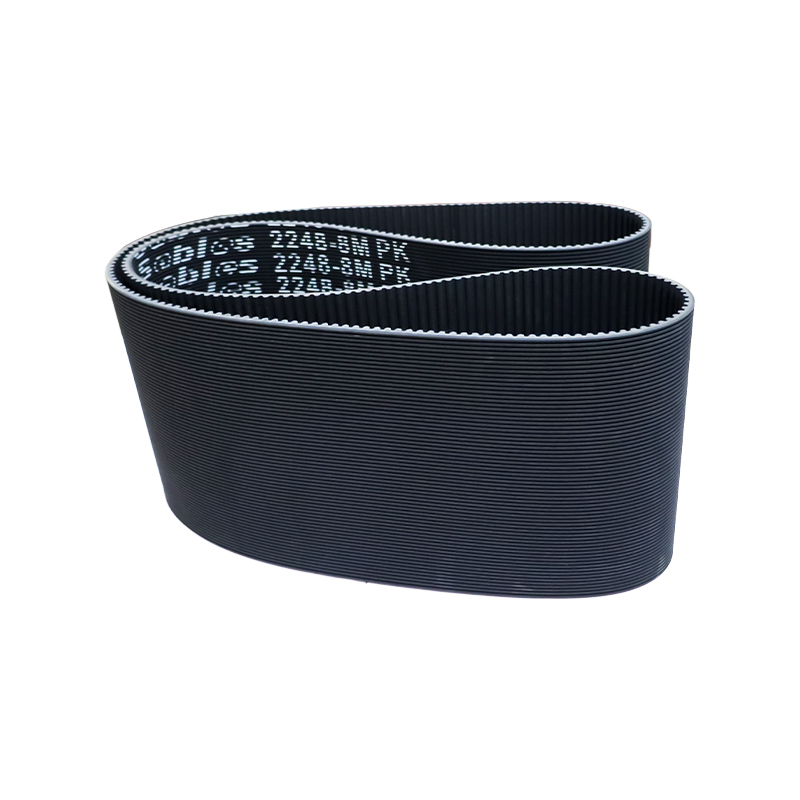
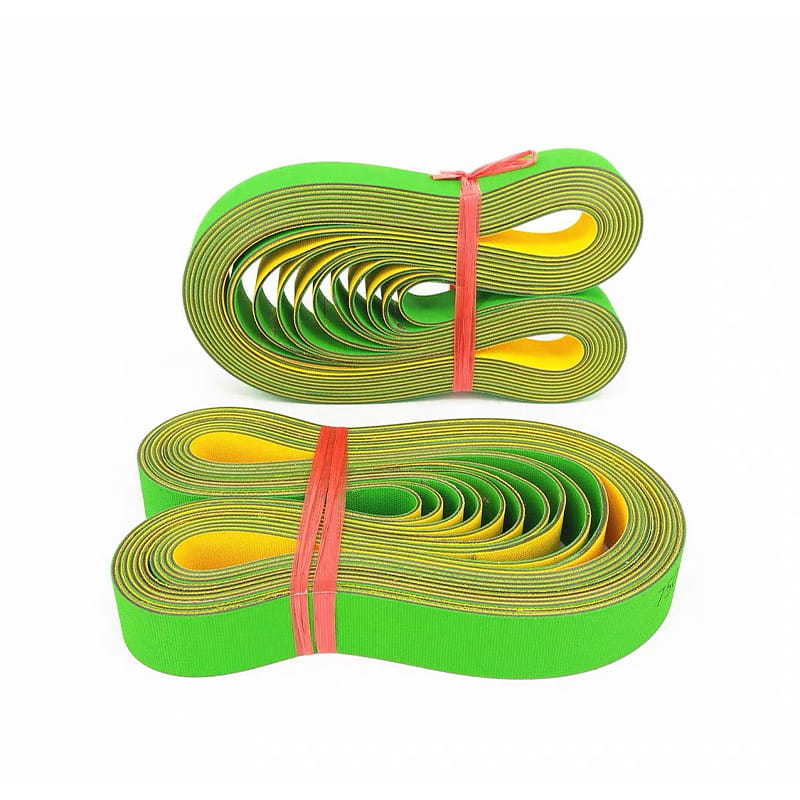
A flat belt has a rectangular cross-section — wide and thin. The contact surface between the belt and pulley is large and distributed across the full width of the belt. Standard widths range from as narrow as 25 mm (1 inch) to over 600 mm (24 inches) in heavy industrial applications. Typical thickness ranges from 3 mm to 12 mm depending on the number of plies and the grade of used.
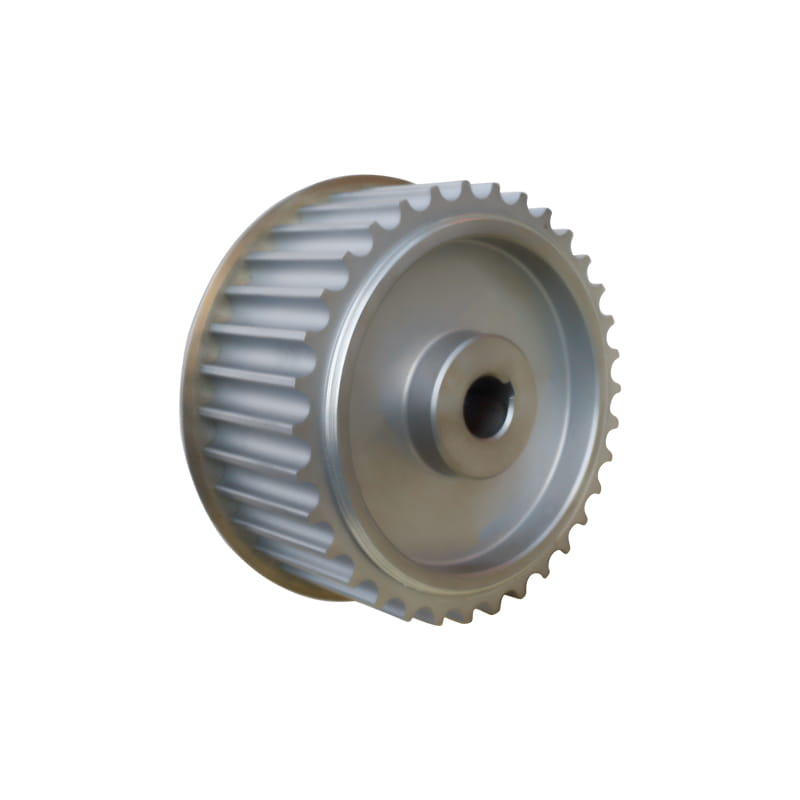
Because the load is spread across a broad surface, flat belts can handle higher torque without slipping. The flat profile also allows the belt to run over flat-faced or crowned pulleys (slightly convex face), which helps the belt self-center during operation.
Round Belts
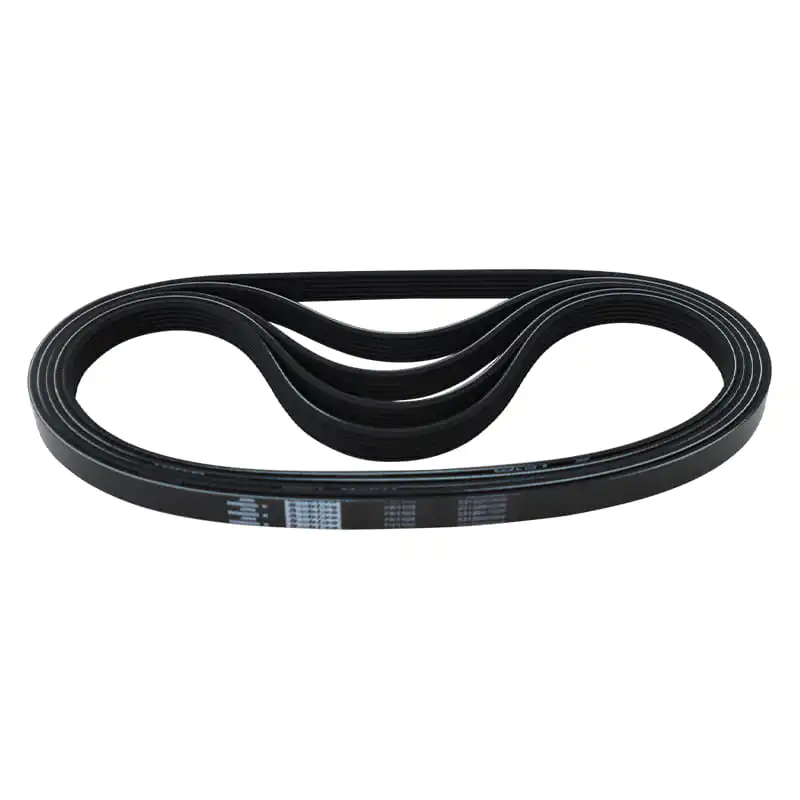
A round belt has a circular cross-section, typically ranging from 3 mm to 12 mm in diameter. The contact area between a round belt and its pulley groove is much smaller — concentrated along a narrow arc at the bottom of a V-groove or round-groove pulley. This geometry means round belts transmit less torque per unit of tension, but they are far more flexible and can easily navigate tight turns and complex routing paths.
Round belts are commonly used in treadle sewing machines, hand-operated drills, potters' wheels, and early-20th-century craft machinery — situations where flexibility and ease of installation matter more than raw power transfer.
Power Transmission Capacity: Flat Belts Win Decisively
When it comes to moving serious amounts of mechanical power, flat belts are the clear winner. Their advantage comes from two factors: larger contact area and the ability to use tension more efficiently.
In belt drive engineering, the power a belt can transmit is closely related to the difference between the tight-side tension and the slack-side tension (known as the effective tension), multiplied by the belt velocity. Flat belts achieve higher effective tension because:
- The contact arc on a flat pulley is longer, increasing the friction coefficient's contribution to grip.
- The wide surface distributes stress more evenly, allowing higher operating tensions without belt failure.
- Multi-ply flat belts (two or three layers of cemented together) can be engineered for very high tensile strength.
A typical single-ply flat belt 100 mm wide running at 10 m/s can transmit approximately 3–5 kW of power. A round belt of 6 mm diameter under similar conditions would typically transmit less than 0.2 kW — a difference of more than 15 times. This makes round belts entirely unsuitable for any application requiring meaningful power delivery.
Flexibility and Routing: Round Belts Win Easily
Round belts have a major advantage in any situation where the belt must follow a curved or non-planar path. Because of their circular cross-section, they can bend and twist in any direction without distortion or stress concentration. They can also be looped through guide holes, around dowels, or through narrow channels — all things that a flat belt cannot do without specialized hardware.
Some typical routing applications where round belts are irreplaceable:
- Treadle sewing machines: The belt must pass through a small hole in the machine table and wrap around a small hand wheel — a path completely impossible for a flat belt.
- Early clock mechanisms: Round cords and belts thread through narrow movement frames.
- Potters' kick wheels: The drive belt wraps around a large flywheel and a small head spindle at an angle, requiring torsional flexibility.
- Musical instrument mechanisms: Some player piano and phonograph mechanisms used round belts to navigate tight internal routing paths.
Flat belts, by contrast, must remain in a single plane. Any twist or angular misalignment causes the belt to track off the pulley, leading to rapid edge wear and eventually belt failure. Crowned pulleys and careful alignment are essential for flat belt installations.
Speed Performance and Efficiency Comparison
Both belt types have practical speed limits, but they behave differently as speed increases.
Comparison of flat and round belt performance characteristics across key operating parameters
| Parameter |
Flat Belt |
Round Belt |
| Typical operating speed |
5–30 m/s |
1–10 m/s |
| Power transmission capacity |
High (up to 500+ kW in wide belts) |
Very low (typically under 1 kW) |
| Mechanical efficiency |
90–98% |
75–90% |
| Flexibility / routing |
Low (single plane only) |
High (multi-directional) |
| Pulley type required |
Flat-face or crowned |
V-groove or round groove |
| Installation complexity |
Moderate to high |
Very simple |
| Typical service life |
3–10 years (with conditioning) |
1–5 years |
| Cost |
Higher (material + fitting) |
Lower (sold by the foot) |
Flat belts also benefit from a well-documented efficiency advantage. Because the contact between belt and pulley is distributed uniformly, slip losses are lower when the belt is properly tensioned and aligned. Efficiency figures of 96–98% are achievable with well-maintained flat belts, comparable to modern V-belts in many configurations.
Durability and Lifespan Under Real-World Conditions
as a belt material is remarkably durable when properly maintained, but the two belt types age differently due to their geometry and typical usage patterns.
Flat Belt Durability
Flat belts, particularly multi-ply versions, are built for continuous, heavy-duty service. When operated within their rated tension and speed limits, and conditioned with neatsfoot oil or a commercial belt dressing every 6–12 months, flat belts routinely last 5 to 10 years in industrial environments. In some museum-quality restorations and preserved workshops, original flat belts installed in the early 20th century are still functional today — a testament to the material's inherent longevity.
The primary failure modes for flat belts are:
- Edge cracking from misalignment or excessive lateral flex
- Delamination of plies at the cemented joint in multi-ply belts
- Stretch and permanent set from sustained overloading
- Brittleness from insufficient lubrication or exposure to dry heat
Round Belt Durability
Round belts are inherently thinner relative to their cross-sectional area and thus more susceptible to surface wear at the pulley groove contact point. The groove concentrates pressure on a small area, which accelerates wear. In light-duty applications — a treadle machine used a few hours per week — a round belt may last 3 to 5 years before replacement is needed. In more intensive use, annual replacement may be necessary.
The good news is that round belts are inexpensive and trivially easy to replace. They are commonly sold in bulk by the meter or foot, and joining a new belt requires only a simple lace or a lacing hook tool. No special splicing skills or equipment are needed.
Installation and Tensioning: A Practical Look
The ease of installation is one of the most practically relevant factors for hobbyists, restorers, and small shop operators.
Installing a Flat Belt
Flat belt installation requires measuring the center-to-center distance of the pulleys accurately, cutting the belt to the correct length with an allowance for the joint, and then joining the ends. Joining methods include:
- Cemented or vulcanized splice: The two ends are skived (tapered), overlapped, and bonded with cement. This produces the smoothest running joint but requires skill and proper clamp pressure during curing.
- Metal lacing or hooks: Alligator-style metal clips are stapled across the belt ends to join them. Faster to install and field-replaceable, but creates a slight bump at the joint that can cause vibration at high speeds.
- Wire lacing: A continuous wire is threaded through pre-punched holes along the belt ends and twisted to form a hinge joint. Less common today but still used in some legacy industrial settings.
Proper tensioning is critical for flat belts. Too little tension causes slipping; too much causes excess bearing load and accelerated wear. Most flat belt systems rely on the weight of the motor (gravity tensioning), an adjustable motor mount, or a spring-loaded idler pulley to maintain correct tension automatically.
Installing a Round Belt
Round belt installation is considerably simpler. The belt is threaded through the machine's routing path, wrapped around the pulleys, cut to length, and then the two ends are joined using one of these methods:
- Heat welding: The two ends are held briefly over a flame until they are soft and tacky, then pressed together. When cooled, the joint is nearly invisible and surprisingly strong.
- Lacing: A flat lace or thin wire is threaded through holes punched in both belt ends to form a simple hinge connection.
- Adhesive: Contact cement or glue applied to both ends, held together under pressure until cured.
The heat welding method in particular is extremely popular among sewing machine restorers — it requires no tools, no hardware, and produces a clean, smooth joint in under a minute. This convenience is a significant advantage of the round belt format.
Best Use Cases for Each Belt Type
Based on the characteristics discussed above, here is a practical breakdown of where each belt type belongs:
Choose a Flat Belt When:
- You are transmitting significant power (more than 0.5 kW) between parallel shafts.
- You need high belt velocity (above 10 m/s).
- You are restoring or maintaining a large antique machine tool — lathes, drill presses, line-shaft systems.
- Your pulleys are flat-face or crowned and designed for flat belt operation.
- Long-term durability and minimal maintenance intervals are priorities.
- You are operating in a museum, heritage workshop, or historically accurate restoration environment where appearance matters.
Choose a Round Belt When:
- You are restoring a treadle sewing machine, bobbin winder, or hand-powered tool.
- The belt must thread through a confined space or navigate a non-planar routing path.
- Your pulleys are V-groove or round-groove design.
- The power requirement is low (under 0.5 kW) and speed is moderate (under 8 m/s).
- Easy field replacement with no special tools is important.
- Cost is a significant constraint — round belts typically cost a fraction of flat belt equivalents.
Maintenance and Conditioning Requirements
Belts is an organic material, and all belts require periodic conditioning to remain flexible and strong. Dry becomes brittle and prone to cracking, while over-saturated loses tensile strength and becomes soft and prone to slipping.
The recommended approach for both belt types:
- Inspect every 3–6 months for signs of surface cracking, hardening, delamination (flat belts), or surface glazing from heat and friction.
- Apply neatsfoot oil or a dedicated belt conditioner by wiping it onto both surfaces of a flat belt, or rubbing it into a round belt with a cloth. Allow it to absorb overnight before running the belt.
- Avoid petroleum-based lubricants (motor oil, WD-40) as they degrade the 's fiber structure over time and can cause premature failure.
- Check tension at each service interval. stretches slightly over time — especially round belts — and may need re-joining or replacement if the slack cannot be taken up by the tensioning system.
- Keep belts away from oil, grease, water, and extreme heat. Even brief oil contamination dramatically reduces grip and can permanently damage the structure.
Flat belts, due to their larger surface area and thickness, typically hold conditioning treatments longer and require less frequent attention than round belts of comparable service age. However, the joint area of a flat belt — whether cemented or laced — is always the weakest point and should be inspected closely at every service interval.
Environmental Factors That Affect Both Belt Types
Operating environment plays a significant role in the performance and longevity of belts, regardless of shape. Here is how common environmental factors affect each type:
How environmental conditions affect flat and round belt performance and longevity
| Environmental Factor |
Impact on Flat Belt |
Impact on Round Belt |
| High humidity |
Belt stretches; may slip; mold risk on stored belts |
Similar stretch and slip issues; faster degradation |
| Low humidity / dry heat |
Brittleness; edge cracking; more frequent conditioning needed |
Surface hardening; groove wear accelerates |
| Oil or solvent exposure |
Severe grip loss; structural softening; replace belt |
Same — oil contamination is terminal for both types |
| Temperature extremes |
Brittleness below 0°C; softening above 60°C |
Same range applies; smaller cross-section cools faster |
| Dust and abrasives |
Surface abrasion; reduced friction with some fine particles |
Groove wear accelerated significantly |
Both flat and round belts perform best in clean, dry, temperature-controlled environments — roughly 15–30°C and 40–60% relative humidity. Extremely wet, oily, or high-abrasive environments are better served by rubber, urethane, or synthetic belting materials, regardless of the flat/round question.
Cost Considerations and Value Over Time
Cost is rarely the primary decision driver for belt selection, since the application requirements (power, routing, pulley type) typically dictate the choice before budget enters the picture. That said, it's worth understanding the cost structure of both options.
Round belts are among the most affordable drive belts available. A 3-meter length of 6 mm round belt typically costs between $5 and $15 USD, enough to service several treadle machines or small appliances. Replacement takes minutes and requires no specialist tools or adhesives (heat welding is free). The low cost and ease of replacement mean that even if a round belt fails prematurely, the total cost impact is minimal.
Flat belts are significantly more expensive, with price varying substantially by width, number of plies, and length. A custom-cut single-ply flat belt 75 mm wide and 2 meters long might cost $30–$80 USD before shipping, while a wide multi-ply industrial belt can run into hundreds of dollars. However, when amortized over a 5–10 year service life, the cost per year is often lower than replacing cheaper synthetic alternatives more frequently.
The true cost of a flat belt must also include the value of its superior efficiency. Even a 2% improvement in mechanical efficiency in a continuously running industrial application can represent significant energy savings over the belt's lifetime — often exceeding the belt's purchase price within the first year.
Final Verdict: Match the Belt to the Job
The flat belt vs. round belt debate is not a matter of one being globally better than the other — it is a matter of fit-for-purpose engineering. Each type was developed for a distinct class of applications, and both remain in active use today precisely because they each solve problems the other cannot.
- Choose flat if you need power, speed, efficiency, or long service life in a conventional parallel-shaft drive.
- Choose round if you need flexibility, simple installation, complex routing, or a belt for light-duty craft or vintage machinery.
When in doubt, look at your pulleys. Flat-faced or crowned pulleys demand a flat belt; V-groove or round-groove pulleys require a round belt. Pulley geometry is the most reliable first filter, and trying to run the wrong belt type on the wrong pulley will result in premature failure regardless of belt quality or careful maintenance.
Both types, when correctly matched to their application and properly maintained with regular conditioning, offer outstanding performance, quiet operation, and the unique mechanical character that only genuine can provide. In a world dominated by synthetic polymers and molded rubber, belting remains a highly practical — and in many cases, the optimal — choice for mechanical power transmission.



 中文简体
中文简体