



HOME / News / How to Choose the Right Coated Rubber Belt for High-Speed Automated Packaging: A Complete Guide to Durability and Precision

News

How to Choose the Right Coated Rubber Belt for High-Speed Automated Packaging: A Complete Guide to Durability and Precision

The Critical Role of Coated Rubber Belts in Modern Automation

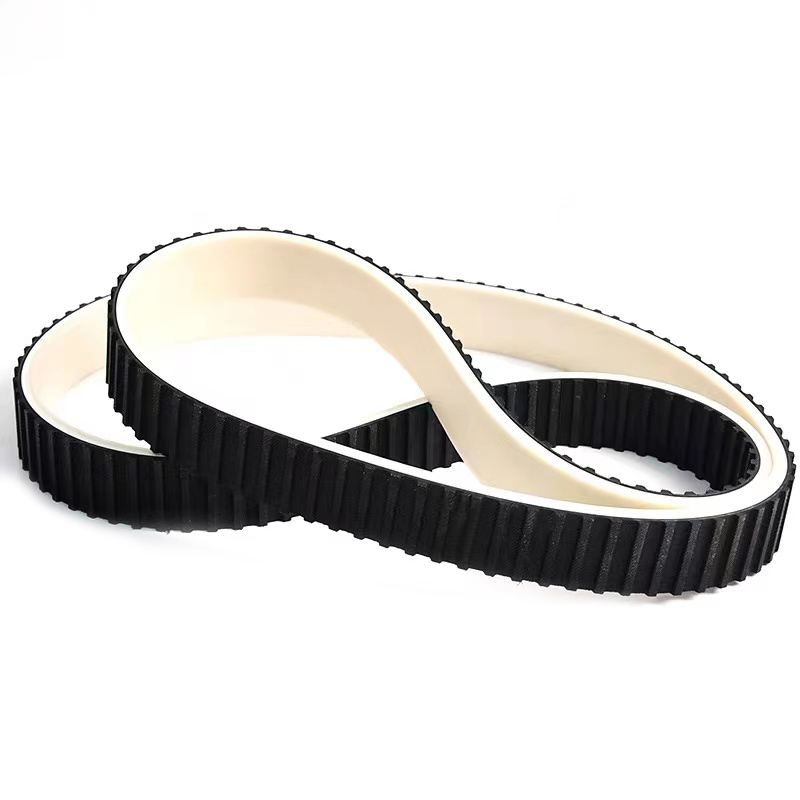
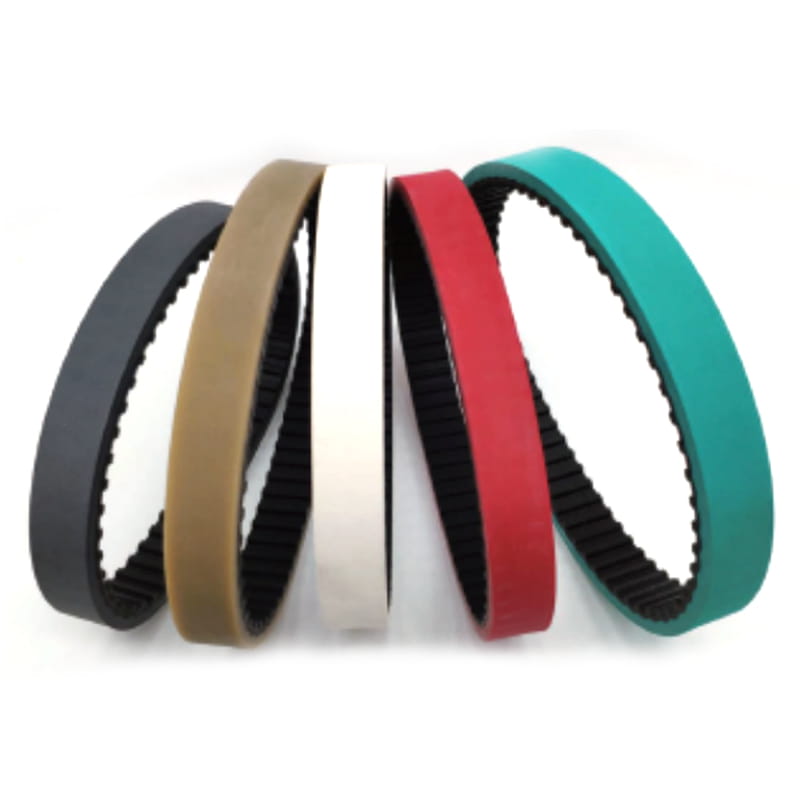
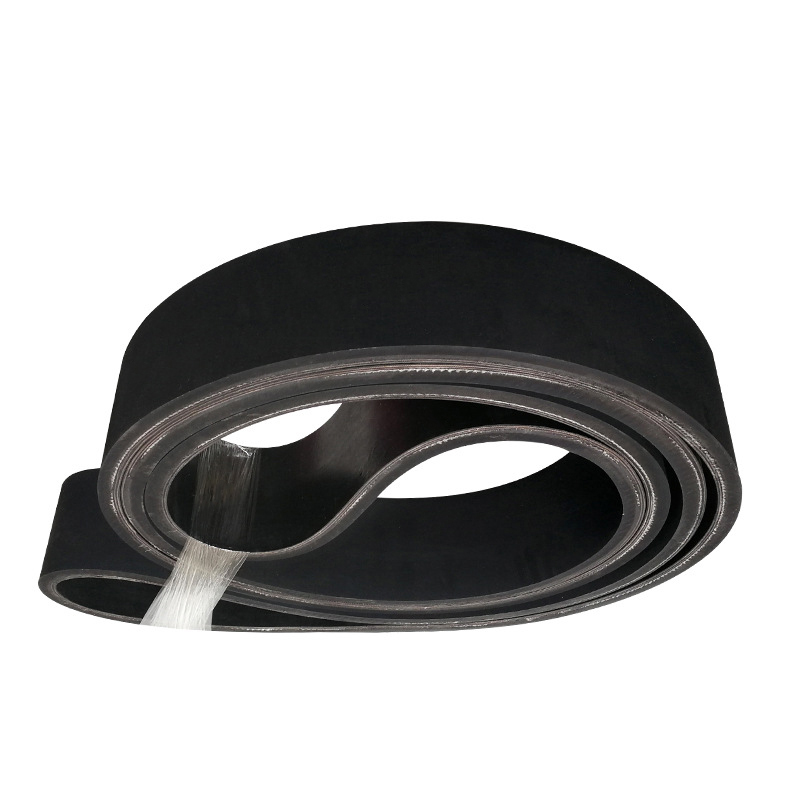
In the fast-paced world of automated packaging and cable manufacturing, the reliability of a transmission system often hinges on a single component: the belt. Coated rubber belts, particularly those integrated with synchronous cores, have revolutionized how materials are handled. Unlike standard belts that might slip or wear down under high-frequency friction, these specialized belts combine the mechanical precision of a timing belt with the high-grip characteristics of premium rubber compounds.
19-1.jpg (800×800)

When dealing with delicate packaging films or heavy-duty cable traction, the coefficient of friction is non-negotiable. An inferior belt leads to "slippage," which results in misaligned packaging or inconsistent tension in cable production. By utilizing an integral seamless molding process, these belts eliminate the risk of delamination—a common failure point where the rubber coating peels away from the base belt during high-speed operation.

Technical Comparison: Rubberized Timing Belts vs. Adhesive Flat Tapes

Choosing between a timing-based coated belt and a flat adhesive tape depends entirely on your drive system requirements. Below is a detailed breakdown of how these two solutions compare in industrial environments.

Feature Rubberized Timing Belt Adhesive Flat Tape
Core Material Synchronous Steel/Fiber Core Fiber Core w/ Backbone Structure
Primary Benefit Zero-slip indexed movement High surface flatness & flexibility
Customization Slots, holes, and tooth profiles Grooves and surface textures
Wear Resistance Ultra-high (Heavy duty) High (Friction drive)
Comparison of structural and functional attributes for industrial rubber belts.

Why Customization Matters: Slots, Holes, and Grooves

Standard off-the-shelf belts rarely meet the exacting demands of proprietary packaging machinery. To optimize performance, precision machining of the belt surface is often required. This is not merely aesthetic; it is functional engineering that affects vacuum suction, material positioning, and heat dissipation.

Improving Vacuum Suction with Perforations

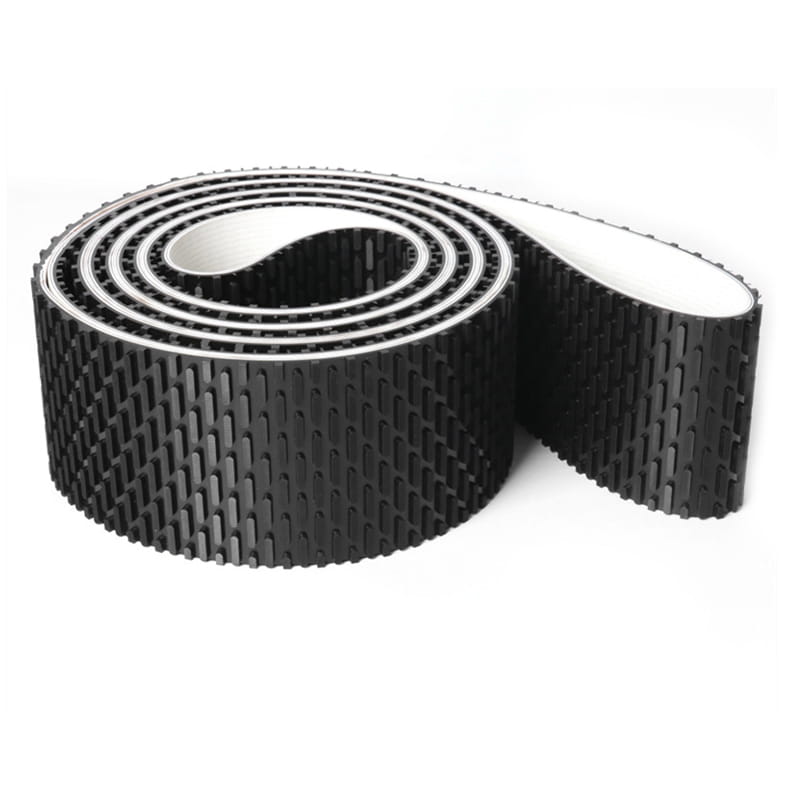
In vertical form fill and seal (VFFS) machines, belts often require custom-drilled holes. These holes allow vacuum systems to "grab" the packaging film securely. Without precise hole placement, the suction is uneven, leading to wasted material and machine downtime.

Enhancing Directionality with Grooves

For adhesive flat tapes, adding longitudinal or transverse grooves helps in two ways:

  • It increases the effective surface area, significantly boosting friction against smooth materials like plastic piping or cables.
  • It provides a channel for air or moisture to escape, preventing the "aquaplaning" effect in humid food processing environments.

Key Performance Features of High-Wear Rubber Compounds

The "rubber" in a coated belt isn't just standard industrial rubber. It is a specialized compound designed to withstand millions of flex cycles without cracking. High-quality anti-flexing properties ensure that as the belt travels around small diameter pulleys—often found in compact packaging equipment—the internal fibers do not fatigue and the surface does not develop micro-fractures.

Consider a cable traction application: the belt must exert significant pressure on the cable to pull it through the extrusion line. A standard belt would wear down within weeks. However, an abrasion-resistant fabric backing combined with a fiber-reinforced core can extend the service life by up to 300%, reducing the total cost of ownership for the manufacturer.

Industry-Specific Applications

Our belts are engineered for stability across several high-stakes industries. Here is how they are typically deployed:

  • Printing and Packaging: Used for paper feeding and film tensioning where precise timing and high grip are essential.
  • Food Processing: Utilizing FDA-compliant materials that can handle temperature fluctuations while maintaining friction.
  • Cable Traction: Employing twin-belt haul-off systems to pull fiber optics or power cables without damaging the outer sheath.

Frequently Asked Questions (FAQ)

What is the advantage of a "one-piece seamless" belt?

A seamless construction means there is no joint or splice. This ensures perfect rotational balance and eliminates the "bump" that occurs when a joint hits a pulley, which is vital for high-speed printing accuracy.

Can I request custom hole patterns for vacuum packaging?

Yes. We can customize slots, circular holes, and countersunk patterns based on your CAD drawings to ensure 100% compatibility with your automated equipment.

How do I know if I need a timing belt core or a flat tape?

If your process requires synchronized movement (e.g., placing a label exactly every 10cm), you need a Rubberized Timing Belt. If you are simply conveying or pulling materials where slight variation is acceptable, an Adhesive Flat Tape is more cost-effective.

What makes the belt "anti-flexing"?

We use a specific backbone structure and fiber-reinforced core that allows the belt to bend around small radii without generating internal heat or structural fatigue, which typically causes standard belts to snap.

Products Recommended

  • Rubber Wide - Angle Belt
    Rubber Wide - Angle Belt
    The wide-angle belt is a new type of industrial transmission belt developed on the basis of the general industrial V-belt technology.
    They are all driven by the friction diagram on both sides of the belt. The wedge angle of the general V-belt is 40° and the wedge angle
    of the wide-angle transmission belt is 60°.
    According to the principle of transmission dynamics, as the wedge angle of the wide-angle belt increases, the area supported by the
    two transmission sides naturally increases, thus giving rise to the following advantages over the general V-belt:
    1. The load of the wide-angle belt is evenly distributed and the wear resistance is improved.
    2. The contact area between the belt and the pulley increases and the transmission force is increased.
    3. It improves the concave deformation of the drive belt core and strengthens the drive characteristics.
    4. After the wide-angle belt is installed and used, the problem of belt tension drop is improved.
    It is the above-mentioned advantages of the wide-angle belt that are widely used and affirmed by the precision machinery industry.
    View More
  • Rubber Conveyor Belt
    Rubber Conveyor Belt
    The conveyor belt is composed of surface adhesive, core, and layer glue. In addition, a layer of buffer cloth can be added to the use of high drop impact to make it more impact-resistant.

    The surface adhesive
    With natural rubber and synthetic rubber as raw materials and in order to enhance wear resistance, crack resistance, aging resistance, and other properties, the surface adhesive has various characteristics such as wear resistance, cutting resistance, heat resistance, flame resistance, cold resistance, acid and alkali resistance, oil resistance, static electricity resistance and so on.
    Cloth layer core
    The cloth layer is composed of natural fiber or chemical fiber alone or a combination of the two, has the same quality after single-step treatment by a mature process, And has good adhesion with rubber.
    The adhesive layer
    The adhesive layer is very important for the adhesive force between the layers of the core of the conveyor belt that is repeatedly flexed. Especially for high-tension conveyor belts, a layer of adhesive with less buckling stress and less fatigue due to internal stress must be used.
    Specifications and models can be customized according to customer requirements, with a thickness ranging from 2.0 mm to 8.0 mm.
    View More
  • Endless Rubber Flat Belt
    Endless Rubber Flat Belt

    Belt type:
    FH FL FM
    Scope of application:

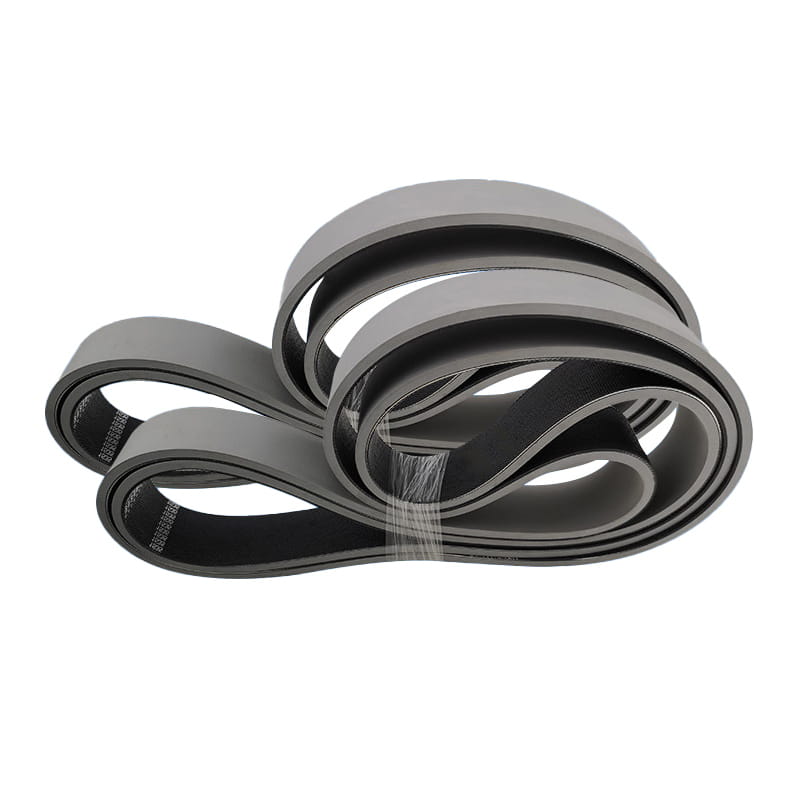
    High-speed, smooth, and low-extension transmission and conveying systems, such as textile machinery, woodworking machinery, grinding machinery, ticket vending machines, vegetable cutting machines, etc.
    Characteristics:
    High speed and stability, high tensile strength, and low elongation.
    View More
  • Silicone Belt
    Silicone Belt

    Belt type:
    Integrated Vulcanized Silicone Flat Belt and Silicone Synchronized Belt
    Scope of application:

    Sanitary products industry, glass machinery, sealing machine, etc.
    Characteristics:
    Anti-sticking, high friction coefficient, and high-temperature resistance.
    View More
  • Endless Rubber Sanding Machine Belt
    Endless Rubber Sanding Machine Belt
    The seamless rubber band produced by woodworking machinery can be used for sanding, correcting, and trimming core materials, planing wood boards, laminated boards, plastic laminated boards, and other machines, and can help the surface to be perfectly machined and selected.
    Its special technology lies in the manufacturing method and produces the required size jointless belt. We not only strictly control the quality, but also insist on using imported materials in order to make our sander belt have better performance.

    All parts of thickness and strength are absolutely uniform.
    It has a good linear operation.
    High flexibility can be used for small wheel diameters.
    It can maintain flatness and non-deformability under working pressure.
    The friction coefficient between the bottom of the belt and the plate surface is very low.
    Because the surface layer of the belt is covered with rubber, the adhesiveness is improved and the stability of the conveyor belt is improved.
    View More
  • Synchronous Pulley
    Synchronous Pulley

    Scope of application:

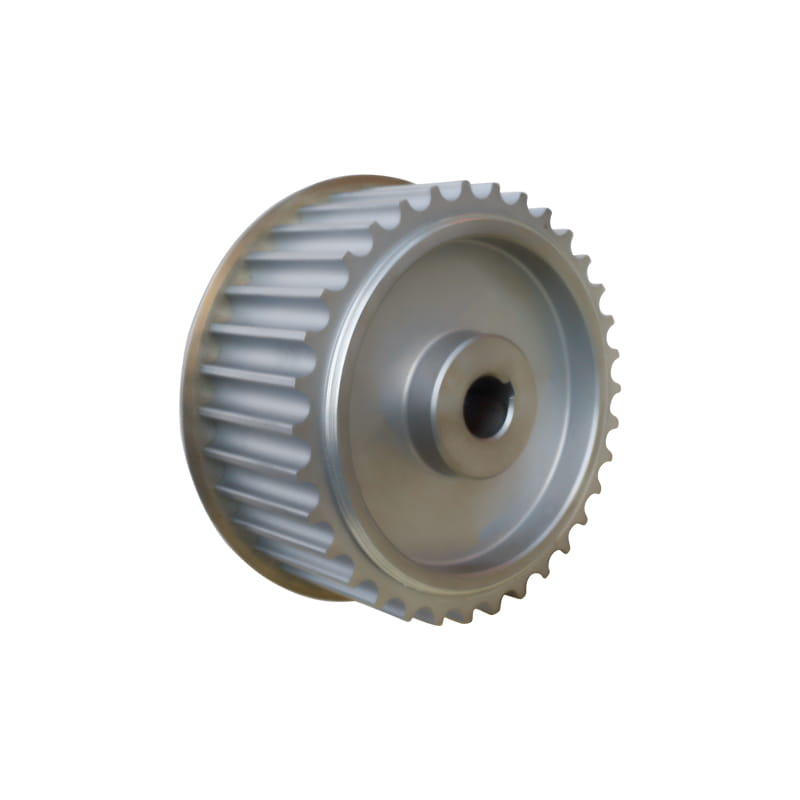
    Apply to each field of the synchronous-driven device system.
    Characteristics:
    Ensure coordination with the belt, to enhance the accuracy and lifetime of the driven. According to customer requirements, customization optimum driven solution can divided into 45# steel, aluminium alloy, stainless steel, cast iron, nylon, etc, according to the material.
    View More
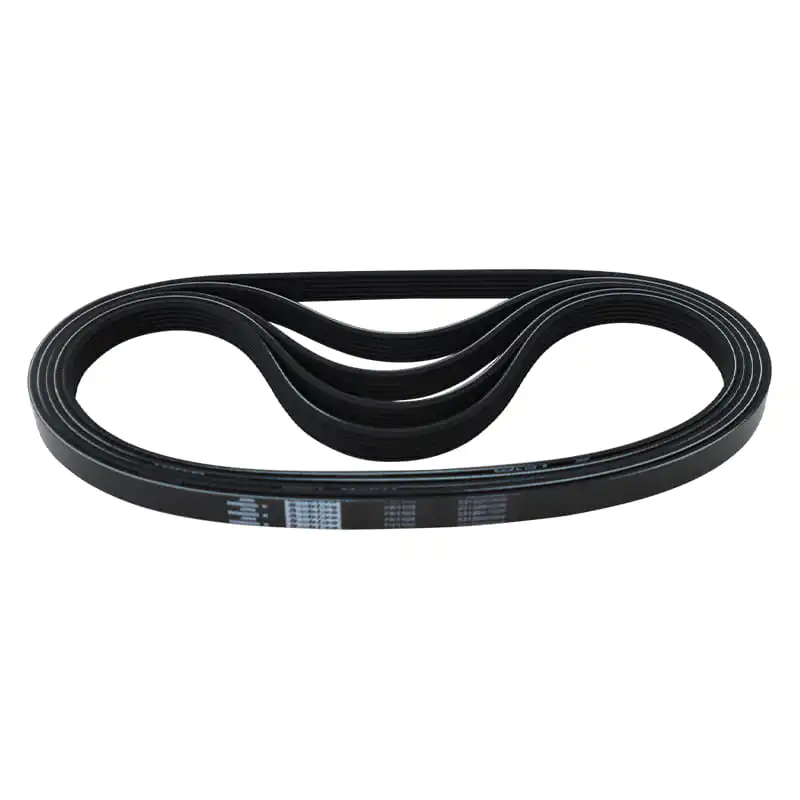
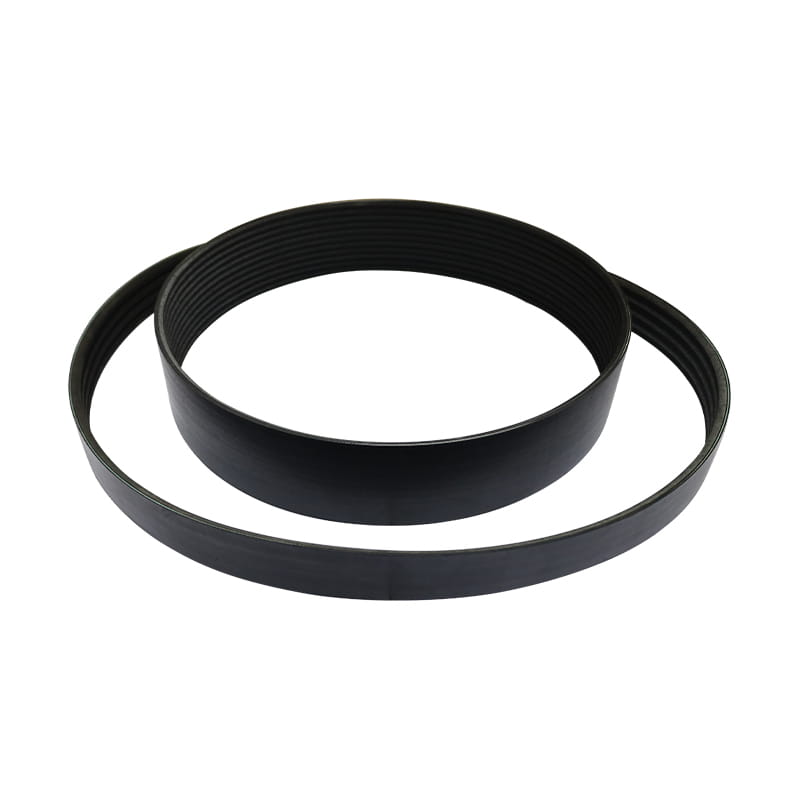
  • Ribbed Belt
    Ribbed Belt

    Belt type:
    PHPJPKPLPM
    Scope of application:

    It is suitable for outdoor transmission equipment, transportation equipment, medical equipment, electric tools, household appliances, and sports equipment.
    Characteristics:
    1. The transmission power of the ribbed belt is higher than that of an ordinary V-belt by 30 % when the space is the same. 
    2. The transmission system of the ribbed belt has a compact structure, and under the same transmission power, the space occupied by
    the transmission device is 25 % smaller than that of the common V-belt.
    3. The ribbed belt is thin and flexible and is suitable for transmission with a small pulley diameter and high-speed transmission, with belt
    speed up to 40m/ s; Small vibration, less heat, and stable operation.
    4. The ribbed belt is heat-resistant, oil-resistant, and wear-resistant, with small elongation and a long service life.
    View More
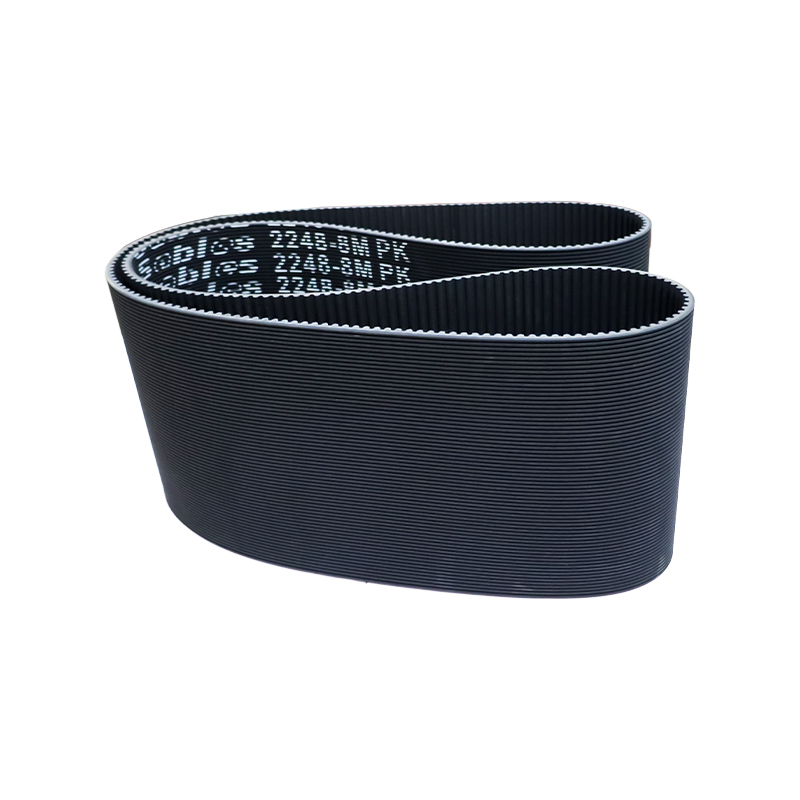
  • Toothed And Ribbed Belt
    Toothed And Ribbed Belt

    Belt type:
    8MPK S8MPK
    Scope of application:

    Flour mill, pulverizer, etc. 
    Characteristics:
    1. One side of the tooth wedge belt is a ribbed belt and the other side is a synchronous belt.
    2. Double-sided transmission capable of meeting special working conditions.
    View More