Comprehensive Overview of Modern Conveyor Belt Systems
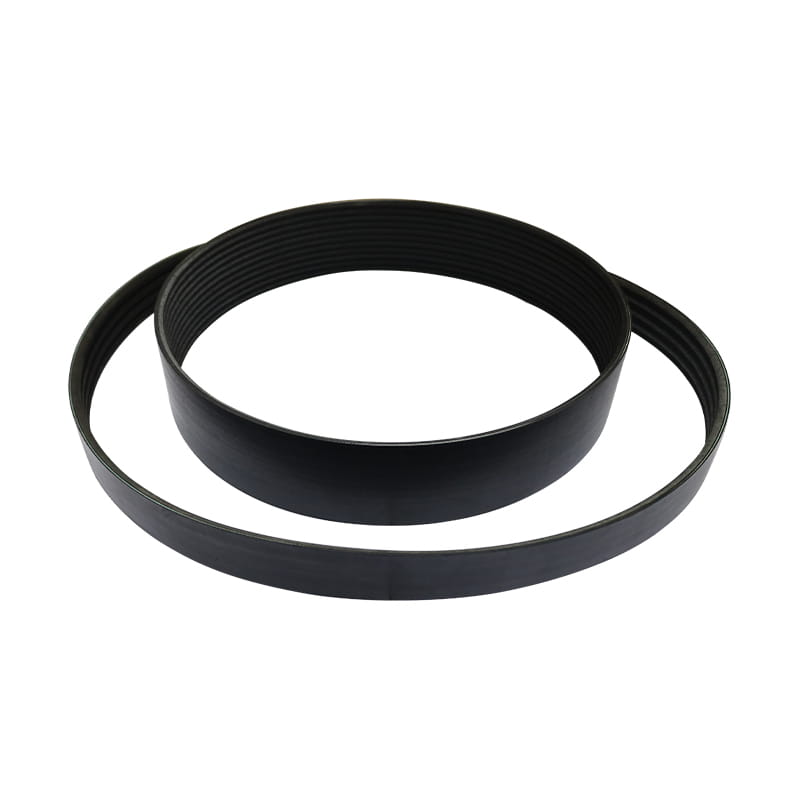
In the industrial world, the conveyor belt is the lifeline of production. Choosing the wrong belt can lead to catastrophic downtime, while the right selection optimizes throughput and minimizes maintenance costs. Conveyor belts are fundamentally categorized into four primary groups: heavy-duty belts, light-duty belts, patterned rubber belts, and special-purpose rubber belts. Each category is engineered to solve specific logistical challenges, from hauling tons of iron ore in a mine to transporting delicate pharmaceutical vials at high speeds.
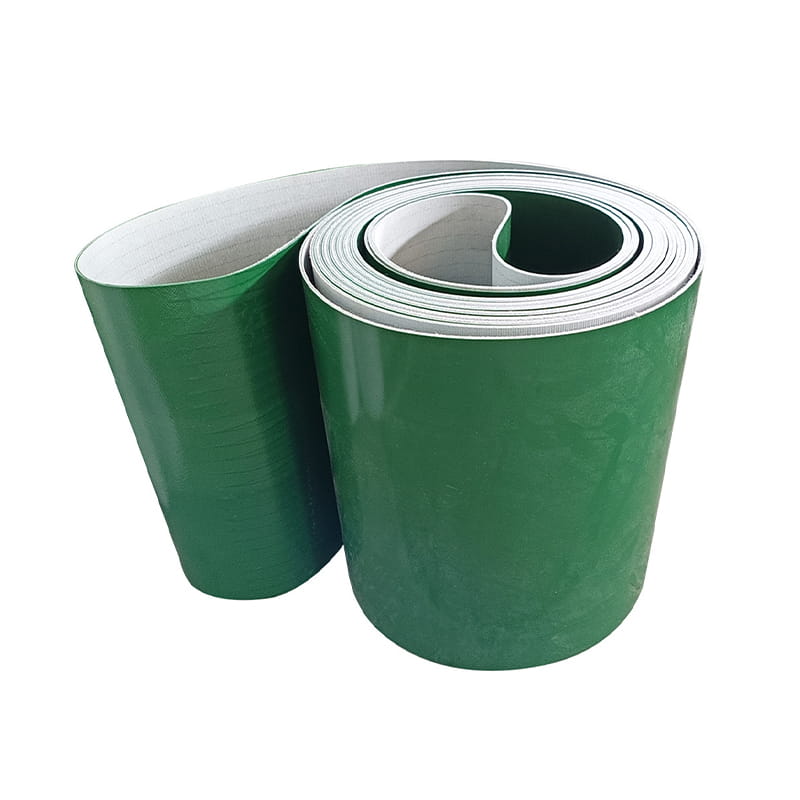
Understanding the material composition and structural reinforcement—whether it is a layered fabric core, a steel wire skeleton, or a synthetic PU/PVC polymer—is essential for any facility manager. This guide breaks down the technical characteristics and application scopes of these critical components to help you make an informed procurement decision.
Heavy-Duty Conveyor Belts: Engineering for Extreme Environments
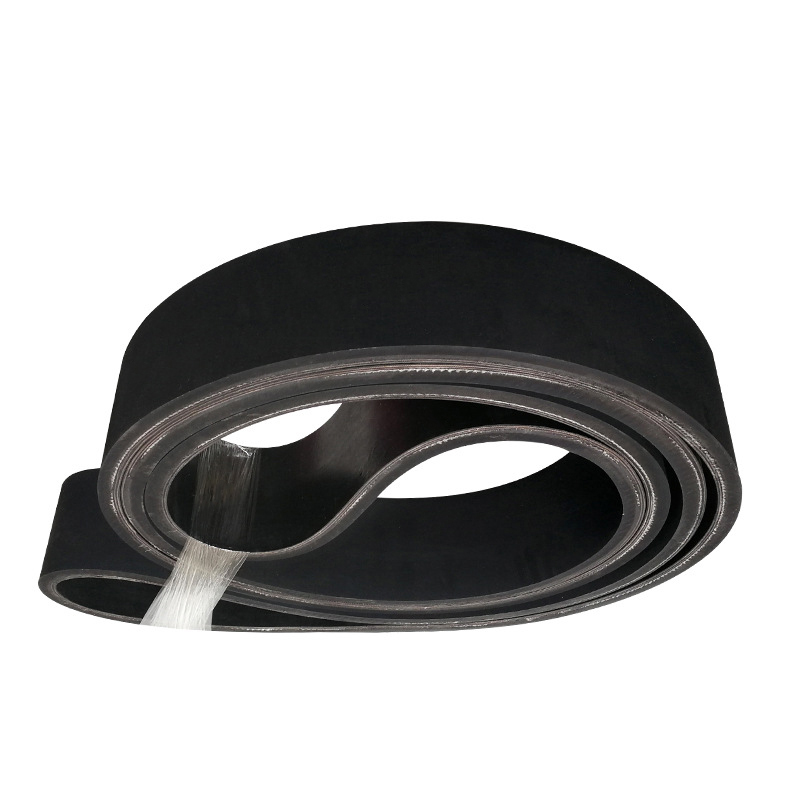
Heavy-duty belts are the workhorses of the bulk material handling industry. They are designed to withstand high impact, abrasive materials, and massive tensile loads. These are further divided into three specialized structures:
1. Layered Fabric Conveyor Belts
Utilizing multiple layers of high-strength synthetic fibers, these belts offer a superior strength-to-weight ratio. They are widely used in ports and chemical plants because they provide excellent resistance to acid and alkali environments while maintaining high elasticity. Their "grooving property" allows them to form a deep U-shape on idlers, preventing material spillage during high-volume transport.
2. Steel Wire Core Conveyor Belts
When the application involves long-distance spans or high-speed vertical lifts, steel wire core belts are the only viable solution. These belts exhibit extremely low service elongation, meaning they do not stretch significantly even under the weight of thousands of tons of coal or ore. Their long service life makes them the most cost-effective choice for large-scale mining operations.
3. Integral Belt Core (Solid Woven) Belts
Safety is paramount in underground mining. Integral core belts are specifically engineered for flame retardancy and anti-static conduction. Because the core is woven as a single piece, there is no risk of delamination, providing exceptional tear resistance in hazardous, flammable environments.
Light-Duty Belts: Precision for High-Speed Automation
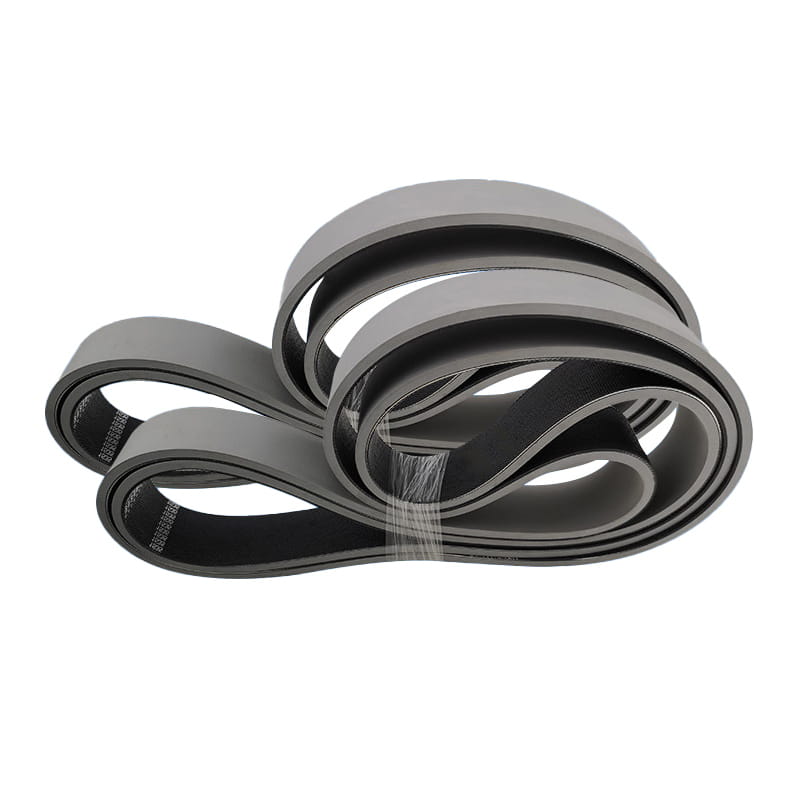
In industries like food processing, medicine, and electronics, the focus shifts from raw power to precision and cleanliness. Light conveyor belts (PVC, PU, and light rubber) are characterized by their thin, flexible profiles and high transverse rigidity.
| Industry |
Key Requirements |
Recommended Belt Type |
| Food & Beverage |
Hygienic, Non-toxic |
PU Light Conveyor Belt |
| Automotive Lines |
High Speed, Large Ratio |
Rubber Light Belt |
| Packaging / Paper |
Softness, Stability |
PVC Light Conveyor Belt |
Selection criteria for light-duty conveyor applications.
Solving Incline Challenges with Patterned Rubber Belts
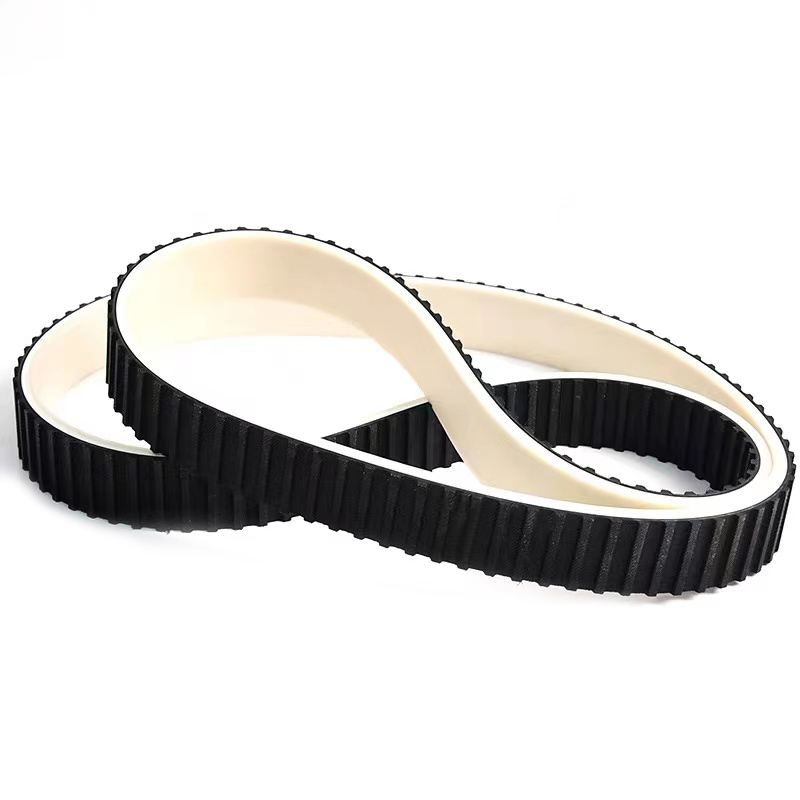
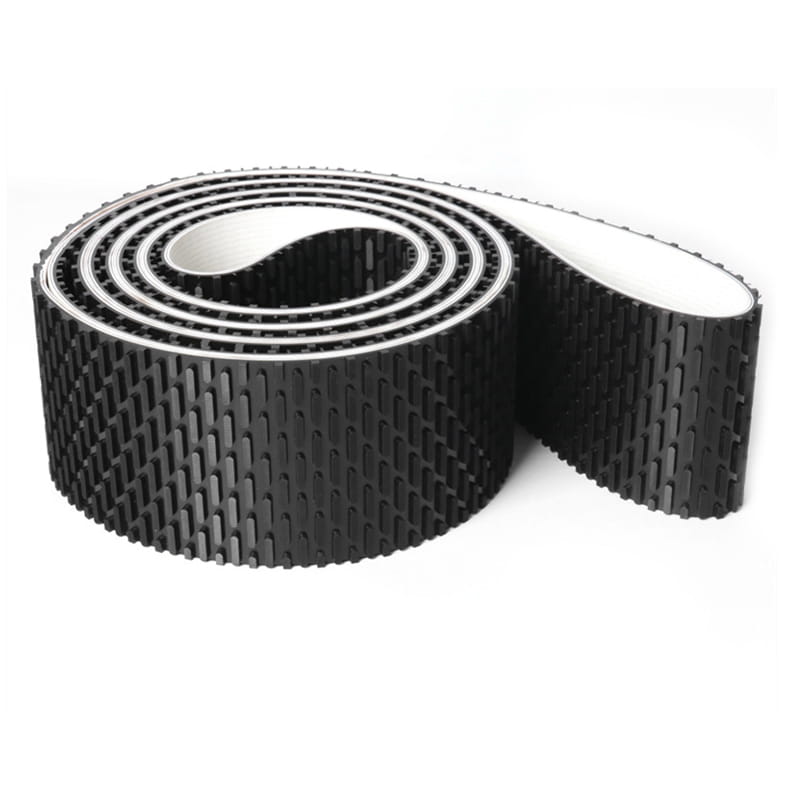
Standard flat belts lose their effectiveness when the conveying angle exceeds 15 degrees. Patterned rubber belts are the technical solution for gradient transportation, allowing for inclination angles of up to 45° without material backslide.
- Herringbone & U-Shape: Ideal for bulk materials like sand or grain.
- Cylindrical Patterns: Best for bagged goods in logistics and postal sorting.
- Fishbone Pattern: Provides multi-directional grip for wet or slippery materials.
Specialized Solutions for Harsh Environments
Standard rubber degrades rapidly when exposed to extreme temperatures or chemicals. Our range of Special Rubber Conveyor Belts includes heat-resistant variants for foundries, cold-resistant belts for arctic climates, and oil-resistant belts for metal recycling plants. For complex facility layouts, corrugated edge-blocking belts and tubular conveyor belts allow for 90-degree vertical lifts and enclosed transport to prevent environmental contamination.
Frequently Asked Questions (FAQ)
When should I choose a steel wire core over a layered fabric belt?
If your conveyor system spans more than 500 meters or requires a high vertical lift (e.g., in a cement plant or deep mine), steel wire core is preferred due to its high tensile strength and minimal stretch.
Are PVC and PU belts interchangeable?
Not always. PU (Polyurethane) belts are generally more resistant to abrasion and oils, making them superior for food processing. PVC is a more cost-effective option for general packaging and logistics where food-grade certification isn't a priority.
What is the maximum angle for a patterned conveyor belt?
Our patterned belts can safely transport materials at angles between 0 - 45°. Beyond 45°, we recommend moving to a corrugated edge-blocking (sidewall) conveyor belt for a full vertical lift.
What does "incombustibility and static electricity conduction" mean for underground belts?
It means the belt is engineered to not spark and to extinguish itself if exposed to fire. This is a critical safety requirement for coal mines where methane gas may be present.



 中文简体
中文简体