



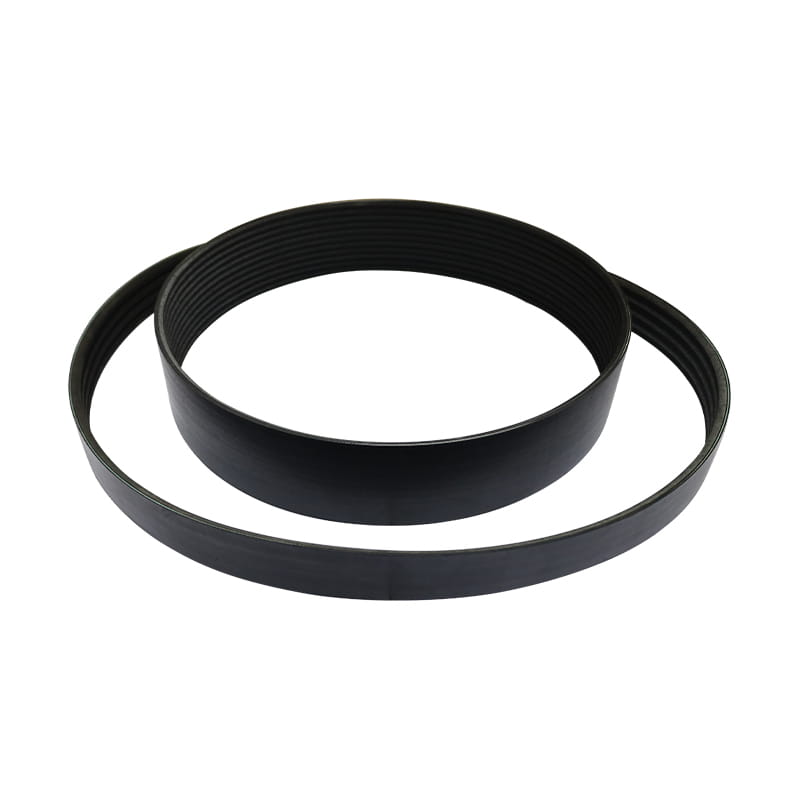
Content
The Technical Superiority of Rubber Synchronous Belts
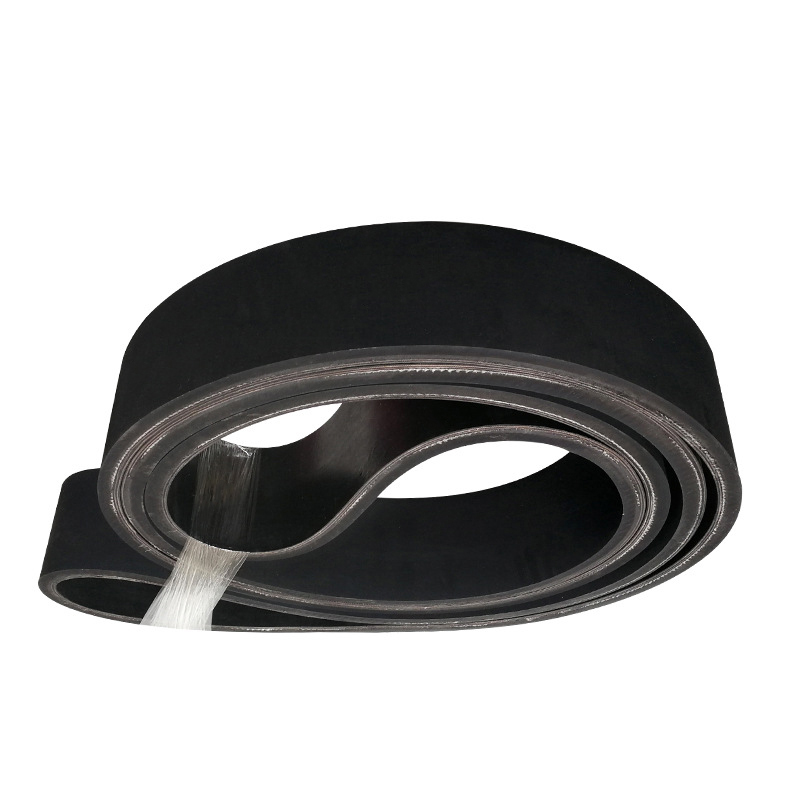
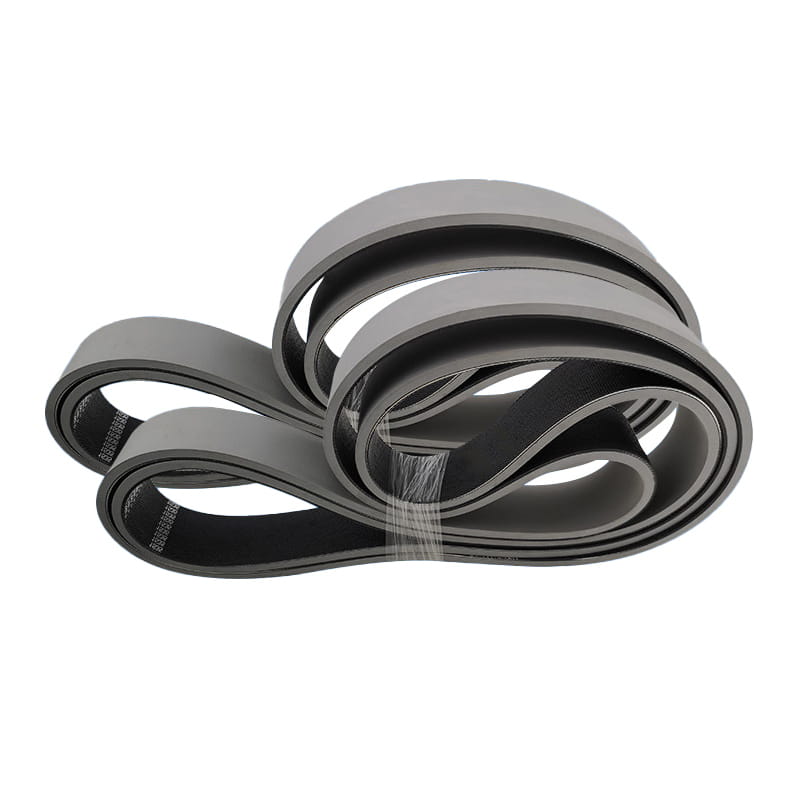
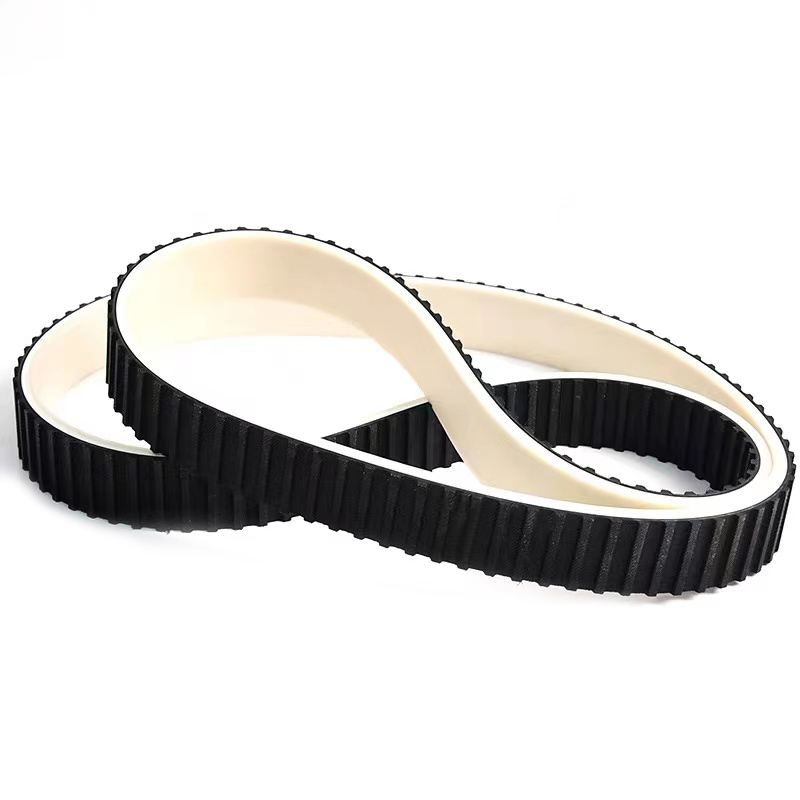
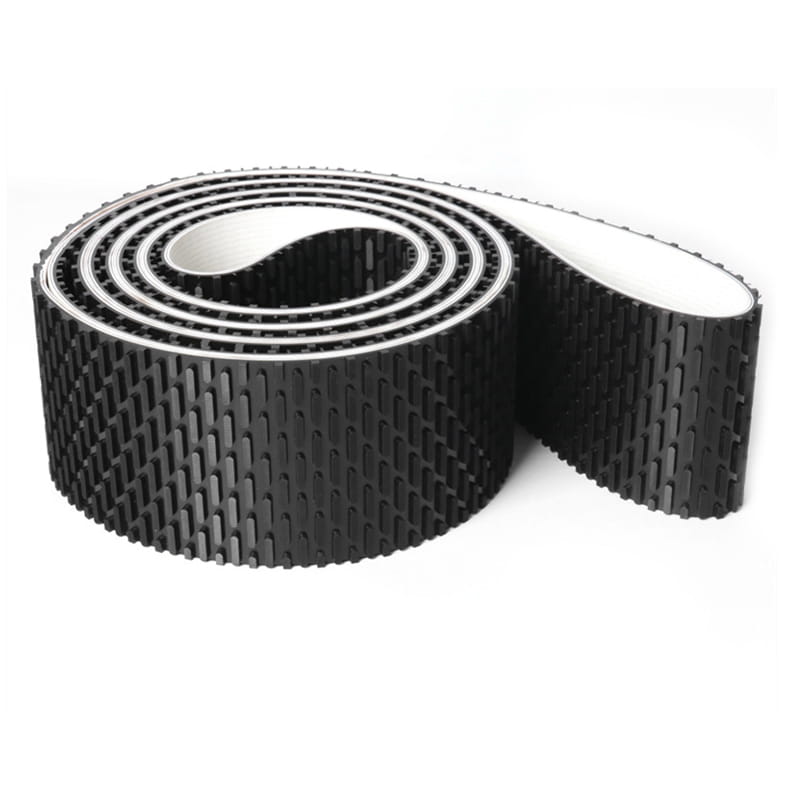
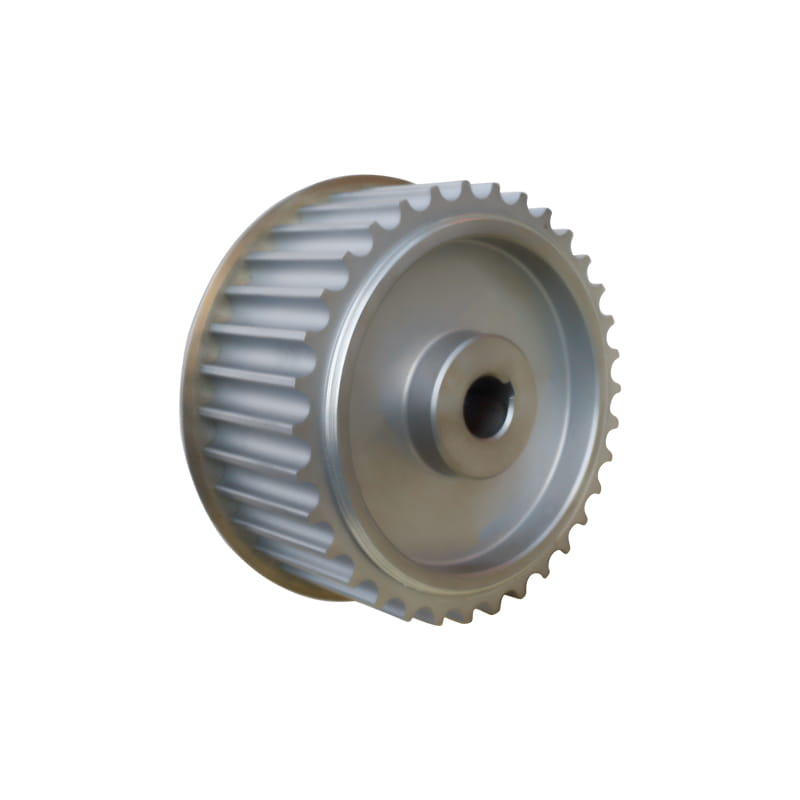
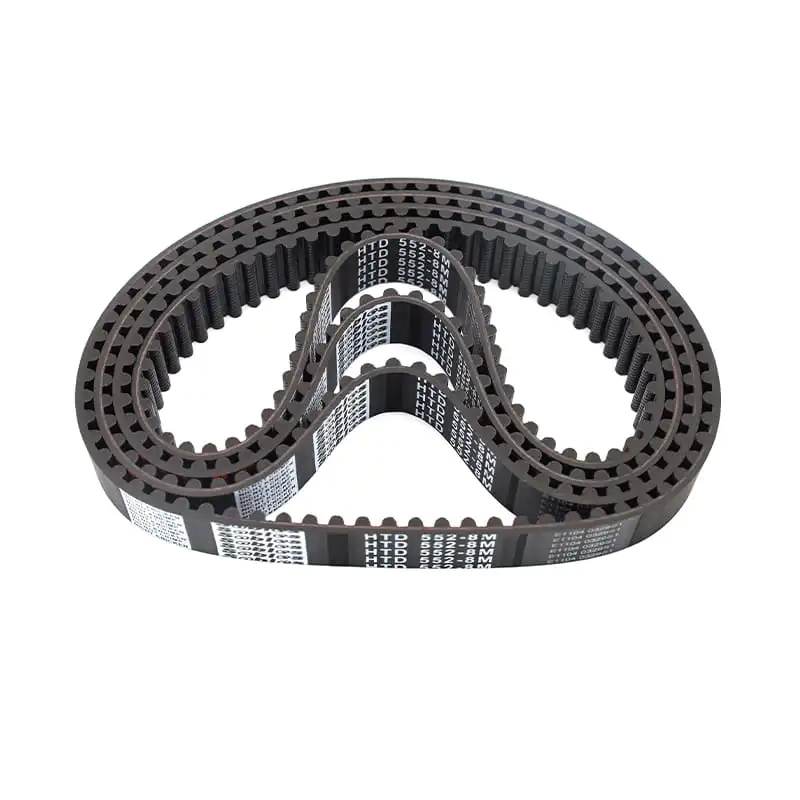
In the modern industrial landscape, the Rubber Synchronous Belt serves as the backbone of high-precision power transmission. Unlike standard V-belts that rely on friction and are prone to energy-wasting slippage, synchronous belts utilize a toothed geometry that locks into matching pulleys. This mechanical engagement ensures a constant speed ratio, which is critical for synchronized operations in textile machinery, printing presses, and automated conveying systems.
Engineered from high-quality Chloroprene rubber (Neoprene), these belts are designed to withstand the rigors of continuous industrial use. The core material provides a unique balance of stiffness and elasticity, allowing the belt to absorb shock loads without losing its pitch accuracy. Whether you are driving a small electric tool or a massive agricultural harvester, the right rubber timing belt ensures that your equipment operates at peak efficiency with minimal maintenance requirements.
Material Science: Three Layers of Protection
The longevity of a synchronous belt is determined by its internal architecture. Our rubber synchronous belts are constructed using a specialized tri-layer system designed to maximize service life in harsh environments.
1. High-Tensile Glass Fiber Cord Core
The "skeleton" of the belt consists of Glass Fiber Cords. This material choice is intentional; glass fiber provides immense tensile strength while remaining virtually stretch-proof. This means that once the belt is tensioned during installation, it maintains that tension throughout its life cycle, eliminating the need for frequent manual adjustments.
2. Chloroprene Rubber Body
The main body is made of premium Chloroprene. This synthetic rubber acts as a defensive barrier, effectively protecting the internal cords from dirt, grease, oil, and ambient moisture. Its chemical stability ensures the belt does not become brittle or "sticky" when exposed to industrial lubricants commonly found in woodworking and papermaking plants.
3. Wear-Resistant Nylon Tooth Facing
The teeth are the most vulnerable part of any timing belt. To combat friction-induced heat and abrasion, each tooth is covered with a high-density wear-resistant nylon layer. This low-friction fabric reduces noise levels during high-speed rotation and significantly prolongs the life of both the belt and the pulleys by preventing metal-on-rubber grinding.
Comprehensive Guide to Belt Types and Profiles
Selecting the correct belt profile is the most important factor in preventing premature failure. Industrial rubber belts are categorized by their pitch (the distance between tooth centers) and tooth shape (trapezoidal or curvilinear).
| Profile Family | Models Available | Best Use Case |
|---|---|---|
| Trapezoidal (Imperial) | MXL, XL, L, H, XH, XXH | Legacy machinery & high-precision indexing |
| Metric T-Series | T2.5, T5, T10, T20 | European standard equipment & conveyors |
| HTD Curvilinear | 2M, 3M, 5M, 8M, 14M, 20M | High-torque loads & heavy industrial drives |
| Super Torque (S/P) | S3M, S5M, S8M, P5M, P8M | Ultra-low noise & high-speed applications |
Global Applications: From Agricultural to Office Gear
Due to their versatility, rubber synchronous belts are found in almost every sector. In food processing, they drive mixers and slicers where cleanliness and reliability are paramount. In agricultural machinery, they handle the variable torque of harvesters while resisting external dust and debris.
- Positioning: Used in CNC routers and 3D printers where a variation of 0.1mm can ruin a product.
- Power Tools: Found in hand-held planers and saws, providing high wire speed in a compact transmission housing.
- Conveying: Ensuring products move at a perfectly timed interval for labeling or packaging lines.
Frequently Asked Questions (FAQ)
Why does my rubber belt have a "chirping" noise?
Chirping usually indicates pulley misalignment. When the belt's nylon facing rubs against the pulley flange at an angle, it creates high-frequency vibration. Ensuring the shafts are parallel can resolve 90% of noise issues.
What is the advantage of Glass Fiber over Steel Cords in rubber belts?
Glass fiber is rust-proof and more flexible than steel. While steel is great for extreme tension, glass fiber allows the belt to wrap around smaller pulleys without cracking the rubber, making it ideal for compact electric tools.
How often should I replace a Rubber Synchronous Belt?
Under normal operating conditions, these belts can last 3 to 5 years. However, you should inspect for "tooth jumping," cracks in the rubber backing, or frayed edges every 6 months to ensure safety.
Can these belts handle oily environments?
Yes. Because the body is made of Chloroprene rubber, it has a natural resistance to grease and incidental oil contact, though it should not be fully submerged in oil for long periods.