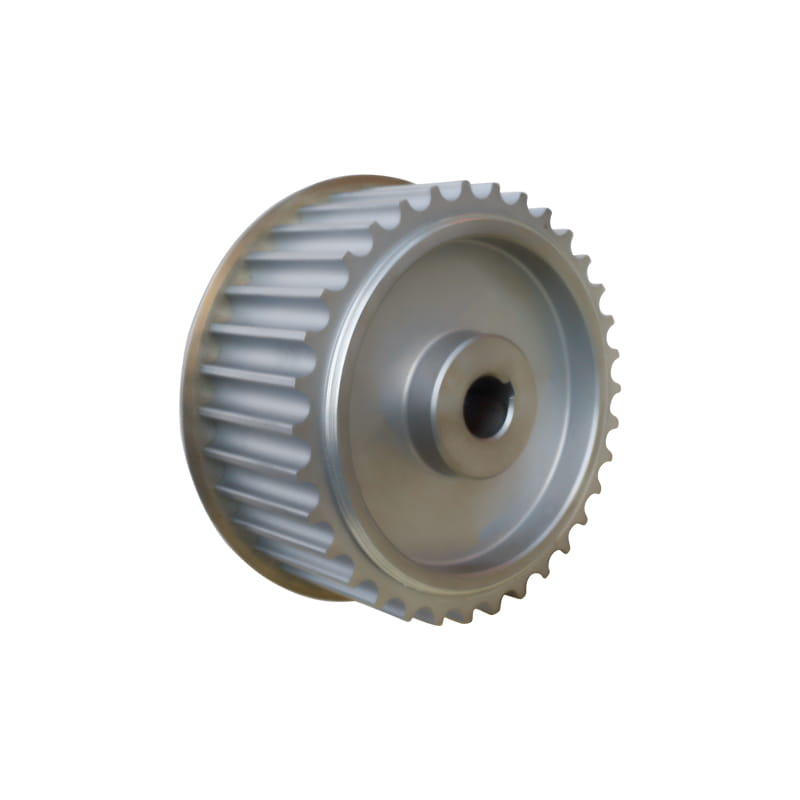
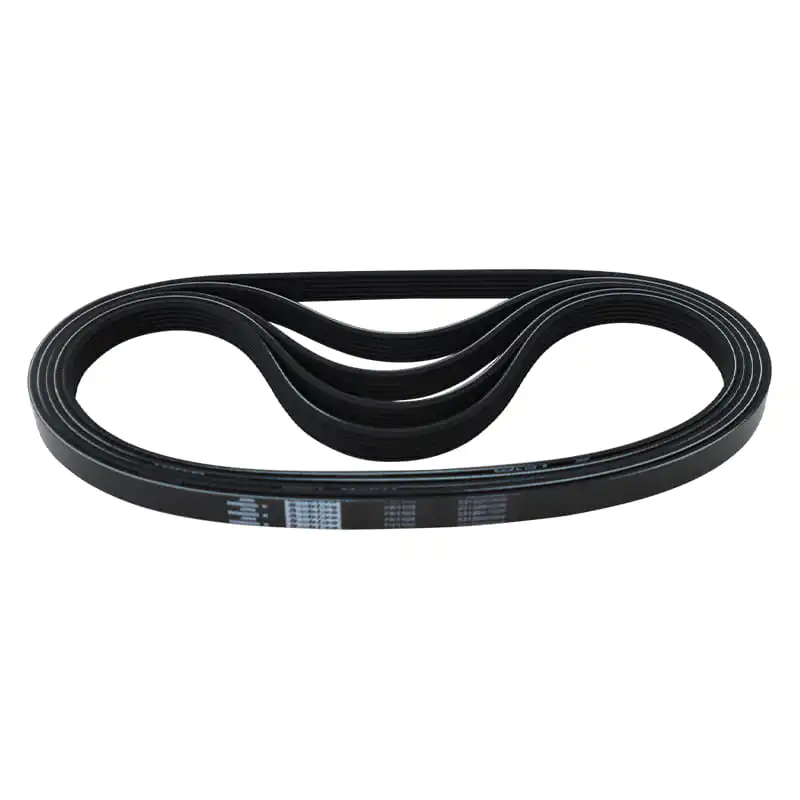
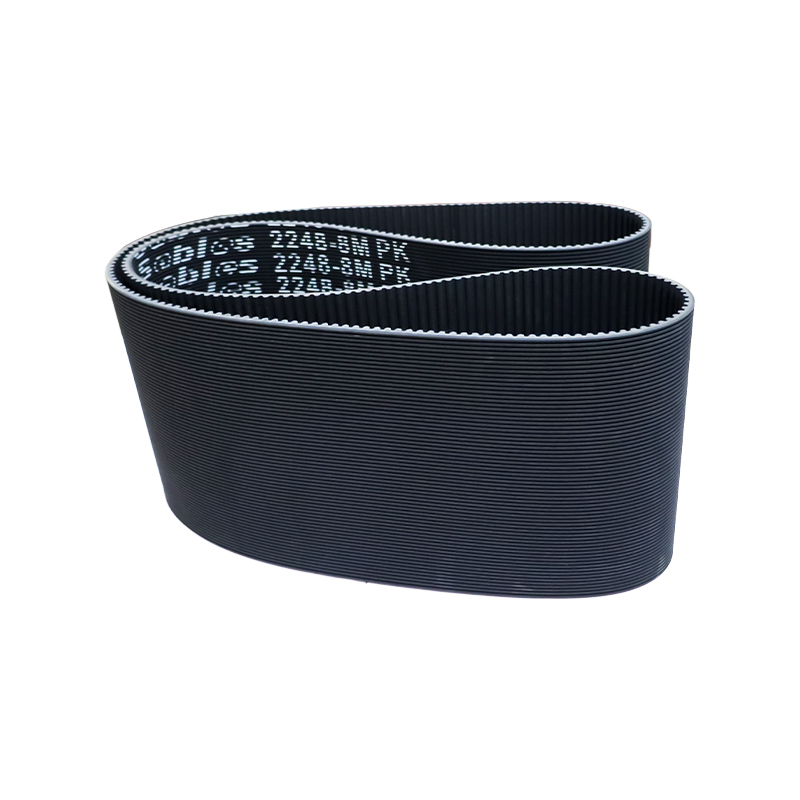
The primary function of a conveyor belt is to transport materials, products, or goods continuously from one location to another along a defined path, without requiring manual handling at each step. This automation of material movement is the fundamental reason conveyor belts exist — replacing repeated manual lifting, carrying, and placing operations with a constant, mechanized flow that operates consistently regardless of volume or time of day.
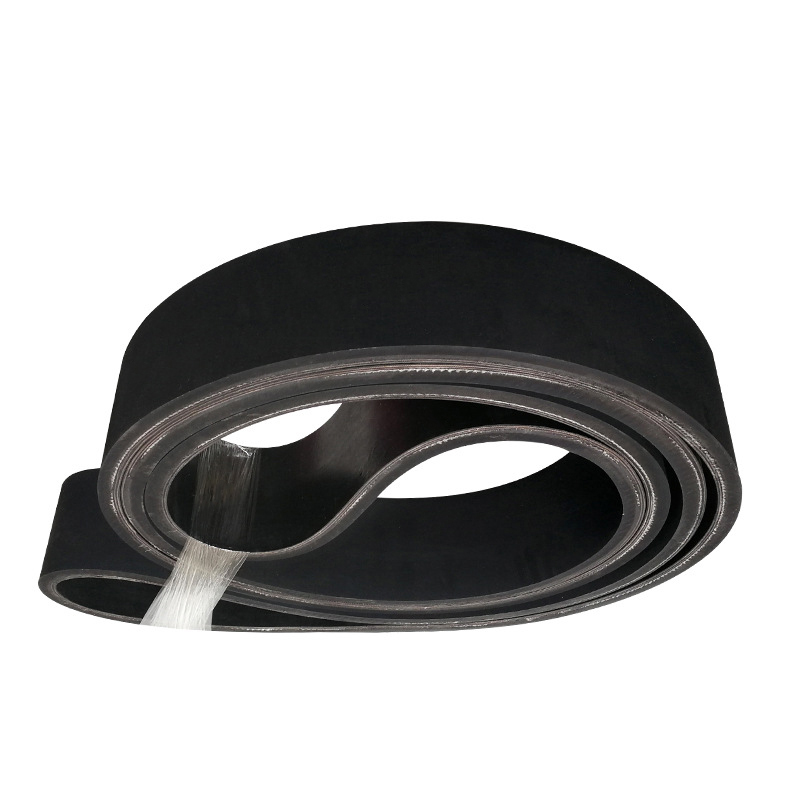
A conveyor belt system consists of a continuous loop of flexible belting material stretched over two end rollers (a drive pulley and a tail pulley), with additional support rollers (idlers) along the carrying and return sides. A motor drives the belt at a controlled speed, carrying whatever is placed on its surface from the loading point to the discharge point.
Industrial Transport: Moving Bulk Materials at Scale
In mining, quarrying, and bulk material handling, conveyor belts transport enormous volumes of raw materials over long distances. A single high-capacity mining conveyor can move over 10,000 tonnes of ore per hour across distances of several kilometers — a throughput impossible to replicate with vehicle-based haulage at comparable cost per tonne.
Key bulk material transport applications include:
- Coal, iron ore, and mineral transport from extraction points to processing facilities or ship loading berths
- Grain, fertilizer, and agricultural product handling at port terminals and storage facilities
- Crushed stone, sand, and aggregate movement at quarries and construction material plants
Assembly Line Function: Pacing and Positioning Production
In manufacturing, the conveyor belt performs a critical secondary function beyond simple transport: it paces the production process. By moving partially assembled products past a series of fixed workstations at a controlled speed, the conveyor belt defines the production rhythm — each operator or robot has a fixed time to complete their task before the product moves to the next station.
This function, pioneered in automotive manufacturing, is now universal across electronics, appliance, food processing, and consumer goods assembly. A well-designed assembly conveyor can increase production output by 3–5× compared to batch production methods by eliminating idle time between operations and ensuring consistent work-in-progress flow.
Sorting and Distribution: Directing Products to the Right Destination
In warehouses, distribution centers, and postal sorting facilities, conveyor belt systems perform complex sorting functions — scanning each item as it passes, identifying its destination, and diverting it to the correct output lane. Modern sortation conveyor systems use barcode scanners, weight sensors, and RFID readers integrated with the belt system to sort thousands of individual parcels per hour.
Large e-commerce distribution centers use sortation conveyors capable of processing 50,000–100,000 packages per hour, a throughput impossible to achieve with manual sorting labor at comparable accuracy rates.
Food Processing: Conveying, Inspecting, and Processing Simultaneously
In food processing, conveyor belts serve multiple simultaneous functions:
- Transport: Moving product through sequential processing stages — washing, cutting, cooking, cooling, packaging
- Inspection platform: Providing a stable, moving surface for manual or automated visual inspection and quality rejection
- Thermal processing support: Spiral and tunnel conveyors carry food products through ovens, freezers, and cooling tunnels at precisely controlled speeds to achieve target internal temperatures
- Drainage and separation: Modular plastic belts with open mesh surfaces allow liquids, debris, and small particles to fall through while supporting the product above
Food-grade conveyor belts are manufactured from stainless steel or approved food-contact polymers (POM, PU, PP) and must withstand frequent high-pressure washdowns with cleaning chemicals.
Conveyor Belt Types and Their Specific Functions
| Type |
Primary Function |
Typical Application |
| Flat belt conveyor |
General horizontal or inclined transport |
Packaging lines, warehouses |
| Troughed belt conveyor |
Contain and carry bulk loose materials |
Mining, quarrying, ports |
| Modular plastic belt |
Hygienic transport, drainage, curves |
Food processing, beverage |
| Roller conveyor |
Move pallets and heavy unit loads |
Distribution centers, loading docks |
| Spiral conveyor |
Vertical elevation in minimal floor space |
Food cooling/freezing, multi-level plants |
| Magnetic conveyor |
Transport ferrous metal chips and parts |
Metal machining, stamping operations |
Common conveyor belt types classified by function and application
Ergonomic and Safety Function: Eliminating Manual Handling Risk
A frequently underappreciated function of conveyor belts is their contribution to workplace safety. Manual handling — lifting, carrying, and lowering loads repeatedly — is a leading cause of musculoskeletal injury in industrial workplaces. By transferring these movements to a mechanical system, conveyor belts:
- Eliminate repetitive lifting operations that cause cumulative back and shoulder injuries
- Allow operators to work at ergonomically correct heights by adjusting conveyor height to match the standing or seated working position
- Reduce the number of personnel required in hazardous areas by automating material movement through those zones
Studies in logistics operations have shown that implementing conveyor systems can reduce manual handling injuries by 40–60%, with a corresponding reduction in lost-time incident rates and workers' compensation costs.



 中文简体
中文简体