A packaging line has to lift cartons 2.4 meters over a 5 meter belt run. That works out to roughly 26 degrees, and it sits just past the point where a smooth flat belt starts to lose its grip on light or loose product. Above about 20 degrees, friction alone stops being a reliable way to hold material on the slope, and the belt has to carry the load mechanically instead.
The short answer is that an inclined cleated conveyor is specified by three numbers, not by belt width. The incline angle sets the cleat height. The material size and feed rate set the cleat pitch and pattern. The base belt and the way the cleats are bonded to it decide whether the belt survives the pulleys and tracks straight. Get those three right and the conveyor runs for years. Get one wrong and you will be re-splicing cleats every quarter.
Why cleats change the capacity calculation
A flat belt moves material through friction between the belt cover and the product. A cleated belt turns the carrying surface into a series of pockets, so the material is pushed by the cleat face rather than dragged by the cover. Carrying capacity becomes pocket volume multiplied by the number of pockets that pass the discharge per minute, which is a different sum from belt width times belt speed.
Two practical consequences follow. First, a narrower cleated belt can out-carry a wider flat belt on a steep incline, because the limit is pocket volume rather than surface area. Second, cleat pitch matters as much as cleat height. A wide pitch gives a large pocket but lets material roll back inside the pocket before the next cleat arrives. A tight pitch raises belt weight and cleat count and shortens flex life at the pulleys.
Matching incline angle to cleat design
Most specification arguments start with the question of how steep a cleated belt can run. The honest answer is that it depends on the material, but the ranges below are a reliable starting point for a first quotation.
Indicative incline ranges for cleated conveyor belts. Final selection depends on material, cleat pattern, belt speed, and pulley layout.
| Incline angle |
Typical cleat solution |
What to watch |
| Up to 15 degrees |
Flat belt usually adequate, shallow cleats optional |
Round or rolling parts still need cleats even on gentle slopes |
| 15 to 25 degrees |
Cross cleats 10 to 25 mm high |
Pocket volume is large, so pitch can stay wide |
| 25 to 35 degrees |
Cross cleats 25 to 40 mm, sidewalls for loose bulk |
Capacity drops as the angle rises, so recheck tons per hour |
| 35 to 45 degrees |
Deep cleats 40 to 60 mm plus sidewalls |
Common ceiling for standard cleated belts on bulk material |
| Above 45 degrees |
Pocket or box design with sidewalls and low belt speed |
Small parts and sealed packages only, confirm with the belt maker |
These figures are rules of thumb drawn from common bulk handling practice, not guarantees. A damp, fine powder behaves very differently from dry grain or rigid plastic parts, and the effective angle also depends on belt speed and how evenly the belt is loaded. Any angle above 30 degrees deserves a written recommendation from the belt supplier rather than an estimate from a catalogue page.
Cleat height, pitch, and pattern
Once the angle is fixed, the cleat geometry does the real work. Three parameters control it.
- Height: as a starting rule, cleat height should be at least 1.5 to 2 times the largest lump in the material stream. For single components, the cleat should stand taller than the part's centre of gravity, otherwise the part tips over the cleat on the way up.
- Pitch: pitch sets the pocket length. Size it so one pocket holds the volume delivered during the time the belt takes to travel one pitch, then check that the resulting cleat count is still practical for the pulley diameters on site.
- Pattern: straight cross cleats suit most cartons and bulk. Chevron patterns push material toward the centre line and help on wide belts. Sidewalls, either molded or bonded, close the pocket edges and are almost always needed for loose material above 25 degrees.
Cleat profile matters too. A vertical face with a small draft angle releases sticky material better than a deep undercut, and a reinforced cleat base spreads the load into the belt rather than concentrating it on a thin bond line.
The base belt under the cleats
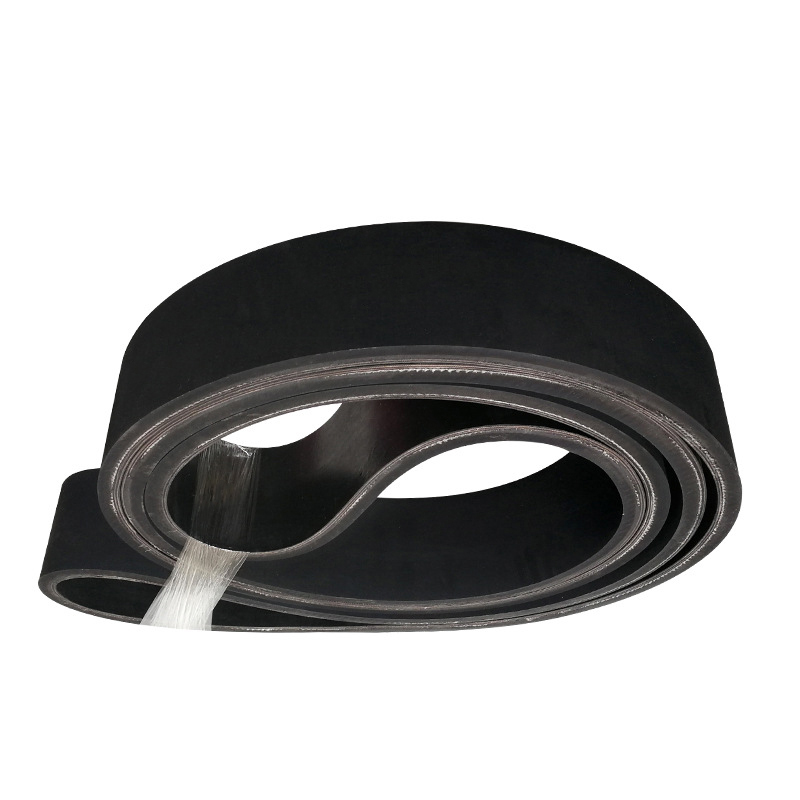
Cleats are only as good as the belt they sit on. Rubber base belts handle abrasive, oily, and heavy bulk well, and they tolerate hot material and rough loading points. Polyurethane base belts are cleaner, resist oils and fats, and are easier to wash down, which is why they dominate food contact and light assembly lines. The trade-off is that PU has less tolerance for sharp edges and heat.
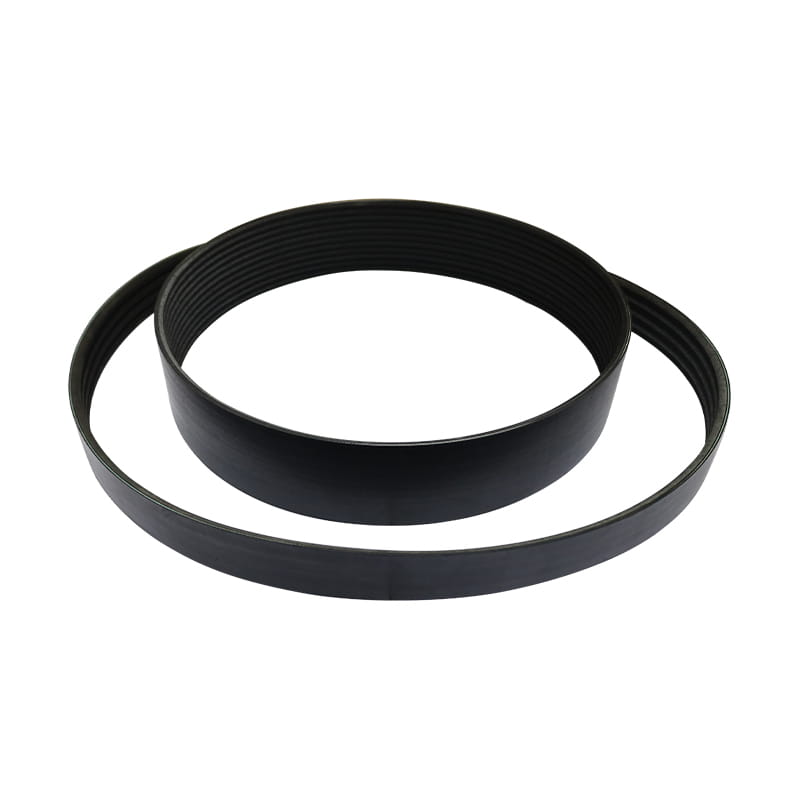
Cover choice deserves the same attention as the cleat. A bare fabric back tracks better on a slider bed, while a rubber cover grips a driven pulley with less tension. The wider design questions around cover, carcass, and splice are covered in this note on rubber conveyor belt design, and they apply directly to any incline where the belt must both carry and drive.
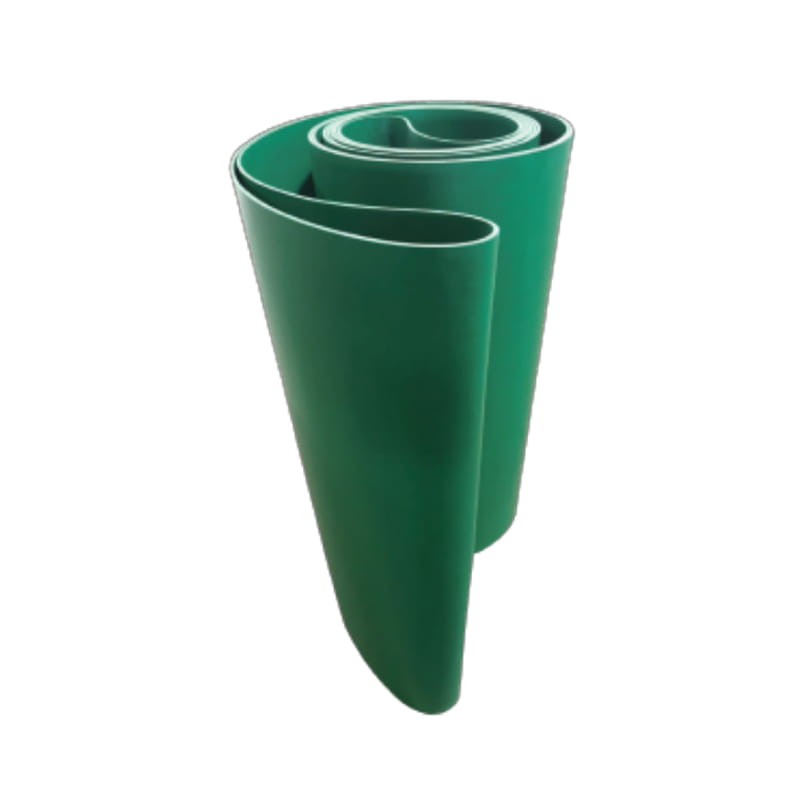 Rubber Conveyor Belt with Customizable Cover and CoreRubber conveyor belt with natural and synthetic rubber covers, fabric or chemical fiber core, and customizable thickness and adhesion for varied conveying duties.View Product →
Bonding, sidewalls, and custom fabrication
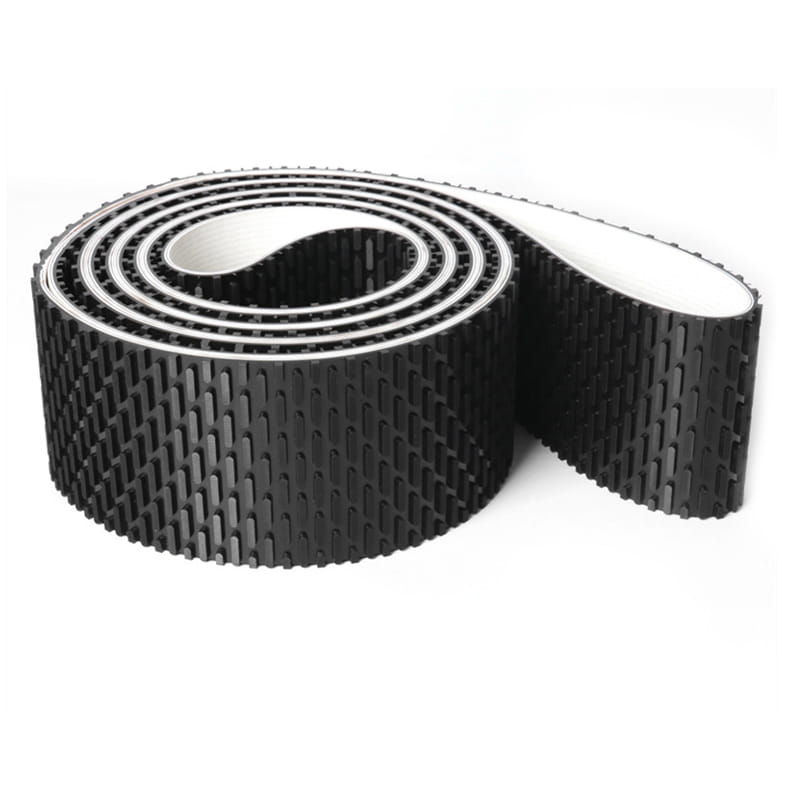
Cleat attachment is where cheap belts fail first. Hot vulcanized cleats become part of the belt body, so the joint survives repeated flexing over pulleys and the peeling load at the discharge. Glued or cold bonded cleats are faster to produce but are more sensitive to oil, heat, and cleaning chemicals, and they tend to lift at the leading edge after a few months of service.
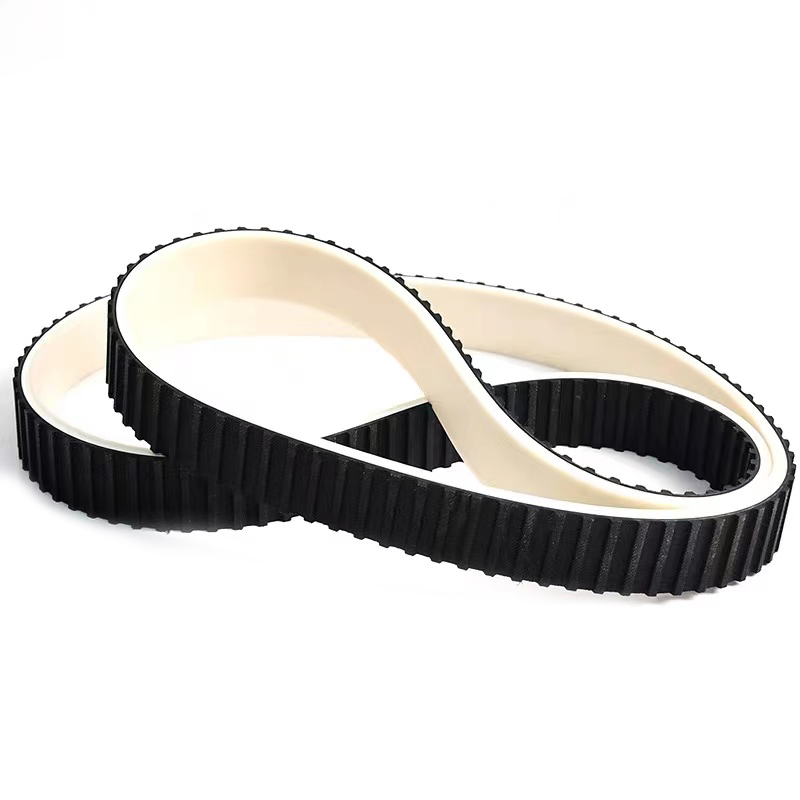
Sidewalls need the same treatment. A corrugated sidewall can flex around smaller pulleys, while a solid molded wall holds a straighter pocket but needs more room at the terminal. If the incline is short and the material is loose, a combined cleat and sidewall arrangement is often the simplest way to stop spillage at the edges, and the base belt options in the conveyor belt range can be built up with cleats and walls to suit the duty.
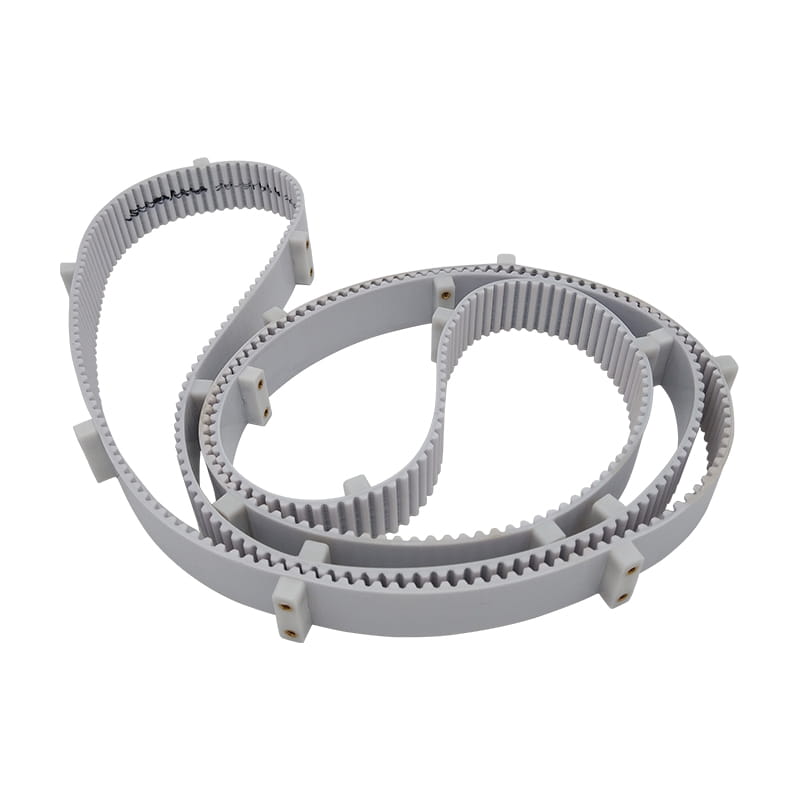 Customizable Special Processing Belt for Surface and Tooth ModificationsCustomizable industrial belt with surface and tooth processing such as grooves, blocks, and holes to modify wear, grip, or positioning.View Product →
Pulley size, tracking, and loading
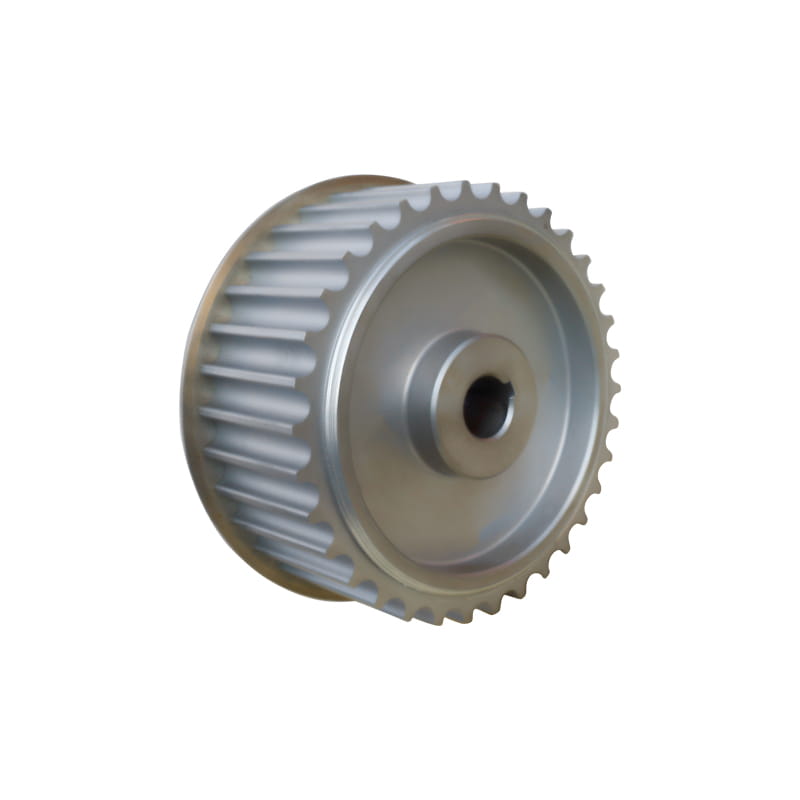
A cleated belt cannot be treated like a flat belt during layout. The minimum pulley diameter must clear the cleat height plus a safety margin, and the belt usually cannot be back-bent through a small snub pulley, because the cleats would be crushed or the bond would peel. On short centres this single constraint can force a redesign of the whole frame.
Tracking is the second common surprise. Cleats raise the belt's centre of gravity and stiffen the cross section, so a belt that tracked perfectly as a flat belt may drift once cleats are added. Flat faced pulleys with guide rollers, or a molded guide strip running in a grooved pulley, are more dependable than crown alone. Feed the material at the belt centre line, match the feed velocity to belt speed, and keep skirt rubber clear of the cleat path.
Light duty and hygiene sensitive lines
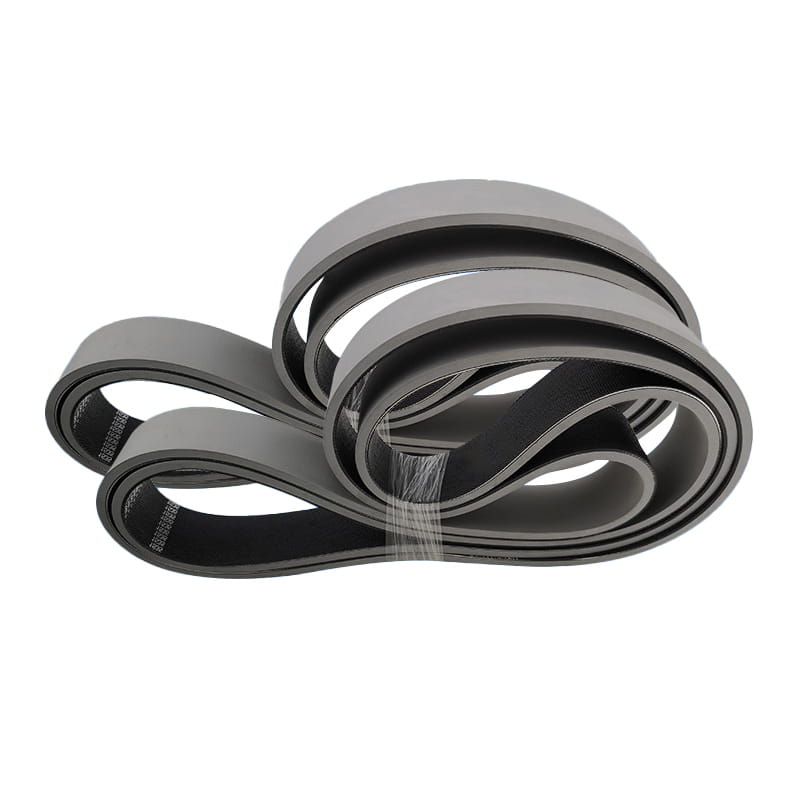
Not every inclined cleated conveyor moves aggregate. Food, pharmaceutical, and small parts assembly lines use narrow belts with low cleats, tight pitch, and frequent washdown. Here the priorities shift to easy cleaning, minimal material retention around the cleat base, and a belt that can be re-tensioned without a full splice. A light duty construction with molded cleats is usually the better fit than a heavy rubber belt with vulcanized cleats.
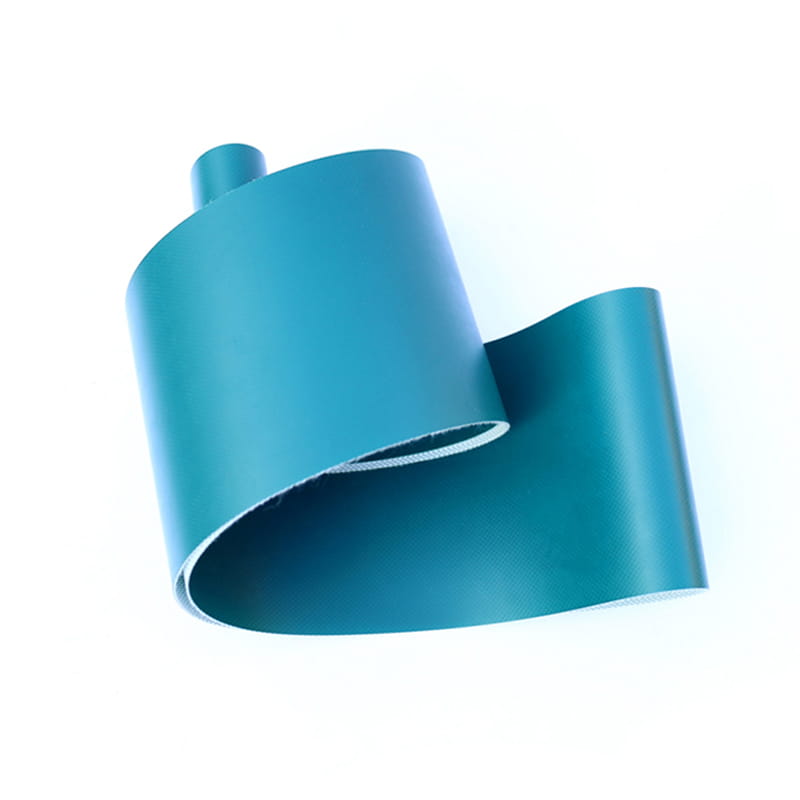 Light Duty Conveyor Belt for Lightweight Product TransportThin, flexible light conveyor belt for compact, high-speed lines in food, medical, paper, textile, and similar lightweight transport applications.View Product →
What to put in the purchase specification
Most incline problems trace back to a vague enquiry. Supplying the following items with the request shortens the selection process and removes the guesswork from the quotation.
- Incline angle, lift height, and horizontal run, measured on site rather than taken from an old drawing.
- Material description, including lump size, bulk density, moisture, oil content, and temperature.
- Required throughput in tons per hour or parts per minute, with the peak rate noted separately.
- Cleat height, pitch, and pattern, or a sketch of the pocket if the part must sit in a fixed position.
- Base belt type, cover, and thickness, plus the splice method preferred by maintenance.
- All pulley diameters and the available take-up travel, since these limit cleat height.
- Whether sidewalls are needed and how the belt will be cleaned between products.
An inclined cleated conveyor is not a flat belt with blocks added afterwards. The cleats, the base belt, the bond, and the pulley layout form one system, and the steepest angle in the enquiry is usually the least important number on the page. Start with the material and the pocket it needs, confirm the angle against a written recommendation, and specify the bond method before price becomes the deciding factor. That sequence costs a little more time at the quotation stage and saves a great deal of it later on the maintenance schedule.



 中文简体