


 中文简体
中文简体


-
Maintenance and storage of coated rubber belts
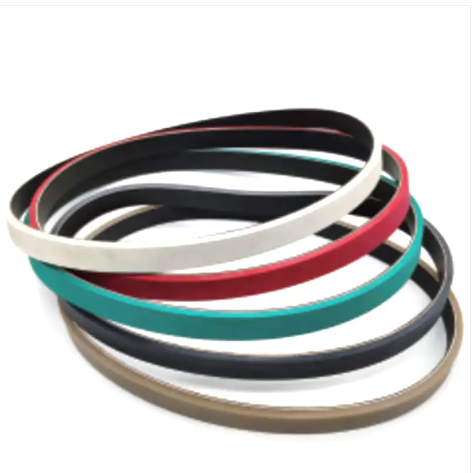
Coated rubber belts (such as conveyor belts, transmission belts, or industrial sealing belts) are widely used in logistics, manufacturing, and mechanical transmission. Proper maintenance and storage c...
View More -
Oil resistant and anti-aging! Why can the chemical stability of polyurethane timing belts reach more than 10 years?
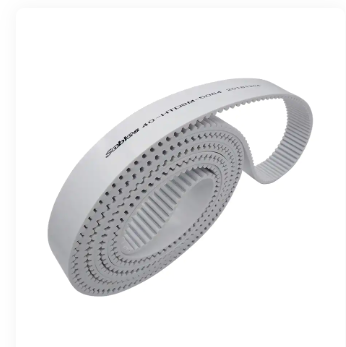
1. Material chemical properties: inherent advantages of molecular structure Polyurethane polymer chain design Soft and hard segment microphase separation: Polyurethane is composed of flexible soft seg...
View More -
Analysis of common failure causes of rubber wide-angle belts: preventive measures from breakage to slippage
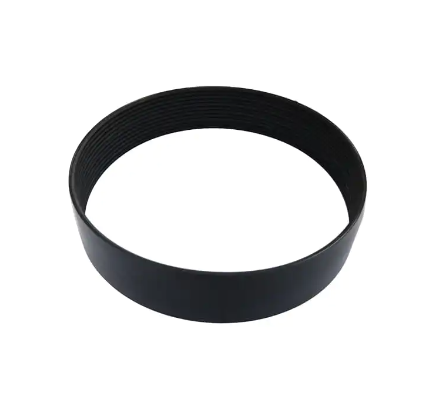
1. Failure forms and root causes of rubber wide-angle belts Belt body breakage Typical manifestations: Transverse/longitudinal tearing, serrated edges The belt core layer (polyester cord or steel cabl...
View More -
Low elongation + high tensile resistance: How to improve the efficiency of woodworking machinery with an annular rubber flat belt?
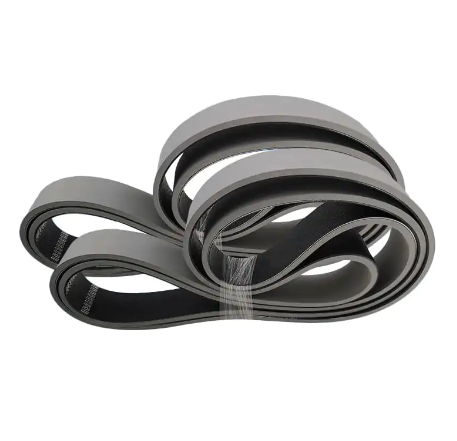
In the field of modern woodworking machinery manufacturing, the performance of the transmission system directly affects production efficiency and product quality. With its unique "low elongation + hig...
View More -
The secret of zero backlash: How do polyurethane synchronous belts meet the positioning requirements of precision machine tools?
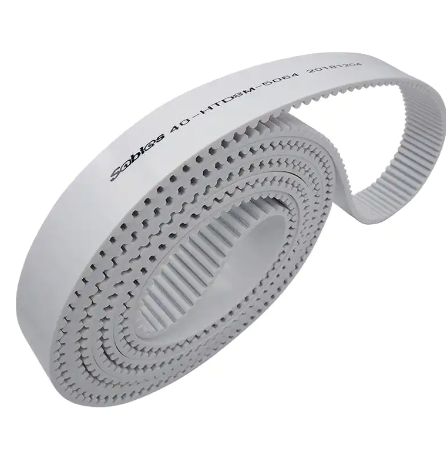
1. Technical principle of zero backlash transmission"Zero backlash" transmission is the core guarantee for precision machine tools to achieve micron-level positioning, and polyurethane synchronous bel...
View More -
What are the characteristics of rubber wide-angle belts compared with other types of V-belts?
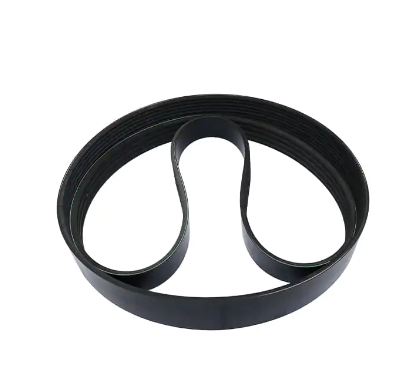
1. Structural design advantages The rubber wide-angle belt adopts a 60° angle design (normal V-belts are usually 40°), which increases the contact area between the belt body and the pulley groove wall...
View More


-

Denggu Rd,Guixi lndustrial Park, Jiangxi, China
-

+86-13817620574
-

+86-0701-3333390
-

