


 中文简体
中文简体


-
Revolutionizing Industrial Logistics: The New Era of High-Performance Conveyor Solutions
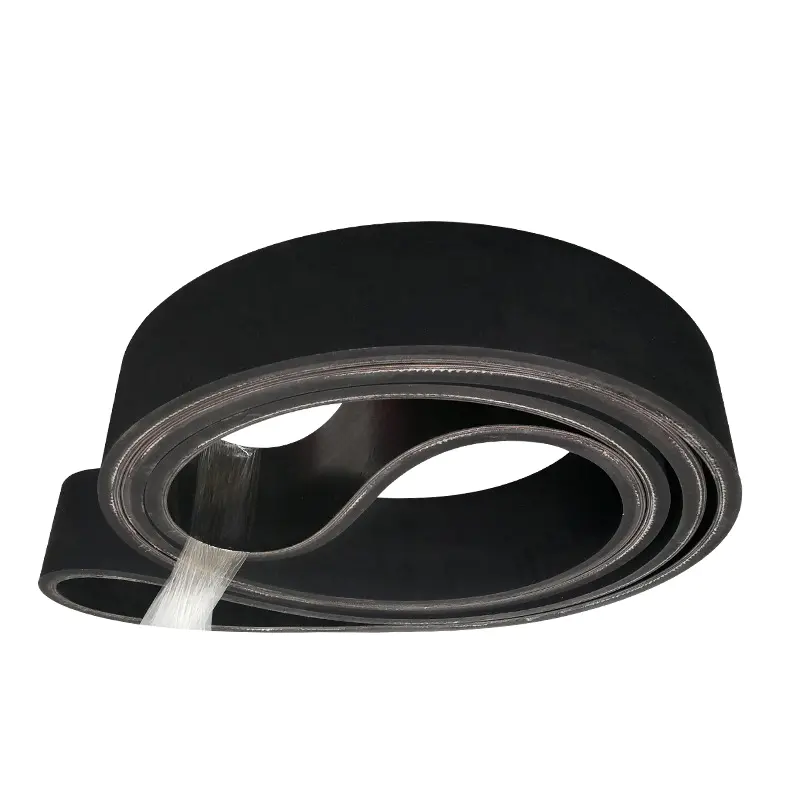
Global Industry News | Manufacturing & Logistics Report In the fast-paced world of modern manufacturing, mining, and logistics, the reliability of transportation systems is the heartbeat of any su...
View More -
Revolutionizing Precision Power: The Rise of the Rubber Wide-Angle Belt in Modern Manufacturing
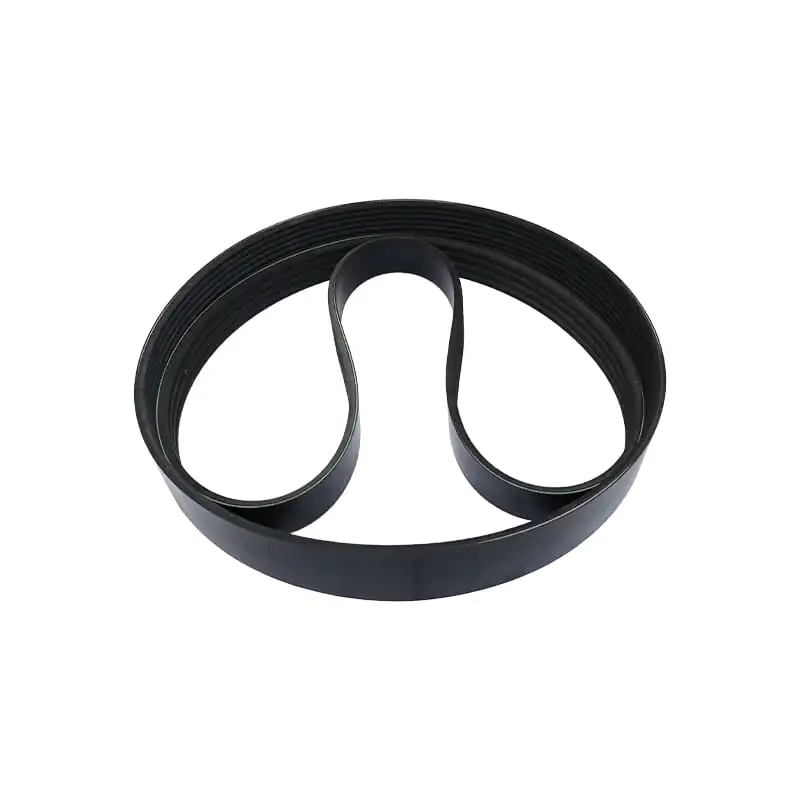
In the fast-paced world of industrial machinery, efficiency is the currency of success. For decades, the standard V-belt has been the workhorse of power transmission, found in everything from automot...
View More -
Is a silicone synchronous conveyor belt suitable for high-speed transmission?
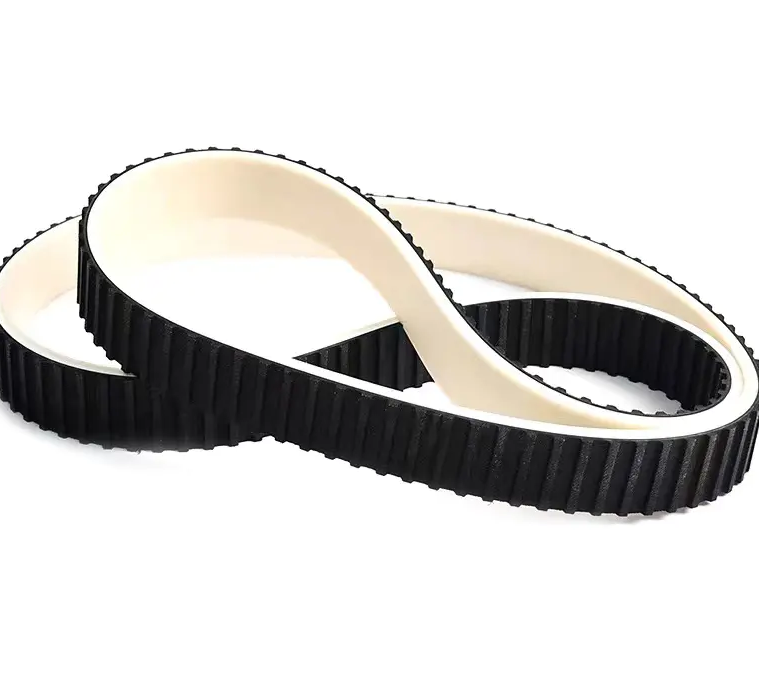
In automated production lines, a high-speed, stable, and precise transmission system is crucial for improving efficiency. As a type of special-purpose conveyor belt, silicone synchronous conveyor belt...
View More -
Common Problems and Solutions for Double-Sided Rubber Synchronous Belts
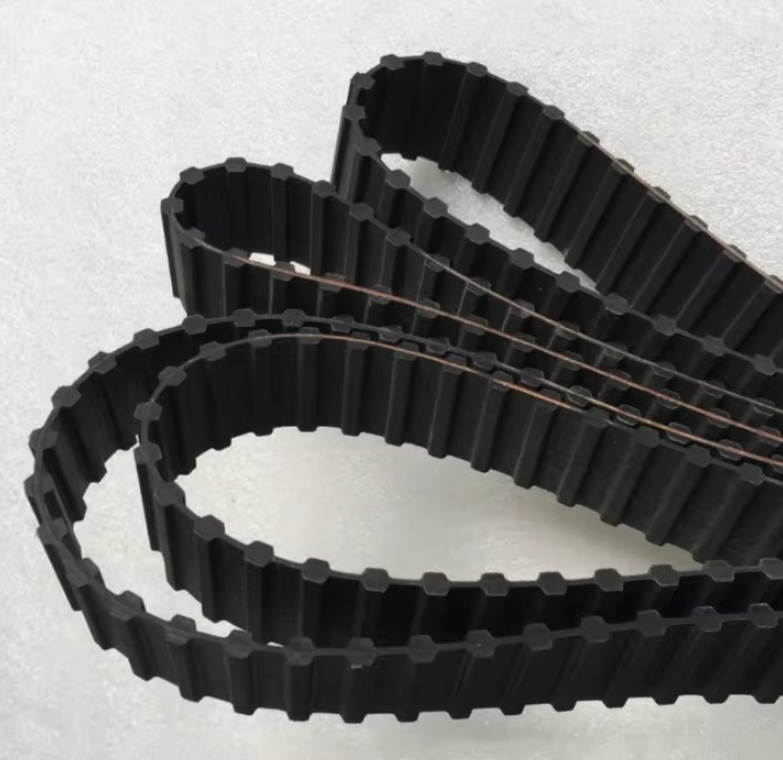
Double-sided rubber synchronous belts, as a highly efficient transmission tool, are widely used in various industries such as automation equipment, mechanical manufacturing, and transportation systems...
View More -
Why choose PU timing belts? What are their advantages?
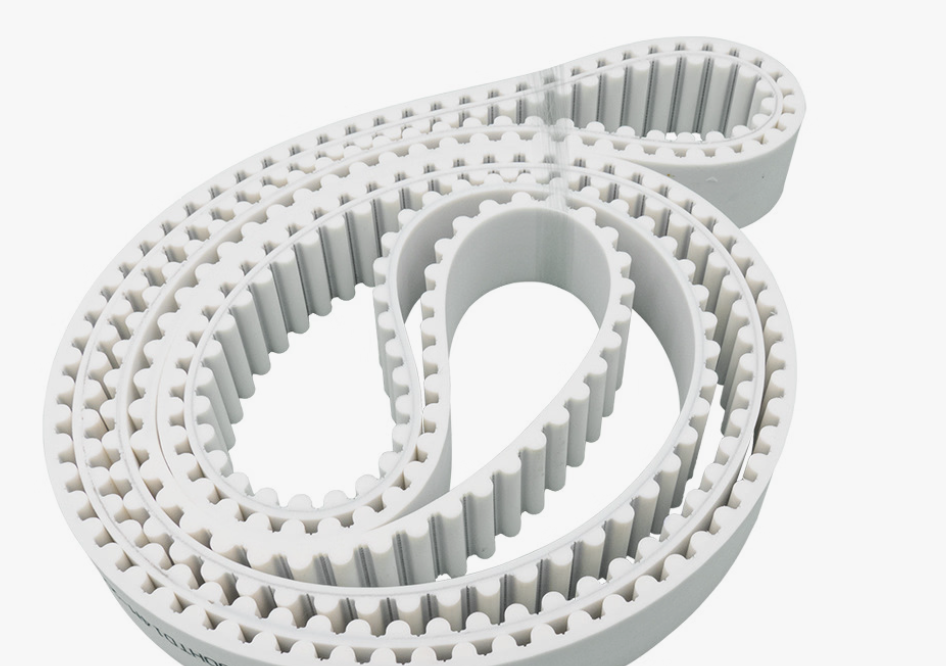
In modern industrial production and mechanical equipment, the choice of transmission system is crucial. Timing belts, as a common transmission element, are widely used in many fields. Among the many t...
View More -
Is Coated Rubber Belt Difficult to Install? What Should You Pay Attention To?
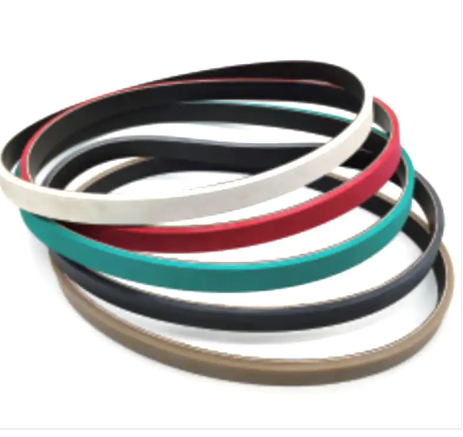
Coated rubber belts are common components in industrial conveyor systems. Due to their advantages such as wear resistance, oil resistance, corrosion resistance, and tear resistance, they are widely us...
View More


-

Denggu Rd,Guixi lndustrial Park, Jiangxi, China
-

+86-13817620574
-

+86-0701-3333390
-

