


 中文简体
中文简体


-
Poly V Belts Explained: Compact Design, Higher Power, and Longer Service Life
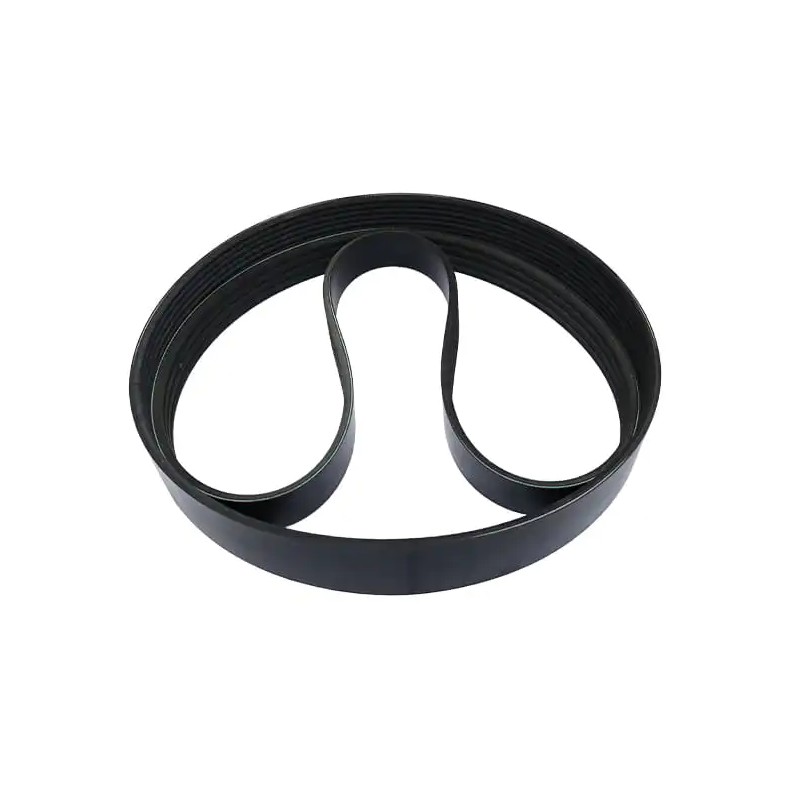
Poly-V belts now solve a problem that has frustrated engineers for years: how to push more power through a drive that is already cramped. The belt uses a thin backing with multiple small V-shaped rib...
View More -
Carbide Sanding Belts: How to Choose Grit, Backing, and Applications That Last
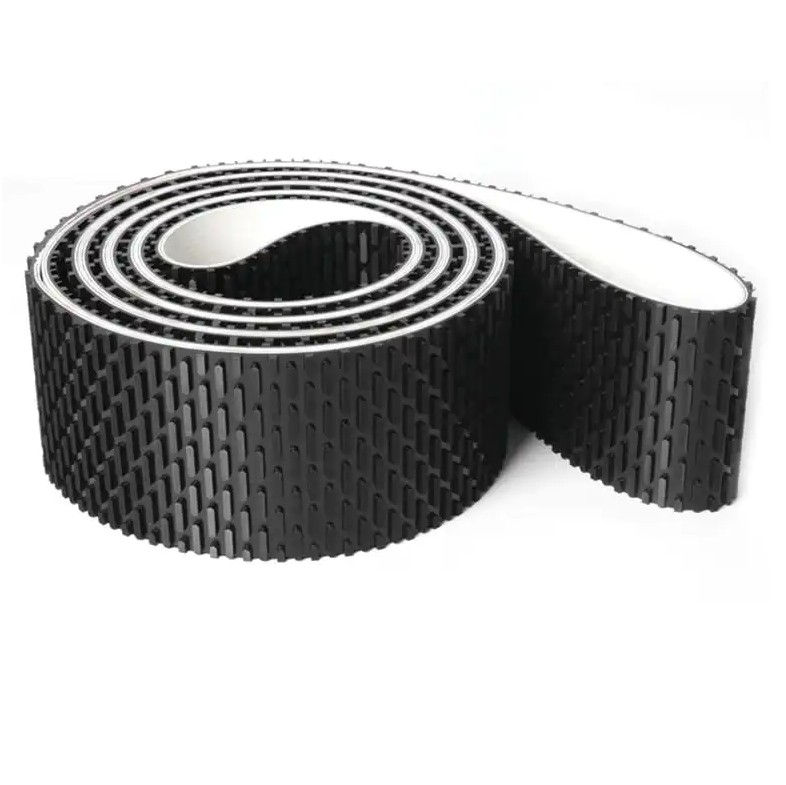
A furniture shop running a wide belt sander on oak, maple, and acrylic panels noticed that its standard aluminum oxide belts left burn marks on the acrylic and loaded up quickly on resin-heavy oak. A...
View More -
Belt Materials: Choosing the Right Rubber, PU, and Silicone for Your Machinery
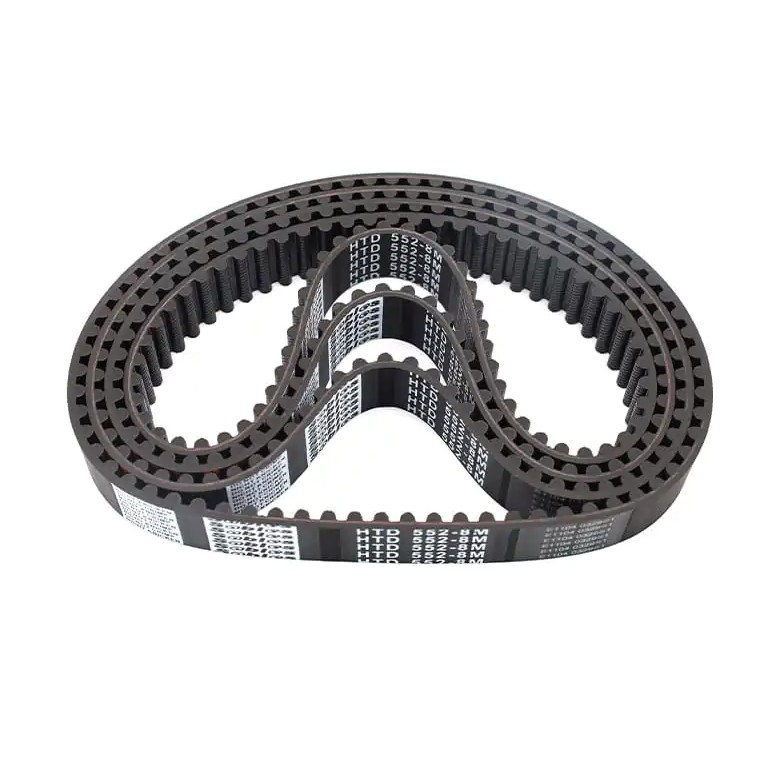
A maintenance engineer once ordered a replacement timing belt by matching only the pitch and length, ignoring the material compound. The new belt failed within three weeks because the surrounding oil...
View More -
AT10 Timing Belt Minimum Bend Radius and Idler Pulley Size Reference Guide
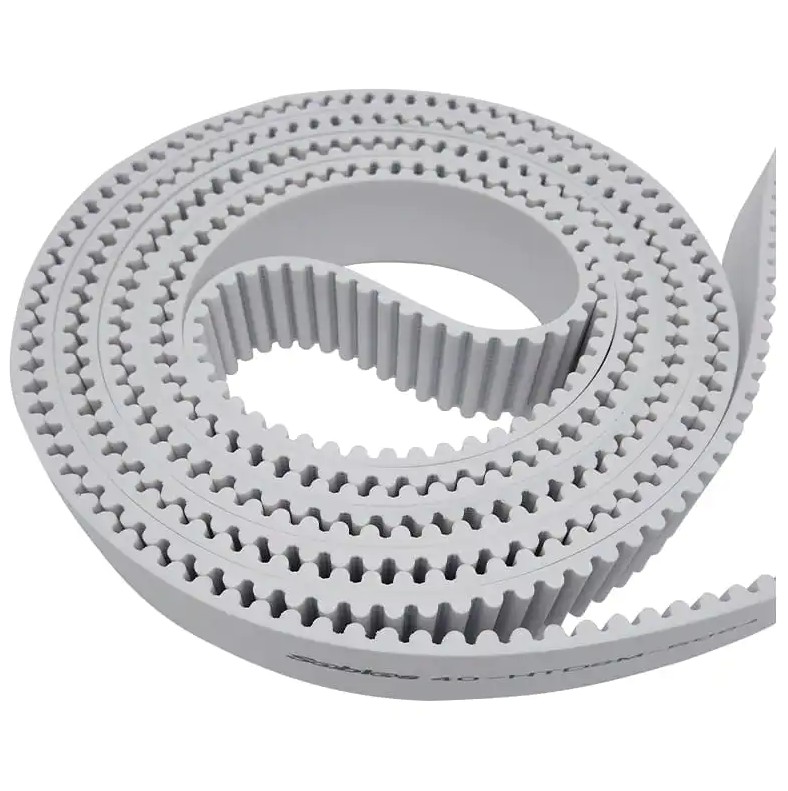
Suppose you are laying out an AT10 timing belt drive in a packaging machine and the drawing only has 55 mm of space for a return idler. A 50 mm smooth-back idler seems to fit, but if the idler rides ...
View More -
Bearing Pulleys: Selection, Failure Signs and Maintenance for Belt Drives
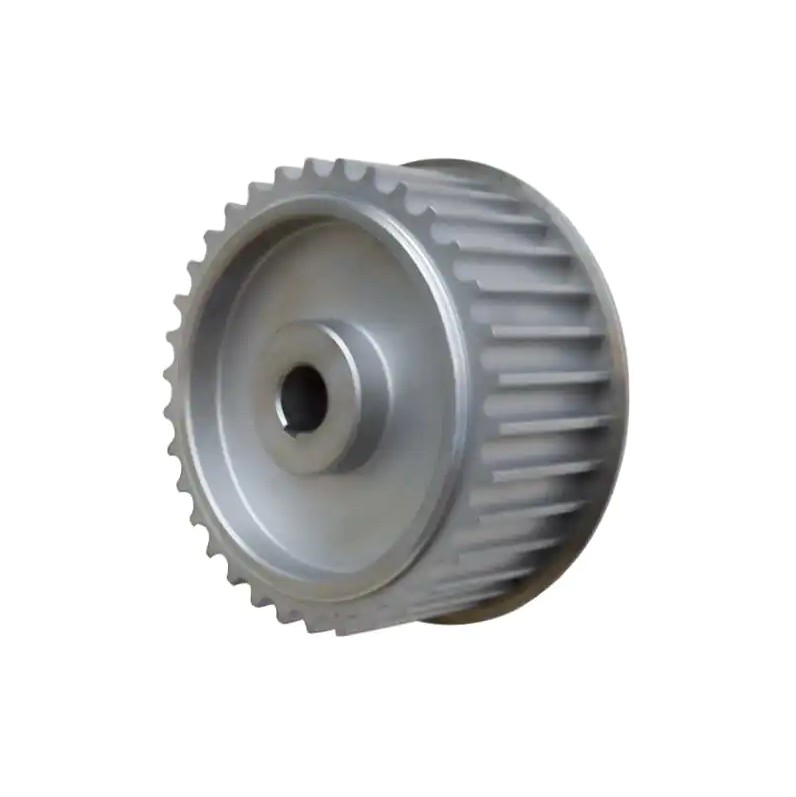
A packaging machine that wears out an idler pulley every three months almost never has a shell problem; it has a bearing problem. Across conveyor lines, printing presses and textile frames, the small...
View More -
The HTD 720-8M Timing Belt: Dimensions, Applications, and Selection Guide
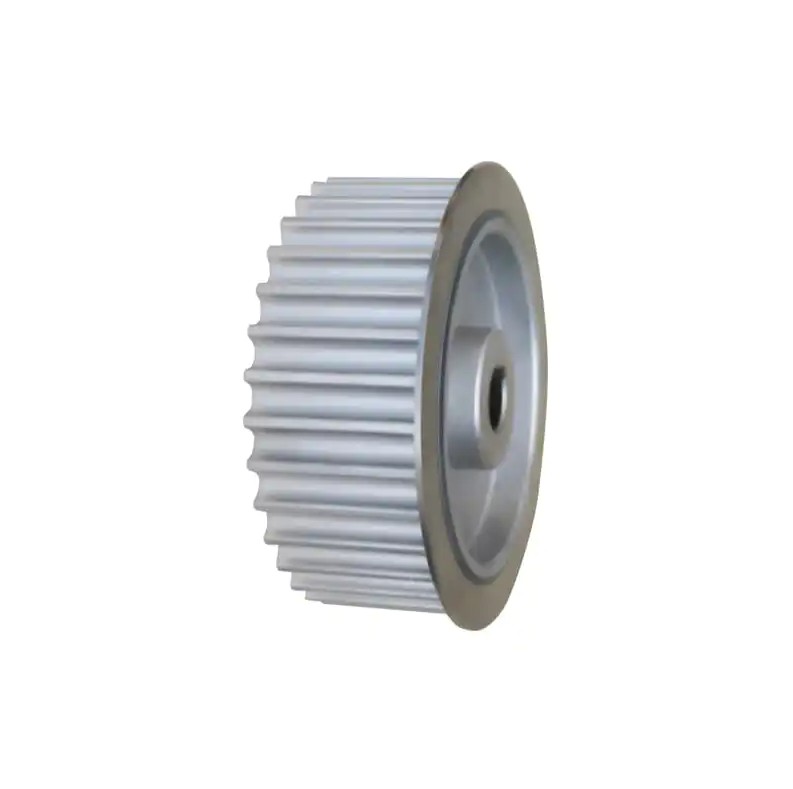
Your packaging line stops in the middle of a production shift. The rubber timing belt that drives the rotary cutter shows cracks on the back surface, and the machine no longer keeps registration. If ...
View More


-

Denggu Rd,Guixi lndustrial Park, Jiangxi, China
-

+86-13817620574
-

+86-0701-3333390
-

