



Content
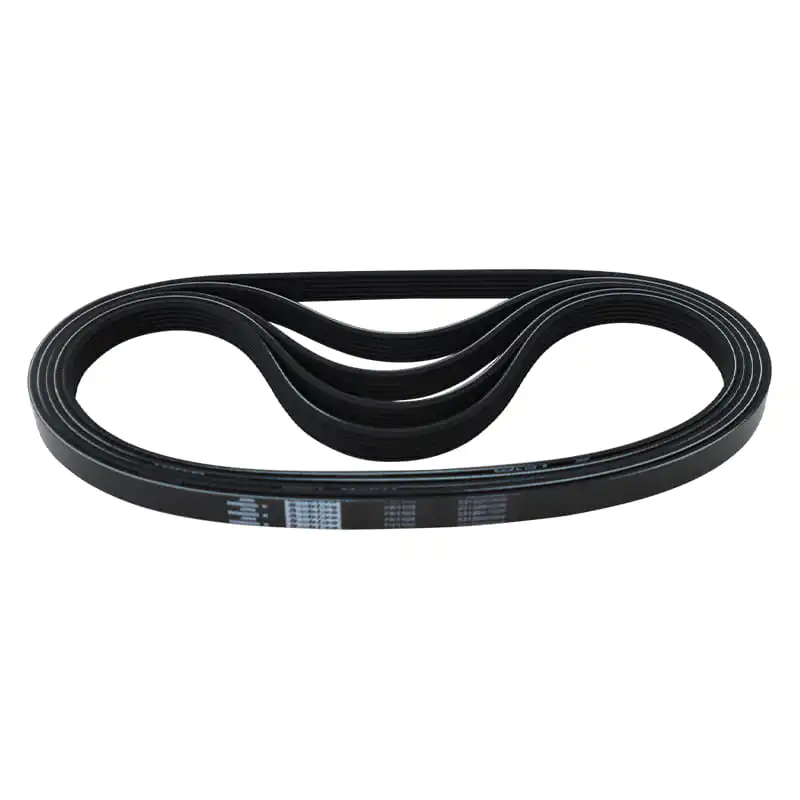
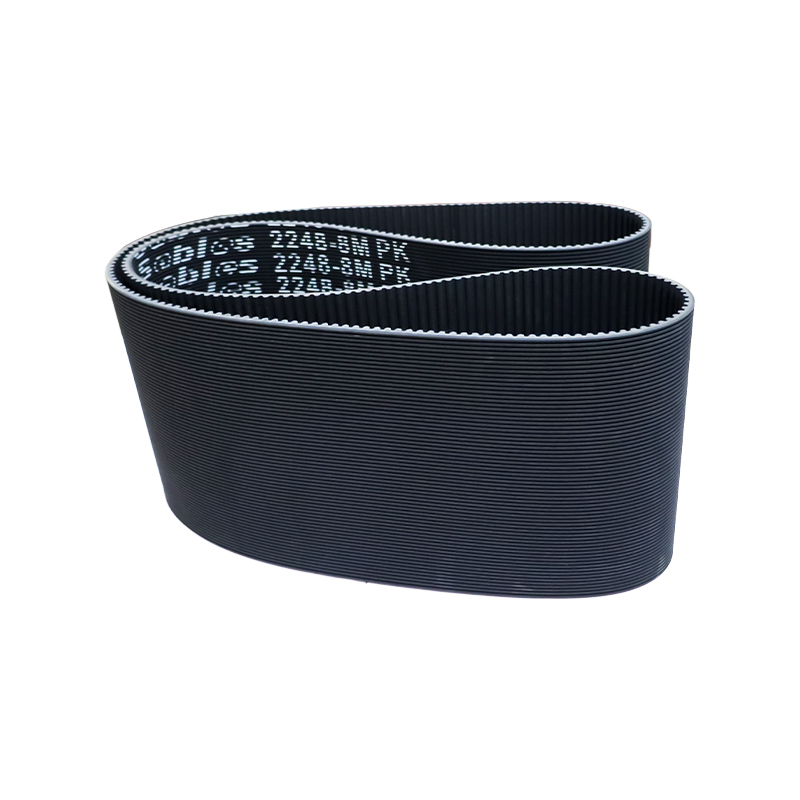
Most rubber timing belts are designed to last between 60,000 and 100,000 miles (approximately 100,000 to 160,000 km), or 5 to 7 years — whichever comes first. However, this range varies significantly by vehicle make, engine design, and operating conditions. Some manufacturers specify replacement at 40,000 to 50,000 miles for high-performance or older engines, while others allow intervals up to 120,000 miles for modern HNBR (hydrogenated nitrile butadiene rubber) compound belts. The manufacturer's specified interval in the vehicle service manual is the authoritative source and should always take precedence over general estimates.
Why Both Mileage and Age Matter Equally
Unlike mechanical wear items measured only by distance, rubber timing belts degrade through two independent processes that both contribute to failure:
Mechanical Wear from Operation
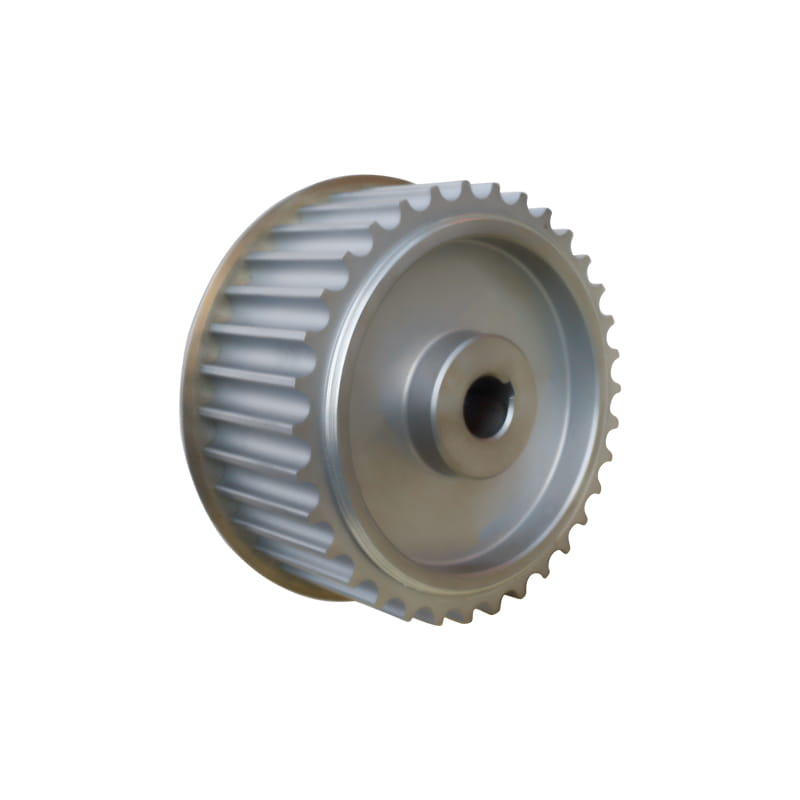
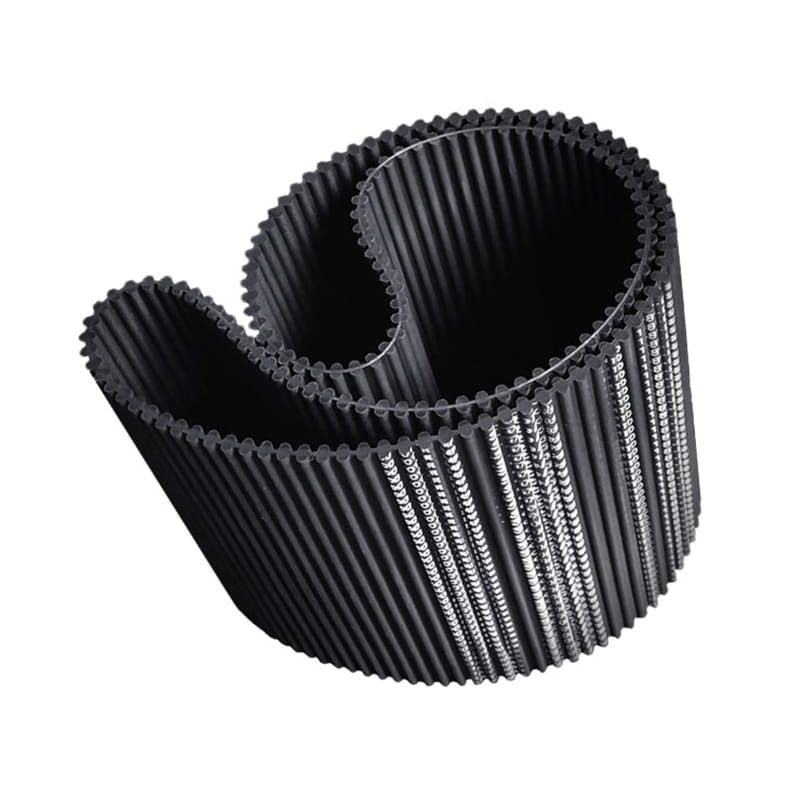
Each engine revolution cycles the belt around the crankshaft sprocket, camshaft sprocket(s), tensioner, and idler pulleys. Over millions of cycles, the rubber backing fatigues, the tooth faces wear, and the internal fiber reinforcement cords (usually fiberglass or aramid) progressively accumulate micro-damage. This wear is directly proportional to distance traveled.
Chemical and Thermal Aging — Independent of Mileage
Rubber oxidizes, absorbs heat, and undergoes polymer chain degradation over time regardless of how many miles the vehicle covers. A vehicle driven only 5,000 miles per year for 10 years has a belt that is a decade old — and despite its low mileage, that belt has been exposed to heat cycling, ozone, moisture, and chemical contamination for the full 10 years. The rubber will be brittle, cracked, and prone to sudden failure. This is why most manufacturers specify an age limit of 5 to 7 years regardless of mileage — a threshold that frequently applies first for low-mileage vehicles.
Factors That Shorten Timing Belt Life
- Oil or coolant contamination: Even small leaks from the front crankshaft seal or water pump can soak the timing belt. Oil dramatically accelerates rubber degradation — a contaminated belt may fail in 10,000 to 20,000 miles regardless of its age or total mileage. This is why replacing the front crank seal and water pump at the same time as the timing belt is standard practice.
- Incorrect tensioner preload: A belt that is too loose skips teeth under load; a belt that is too tight accelerates wear on both the belt and the bearing components. The tensioner spring or hydraulic automatic tensioner should always be replaced with the belt — a failed tensioner bearing is a common cause of premature belt failure.
- High operating temperatures: Turbocharged and high-performance engines run hotter, which accelerates rubber hardening. The timing belt cover must remain intact to shield the belt from radiated engine heat.
- Worn idler pulleys: A failing idler bearing creates lateral belt vibration and uneven loading that concentrates stress in specific belt sections, causing localized fatigue cracking ahead of the rated service interval.
- Inferior belt quality: Non-OEM replacement belts made with lower-grade rubber compounds or inadequate fiber reinforcement may fail significantly earlier than their rated service interval — particularly in harsh temperature environments.
Typical Manufacturer-Specified Replacement Intervals by Engine Type
| Engine Category | Typical Mileage Interval | Typical Age Limit |
|---|---|---|
| Older passenger car engines (pre-2000) | 40,000–60,000 miles | 4–5 years |
| Modern passenger car engines (post-2000) | 60,000–100,000 miles | 5–7 years |
| Modern diesel passenger car engines | 80,000–120,000 miles | 5–7 years |
| High-performance / turbocharged engines | 40,000–60,000 miles | 4–5 years |
| Industrial / stationary engines | Per manufacturer hours rating | 3–5 years |
Warning Signs That a Timing Belt Is Approaching Failure
Rubber timing belts give minimal advance warning before failure — the most common symptom is simply the belt snapping without prior indication. However, some observable signs indicate the belt or its associated components need inspection:
- Visual cracks or fraying on the belt surface — visible if the timing cover is removed or has an inspection window; surface cracking indicates rubber embrittlement from age or heat.
- Ticking or slapping noise from the timing cover area — can indicate a failing tensioner bearing or idler pulley putting irregular load on the belt.
- Engine misfires or rough running — if the belt has skipped a tooth, valve timing is off; this causes misfires, power loss, and rough idle before progressing to catastrophic failure.
- Visible oil contamination on the belt — requires immediate inspection and replacement of both the belt and the leaking seal source.
The safest approach is to replace the timing belt proactively at the manufacturer's specified interval — never waiting for symptoms to appear. In an interference engine, a snapped belt causes piston-to-valve contact and engine destruction, with repair costs frequently exceeding the vehicle's market value for older cars.