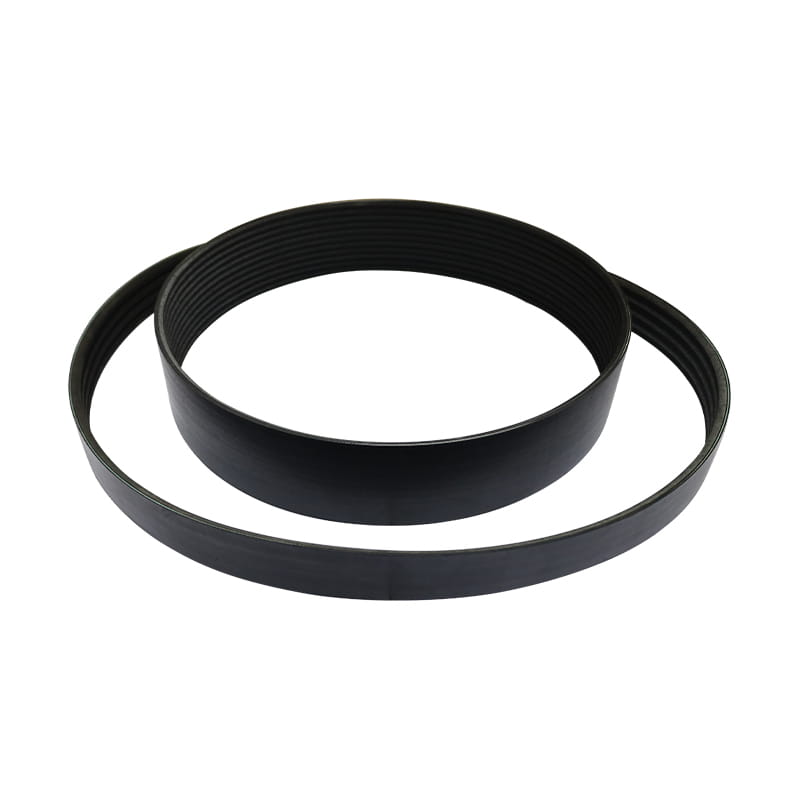
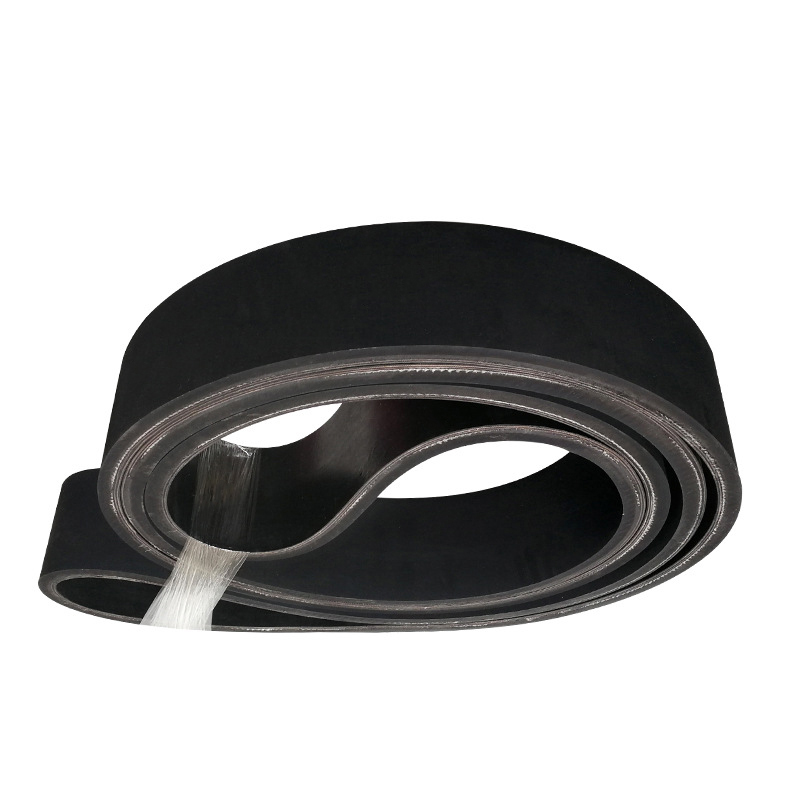
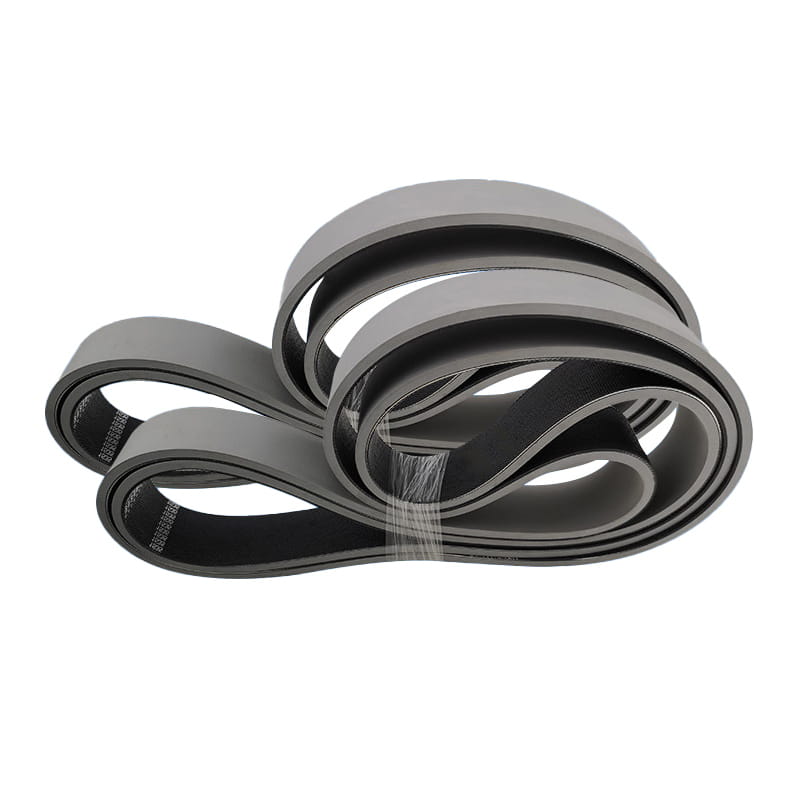
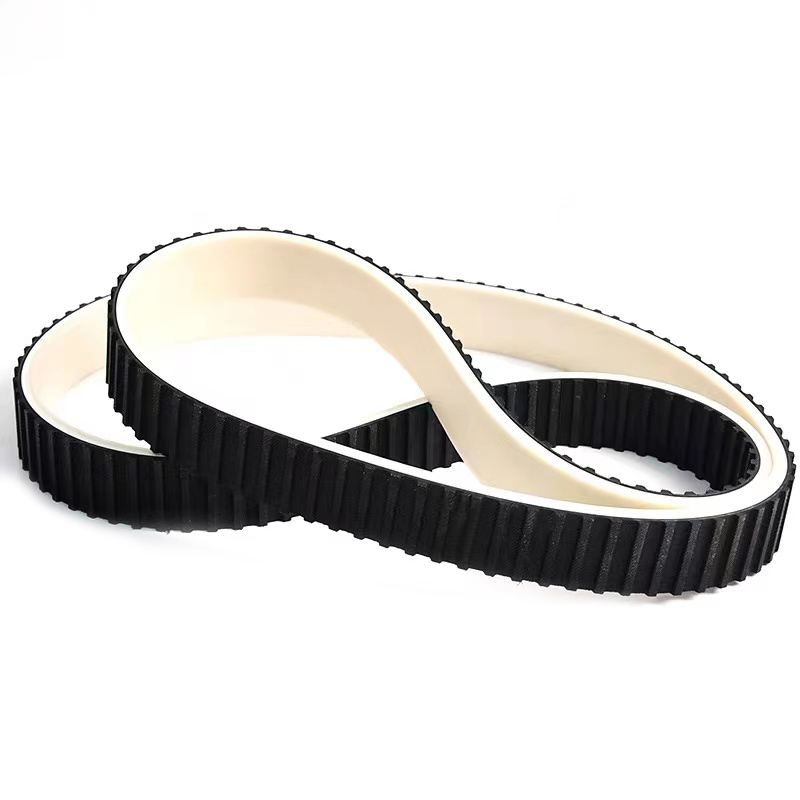
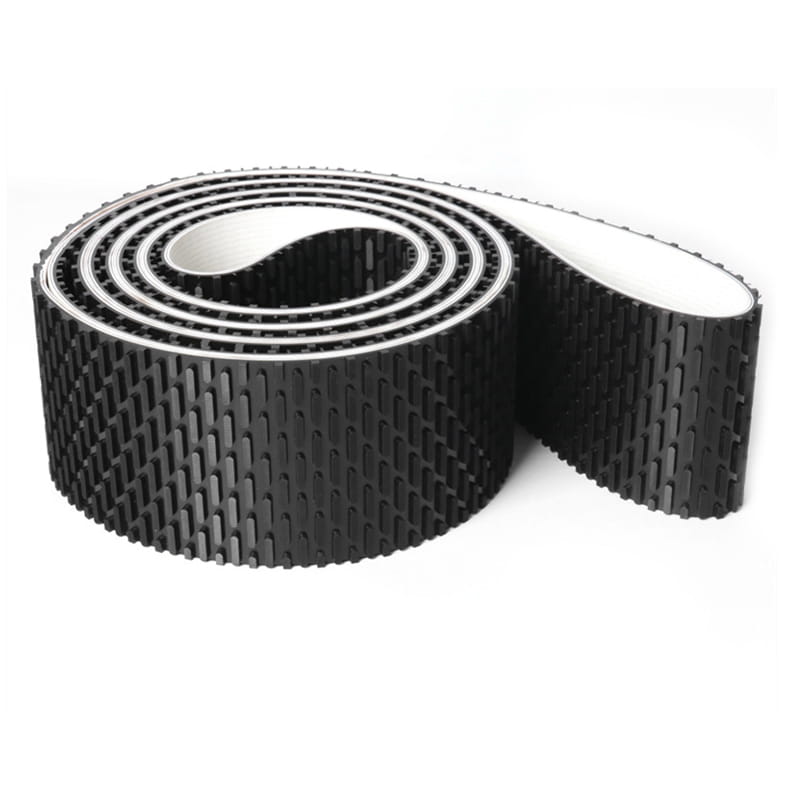
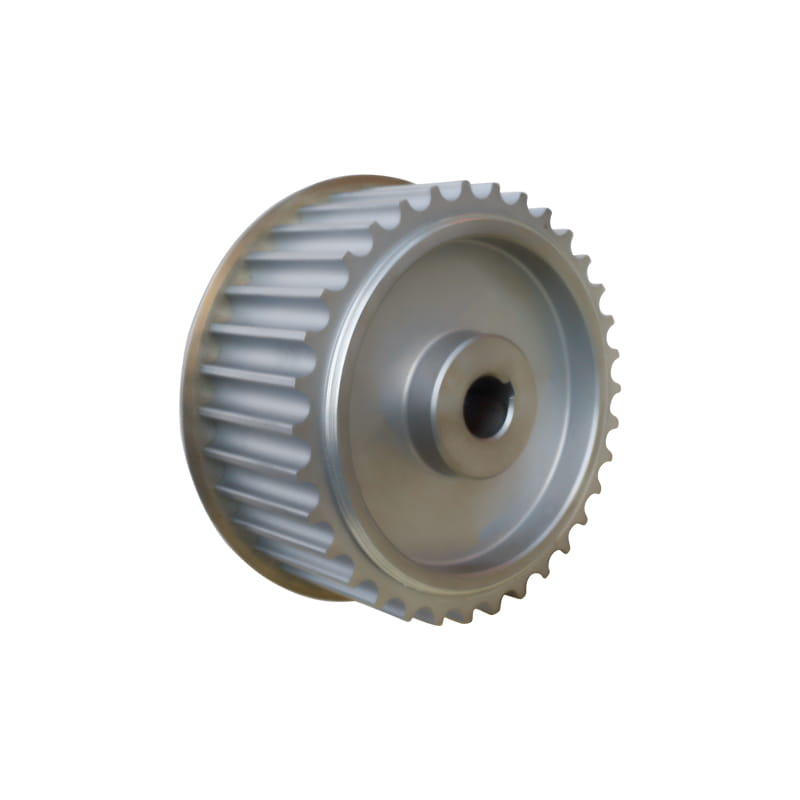
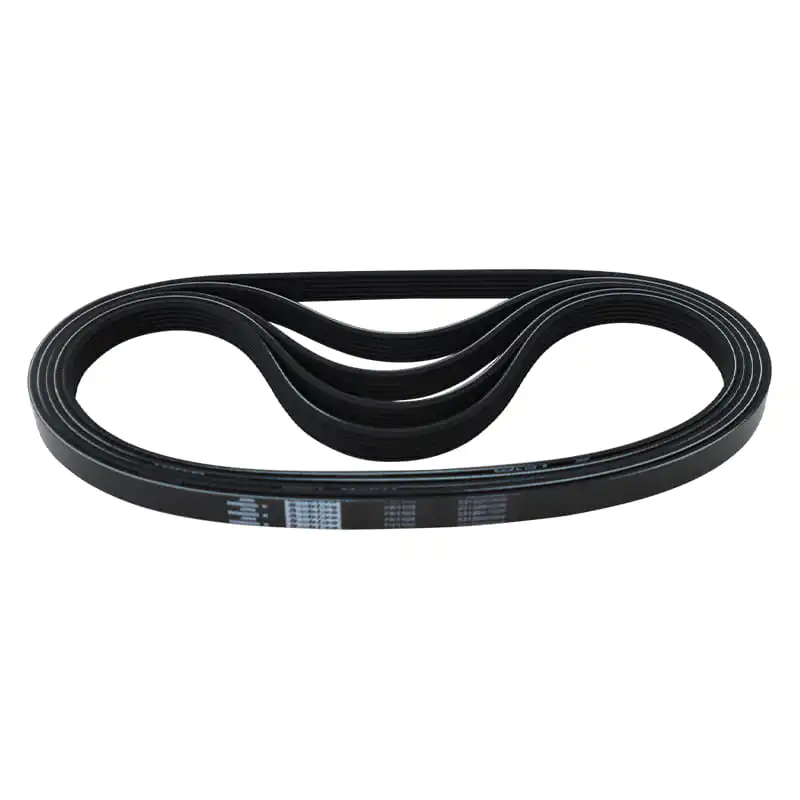
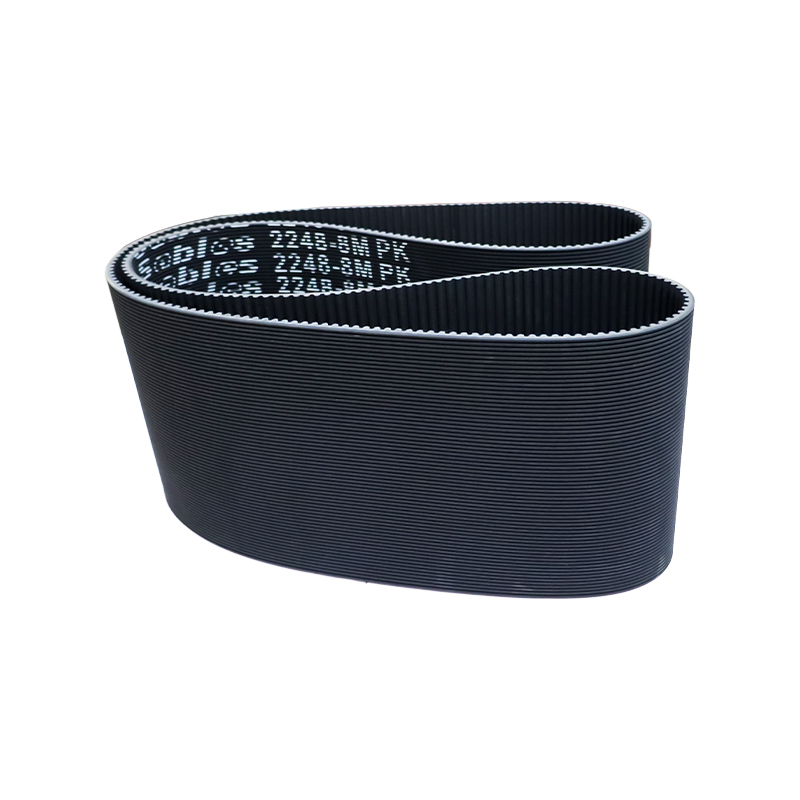
In modern industrial production and mechanical equipment, the choice of transmission system is crucial. Timing belts, as a common transmission element, are widely used in many fields. Among the many timing belt materials, PU timing belts (polyurethane timing belts) have become the preferred choice for many demanding applications due to their unique performance advantages. Compared with traditional rubber timing belts, PU timing belts demonstrate superior advantages in durability, transmission efficiency, and load capacity. So, why choose PU timing belts? What are their advantages?
1. Excellent Wear Resistance and Durability
One of the biggest advantages of PU timing belts is their excellent wear resistance. Polyurethane material itself has strong wear resistance, which allows PU timing belts to maintain good transmission performance during long-term use without easily wearing out or deforming. Compared with traditional rubber timing belts, PU timing belts have stronger wear resistance, making them suitable for high-load, high-speed, and high-friction working environments.
This wear resistance allows PU timing belts to withstand longer working loads and reduces maintenance costs associated with frequent timing belt replacement. Especially in industries such as industrial automation, packaging, logistics, and automotive, where equipment operates for extended periods, choosing PU timing belts can significantly extend the service life of the equipment, thereby improving production efficiency and reducing equipment maintenance costs.
2. Excellent Load Capacity
PU timing belts have a high load capacity. Polyurethane material itself possesses excellent tensile and compressive strength, allowing PU timing belts to withstand greater loads, especially in heavy-duty transmissions. PU timing belts can carry higher tension and weight than traditional rubber timing belts, making them suitable for more complex and high-load working environments.
This high load capacity makes PU timing belts widely used in many applications requiring high-power transmission. Especially in heavy machinery, conveyor belt systems, and other industrial equipment, PU timing belts can provide stable power transmission, preventing equipment failures caused by transmission system overload.
3. High-Precision Transmission Performance
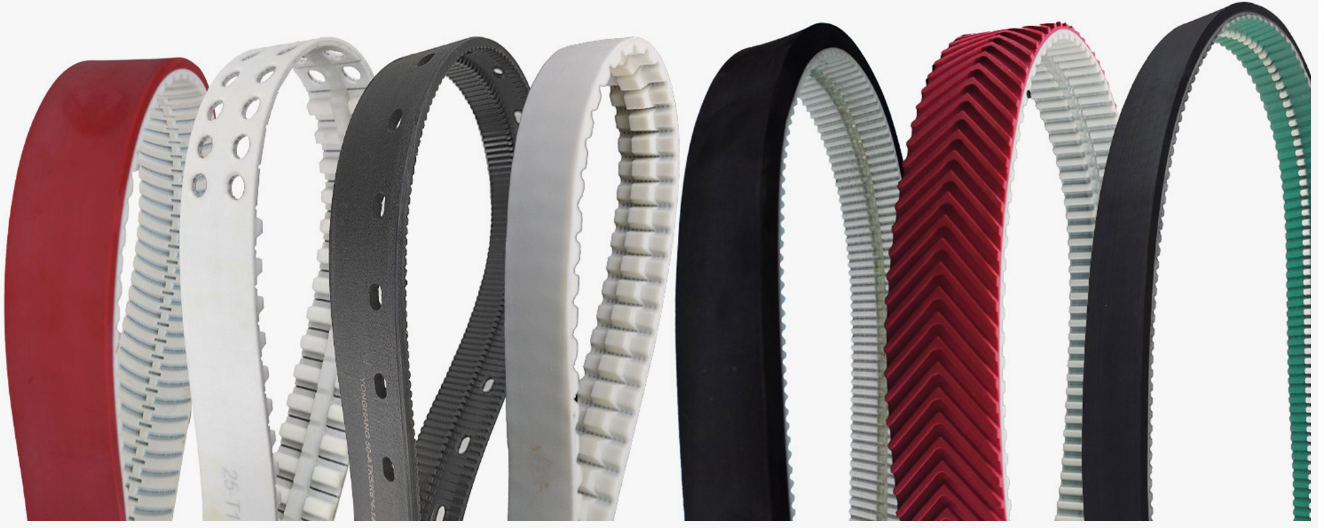
PU timing belts offer high transmission accuracy and stability. Its precisely designed tooth profile ensures a tight fit between the synchronous belt and the gear or sprocket, reducing sliding friction and guaranteeing high efficiency and stability during transmission. Unlike traditional round belts or V-belts, PU synchronous belts transmit power through their teeth, avoiding slippage and thus maintaining high transmission accuracy.
For applications requiring precise control of the transmission ratio, PU synchronous belts provide a more reliable solution. For example, in precision machinery such as CNC machine tools and packaging equipment, PU synchronous belts ensure that the equipment operates at precise speeds and angles, improving equipment accuracy and production quality.
4. Excellent Chemical Resistance
Compared to rubber belts, PU synchronous belts have stronger resistance to chemical corrosion. Polyurethane material can resist the erosion of many acids, alkalis, oils, solvents, and chemical substances, thus enabling stable operation in many harsh environments. For example, in chemical plants, food processing industries, and other working environments where chemical substances are present, PU synchronous belts can maintain a stable working state without being easily damaged or degraded by chemicals.
This chemical resistance makes PU synchronous belts widely used in the food and pharmaceutical industries. In these fields, equipment cleanliness and material chemical resistance are crucial, and PU synchronous belts perfectly meet this need.
5. Lower Noise and Vibration
Compared to traditional belts or other types of transmission belts, PU synchronous belts produce lower noise and vibration during transmission. The tooth profile design of the PU synchronous belt allows for precise meshing with gears or sprockets, reducing unnecessary vibration and noise. The low-noise characteristic makes PU synchronous belts particularly suitable for environments requiring quiet operation, such as office equipment, medical devices, and food processing industries.
The reduction in noise and vibration not only improves operational comfort but also prevents equipment damage and production instability caused by vibration. The advantage of low noise is especially significant for equipment that operates for extended periods.
6. High Temperature Resistance and Adaptability
PU synchronous belts can operate stably over a wide temperature range. Typically, the operating temperature range of PU synchronous belts can reach -30°C to +80°C, and in some special materials, the operating temperature range can reach -50°C to +100°C. This allows PU timing belts to maintain excellent performance in both high and low-temperature environments.
This superior temperature resistance enables PU timing belts to be used in various complex working environments, such as high-temperature metallurgy and low-temperature refrigeration industries, ensuring the long-term stable operation of equipment.
7. Environmental Protection and Recyclability
With the increasing awareness of environmental protection, many industries are beginning to focus on using environmentally friendly materials. As a high-performance, low-pollution material, PU timing belts have excellent environmental characteristics. Compared with some traditional rubber materials, the production process of polyurethane materials has less impact on the environment, and after the end of their service life, PU timing belts can be recycled, meeting the requirements of modern sustainable development.
Therefore, choosing PU timing belts not only helps to improve equipment performance and service life but also helps enterprises fulfill their environmental responsibilities and reduce the environmental burden.
8. Wide Range of Applications
Due to its unique performance advantages, PU timing belts have been widely used in many fields. Here are some common application scenarios:
Industrial Automation: Used in conveyor belts, conveying systems, automated production lines, etc., the high load capacity and high-precision transmission of PU timing belts can improve production efficiency.
Food Processing: PU timing belts have chemical resistance and are easy to clean in the food industry, and are widely used in food conveying and processing equipment.
Printing and Packaging Industry: PU timing belts can provide precise speed control, suitable for printing and packaging machinery requiring high precision.
Automotive Industry: In the automotive manufacturing process, PU timing belts are used in key components such as engine transmission systems and tire conveying systems.
With its advantages of wear resistance, load capacity, transmission accuracy, chemical resistance, and low noise, PU timing belts are widely used in multiple industries. They have higher durability, stronger load capacity, and lower maintenance costs than traditional rubber timing belts, making them suitable for high-load, high-precision, and high-efficiency applications.



 中文简体
中文简体