A chattering noise from the front of the engine at startup, a shiny worn edge on the serpentine belt, or a sudden loss of accessory drive power can all point to one small component: the spring tensioner pulley. This spring-loaded arm and wheel assembly keeps the belt under constant tension, whether it drives the alternator in a car, the compressor in a rooftop unit, or the main spindle in an industrial machine. In short, a failing spring tensioner pulley is not something to dismiss. A routine check can prevent expensive damage to the belt, the bearings, and the driven accessories. This article explains what this component does, how to inspect it, and when to replace it.
What Is a Spring Tensioner Pulley?
A spring tensioner pulley is a compact mechanism made up of a pulley wheel, a spring-loaded arm, and a pivot assembly. The spring applies a controlled force to the arm, which pushes the pulley against the belt. This design keeps the belt tight even as it warms up, stretches, or wears. In automotive serpentine belt systems, the component is often called an automatic belt tensioner. In industrial synchronous drives, spring-loaded idler pulleys perform the same job, but they must work with timing belts and pulley tooth profiles that match the system.
Why Spring Loading Matters
Unlike a fixed idler, which cannot adjust after installation, a spring tensioner pulley adapts to changing conditions. A fixed idler starts at a high tension that slowly drops as the belt stretches. A spring-loaded tensioner compensates for that stretch and keeps the tension within a useful range. This steady tension reduces slip, lowers noise, and helps the belt run cooler.
The line chart above shows what happens over 60 months of service. The fixed idler begins at a higher tension but loses around 150 N of force as the belt stretches, which leads to slip and heat. The spring tensioner holds the tension between 244 N and 260 N during the same period. A tension drop of nearly 50 percent is enough to make a belt squeal at cold startup. The spring-loaded design therefore keeps the drive quieter and more efficient. This is why most modern vehicles and many industrial drives rely on a spring tensioner pulley rather than a fixed idler.
Signs Your Spring Tensioner Pulley Needs Attention
The first symptom is usually acoustic. A bad tensioner pulley often makes a chirping or thumping noise that changes with engine speed. You may also see dark rubber dust near the tensioner, polished spots on the belt, or uneven wear on the belt ribs. Over time, the spring loses its strength, and the pulley bearing can develop flat spots or rough movement. The chart below shows the most common failure causes reported by technicians.
The horizontal bar chart ranks the most frequent causes of tensioner failure. Bearing wear leads the list at 45 percent because the wheel spins at high speed and receives no direct lubrication. Spring fatigue accounts for another quarter, particularly in harsh environments with high heat or debris. Pulley face wear is often overlooked but can damage the belt rib surface. Alignment problems are less common but still worth checking after any fender-bender or bracket repair. Knowing these causes helps you decide whether a complete tensioner assembly replacement is better than replacing only the pulley.
How to Inspect a Spring Tensioner Pulley
Inspection begins with safety: park the machine on a level surface, switch off the power, and lock out the drive if necessary. For a car, gently release the belt tensioner and remove the belt so you can feel the pulley directly. Spin the tensioner pulley with your hand; it should rotate freely with no grinding, clicking, or dead spots. Move the pulley side to side to check axial play, and push the arm through its travel range to feel for rough spots. Write down what you observe so you can compare it with the values listed in the repair manual.
What the Numbers Look Like
The column chart shows three indicators used to judge a spring tensioner pulley. A healthy unit stays below 20 percent in all three categories, while a worn unit can exceed 75 percent. Rotation friction in the graph measures how hard the bearing drags when you spin the wheel. Axial play is the amount of side-to-side movement at the pulley face. Spring loss tells you how much of the original clamping force remains. If your readings match the worn column on more than one indicator, replacement is justified.
When to Replace the Spring Tensioner Pulley
Replace the spring tensioner pulley whenever you replace the belt, unless the repair manual explicitly says otherwise. This is especially important in serpentine systems where the belt is routed around several pulleys and the tensioner has to carry a heavy alternating load. Typical replacement intervals range from 60,000 to 100,000 miles for vehicles, but industrial drives should follow the equipment manufacturer's maintenance schedule. If the pulley shows visible wear, wobble, or grating sounds, do not wait until the next service interval. A side-to-side movement of more than 0.5 mm means the bearing is already losing control.
The radar chart below compares the performance of a new tensioner with a worn unit across five quality areas. The new part scores above 8 in every area, while the worn part falls below 5 in most of them.
The radar chart translates workshop observations into scores from 1 to 10. A new spring tensioner pulley combines low noise, low vibration, stable tension, smooth bearings, and reasonable temperature rise. A worn unit loses tension stability first because the spring takes a permanent set after years of cycling. Bearing smoothness also drops quickly once dirt or moisture enters the seal. High temperatures can accelerate both spring fatigue and bearing grease breakdown. This is why a complete replacement, rather than just a new pulley wheel, is often the safer choice.
Choosing the Right Replacement Pulley and Related Components
Replacing a spring tensioner pulley is not just about buying a new wheel. The spring rate, arm geometry, and pulley bearing must match the original design. In industrial synchronous belt drives, the same logic applies: a worn or mismatched pulley tooth profile can make the belt skip teeth and cause expensive downtime. That is why manufacturers choose components as a matched set.
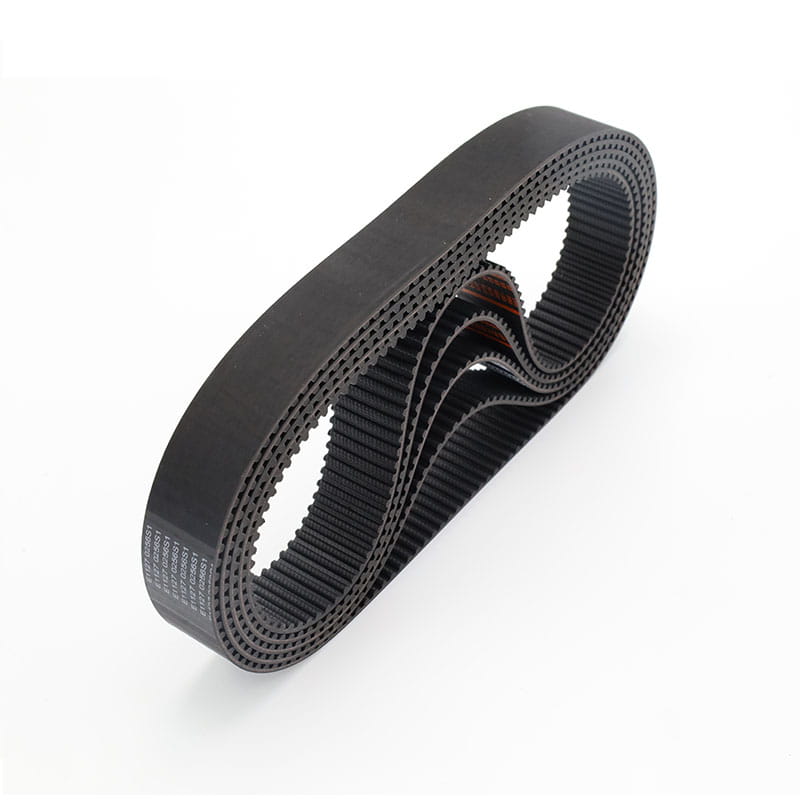
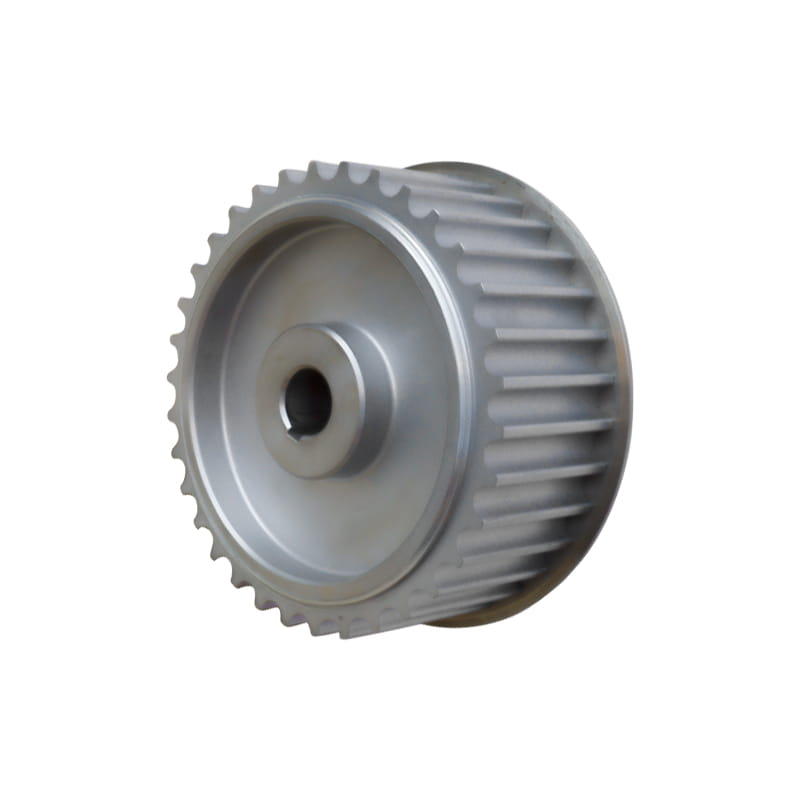
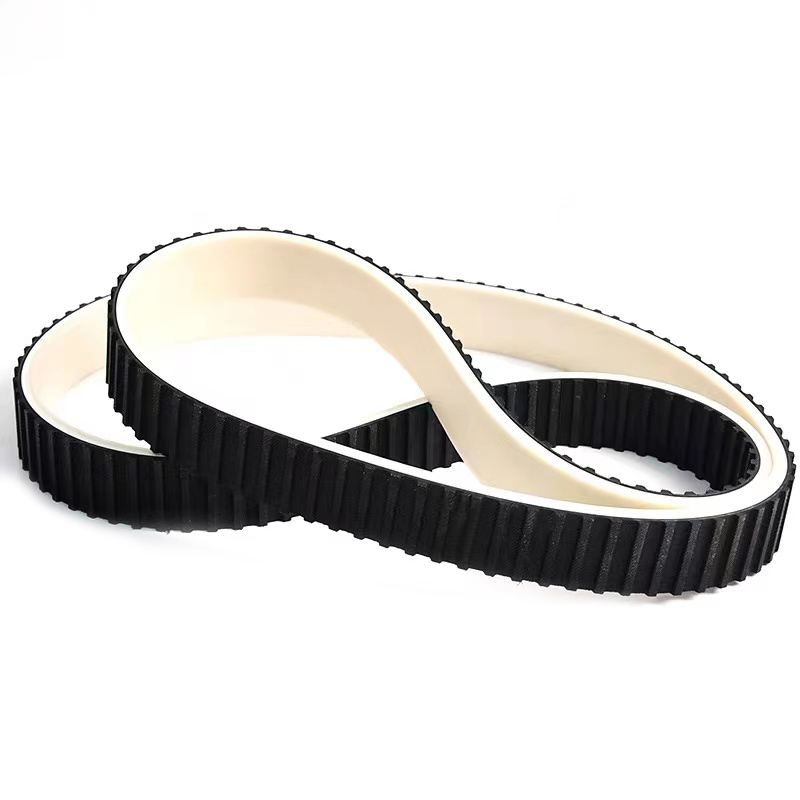
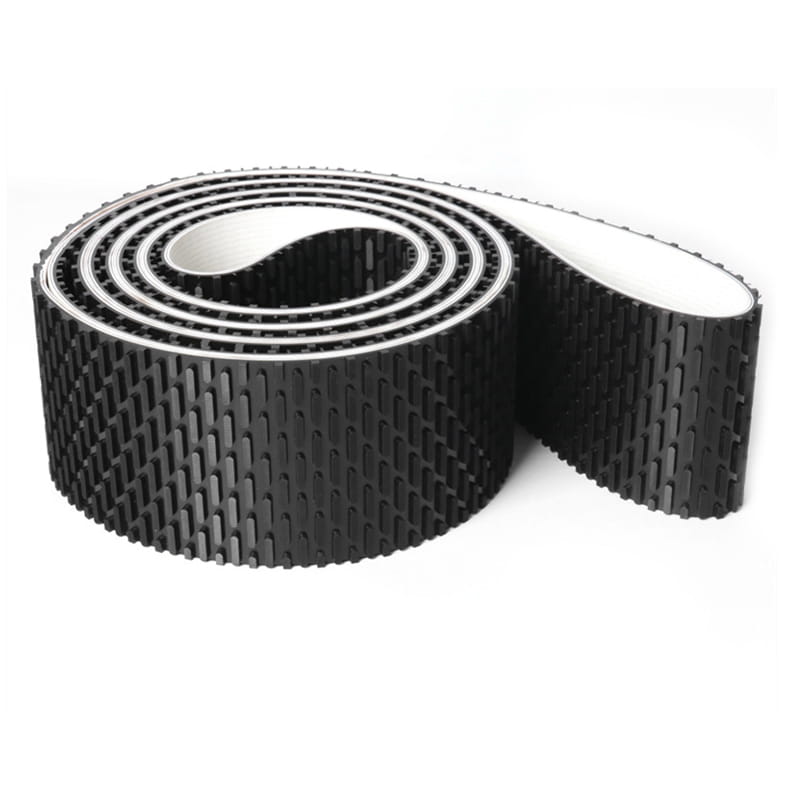
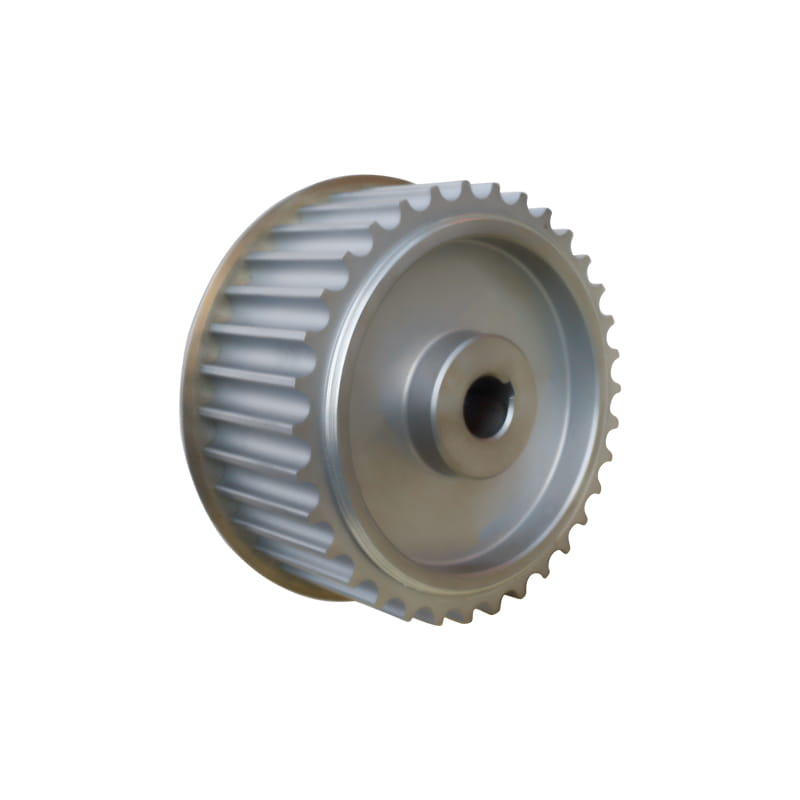
When you service a synchronous drive, inspect the spring-loaded idler as well as the pulley itself. For a reliable replacement, choose synchronous pulleys that are machined to the correct tooth profile. Pair them with a rubber synchronous belt that matches the belt length and pitch required by the machine. For step-by-step guidance, review the installation of rubber synchronous belt before you begin work.
A spring tensioner pulley is a small component with a big responsibility. It removes slack from the belt, reduces noise, and protects the whole drive system from uneven wear. Inspect it at every belt service, and replace it without hesitation if you find roughness, play, or a weakened spring. In automotive and industrial drives alike, a healthy tensioner extends the life of the belt and the pulleys around it. For industrial belt systems, choosing the right pulley and belt combination is just as important as the tensioner itself. Explore our complete product range to find parts that fit your machinery and operating conditions.
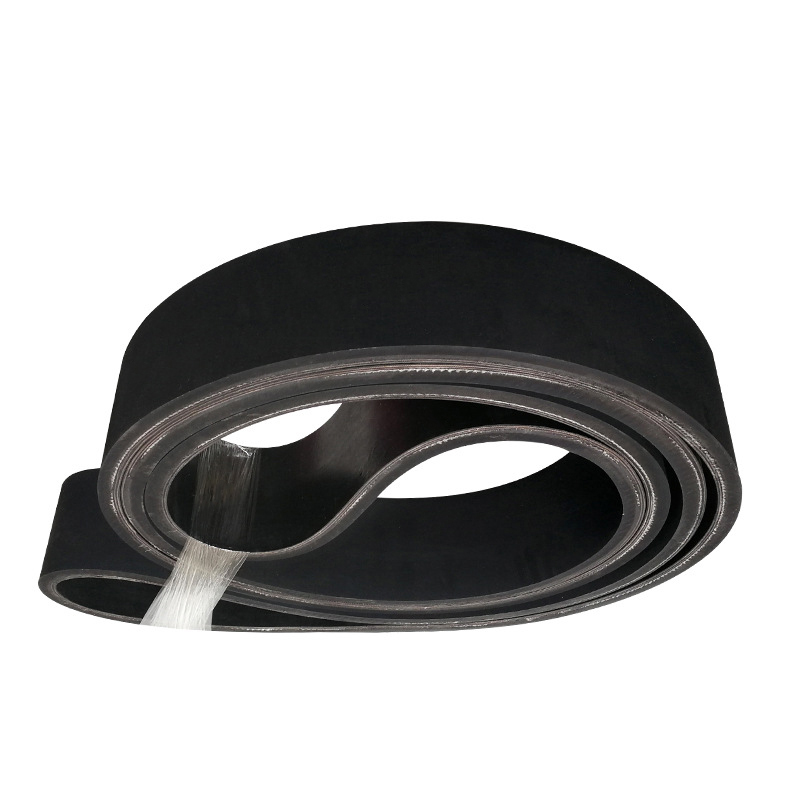
The conveyor belt is composed of surface adhesive, core, and layer glue. In addition, a layer of buffer cloth can be added to the use of high drop impact to make it more impact-resistant.
The surface adhesive
With natural rubber and synthetic rubber as raw materials and in order to enhance wear resistance, crack resistance, aging resistance, and other properties, the surface adhesive has various characteristics such as wear resistance, cutting resistance, heat resistance, flame resistance, cold resistance, acid and alkali resistance, oil resistance, static electricity resistance and so on. Cloth layer core
The cloth layer is composed of natural fiber or chemical fiber alone or a combination of the two, has the same quality after single-step treatment by a mature process, And has good adhesion with rubber. The adhesive layer
The adhesive layer is very important for the adhesive force between the layers of the core of the conveyor belt that is repeatedly flexed. Especially for high-tension conveyor belts, a layer of adhesive with less buckling stress and less fatigue due to internal stress must be used.
Specifications and models can be customized according to customer requirements, with a thickness ranging from 2.0 mm to 8.0 mm.
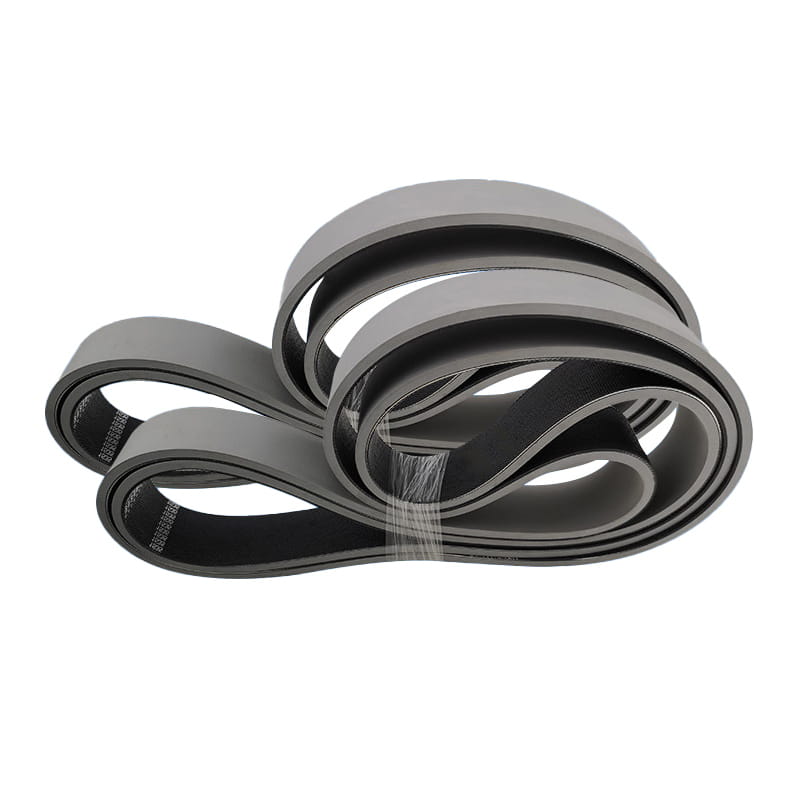
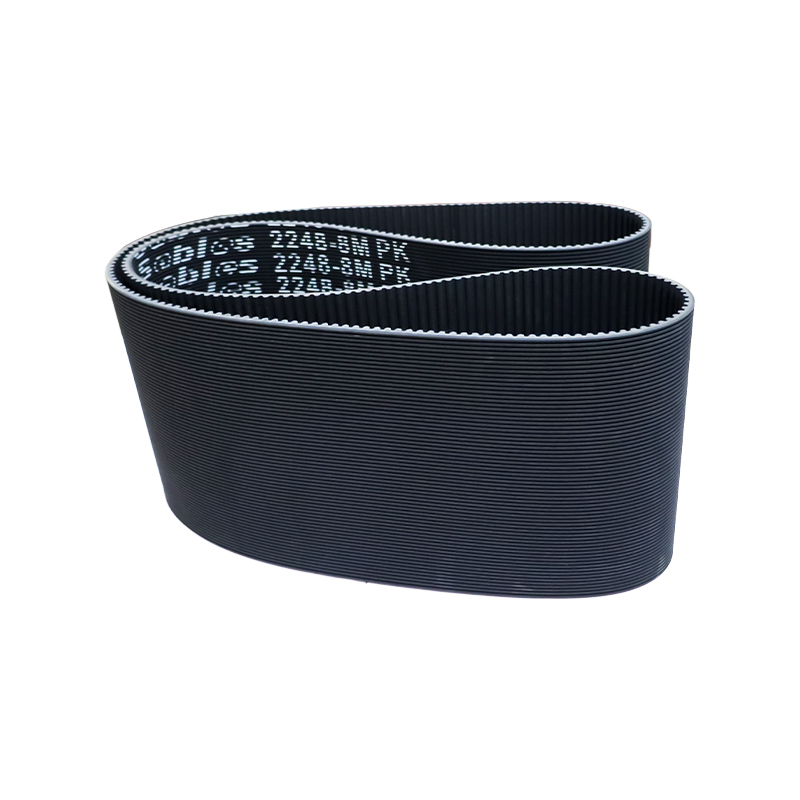
High-speed, smooth, and low-extension transmission and conveying systems, such as textile machinery, woodworking machinery, grinding machinery, ticket vending machines, vegetable cutting machines, etc. Characteristics: High speed and stability, high tensile strength, and low elongation.
The seamless rubber band produced by woodworking machinery can be used for sanding, correcting, and trimming core materials, planing wood boards, laminated boards, plastic laminated boards, and other machines, and can help the surface to be perfectly machined and selected.
Its special technology lies in the manufacturing method and produces the required size jointless belt. We not only strictly control the quality, but also insist on using imported materials in order to make our sander belt have better performance.
All parts of thickness and strength are absolutely uniform.
It has a good linear operation.
High flexibility can be used for small wheel diameters.
It can maintain flatness and non-deformability under working pressure.
The friction coefficient between the bottom of the belt and the plate surface is very low.
Because the surface layer of the belt is covered with rubber, the adhesiveness is improved and the stability of the conveyor belt is improved.
Apply to each field of the synchronous-driven device system. Characteristics:
Ensure coordination with the belt, to enhance the accuracy and lifetime of the driven. According to customer requirements, customization optimum driven solution can divided into 45# steel, aluminium alloy, stainless steel, cast iron, nylon, etc, according to the material.
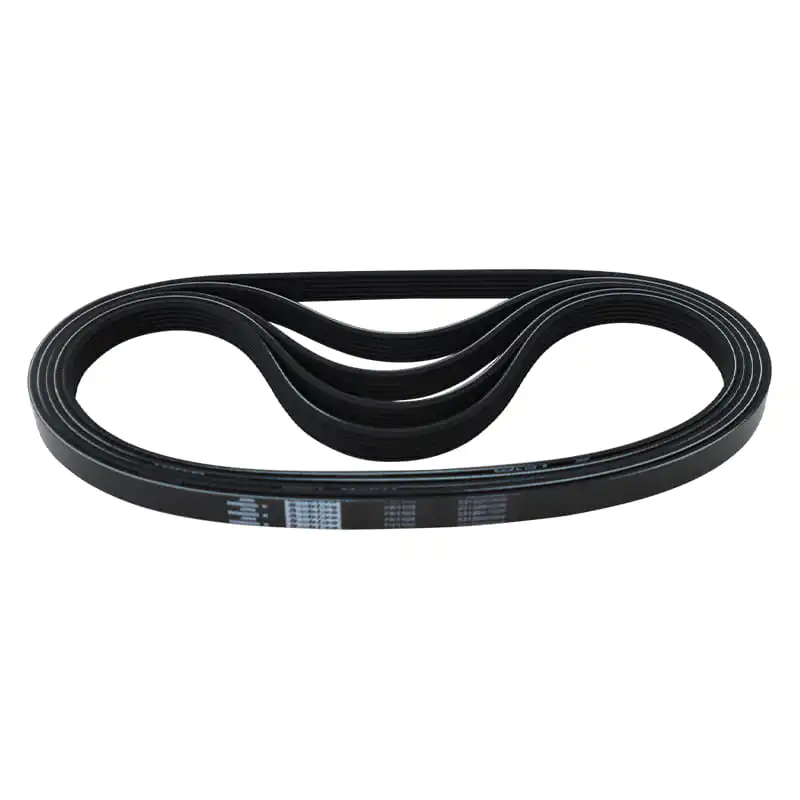
It is suitable for outdoor transmission equipment, transportation equipment, medical equipment, electric tools, household appliances, and sports equipment. Characteristics:
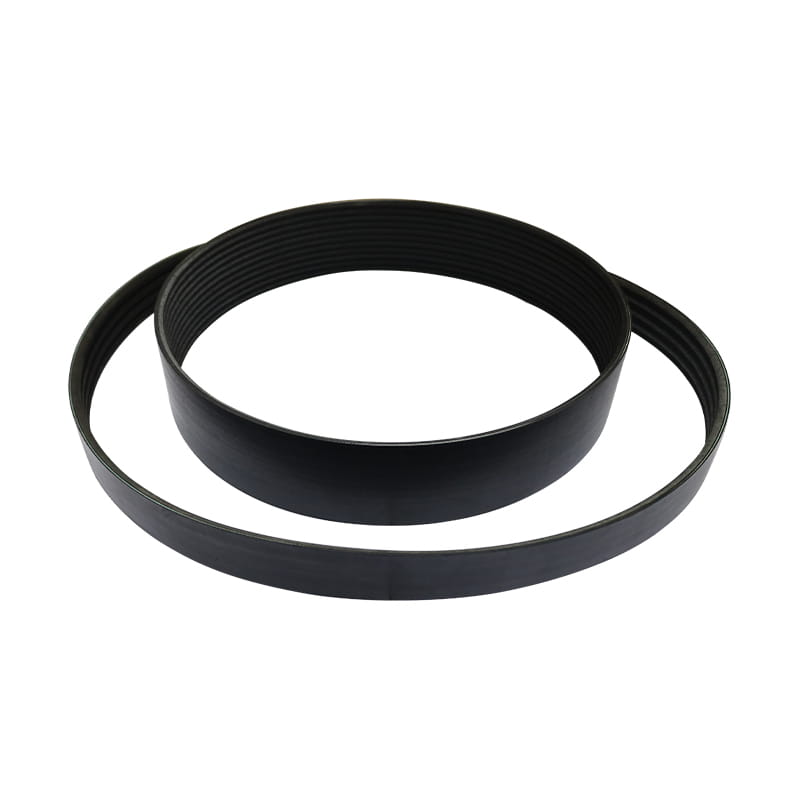
1. The transmission power of the ribbed belt is higher than that of an ordinary V-belt by 30 % when the space is the same.
2. The transmission system of the ribbed belt has a compact structure, and under the same transmission power, the space occupied by
the transmission device is 25 % smaller than that of the common V-belt.
3. The ribbed belt is thin and flexible and is suitable for transmission with a small pulley diameter and high-speed transmission, with belt
speed up to 40m/ s; Small vibration, less heat, and stable operation.
4. The ribbed belt is heat-resistant, oil-resistant, and wear-resistant, with small elongation and a long service life.



 中文简体
中文简体