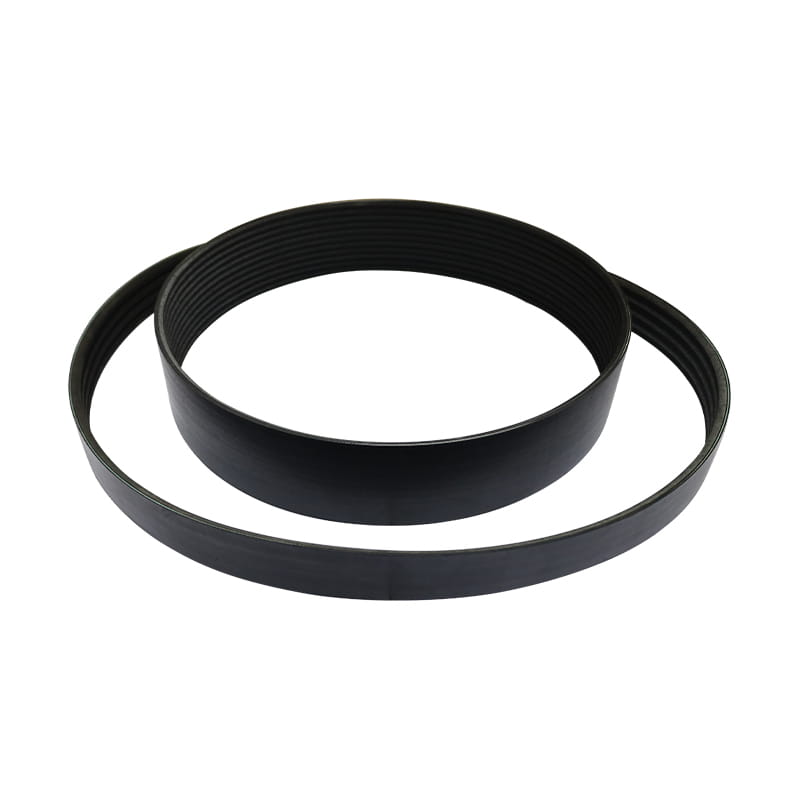
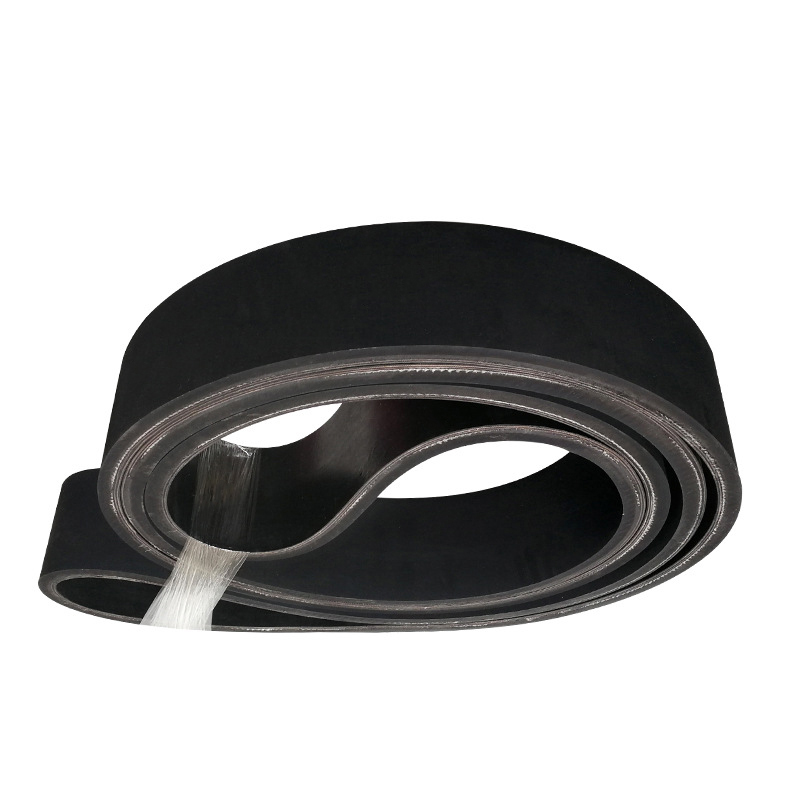
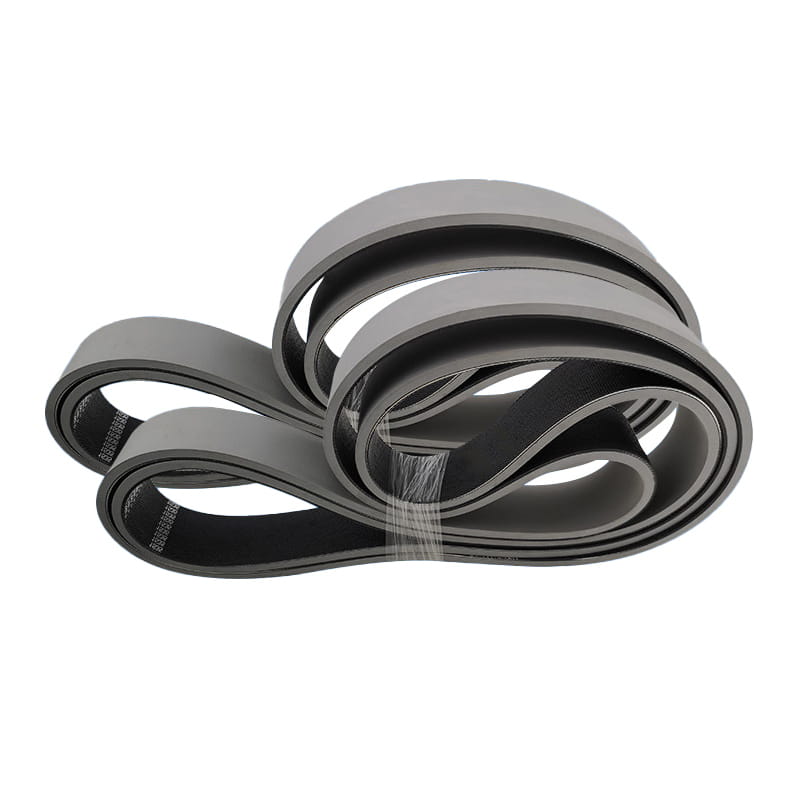
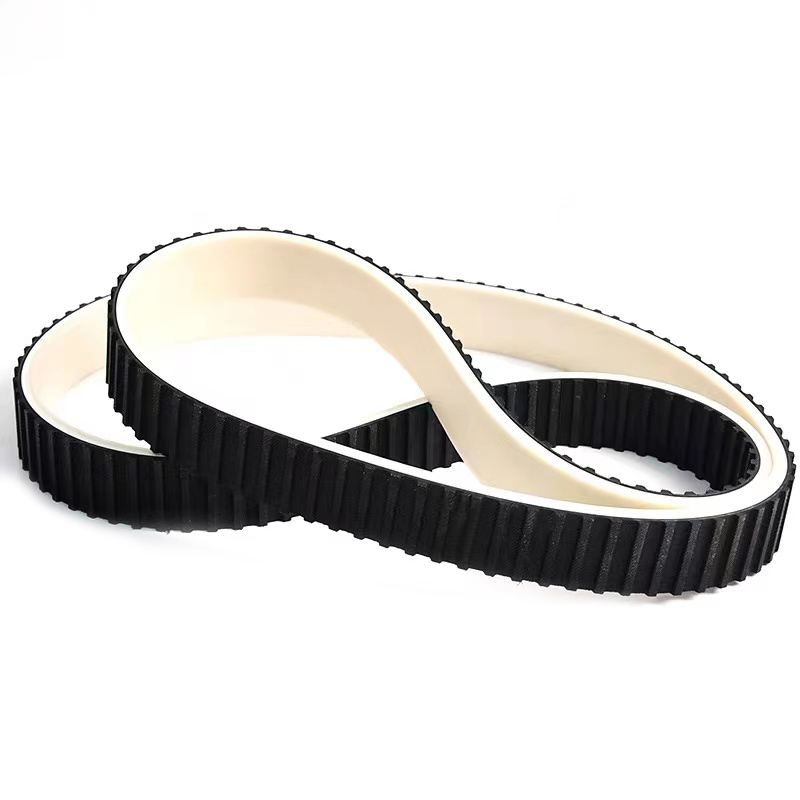
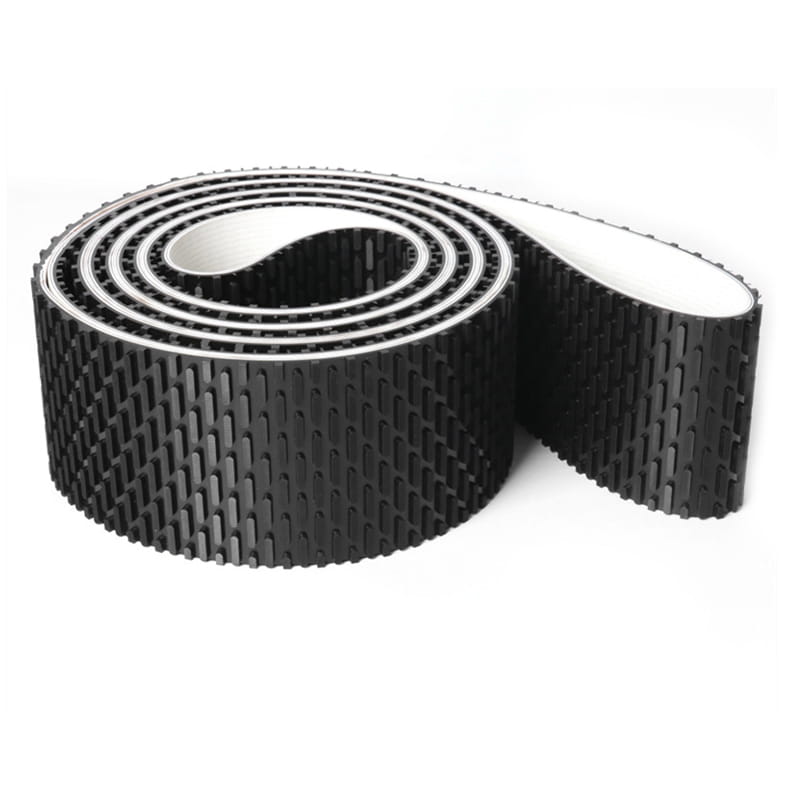
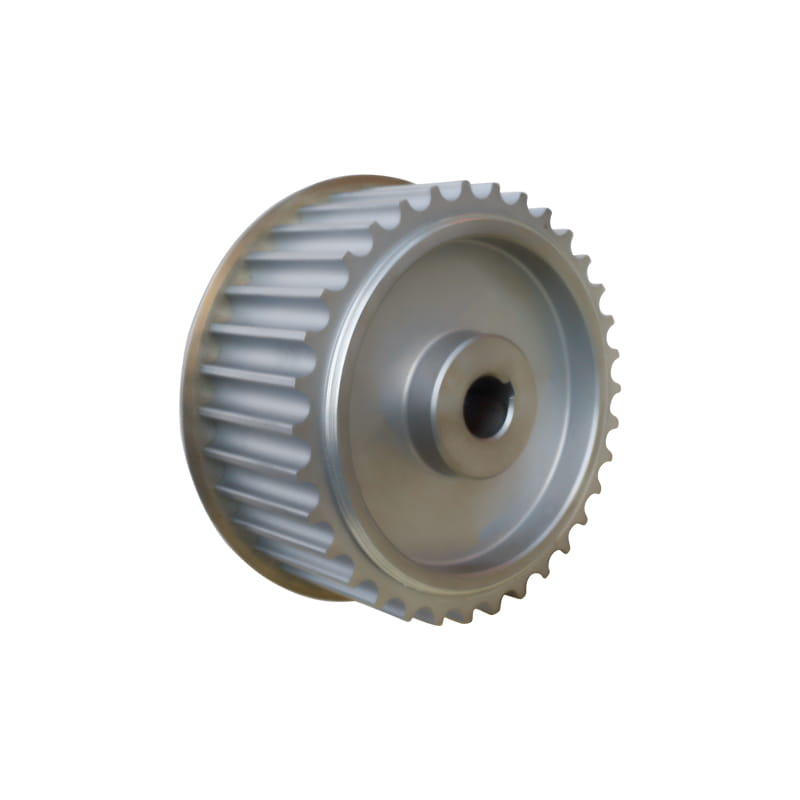
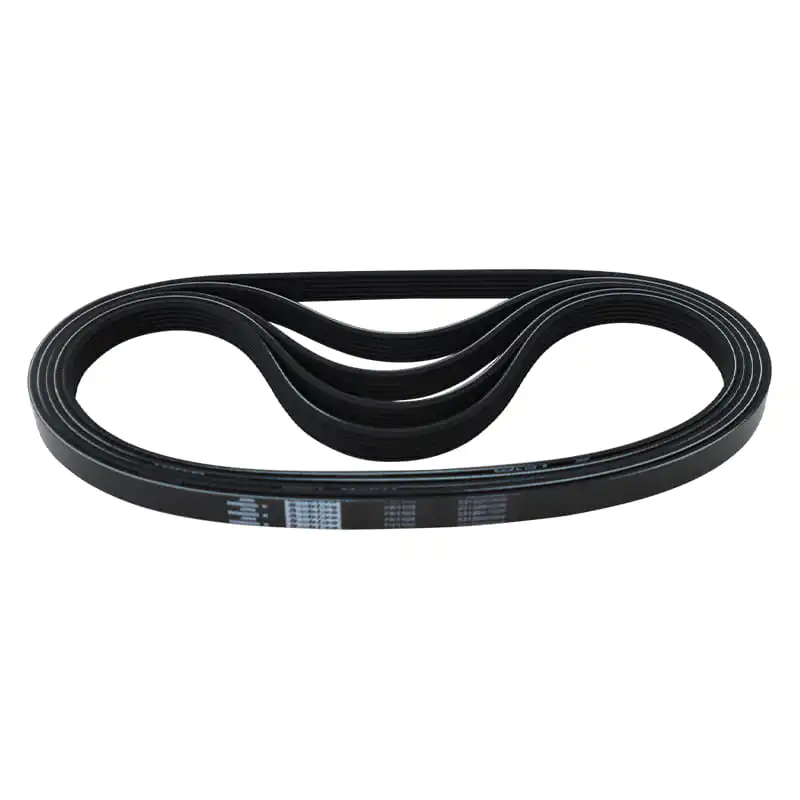
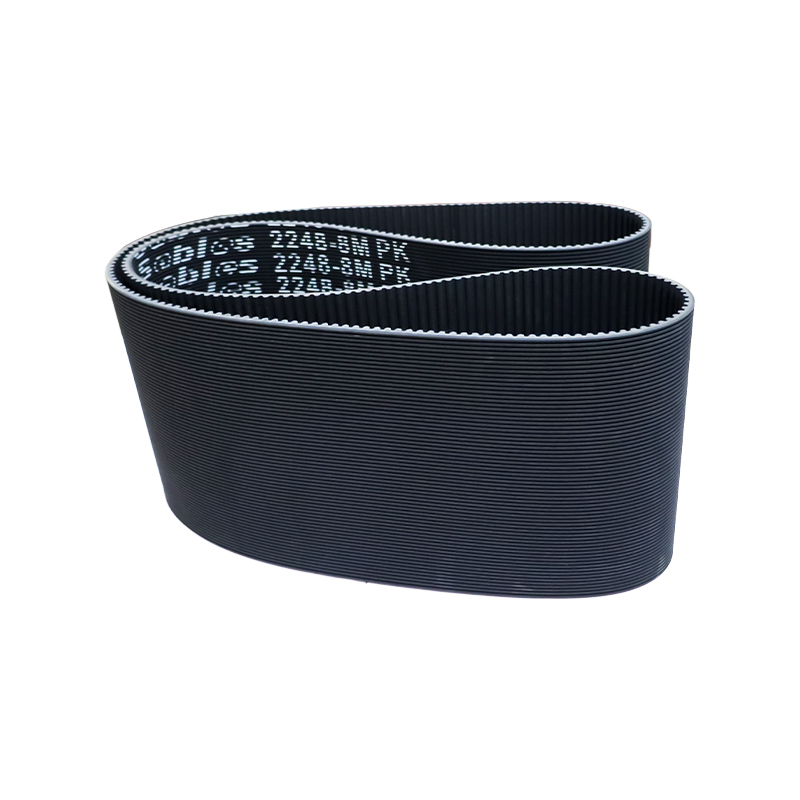
Rubber timing belts work by using a series of evenly spaced teeth molded into the belt's inner surface that mesh precisely with matching grooves on a pulley, allowing rotational motion to transfer from one shaft to another without slipping, unlike friction-based flat or V-belts. This positive engagement between belt teeth and pulley grooves ensures that the rotational timing between connected components remains synchronized throughout operation, which is why these belts are specifically chosen for applications where precise motion timing is critical, such as engine camshaft drives or precision manufacturing equipment. Mechanical power transmission references commonly used in industrial design confirm that toothed belt systems maintain essentially zero slip under properly tensioned conditions, a performance characteristic that friction-based belt types cannot reliably match, particularly under variable load conditions.
How Tooth Engagement Enables Synchronized Motion
The defining working principle behind rubber timing belts is the positive mechanical engagement between the belt's molded teeth and the corresponding grooves machined into each pulley in the drive system.
The Core Engagement Process
- Belt teeth fit precisely into pulley grooves, creating a locked mechanical connection rather than relying on friction alone
- As the drive pulley rotates, each tooth pushes against the corresponding groove, transferring rotational force directly
- This tooth-to-groove contact repeats continuously around the belt loop, maintaining constant synchronized motion
This positive engagement is what allows properly specified Rubber Timing Belts to maintain precise timing between connected shafts, since the physical tooth interlock prevents the gradual slippage that can occur with friction-dependent belt designs under sustained operational load.
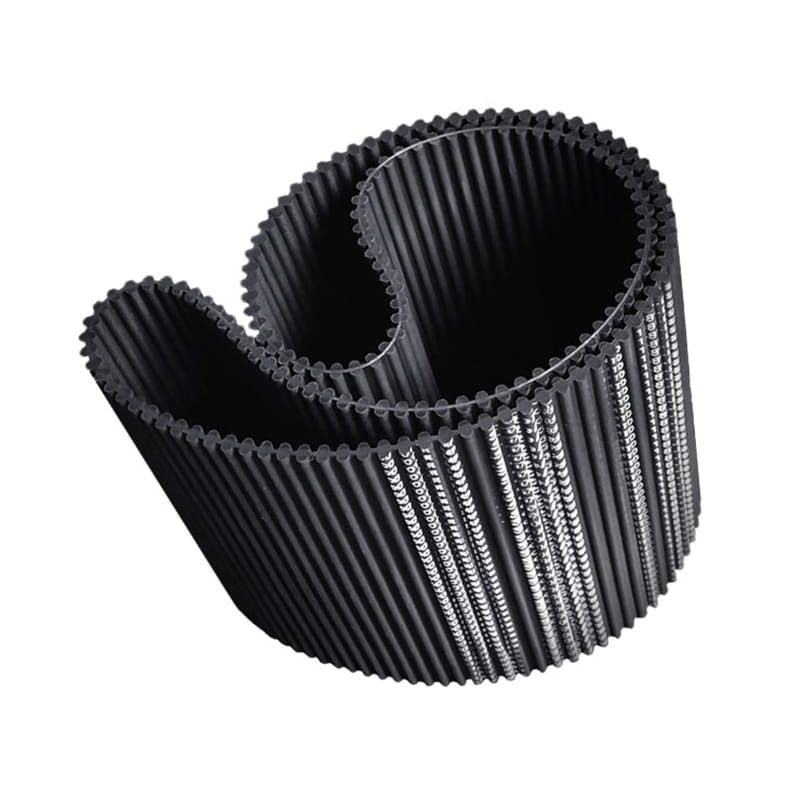
The Role of Belt Construction in Load Transmission
Beyond the visible tooth pattern, the internal construction of a rubber timing belt plays an equally important role in how effectively it transmits rotational force while maintaining its shape and tooth alignment under load.
Key Internal Components
| Component |
Function |
| Tensile cord layer |
Provides strength and resists stretching along the belt's length |
| Rubber tooth compound |
Forms the molded teeth that engage directly with pulley grooves |
| Fabric facing layer |
Reduces friction wear at the tooth contact surface during engagement |
The tensile cord layer, typically made from fiberglass or aramid fiber, runs the full length of the belt and is what allows the belt to resist stretching under tension, ensuring tooth spacing remains consistent and accurate throughout the belt's operational life.
How Belt Tension Affects Working Performance
Proper tension is essential to how effectively a timing belt performs its core function, since both insufficient and excessive tension interfere with the precise tooth engagement the belt depends on.
Effects of Improper Tension on Function
- Insufficient tension allows teeth to partially disengage under load, causing skipping or timing inaccuracies
- Excessive tension increases stress on both the belt's tensile cords and the bearings supporting the pulley shafts
- Properly balanced tension allows full, consistent tooth engagement without introducing unnecessary mechanical stress
This is why installation guidelines specify a precise tension range measured through belt deflection testing, ensuring the working principle of positive tooth engagement functions as intended throughout the system's operating cycle.
Why Timing Belts Avoid the Slip Common in Friction Belts
Understanding why timing belts differ fundamentally from friction-based flat or V-belts helps clarify why they are specifically selected for applications requiring precise rotational synchronization.
Friction Belt Versus Timing Belt Comparison
Flat and V-belts rely entirely on friction between the belt surface and pulley to transmit rotational force, meaning any variation in load, surface condition, or belt wear can introduce slippage that gradually throws off timing between connected components, a risk that toothed timing belts largely eliminate through their positive mechanical tooth engagement.
Why This Matters for Precision Applications
In applications such as an engine's camshaft drive, even minor timing drift caused by belt slippage can significantly affect engine performance, which is precisely why timing belts remain the standard choice over friction belt alternatives in these precision-critical mechanical systems.
How Pulley Design Complements Belt Function
The timing belt's working principle depends equally on properly designed pulleys, since the groove profile machined into each pulley must precisely match the belt's tooth pitch and profile for correct engagement.
Matching Tooth Pitch to Pulley Grooves
- Pulley groove spacing must correspond exactly to the belt's tooth pitch to allow smooth, consistent engagement
- Groove depth and profile shape affect how completely each belt tooth seats within the pulley during rotation
- Mismatched pulley and belt specifications can cause premature wear, noise, or reduced timing accuracy over time
This close coordination between belt and pulley design is why replacement Rubber Timing Belts should always match the original manufacturer's specified pitch and width, rather than substituting a similar-looking belt that may not engage the existing pulley grooves correctly.
How the Belt Handles Continuous Rotational Cycling
During operation, a timing belt continuously cycles around its pulley system, and understanding how the material withstands this repeated flexing helps explain the belt's practical working lifespan.
Flexing and Material Fatigue Over Time
Each time the belt wraps around a pulley, the rubber compound and internal tensile cords experience a small amount of flex, and while modern rubber compounds are engineered to withstand millions of these flex cycles, this repeated stress is ultimately what leads to gradual material fatigue and eventual belt replacement need.
Why Tooth Shape Reduces Stress Concentration
Modern timing belt tooth profiles, particularly curved or involute-style designs, are engineered to distribute this cyclical stress more evenly across the tooth base compared to older trapezoidal tooth shapes, improving overall belt durability under continuous operational cycling.
Applications That Rely on This Working Principle
Understanding how timing belts function explains why they are specifically chosen across a range of applications requiring precise, slip-free rotational synchronization between connected components.
Common Applications
Automotive camshaft and crankshaft synchronization, industrial packaging equipment requiring precise indexing, and CNC machine axis drives all depend on the timing belt's positive tooth engagement principle to maintain the exact rotational relationship these systems require for correct operation.
Who Should Understand This Working Principle
Mechanical engineers, maintenance technicians, and equipment designers specifying belt-driven systems benefit from understanding how timing belts achieve synchronized, slip-free motion transfer, since this knowledge directly informs proper belt selection, tension setting, and pulley pairing decisions. This understanding is particularly valuable when troubleshooting timing-related performance issues, since recognizing how tooth engagement and tension work together often points directly to the root cause of unexpected system behavior.



 中文简体
中文简体