When a maintenance engineer orders vulcanized rubber tape, the carton that arrives can hold any of three very different products: a cured EPDM strip for sealing, an uncured splicing gum that cures inside a belt joint, or a self-amalgamating tape that fuses to itself under tension. On a shelf they look almost identical. On a machine they behave nothing alike.
The fastest way to avoid a wrong purchase is to decide first what the tape has to do: cure in place, stay flexible without curing, or form a finished rubber barrier. Thickness, hardness, cure temperature and shelf life all follow from that single decision.
What Vulcanized Rubber Tape Actually Is
Vulcanization is a process, not a material. Rubber compound is heated with sulfur or a peroxide, and the polymer chains cross-link into a three-dimensional network. The result recovers its shape after stretching, resists permanent deformation and stops flowing at service temperature.
Tape made from that compound reaches buyers in two commercial states. Cured tape is already vulcanized, so the cross-links are in place, the strip holds its thickness and it can be cut, wrapped or bonded immediately. Uncured tape, usually called splicing gum or tie gum, arrives as a soft, tacky compound that still flows. It becomes rubber only after the user applies heat and pressure, typically inside a belt press or a vulcanizing clamp.
That distinction explains most field failures. A belt splice that calls for uncured gum will not hold if a cured strip is substituted, because a cured strip cannot flow into the surface profile and cross-link with the belt body. It sits on top of the joint and lifts at the edges within a few shifts.
Cured and Uncured Tape Compared
Cured and uncured vulcanized rubber tape compared by delivery state, bonding method, cure conditions and typical use.
| Property |
Cured tape |
Uncured splicing gum |
| State on delivery |
Cross-linked, dry and dimensionally stable |
Soft, tacky, flows under pressure |
| How it bonds |
Adhesive, clamping or mechanical fastening |
Cross-links with the substrate during cure |
| Cure conditions |
None required |
Usually 140 to 160 C with 1 to 2 bar pressure |
| Typical use |
Sealing, wrapping, insulation, lining patches |
Conveyor belt splices, edge repair, joint filling |
| Shelf life |
2 to 5 years stored cool and dark |
3 to 6 months, shortened sharply by heat |
| Handling |
Can be stretched, cut and repositioned |
Must stay clean and must not be pre-stretched |
| Common failure |
Lifting edges where the surface is oily |
Blisters and voids when pressure or time is short |
Material Choice Matters More Than the Word Vulcanized
Two tapes can both be sold as vulcanized rubber and still behave differently, because the process says nothing about the polymer underneath. The base rubber decides heat resistance, oil resistance and weathering.
- Natural rubber: high elasticity and tear strength, moderate heat resistance, a common base for splicing gum.
- EPDM: excellent ozone, water and weather resistance, comfortable from about minus 40 C to 120 C, but poor in mineral oil.
- NBR: the oil and fuel choice for gearbox areas, hydraulic rooms and machine shops.
- Neoprene: balanced weather, oil and flame behaviour for outdoor and general industrial sealing.
- Silicone: roughly minus 60 C to 200 C, chemically inert, often specified where high heat or food contact is involved.
A practical example makes the point. An EPDM tape fitted beside an oily take-up pulley swells and loses strength within weeks, while an NBR tape in the same position lasts years. No amount of careful installation compensates for the wrong polymer.
Where Vulcanized Rubber Tape Is Used
- Conveyor belt splicing and emergency repair in the field
- Cable jointing, harness wrapping and electrical insulation
- Pipe, tank and chute corrosion protection
- Rubber lining repair in hoppers, mixers and slurry lines
- Roller covering and surface build-up on worn rollers
- Gasket cutting and shimming where a soft rubber layer is needed
- Belt edge protection on high speed packaging and printing lines
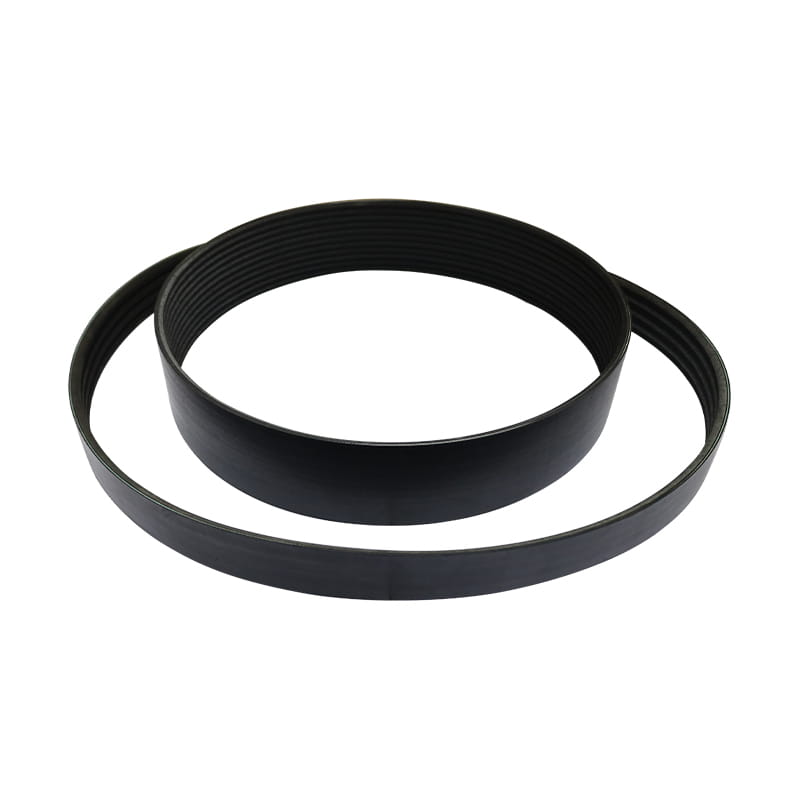
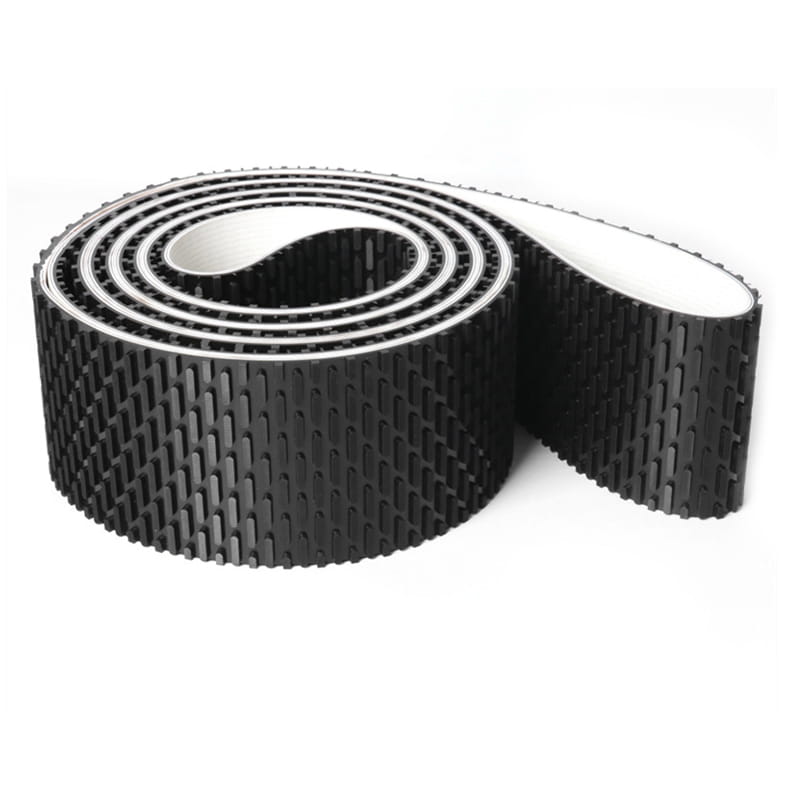
In most of these jobs the tape is a strip of cured rubber that protects or seals, and the quality question is simply whether it stays bonded. In tanks, chutes and hoppers the tape is often a temporary fix. The permanent version is a factory-bonded rubber skin, such as a coated rubber belt or a lined panel, where the rubber layer is vulcanized directly onto the substrate and cannot be peeled off by a scraper or a slurry stream.
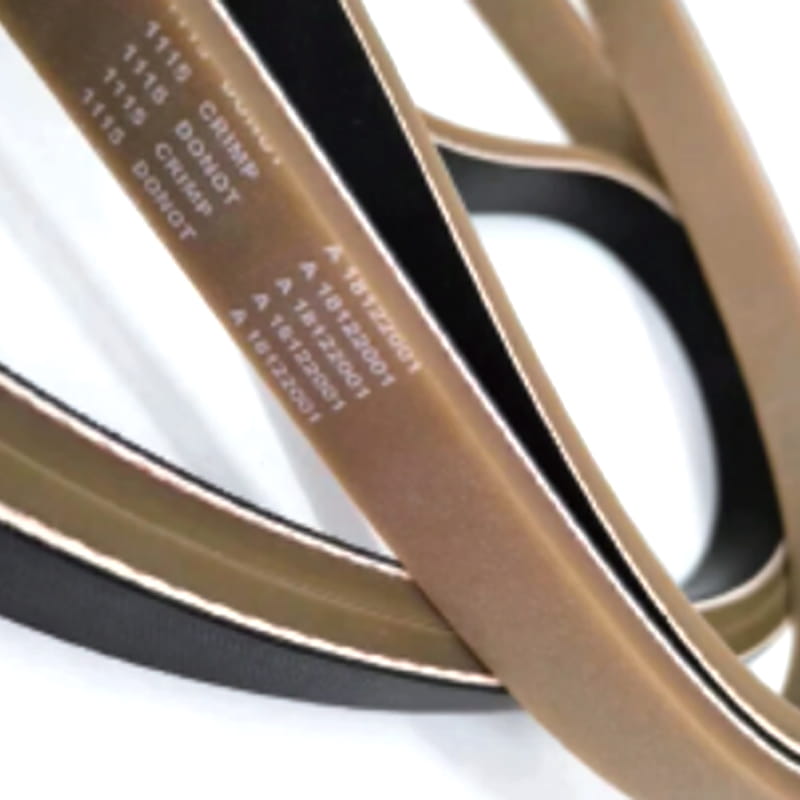 Coated Rubber BeltProducts RecommendedView Product →
Vulcanized Rubber Tape in Belt Splicing
Splicing is where uncured tape earns its place. A step splice opens the belt carcass, ply by ply, into a staircase. The gap is filled with uncured gum, the plies are laid back down, and the joint is pressed and heated until the gum cross-links with the surrounding rubber. Finger splices work the same way on thinner belts, using interlocking fingers instead of steps.
Hot Splice or Cold Bond
A hot splice typically runs at 145 to 155 C with 1.5 to 2 bar of pressure, and the dwell time is roughly one minute per millimetre of belt thickness plus ramp time. A 10 mm belt therefore needs about 12 to 15 minutes at temperature, not the three or four minutes an impatient crew sometimes allows. A cold bond uses a two-part adhesive instead, reaching handling strength in about 30 minutes and full strength in 24 hours. Cold bonds are convenient, but they rely on adhesion rather than a continuous rubber network.
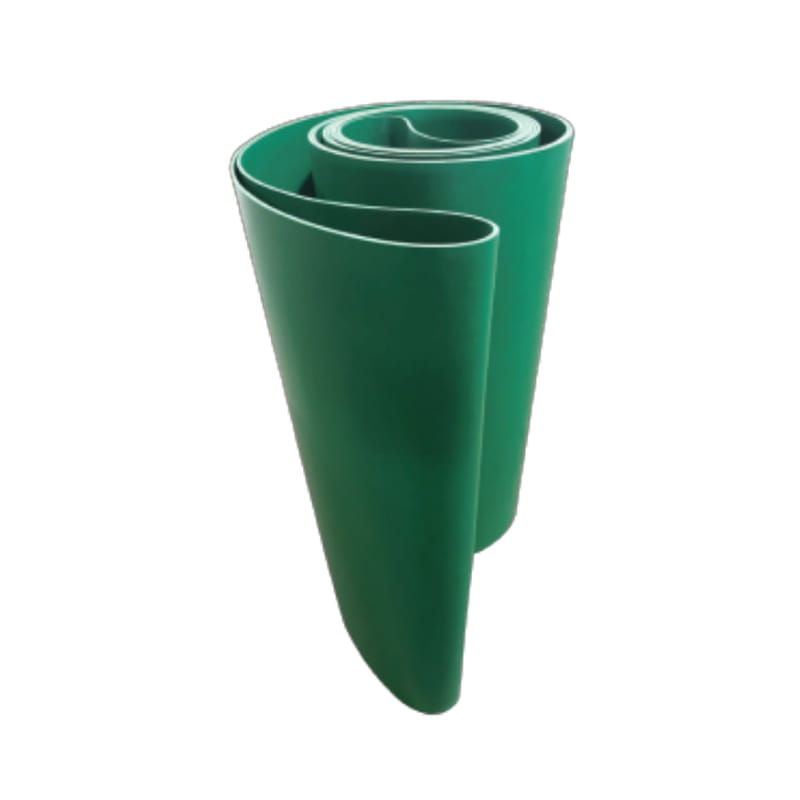 Rubber Conveyor BeltProducts RecommendedView Product →
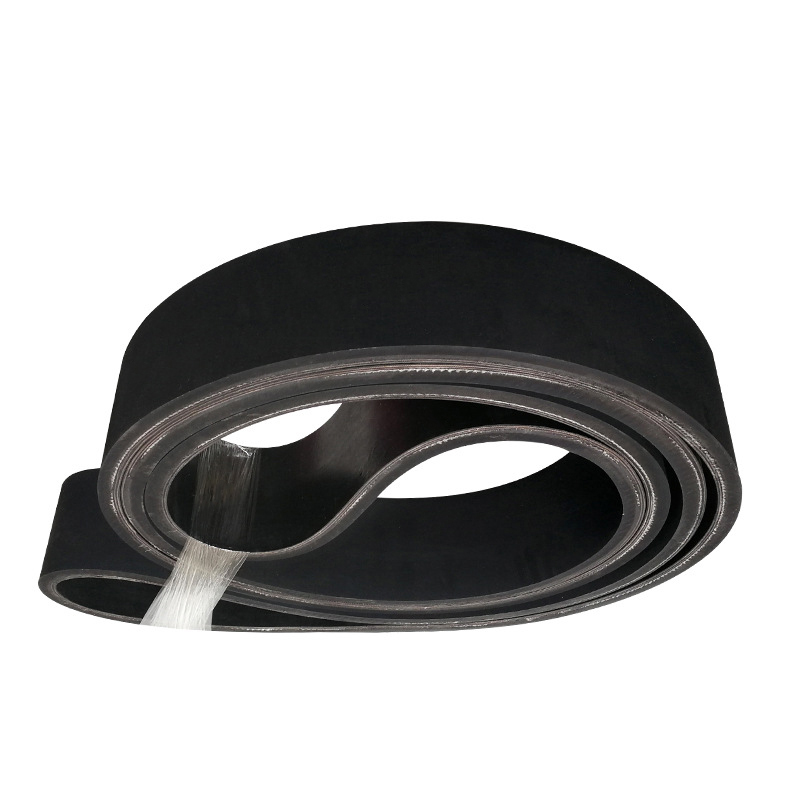
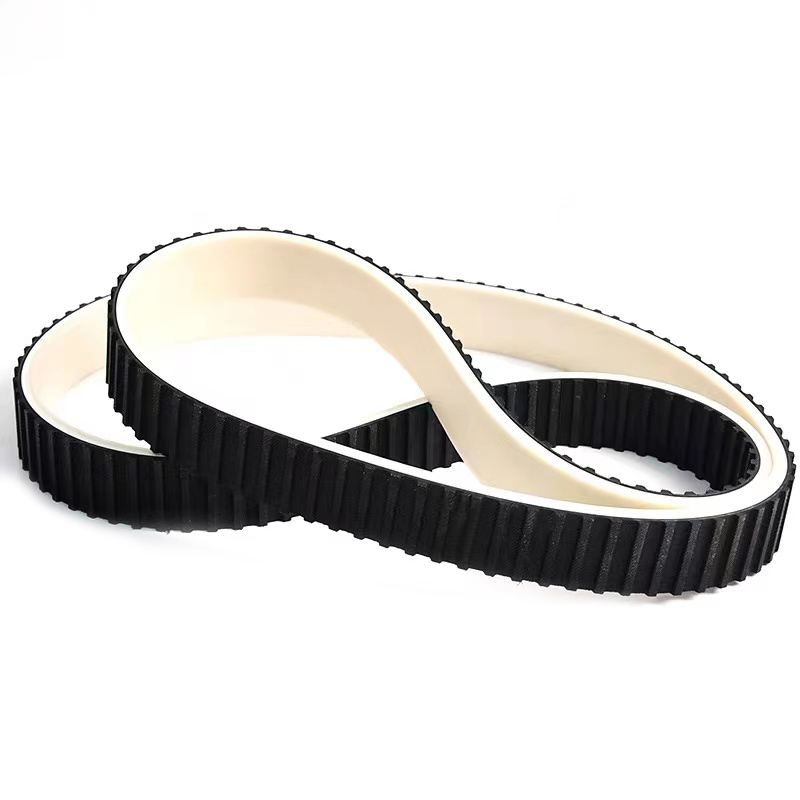
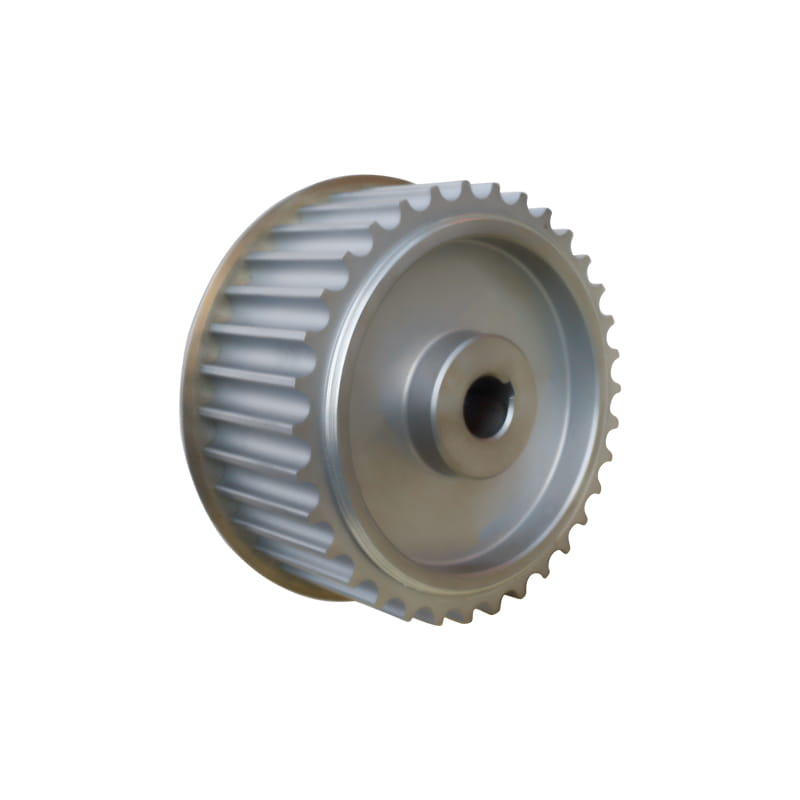
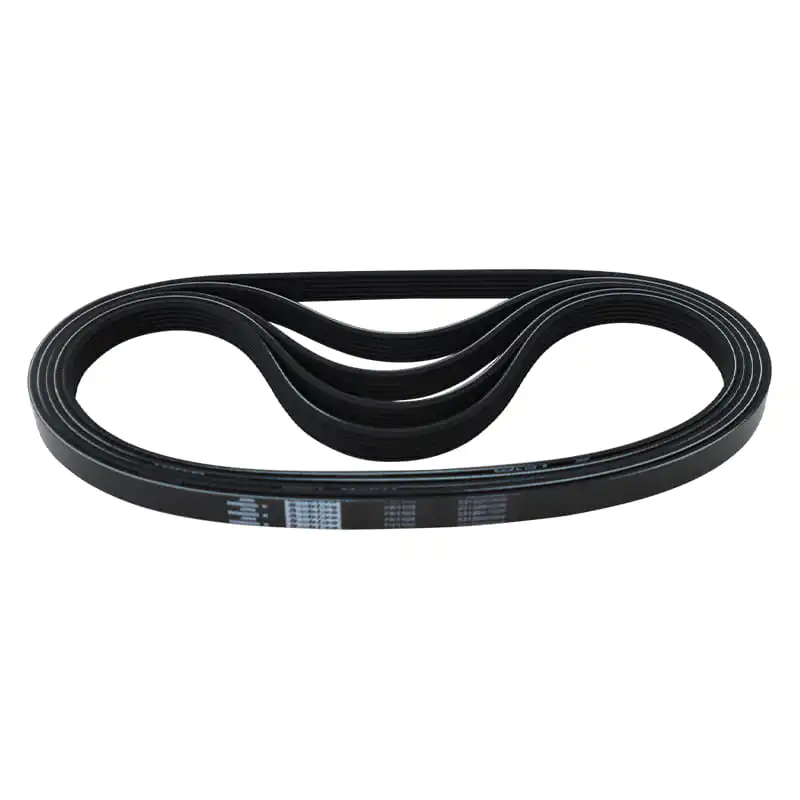
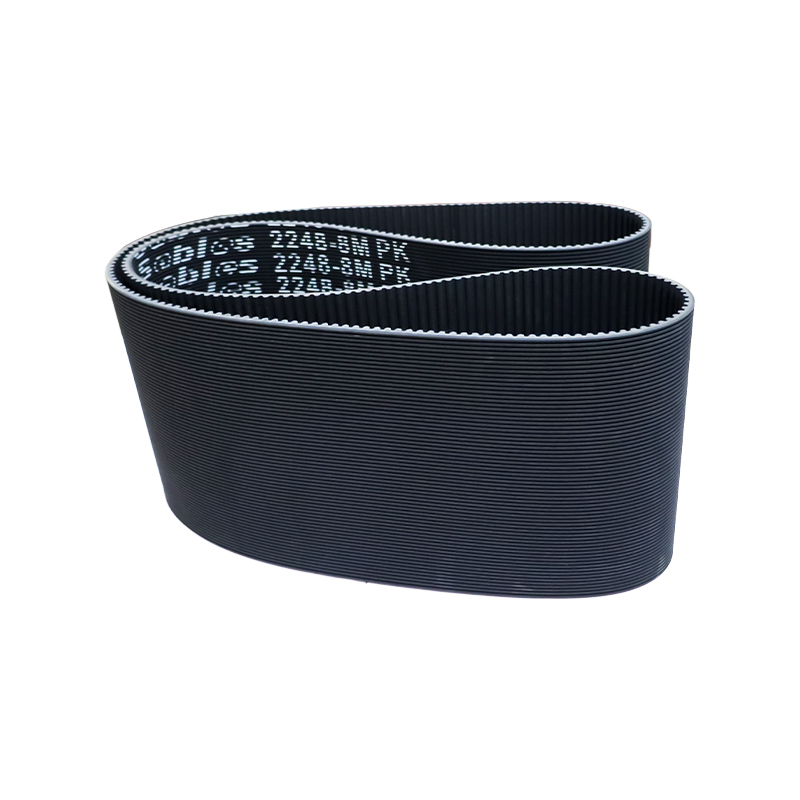
The same cure discipline applies to the belt itself. Rubber belts under continuous load can stretch or deform when heat, tension and misalignment are allowed to accumulate. Tape repairs hold only if the belt underneath is still dimensionally stable and the pulley alignment has been corrected. The principle applies equally to rubber synchronous belts, where a joint or a patch that changes the tooth profile will damage the pulley within days.
Specifications to Confirm Before Ordering
Typical specification ranges for vulcanized rubber tape and the reason each value matters in service.
| Parameter |
Typical range |
Why it matters |
| Thickness |
0.5 to 5 mm, often plus or minus 0.1 mm |
Joint thickness and clearance inside the press |
| Width |
10 to 500 mm |
Coverage per pass and waste at the edges |
| Hardness |
40 to 80 Shore A |
How far the tape conforms to a rough surface |
| Tensile strength |
5 to 25 MPa |
Resistance to tearing during tensioning |
| Elongation at break |
200 to 600 percent |
Ability to follow a curved or flexing joint |
| Service temperature |
minus 60 to 200 C depending on polymer |
Seal life on hot or chilled lines |
| Dielectric strength |
15 to 25 kV per mm |
Insulation value in cable and switchgear work |
| Cure schedule |
140 to 160 C for 5 to 15 minutes |
Final strength of a hot splice |
| Shelf life |
3 to 6 months uncured, 2 to 5 years cured |
Stock planning and scrap control |
Selection Checklist
- Confirm whether the joint must cure and cross-link, or only seal.
- Match the polymer to the fluid, the temperature and the ozone exposure.
- Measure the joint depth before choosing thickness, not after.
- Ask for the cure schedule in writing, including pressure and dwell time.
- Check the shelf life date, not only the batch number.
- Request tensile strength and hardness figures on the certificate rather than a grade name alone.
- Buy one short length and run a test splice before committing to a full roll.
Storage and Handling
- Keep uncured gum between 5 and 25 C, in its original wrap, away from sunlight, ozone sources and electric motors.
- Never stack heavy rolls on top of uncured tape; it cold-flows and deforms out of tolerance.
- Clean the substrate with a solvent-free cleaner. Solvent residue blocks cross-linking and causes blisters.
- Cut with a sharp blade. Ragged edges trap air and create voids in the finished joint.
- Store cured tape flat and out of direct sun. It keeps far longer than gum, but it still hardens with age.
Tape is a small line item on a long parts list, and it is rarely the reason a project stops. It is, however, a frequent reason a belt fails three weeks after a repair, which is why the specification deserves the same attention as the belt itself.
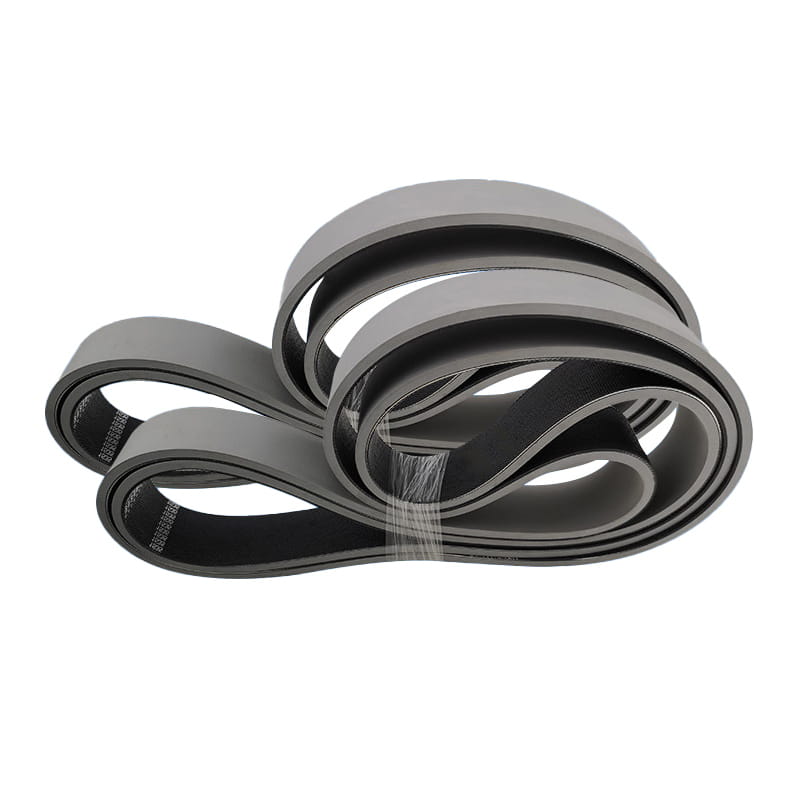
For buyers who work across several machine types, it helps to source tape and belts from a supplier that also understands the hardware it sits on. A manufacturer that produces rubber synchronous belts, flat belts, conveyor belts, ribbed belts, sander belts, V belts, silicone belts and matching pulleys will normally publish hardness, tensile and cure data for the rubber compounds it uses, along with test reports and factory documentation. Custom work is part of that picture: long-pitch molds up to 8600 mm, non-standard widths, and purpose-built items such as belts for cutting, shelling or fish processing lines where a standard catalogue number does not exist. When the tape and the belt come from the same technical source, the cure schedule, the hardness and the polymer type stay consistent from the first sample to the tenth reorder, and the repair lasts as long as it should.
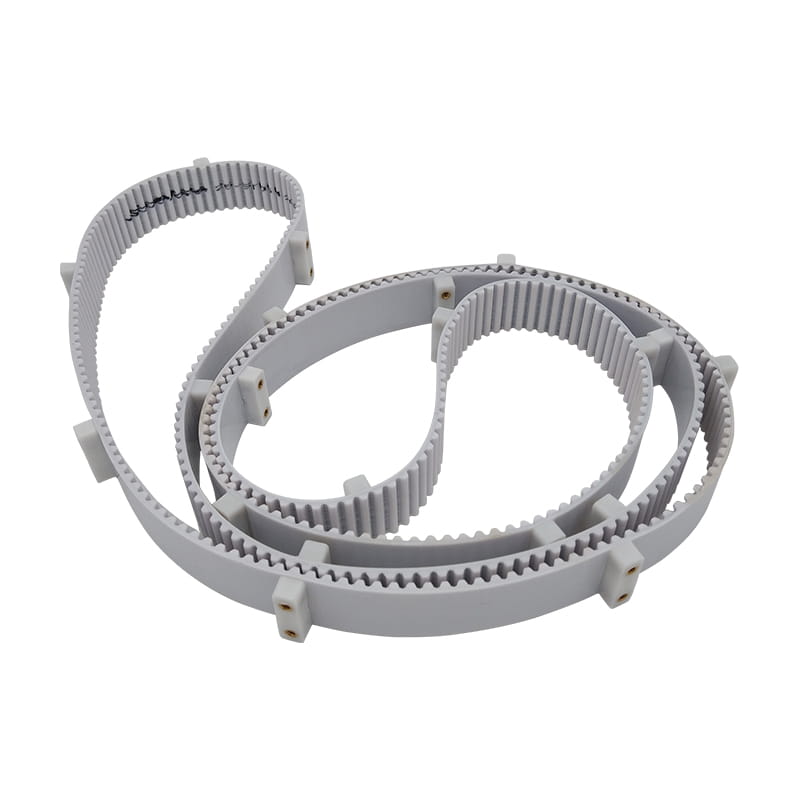 Special Processing BeltProducts RecommendedView Product →



 中文简体
中文简体