A packaging machine that wears out an idler pulley every three months almost never has a shell problem; it has a bearing problem. Across conveyor lines, printing presses and textile frames, the small bearing set inside a bearing pulley decides how long the assembly survives, how quiet it runs and how reliably the belt keeps its tension. Choose the bearing correctly and the pulley becomes a fit-and-forget component; choose poorly and the same teardown repeats every quarter. This guide explains how bearing pulleys work, which bearing types hold up best, what early failure looks like, and how to match the pulley to the belt it guides.
What a Bearing Pulley Is and Why the Bearing Decides Everything
A bearing pulley is a wheel that carries a rolling-element bearing in its hub, so the shell spins freely on a fixed shaft while the belt rides on the outer face. In a typical drive you will meet them as idlers that increase wrap around the driver, tensioners that keep the slack side taut, snub rollers that redirect the belt path, and guide or return rollers inside conveyor frames. Two separate friction systems share one part: the contact between belt and pulley face, and the rolling contact inside the bearing raceways. In practice the shell outlasts the bearing, because bearing life is consumed by load cycles, grease degradation and contamination rather than by belt contact alone. That is why experienced buyers specify the bearing grade, seal type and fit tolerance first, then confirm shell diameter, crown and surface finish afterwards.
Bearing Types You Will Find Inside Pulleys
Deep groove ball bearings dominate pulley duty because they carry combined radial and light axial load at high speed for modest cost. When axial loads grow, as in spring-loaded tensioners, angular contact designs take over. Heavy conveyor head and take-up pulleys step up to tapered roller bearings, while compact guide rollers may use needle rollers where radial space is tight. The table below compares the families you are most likely to meet when buying pulleys for belt systems.
Common bearing families used inside pulleys and the duties each one suits best.
Bearing type
Load capability
Speed capability
Typical pulley role
Deep groove ball, rubber sealed (2RS)
Moderate radial plus light axial
High
Idlers and tensioners on timing, flat and ribbed belt drives
Deep groove ball, metal shield (ZZ)
Moderate radial plus light axial
Very high
High-speed guide pulleys in clean indoor machinery
Angular contact ball
High axial with moderate radial
High
Spring-loaded tensioner and idler pulleys
Tapered roller
Heavy combined loads
Moderate
Conveyor head, tail and take-up pulleys
Needle roller
High radial in narrow space
Moderate
Compact guide rollers with tight radial space
Why Pulley Bearings Fail Early
Teardown reports keep pointing at the same short list of culprits. Contaminated or washed-out grease leads, followed by misalignment that loads one edge of the raceway, overload beyond the dynamic rating, and installation damage from press-fit shock or hammer blows on ring faces. The chart below shows how premature failures typically distribute across these root causes in mixed industrial fleets.
The ranking in this chart matches what maintenance crews find when they cut failed pulleys open. Contamination leads because a single grain of dust or fiber that passes a worn seal starts indenting the raceways, and each indentation then spalls into more debris. Lubrication failures come next, since grease thins at high temperature and bleeds out, leaving metal contact that shows up as a dry growl. Misalignment is quieter but just as costly, because a tilted pulley loads the bearing on one side and polishes an uneven band onto the belt. Note that installation-related causes together account for roughly one failure in four, which is why torque specs and proper press tools matter more than most buyers assume.
Five Symptoms That Call for Replacement
A coarse growl or grinding that rises with shaft speed, easy to tell apart from normal belt hiss
Housing temperature that settles more than about 20 degrees C above ambient once the line is warm
Visible wobble at the pulley rim when the machine is barred over slowly
Fine black debris dusting the frame under an idler that previously ran clean
Glazing or flat spotting on the belt surface where a dragging pulley has been slipping
Treat any one of these as a scheduled replacement trigger; waiting for seizure usually costs the belt, the shaft and the production window at the same time.
How to Choose a Bearing Pulley for Your Duty
Start With Load and Speed
Multiply the belt tension the pulley must react by a service factor for starts, stops and shock, then compare the result with the bearing dynamic load rating at the design speed. A widely used target is an L10 life of 20,000 to 40,000 hours for idlers on continuous lines, which keeps replacements aligned with planned maintenance windows. Speed matters in the other direction as well: the faster a pulley spins, the more seal friction and grease shear heat the bearing, so very high-speed guide pulleys usually move from contact seals to metal shields.
Sealing Decides Service Life
Sealing choice often swings life expectancy more than brand or price. An open bearing runs cool but demands relubrication and clean air; metal shields hold grease in but breathe dust; rubber contact seals in the 2RS style block contamination at a small friction penalty; and factory grease packs sealed for life remove an entire task from the maintenance schedule.
Typical service life of the same pulley by bearing configuration
8,000 h
15,000 h
24,000 h
30,000 h
OpenShielded ZZSealed 2RSSealed plus grease pack
The columns compare published and field-observed life ranges for identical pulley shells fitted with different bearing configurations under the same light contamination. The gap between an open bearing and a modern sealed-and-greased bearing is typically two to four times in dusty plants. Rubber contact seals cost a little running torque, which is why ultra-high-speed spindles still prefer shields, but idler pulleys rarely spin fast enough for that penalty to matter. Factory-applied grease packs also standardize the fill volume, removing the risk of both underfilling and overpacking. Convert the extra seal cost into avoided teardowns and the sealed option usually pays for itself within the first avoided stoppage.
Sealed Precision Versus Basic Construction
Not every catalog pulley is equal even at the same outer diameter and width. The radar chart below compares a sealed precision bearing assembly against a basic unsealed construction across six attributes that buyers actually feel in operation.
Sealed precision bearing pulley versus basic unsealed pulley (0 to 10 scale)
Sealed precision assemblyBasic unsealed construction
Read the orange polygon as the sealed precision assembly and the gray one as the basic unsealed part. The sealed assembly stretches furthest on contamination resistance, maintenance interval and service life, the three axes that decide how often you stop the line for bearings. The basic part keeps a clear lead only on cost efficiency, and that lead holds up mainly in clean, dry, lightly loaded duty. Running accuracy favors the sealed unit because controlled preload and factory grease keep the rolling elements stable under speed changes. In a dusty or fibrous environment, the two short gray spikes at the top and bottom of the chart are exactly where unplanned downtime will originate.
Matching the Pulley to the Belt It Guides
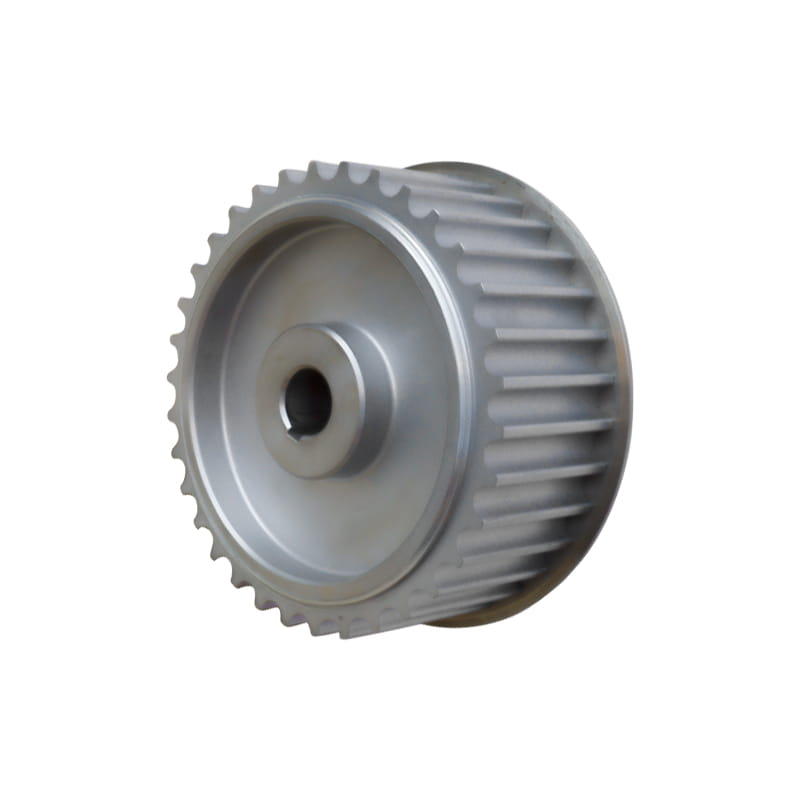
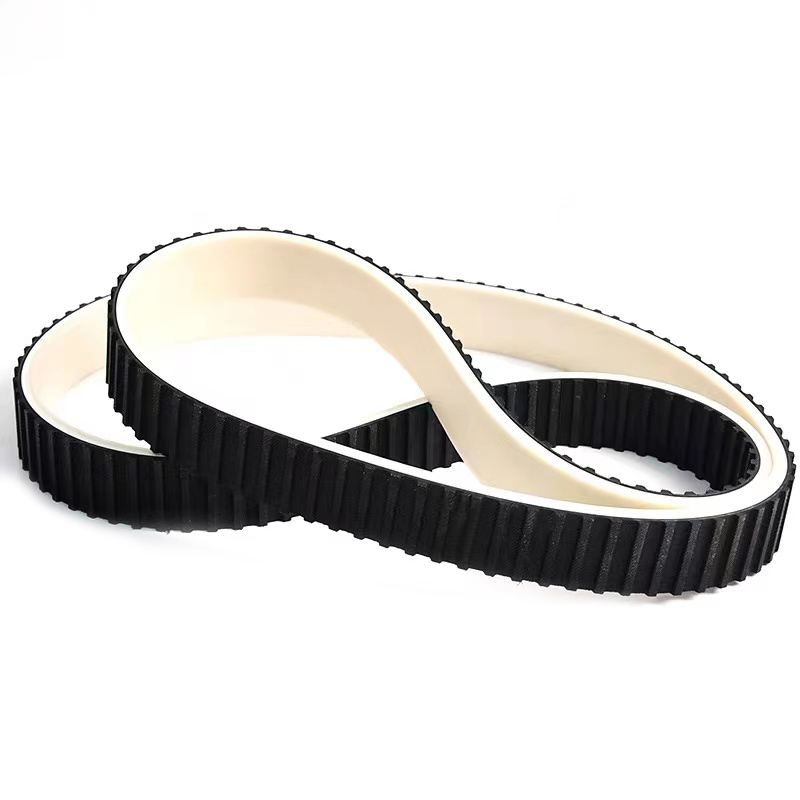
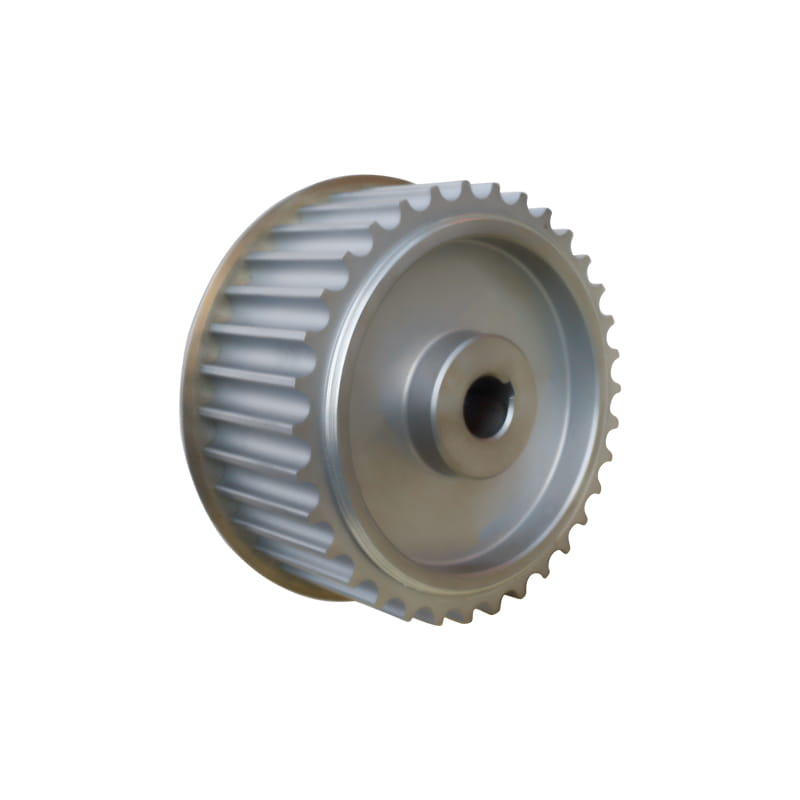
A pulley is only half of a matched pair. Timing belt idlers must never back-bend the belt below the minimum idler diameter allowed for that pitch, and on highly tensioned spans the idler should ride the belt back rather than the tooth side. Flat belt idlers need crowned faces so the belt tracks to center, while conveyor snub rollers need enough diameter to keep carcass flexing within limits. The reliable order of operations is to start from the belt pitch and work outward, and the published synchronous belt drive design guidelines from experienced belt makers list minimum idler diameters for each pitch. When the driver side needs sourcing too, pair the belt with a properly machined synchronous pulley rather than a generic blank.
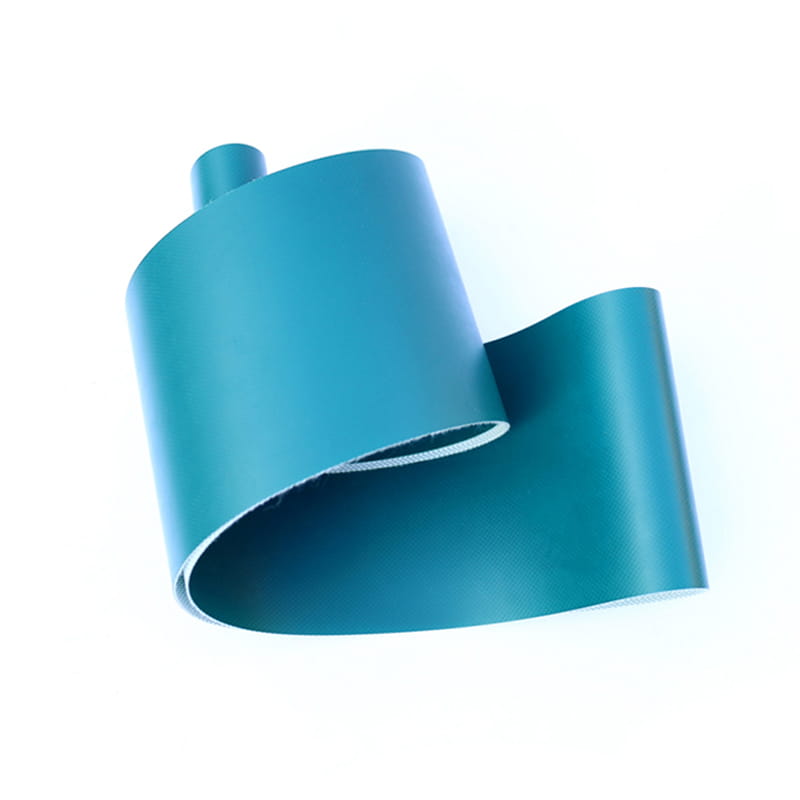
Conveyor and logistics frames concentrate the largest population of bearing pulleys anywhere in industry. Return rollers, snub rollers and take-up pulleys spin continuously under steady load, so sealed deep groove bearings are the default, and the belt they carry is usually a light-duty conveyor belt matched to product weight and loading style. Because these rollers are numerous and often hard to reach, sealing quality and factory grease packs pay for themselves here faster than in any other application.
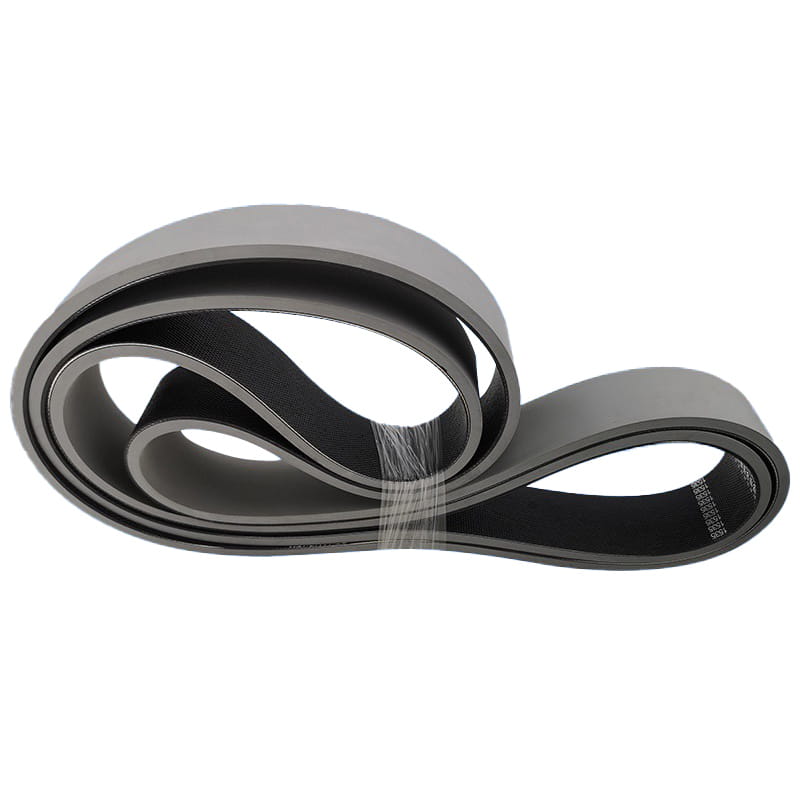
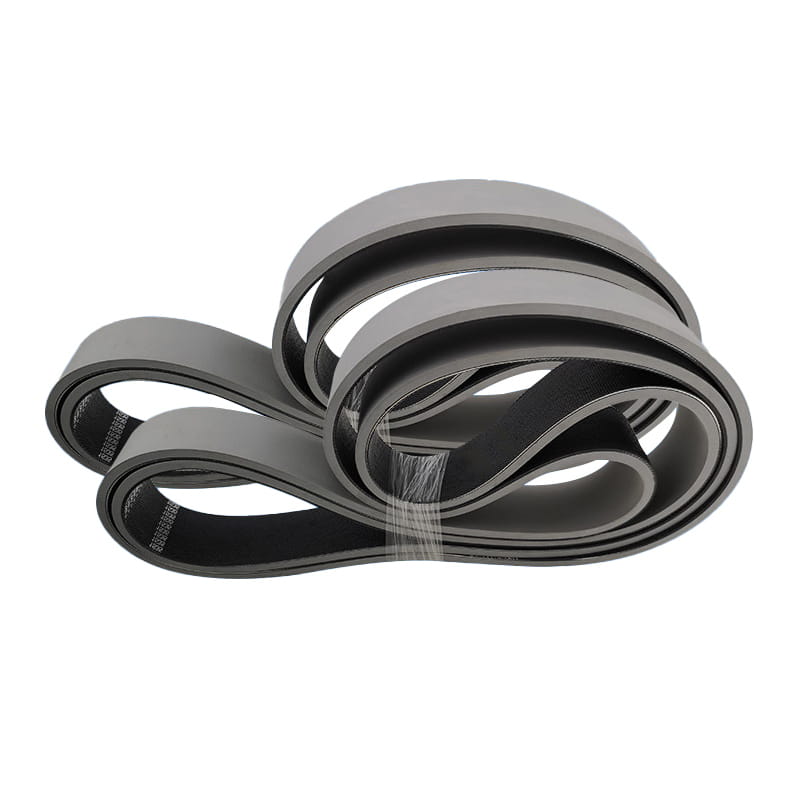
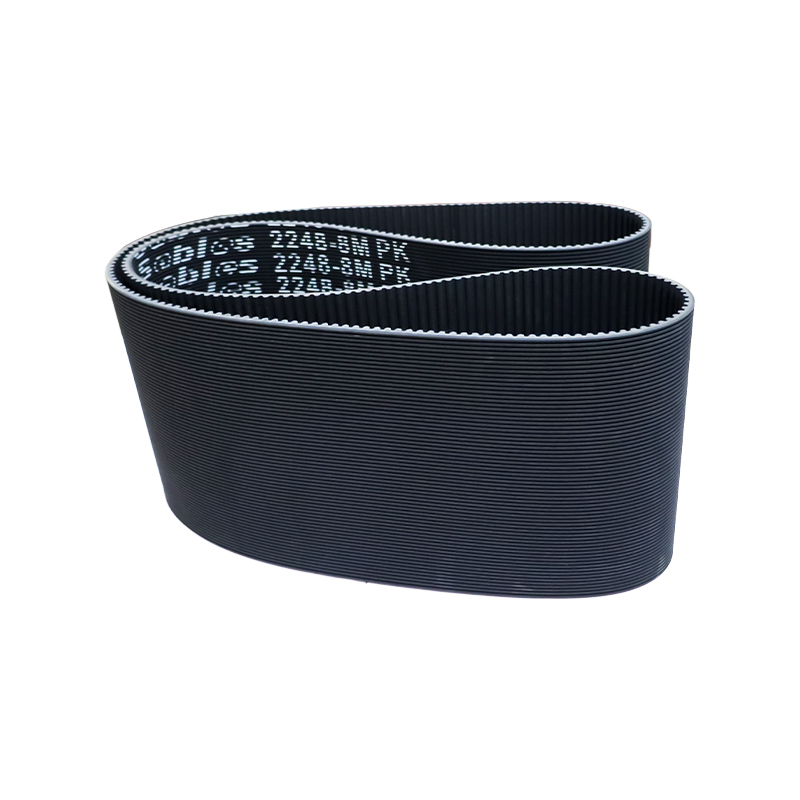
High-speed flat belt drives in printing, paper converting and packaging machines add one more demand: the idler must run true at speed or the belt wanders off line. Endless rubber flat belts pair naturally with crowned, bearing-mounted idlers because the jointless construction avoids the periodic pulse that a mechanical splice sends through the tensioner bearing. Sourcing consumables such as rubber timing belts and synchronous pulleys from the same specialist manufacturer also keeps tolerances matched across the whole drive.
Calendar-based replacement wastes good bearings and still misses failing ones. Monitoring temperature and noise costs less and works better, because a failing bearing announces itself weeks before seizure if anyone is measuring.
Housing temperature rise above ambient (degrees C) during a 500 hour wear test
Healthy sealed 2RS bearingBearing with degraded grease
The two curves show housing temperature rise above ambient recorded during a controlled 500 hour wear test on otherwise identical pulleys. The healthy sealed bearing settles near 20 degrees C above ambient and stays flat, which is the signature you want during routine thermography. The bearing with degraded grease climbs steadily as the lubricant film thins, passing 40 degrees above ambient around hour 300 and continuing upward from there. A practical alarm threshold for many plants is a rise of about 30 degrees above ambient, or a jump of 10 degrees over the previous reading on the same pulley. Trending temperature in this way gives weeks of warning before acoustic symptoms become obvious enough for operators to report.
A short routine keeps the pulley population healthy:
Listen at every guard-removal window and log which pulleys changed character since the last check
Thermograph idler housings quarterly and compare each reading with the same pulley's previous value
Verify alignment with a straightedge after every belt change, because even a small tilt loads one raceway edge
Replace the complete pulley assembly instead of pressing new bearings into a scored shell
Record running hours and failure mode for every replacement so the next purchase specification reflects real duty
Bearing pulleys are inexpensive parts that protect expensive machines. Specify the bearing before the shell, seal for the real environment, respect minimum idler diameters for the belt you run, and replace on measured evidence rather than on failure. Do those four things consistently and the quarterly teardown turns into an annual inspection.
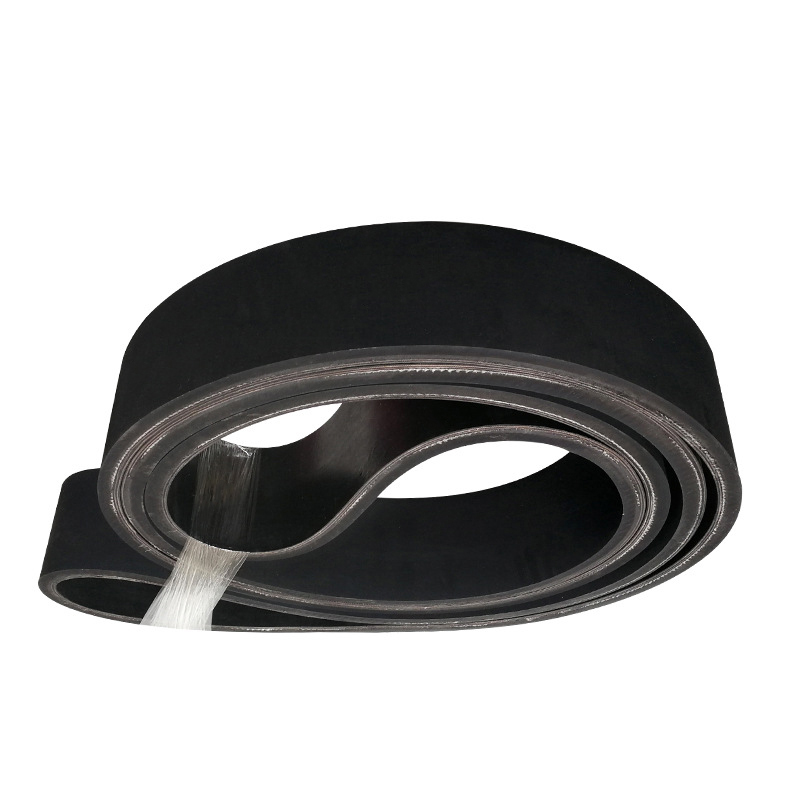
The conveyor belt is composed of surface adhesive, core, and layer glue. In addition, a layer of buffer cloth can be added to the use of high drop impact to make it more impact-resistant.
The surface adhesive
With natural rubber and synthetic rubber as raw materials and in order to enhance wear resistance, crack resistance, aging resistance, and other properties, the surface adhesive has various characteristics such as wear resistance, cutting resistance, heat resistance, flame resistance, cold resistance, acid and alkali resistance, oil resistance, static electricity resistance and so on. Cloth layer core
The cloth layer is composed of natural fiber or chemical fiber alone or a combination of the two, has the same quality after single-step treatment by a mature process, And has good adhesion with rubber. The adhesive layer
The adhesive layer is very important for the adhesive force between the layers of the core of the conveyor belt that is repeatedly flexed. Especially for high-tension conveyor belts, a layer of adhesive with less buckling stress and less fatigue due to internal stress must be used.
Specifications and models can be customized according to customer requirements, with a thickness ranging from 2.0 mm to 8.0 mm.
High-speed, smooth, and low-extension transmission and conveying systems, such as textile machinery, woodworking machinery, grinding machinery, ticket vending machines, vegetable cutting machines, etc. Characteristics: High speed and stability, high tensile strength, and low elongation.
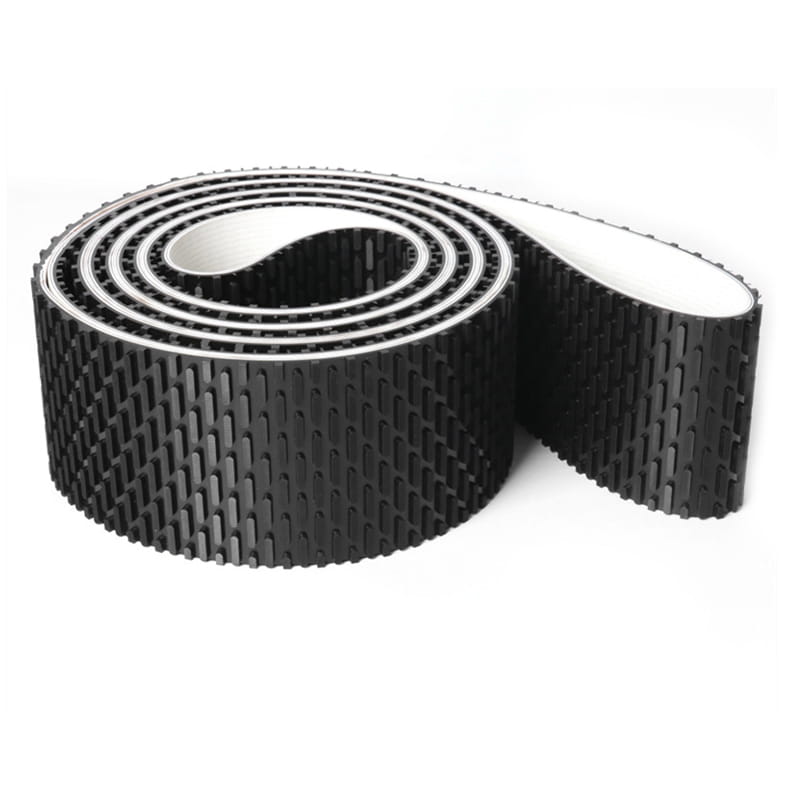
The seamless rubber band produced by woodworking machinery can be used for sanding, correcting, and trimming core materials, planing wood boards, laminated boards, plastic laminated boards, and other machines, and can help the surface to be perfectly machined and selected.
Its special technology lies in the manufacturing method and produces the required size jointless belt. We not only strictly control the quality, but also insist on using imported materials in order to make our sander belt have better performance.
All parts of thickness and strength are absolutely uniform.
It has a good linear operation.
High flexibility can be used for small wheel diameters.
It can maintain flatness and non-deformability under working pressure.
The friction coefficient between the bottom of the belt and the plate surface is very low.
Because the surface layer of the belt is covered with rubber, the adhesiveness is improved and the stability of the conveyor belt is improved.
Apply to each field of the synchronous-driven device system. Characteristics:
Ensure coordination with the belt, to enhance the accuracy and lifetime of the driven. According to customer requirements, customization optimum driven solution can divided into 45# steel, aluminium alloy, stainless steel, cast iron, nylon, etc, according to the material.
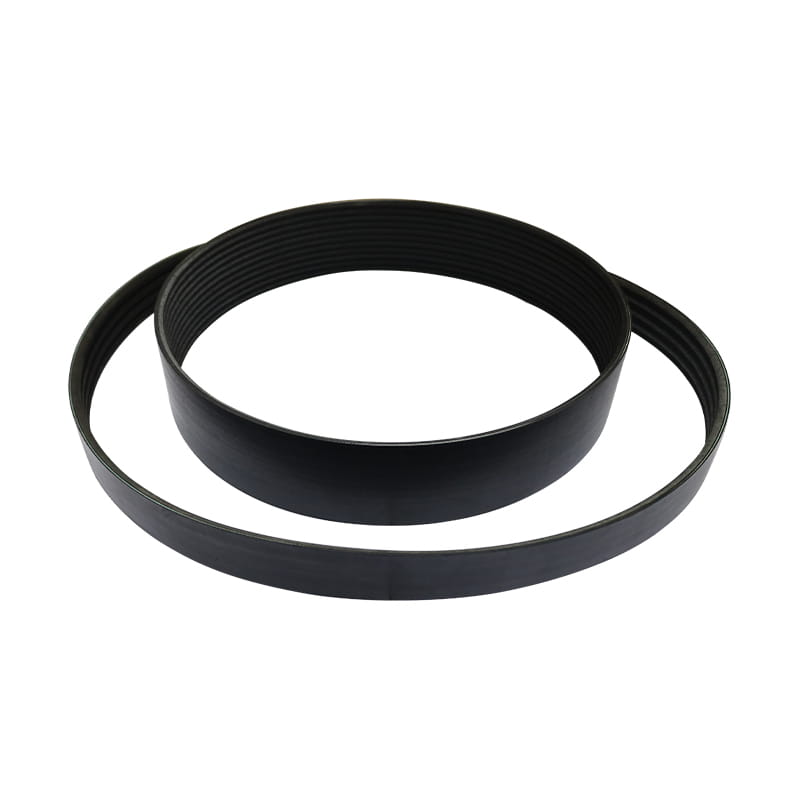
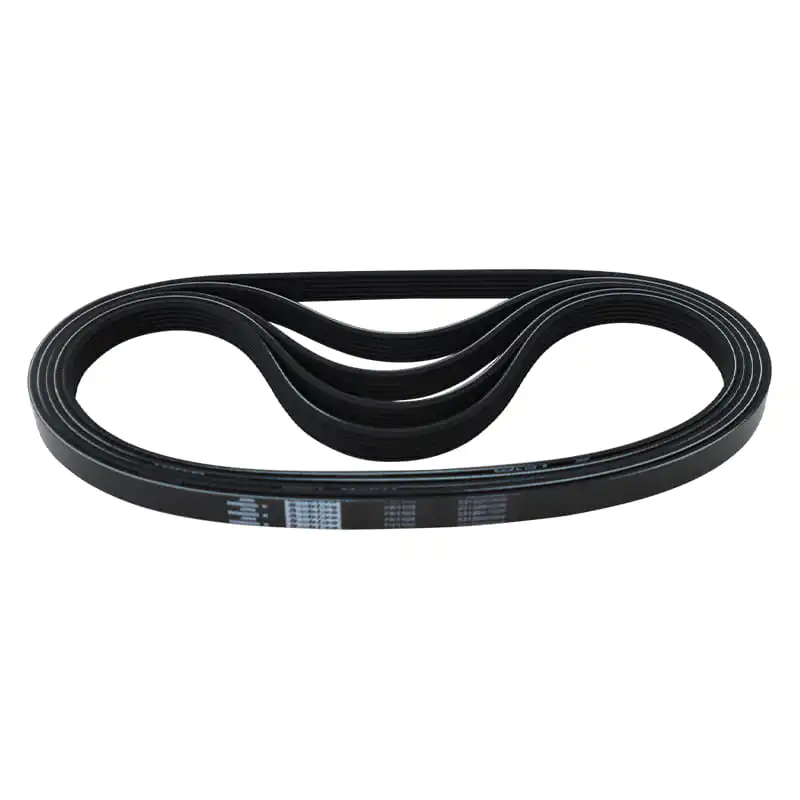
It is suitable for outdoor transmission equipment, transportation equipment, medical equipment, electric tools, household appliances, and sports equipment. Characteristics:
1. The transmission power of the ribbed belt is higher than that of an ordinary V-belt by 30 % when the space is the same.
2. The transmission system of the ribbed belt has a compact structure, and under the same transmission power, the space occupied by
the transmission device is 25 % smaller than that of the common V-belt.
3. The ribbed belt is thin and flexible and is suitable for transmission with a small pulley diameter and high-speed transmission, with belt
speed up to 40m/ s; Small vibration, less heat, and stable operation.
4. The ribbed belt is heat-resistant, oil-resistant, and wear-resistant, with small elongation and a long service life.



 中文简体
中文简体