What Core Performance Indicators Define Suitable High-Tension Trapezoid Belts?
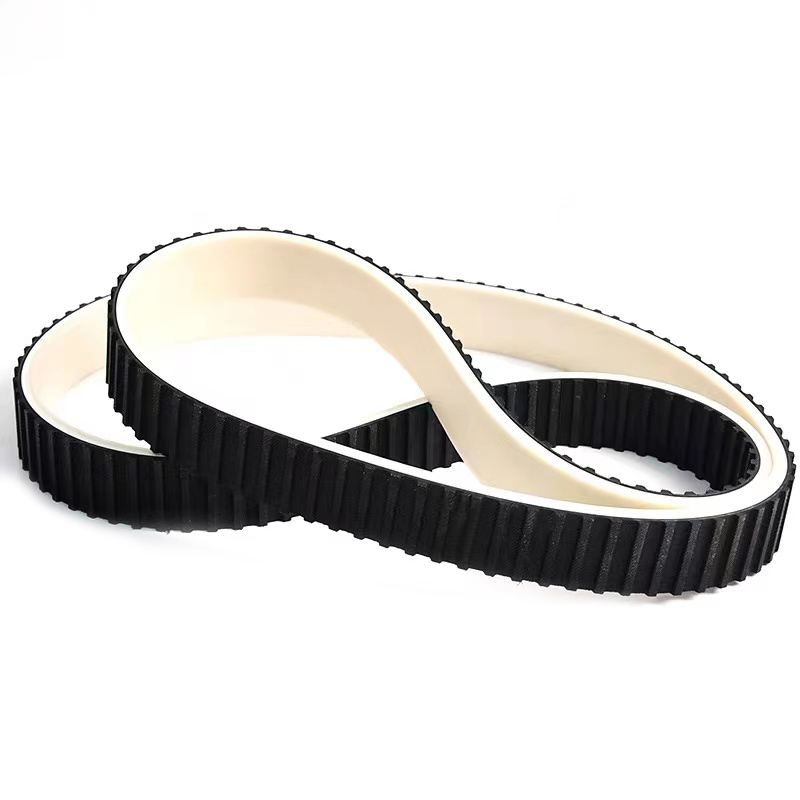
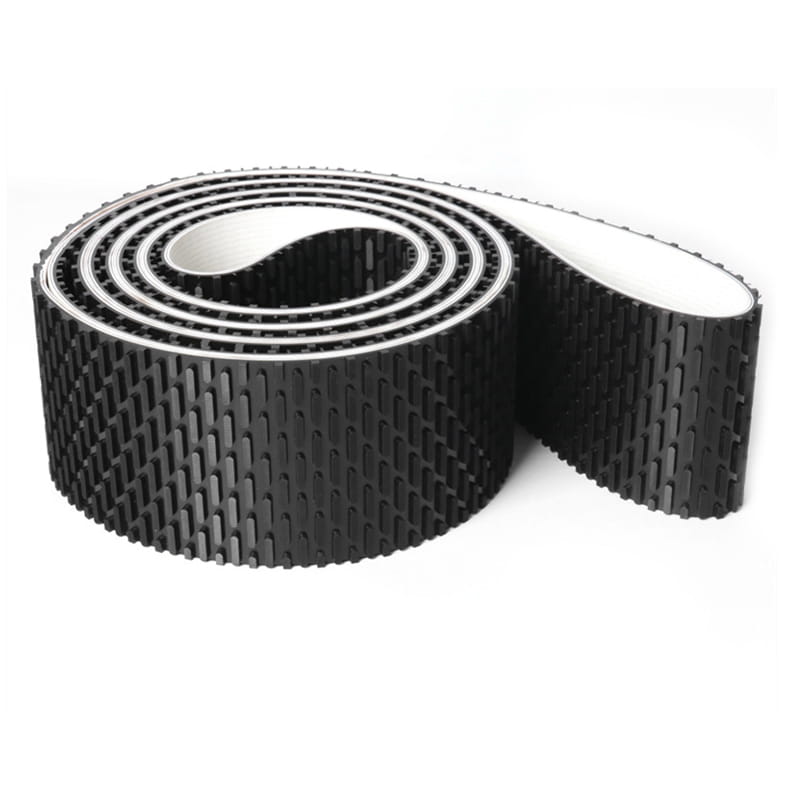
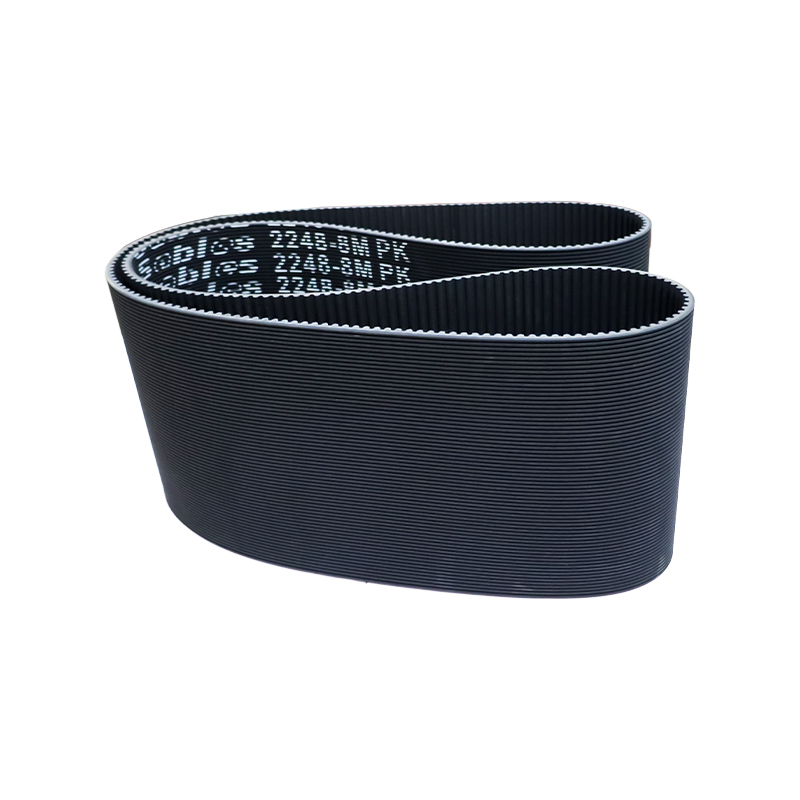
High-tension trapezoid belts for industrial conveyors must meet dual requirements of tensile strength and transmission stability. The tensile cord is the core component determining load-bearing capacity, with helically wound high-strength fiberglass cords being the preferred choice for their excellent dimensional stability and resistance to fatigue under heavy torque loads. This design eliminates the need for frequent tension adjustments even in long-term operation. The belt's tooth structure is equally critical—precision-formed trapezoidal teeth ensure full surface contact with pulleys, while a low-friction woven nylon facing reduces wear and minimizes vibration during transmission. For standard industrial scenarios, the shear strength of the teeth should match the belt's tensile strength, typically verified through "6 teeth in mesh" tests to prevent tooth damage under load.
How to Match Belt Specifications with Conveyor Operating Conditions?
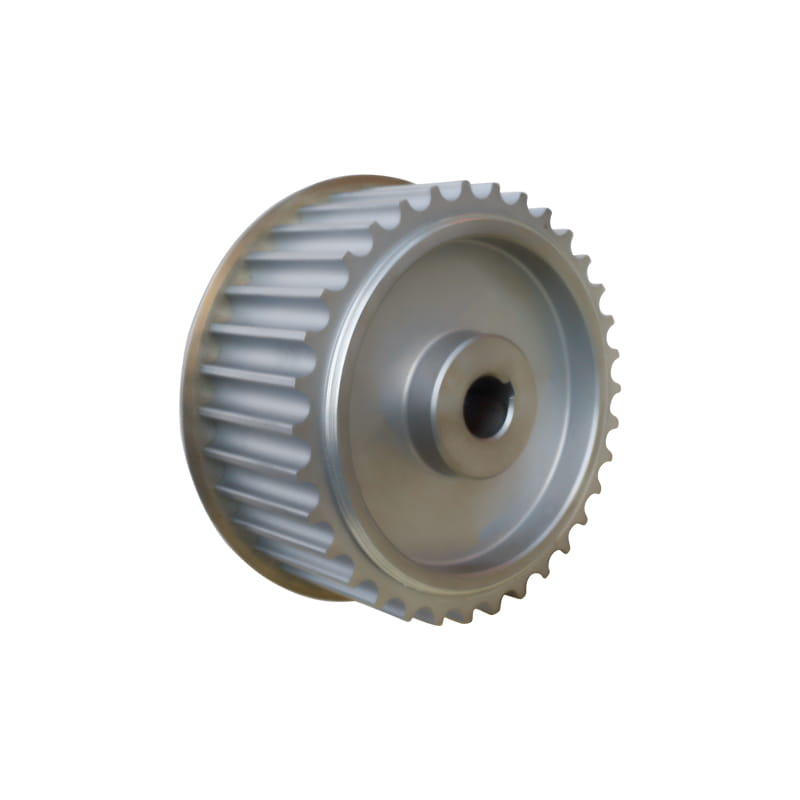
Selecting the right specifications requires a comprehensive analysis of the conveyor's operating parameters. In terms of load capacity, belts should be sized according to the maximum load weight, with the economic applicable range for single-segment loads generally not exceeding 60kg; for overweight scenarios, reinforced designs or alternative transmission methods may be necessary. Speed requirements also dictate selection: low-speed operations (below 10m/s) are well-suited for standard trapezoidal tooth belts, while high-speed applications demand optimized tooth profiles to reduce impact. The power calculation follows the formula Pd = K × Pt, where the overload coefficient K ranges from 1.5 to 2.5 to account for load fluctuations. Additionally, pulley matching is crucial—small pulleys should have a minimum number of teeth as specified by industry standards to avoid excessive stress concentration on individual teeth.
What Environmental Adaptations Are Required for Industrial Applications?
Industrial conveyors operate in diverse environments, so high-tension trapezoid belts must possess corresponding environmental resistance capabilities. The belt material should withstand common industrial hazards: neoprene or polyurethane bases offer oil, grease, and moisture resistance to protect internal tensile cords, while specialized formulations can provide flame retardancy, antistatic properties, or corrosion resistance for extreme conditions. Temperature tolerance is another key factor, with standard belts typically operating within a range of -55°C to 70°C to accommodate both cold storage and high-temperature processing environments. For applications involving food processing, belts must comply with relevant food safety standards to ensure no contamination. In abrasive environments, additional wear-resistant layers can extend service life by reducing friction from rough materials.
How to Balance Precision Requirements with Economic Efficiency?
The selection process involves striking a balance between transmission precision and cost-effectiveness. For general transport applications where moderate precision suffices, standard metric pitch trapezoidal tooth belts offer reliable performance at a lower cost. High-precision scenarios such as electronic component assembly may require modified trapezoidal profiles or alternative tooth designs to achieve positioning errors of ≤0.1mm. The number of plies in the belt's structure also affects this balance—more plies increase tensile strength but may reduce flexibility, so the design must match pulley diameters to prevent flex fatigue. For continuous production lines, integrated vulcanized belts are recommended as they offer 3-5 times longer service life compared to spliced versions, reducing downtime and maintenance costs despite higher initial investment.
What Quality Standards Ensure Long-Term Conveyor Reliability?
Compliance with international standards is essential to guarantee belt performance and safety. Tensile strength testing should adhere to ISO 10247 and DIN 22102 standards to verify load-bearing capacity and structural integrity. Manufacturing tolerances must be tightly controlled, particularly for tooth pitch and belt width, to ensure compatibility with pulleys and prevent tracking issues. The cord orientation (S and Z directions) plays a role in minimizing tracking problems, ensuring stable operation without lateral movement. Regular maintenance, including inspection of tooth wear, cord integrity, and tension levels, further extends service life and prevents catastrophic failures that could lead to production downtime. By adhering to these standards and maintenance practices, high-tension trapezoid belts can provide consistent performance in industrial conveyor systems.



 中文简体
中文简体