



Content
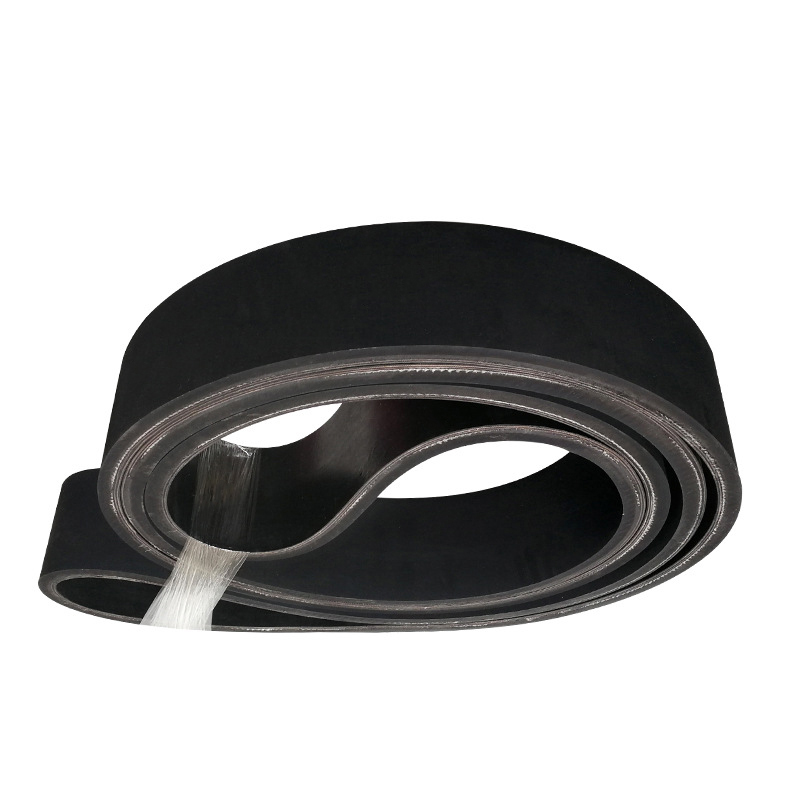
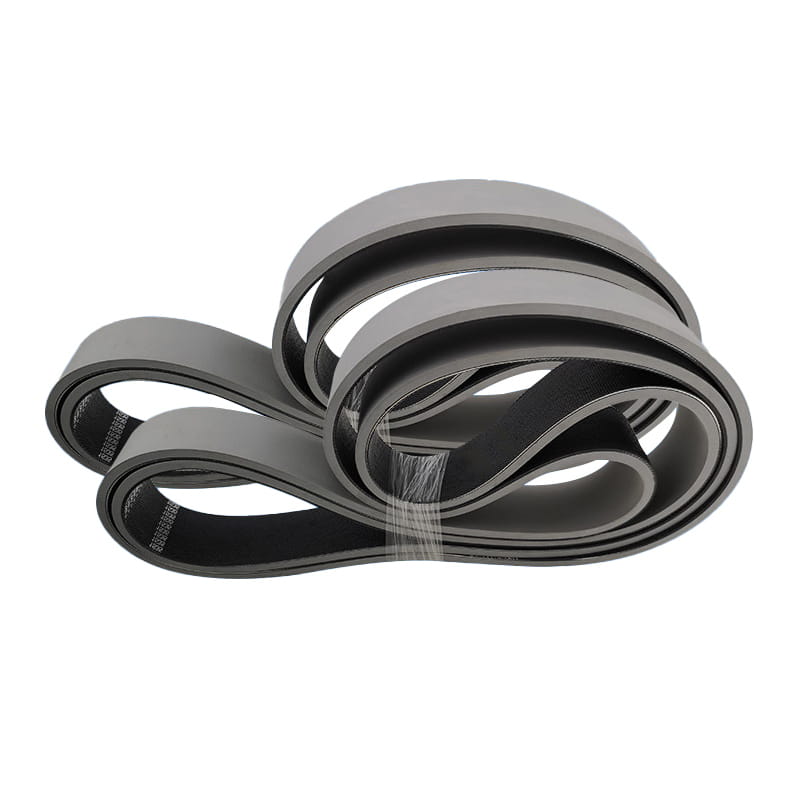
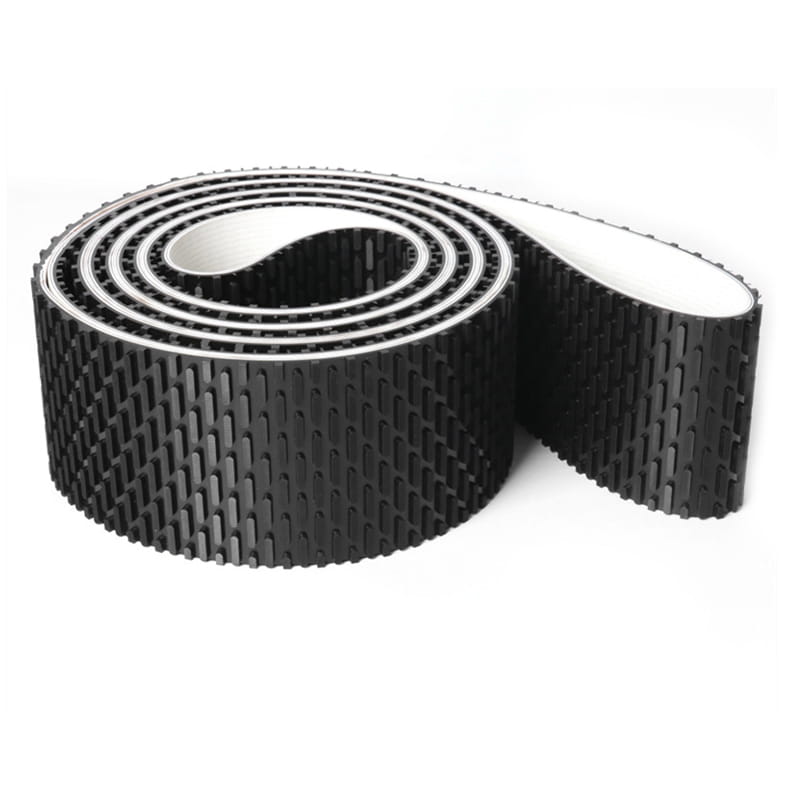
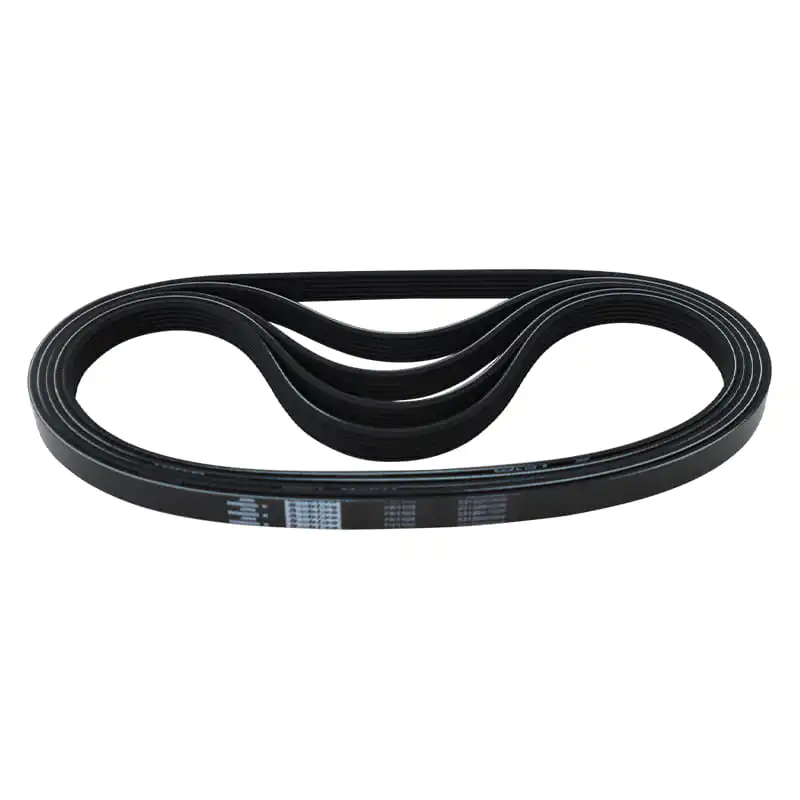
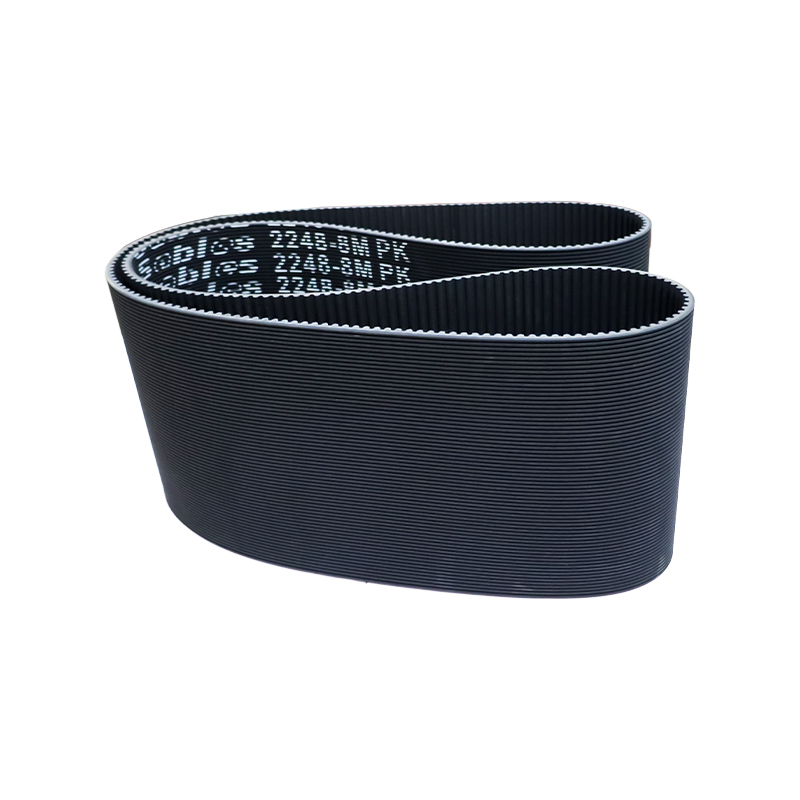
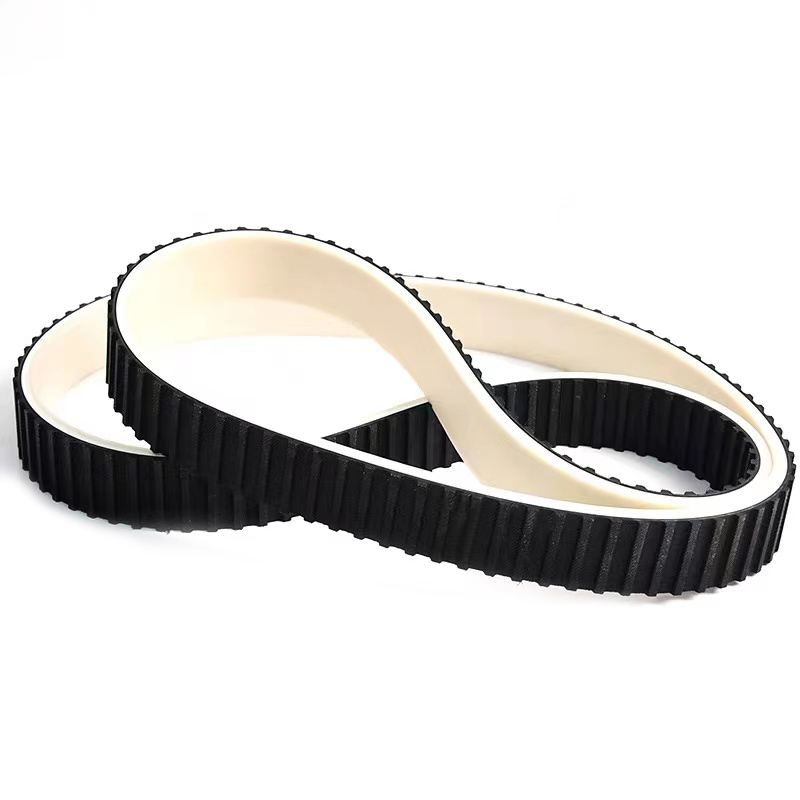
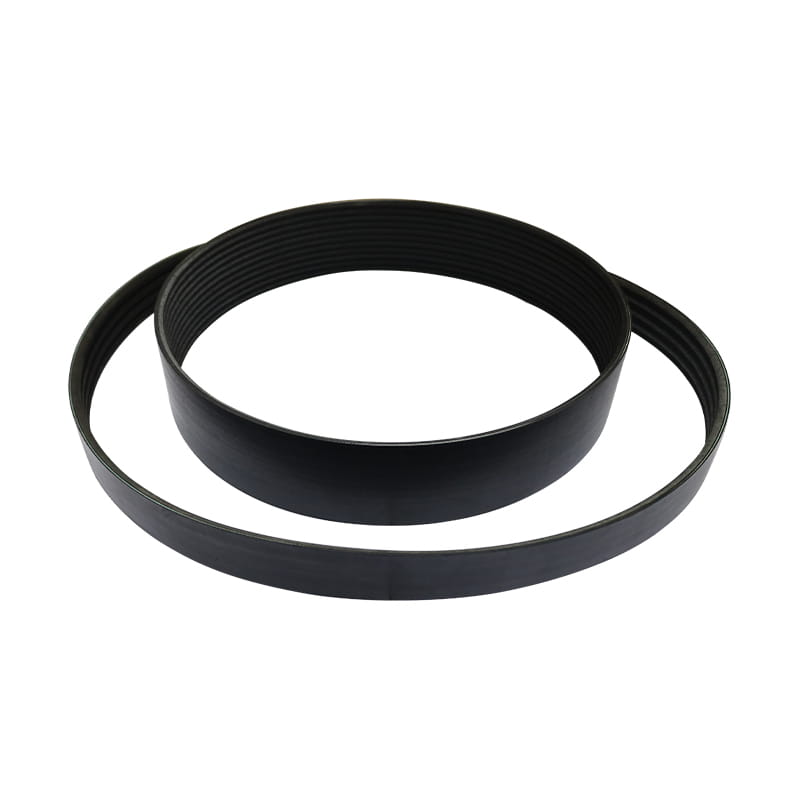
A silicon belt is a high-performance belt made from silicon rubber, known for its flexibility, durability, and heat resistance. These belts are commonly used in industries where temperature extremes, chemical exposure, and physical wear and tear are prevalent. Silicon belts are an essential component in various machinery, from industrial conveyor systems to heating equipment, due to their ability to withstand harsh environments and provide reliable performance.
Key Features of a Silicon Belt
Silicon belts have several distinctive features that make them suitable for use in challenging industrial conditions. Here are the key characteristics:
- Heat Resistance: Silicon belts can withstand temperatures ranging from -50°C to 250°C, making them ideal for high-temperature environments.
- Chemical Resistance: They are resistant to a wide range of chemicals, oils, and solvents, which is crucial for industries involving harsh substances.
- Flexibility: Despite their strength, silicon belts maintain a high level of flexibility, which allows them to adapt to different machinery and systems.
- Durability: The silicon material used in the belts ensures long-lasting performance, reducing the need for frequent replacements and minimizing downtime.

Applications of Silicon Belts
Silicon belts are used in a variety of industries due to their versatile properties. Some of the most common applications include:
- Conveyor Systems: Silicon belts are frequently used in conveyor systems for transporting goods in manufacturing plants, especially in food processing and pharmaceuticals, where hygiene and heat resistance are crucial.
- Heating Elements: Silicon belts are used in heating equipment, such as dryers and ovens, because of their ability to endure high temperatures without degradation.
- Automotive Industry: In automotive applications, silicon belts are used in engine components, belts for fluid transfer systems, and other critical components that require flexibility and heat resistance.
- Electronics Manufacturing: Silicon belts help transport delicate electronic components in clean rooms and production lines where precision and cleanliness are paramount.
Advantages of Using a Silicon Belt
Using silicon belts in industrial applications offers several advantages that make them stand out from other types of belts, such as rubber or plastic. Some of these benefits include:
- Extended Lifespan: Due to their excellent resistance to heat, chemicals, and wear, silicon belts tend to last longer than traditional rubber belts, providing more value over time.
- Improved Safety: The high heat resistance of silicon belts reduces the risk of belt failure in high-temperature environments, preventing accidents and improving workplace safety.
- Low Maintenance Costs: Since silicon belts are more durable and resistant to damage, the need for repairs or replacements is reduced, resulting in lower maintenance costs in the long run.
- Increased Efficiency: Silicon belts ensure smooth and continuous operation of equipment, reducing downtime and improving the overall efficiency of manufacturing processes.
Silicon Belt vs. Other Types of Belts
When compared to other types of belts, such as rubber or plastic belts, silicon belts offer several unique advantages:
| Feature | Silicon Belts | Rubber Belts | Plastic Belts |
|---|---|---|---|
| Temperature Range | -50°C to 250°C | -30°C to 100°C | -20°C to 80°C |
| Chemical Resistance | Excellent | Good | Fair |
| Durability | High | Medium | Medium |
Conclusion
In conclusion, silicon belts are an indispensable component in many industrial applications, thanks to their unique properties such as heat resistance, flexibility, and durability. Whether used in conveyor systems, heating elements, or automotive applications, silicon belts provide unmatched performance and longevity. Their ability to withstand harsh environments makes them a preferred choice for industries where high performance is critical. By understanding the benefits and applications of silicon belts, industries can optimize their processes and improve overall efficiency.